Understanding Your Calorie Needs
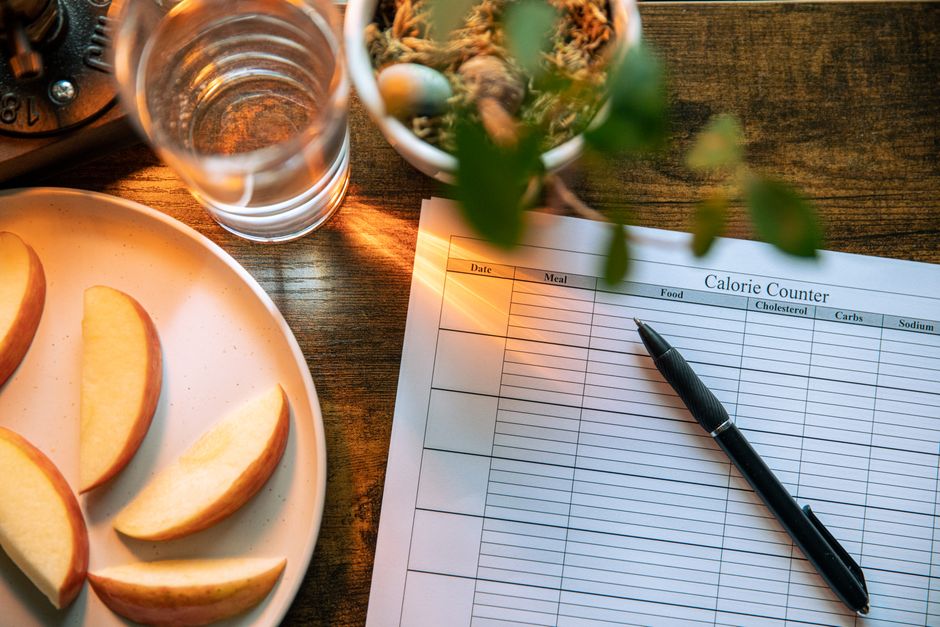
Before diving into any weight loss meal plan, you need to know your daily calorie target. Most American women need between 1,200 and 1,500 calories per day for steady weight loss, while men typically require 1,500 to 1,800 calories. Your exact number depends on your current weight, height, age, and how active you are throughout the day.
To calculate your baseline, multiply your current weight in pounds by 10 to 12 for sedentary lifestyles, or by 13 to 15 if you exercise regularly. Subtract 500 calories from that number to lose about one pound per week. This deficit creates steady progress without triggering extreme hunger or metabolic slowdown.
Once you have your daily calorie budget, break it down by meal. A common split allocates 300-400 calories for breakfast, 400-500 for lunch, 500-600 for dinner, and 100-200 for snacks. Adjust these ranges based on when you feel hungriest during the day.
Editor’s pick: meal prep containers glass compartments — compare options and current availability.
Building a Balanced Meal Plan
Every meal should include three key components: **lean protein**, **fiber-rich carbohydrates**, and **healthy fats**. Protein keeps you full and preserves muscle mass during weight loss. Aim for 25-35 grams per meal from sources like grilled chicken breast, Greek yogurt, eggs, or black beans.
Fiber from vegetables, fruits, and whole grains slows digestion and stabilizes blood sugar. Fill half your plate with non-starchy vegetables like broccoli, spinach, bell peppers, and zucchini. Add a fist-sized portion of complex carbs such as brown rice, quinoa, sweet potato, or oatmeal.
Healthy fats support hormone production and nutrient absorption. Include one to two tablespoons of olive oil, avocado, nuts, or seeds with each meal. These fats add flavor and satisfaction without excessive calories when portioned correctly.
Preparing Meals Ahead of Time
Meal prep transforms weight loss from a daily struggle into a systematic routine. Dedicate two to three hours on Sunday afternoon to prepare proteins, chop vegetables, and portion out snacks for the week ahead. Cook large batches of grilled chicken thighs, hard-boiled eggs, and roasted vegetables that reheat well.
Invest in glass meal prep containers with compartments to keep ingredients separate until you’re ready to eat. Label each container with the day of the week and calorie count. Store cooked proteins for up to four days in the refrigerator, or freeze half your batch for the following week.
Avoid common prep mistakes like cooking everything on Sunday and eating bland, dried-out food by Thursday. Prep components separately and assemble meals daily. Marinate proteins the night before cooking, and add fresh elements like lettuce or avocado right before eating to maintain texture and flavor.
Swapping Ingredients for Healthier Options
Simple ingredient swaps can cut hundreds of calories without sacrificing taste. Replace sour cream with plain Greek yogurt in tacos, dips, and baked potatoes—you’ll save 200 calories per half cup while adding protein. Use mashed cauliflower instead of mashed potatoes to reduce calories by 75% per serving.
Swap white rice for riced cauliflower or spiralized zucchini noodles to slash carbs and calories dramatically. Trade mayonnaise-based salad dressings for vinaigrettes made with olive oil and vinegar. Replace ground beef with 93% lean ground turkey or chicken in tacos, pasta sauce, and chili.
For breakfast, substitute regular pancakes with protein pancakes made from mashed banana, eggs, and oats. Use unsweetened almond milk instead of whole milk to save 100 calories per cup. These swaps preserve the comfort and satisfaction of your favorite meals while supporting your calorie deficit.
Serving Sizes and Portion Control
Visual cues help estimate portions when you don’t have a food scale handy. A serving of protein should be the size of your palm—about 3 to 4 ounces for most adults. Your fist represents one cup of vegetables or a serving of carbohydrates like pasta or rice.
Your thumb equals one tablespoon of fats like peanut butter or salad dressing. A small handful of nuts or seeds provides about one ounce and 150-180 calories. Use smaller plates at home—9-inch dinner plates instead of 12-inch ones—to make portions appear larger and more satisfying.
Practice mindful eating by eliminating distractions during meals. Put your phone away, turn off the TV, and focus on the taste, texture, and aroma of your food. Eat slowly and pause halfway through to assess your hunger level before continuing.
Staying on Track with Meal Planning
The biggest meal planning mistake is creating an overly restrictive plan that eliminates all your favorite foods. Build flexibility into your weekly menu by designating one or two meals as “flex meals” where you can enjoy restaurant food or special occasions guilt-free. This prevents the all-or-nothing mindset that derails progress.
Plan for real life by keeping emergency backup meals in your freezer. Frozen grilled chicken strips, pre-portioned salmon fillets, and bags of frozen vegetables ensure you always have a healthy option when plans change. Stock your pantry with canned beans, tuna, and quick-cooking grains for last-minute meals.
Track your meals in a food diary or app for the first few weeks to build awareness of portion sizes and calorie content. After that, most people can maintain their weight loss through intuitive eating habits developed during the structured planning phase.
Sample One-Week Meal Plan
Here’s a practical example of a 1,500-calorie daily meal plan for weight loss:
| Day | Breakfast (350 cal) | Lunch (450 cal) | Dinner (550 cal) | Snacks (150 cal) |
|---|---|---|---|---|
| Monday | Oatmeal with berries and almonds | Grilled chicken salad | Baked salmon with roasted broccoli and quinoa | Apple with peanut butter |
| Tuesday | Greek yogurt parfait with granola | Turkey and avocado wrap | Lean beef stir-fry with mixed vegetables | String cheese and carrots |
| Wednesday | Veggie omelet with whole wheat toast | Tuna salad on greens | Grilled chicken breast with sweet potato | Hummus with cucumber slices |
| Thursday | Protein smoothie with spinach | Quinoa bowl with black beans | Turkey meatballs with zucchini noodles | Mixed nuts portion |
| Friday | Egg white scramble with peppers | Chicken and vegetable soup | Shrimp tacos with cabbage slaw | Greek yogurt with berries |
This plan emphasizes variety to prevent boredom while maintaining consistent calorie and macronutrient targets. Rotate these meal ideas throughout the month, adjusting seasonally for fresher, more affordable produce.
Making Meal Plans Work Long-Term
Sustainable weight loss requires gradual habit changes rather than temporary dieting. Start by making small adjustments to your current eating patterns—swap one processed snack for fruit, add vegetables to one meal, or drink water instead of soda. Build on these successes weekly until healthy eating becomes automatic.
Reassess your calorie needs every 10 to 15 pounds of weight loss. As your body becomes smaller, it requires fewer calories to maintain basic functions. Failing to adjust your meal plan as you lose weight can stall progress and lead to frustration.
Celebrate non-scale victories like improved energy levels, better sleep quality, and clothes fitting more comfortably. These indicators of progress help maintain motivation when the scale doesn’t move as quickly as you’d like. Remember that sustainable weight loss averages one to two pounds per week.
Frequently Asked Questions
Q: What are some healthy meal options for weight loss?
A: Focus on meals built around lean proteins like chicken breast, fish, eggs, and legumes paired with non-starchy vegetables and moderate portions of whole grains. Examples include grilled salmon with roasted Brussels sprouts and quinoa, turkey chili with beans and vegetables, or egg white omelets filled with spinach and mushrooms. These meals provide high satiety with controlled calories.
Q: How can I make meal prep more efficient and less time-consuming?
A: Batch cook proteins and grains on Sunday, but prep vegetables fresh midweek to maintain quality. Use sheet pan dinners where you roast protein and vegetables together with minimal cleanup. Choose recipes with overlapping ingredients—if you buy cilantro for Monday’s tacos, use it again in Wednesday’s stir-fry. A slow cooker or Instant Pot reduces active cooking time significantly.
Q: What are some tips for staying motivated and on track with meal planning?
A: Set realistic weekly goals rather than overwhelming monthly targets. Take progress photos every two weeks to visualize changes the scale doesn’t reflect. Join online communities or find an accountability partner to share meal prep ideas and challenges. Allow yourself one planned indulgence per week so you don’t feel deprived, and immediately return to your meal plan the next day without guilt.
Top Product Recommendations
| Product Name | Rating | Key Feature | Est. Price | Action |
|---|---|---|---|---|
| Top-rated meal prep containers glass compartments | ★★★★★ | Editor-recommended meal prep containers glass compartments from this guide | $18–$42 | Check Lowest Price on Amazon |
| Best-value food scale digital kitchen | ★★★★☆ | Affordable food scale digital kitchen — strong everyday results | $12–$28 | Check Lowest Price on Amazon |
| Premium portion control plates | ★★★★☆ | Higher-end portion control plates for visible, lasting results | $45–$95 | Check Lowest Price on Amazon |
Affiliate Disclosure: This post contains affiliate links. We may earn a commission if you buy through our links, at no extra cost to you. Medical Disclaimer: This content is for informational purposes only and is not medical advice. Consult a healthcare professional before changing diet or exercise.
Leave a Reply