Understanding Your Calorie Needs
Creating an effective weight loss meal plan starts with understanding how many calories your body needs each day. **Your basal metabolic rate (BMR)** represents the calories you burn at rest, while your total daily energy expenditure (TDEE) accounts for activity level. Most adults need between 1,600 and 2,400 calories daily, depending on age, gender, and activity.
For sustainable weight loss, aim to reduce your daily intake by **500 to 750 calories**, which typically results in losing one to two pounds per week. This moderate approach helps preserve muscle mass while burning fat. Online calculators can estimate your needs based on height, weight, age, and activity level, giving you a starting point to build your meal plan.
**Macronutrient balance** plays a crucial role in weight loss success. A typical distribution includes 40-50% carbohydrates, 25-35% protein, and 20-30% healthy fats. Protein helps maintain muscle during weight loss and keeps you feeling satisfied longer. Adjust these ratios based on your preferences and how your body responds—some people thrive on higher protein, while others do better with moderate carbs from whole grains and vegetables.
Editor’s pick: meal prep containers glass — compare options and current availability.
Planning Balanced Meals
Balanced meals contain all three macronutrients in proportions that support your weight loss goals while providing sustained energy. **Protein sources** like chicken breast, fish, eggs, Greek yogurt, and legumes should anchor each meal. They require more energy to digest and help prevent muscle loss during calorie restriction.
Carbohydrates fuel your workouts and daily activities, so choose **complex carbs** like quinoa, brown rice, sweet potatoes, and oatmeal over refined options. These provide fiber, vitamins, and minerals while stabilizing blood sugar levels. Pair them with non-starchy vegetables like broccoli, spinach, peppers, and cauliflower to add volume and nutrients without many calories.
Healthy fats from avocados, nuts, seeds, olive oil, and fatty fish support hormone production and vitamin absorption. Use **meal planning templates** that divide your plate into quarters: one-quarter lean protein, one-quarter whole grains or starchy vegetables, and half non-starchy vegetables. Add a serving of healthy fat, and you have a balanced foundation. Meal planning apps can track macros and calories, making it easier to stay consistent throughout the week.
Preparing Healthy Breakfasts
Breakfast sets the tone for your entire day, and **protein-rich morning meals** help control hunger until lunch. A veggie omelet made with two whole eggs and one egg white, loaded with spinach, tomatoes, and mushrooms, provides about 250 calories and 20 grams of protein. Pair it with a slice of whole grain toast for sustained energy.
Greek yogurt parfaits offer another quick option—layer plain nonfat Greek yogurt with mixed berries and a tablespoon of chopped almonds or ground flaxseed. This combination delivers probiotics, antioxidants, and healthy fats in under 300 calories. Avoid flavored yogurts that pack 15-20 grams of added sugar per serving.
**Overnight oats** solve the time crunch problem for busy mornings. Mix half a cup of rolled oats with unsweetened almond milk, a scoop of protein powder, chia seeds, and cinnamon the night before. In the morning, top with fresh fruit. This meal provides complex carbs, protein, and fiber that keep you full for hours. For grab-and-go options, prepare egg muffins on Sunday—whisk eggs with diced vegetables and turkey sausage, pour into muffin tins, and bake. Store them in the fridge for quick weekday breakfasts.
Nutritious and Filling Lunches
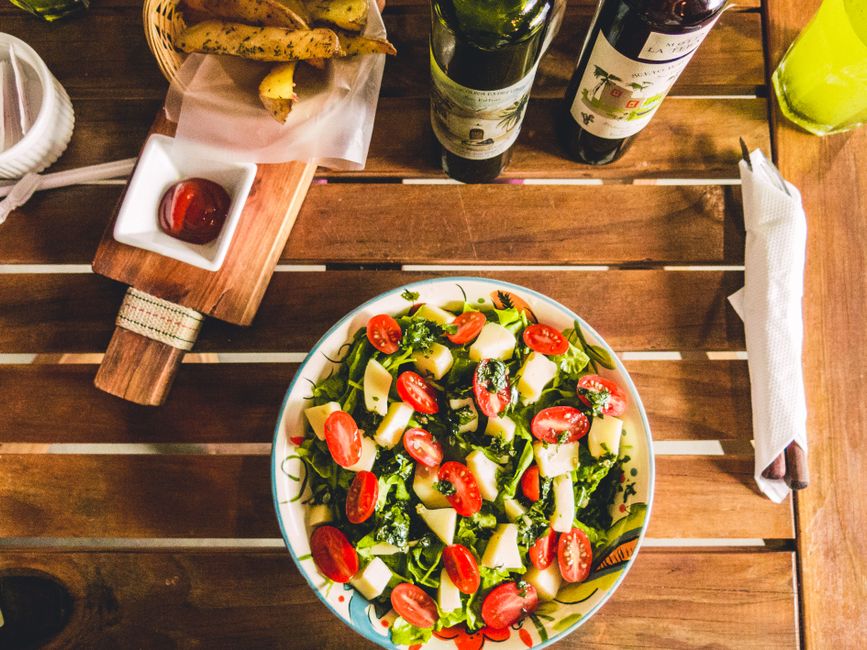
Lunch maintains your energy levels and prevents the afternoon slump that leads to unhealthy snacking. **Mason jar salads** make meal prep simple—layer dressing at the bottom, followed by hearty vegetables like cucumbers and carrots, then grains or beans, leafy greens, and protein on top. When ready to eat, shake and pour into a bowl.
A **Mediterranean bowl** combines grilled chicken or chickpeas over mixed greens with cherry tomatoes, cucumber, red onion, olives, and feta cheese, dressed with lemon juice and olive oil. This nutrient-dense meal provides protein, healthy fats, and plenty of vegetables for under 450 calories. Swap chicken for grilled salmon to increase omega-3 intake.
Whole grain wraps offer portable convenience—spread hummus on a whole wheat tortilla, add sliced turkey or grilled tofu, baby spinach, shredded carrots, and bell peppers. Roll tightly and slice in half. **Meal prep tip**: assemble five wraps on Sunday, wrap individually in foil, and refrigerate. These stay fresh for three to four days. Soups and stews also work well for batch cooking—prepare a large pot of vegetable lentil soup or turkey chili, portion into containers, and freeze half for later weeks.
Delicious and Healthy Dinners
Dinner recipes should be satisfying without derailing your calorie goals. **Sheet pan meals** minimize cleanup while maximizing flavor—arrange salmon fillets or chicken thighs on a baking sheet with Brussels sprouts, sweet potato chunks, and red onion. Drizzle with olive oil, season with garlic and herbs, and roast at 400°F for 25-30 minutes.
Zucchini noodles (zoodles) replace traditional pasta in many dishes, cutting calories significantly. Sauté zoodles briefly in a pan, then top with marinara sauce, turkey meatballs, and a sprinkle of Parmesan. This **low-calorie swap** delivers the comfort of pasta night for about 350 calories per serving versus 600-plus for regular spaghetti and meatballs.
**Stir-fries** cook quickly and use whatever vegetables are in your fridge. Heat a tablespoon of sesame oil in a wok, add sliced chicken or shrimp, then toss in broccoli florets, snap peas, carrots, and bell peppers. Season with low-sodium soy sauce, fresh ginger, and garlic. Serve over cauliflower rice instead of white rice to save 150 calories per cup. Preparing meals ahead works well for dinners—grill several chicken breasts at once, roast multiple trays of vegetables, and cook a large batch of quinoa. Mix and match components throughout the week to prevent boredom.
Healthy Snacking Choices
Smart snacking prevents extreme hunger that leads to overeating at meals. **Protein-based snacks** like hard-boiled eggs, string cheese, or edamame keep you satisfied between meals. A quarter cup of almonds provides healthy fats and protein for about 170 calories—portion them into small containers to avoid mindlessly eating from a large bag.
Fresh vegetables with hummus offer volume and crunch for minimal calories. Cut bell peppers, celery, carrots, and cucumber into sticks and pair with two tablespoons of hummus. This combination provides fiber, vitamins, and plant-based protein for under 150 calories. **Apple slices with natural peanut butter** satisfy sweet cravings while delivering nutrients—measure one tablespoon of peanut butter to keep portions in check.
Preparing snacks in advance prevents reaching for processed options when hunger strikes. On meal prep day, wash and cut vegetables, portion nuts and seeds, and prepare protein boxes with sliced turkey, cheese cubes, grapes, and whole grain crackers. **Timing matters too**—if you work out in the late afternoon, have a snack with protein and carbs one to two hours before exercise. If you tend to get hungry in the evening, save some daily calories for an after-dinner snack like Greek yogurt with berries.
Eating Out While on a Meal Plan
Restaurants present challenges, but strategic choices keep you on track. Before arriving, **review the menu online** and decide what to order—this prevents impulse decisions when hungry. Look for grilled, baked, or steamed proteins rather than fried options. Ask for sauces and dressings on the side so you control portions.
At Italian restaurants, choose marinara-based dishes over cream sauces, and request extra vegetables in place of pasta. **Mexican restaurants** offer build-your-own options—skip the flour tortilla, choose a bowl with brown rice or lettuce, add fajita vegetables, black beans, grilled chicken, and salsa. Avoid chips, sour cream, and cheese to save several hundred calories.
Asian cuisine restaurants typically offer steamed options—order steamed dumplings instead of fried, and choose dishes with lots of vegetables. Request brown rice and ask if they can use less oil in stir-fries. **American steakhouses** seem tricky, but ordering a lean steak with double vegetables and a side salad works perfectly. Share dessert if you want something sweet, or skip it entirely and have a planned treat at home later in the week.
| Restaurant Type | Best Choices | Items to Limit |
|---|---|---|
| Italian | Grilled fish, marinara sauce, side salads | Cream sauces, breadsticks, large pasta portions |
| Mexican | Burrito bowls, grilled proteins, salsa | Fried shells, queso, large tortillas |
| Asian | Steamed dishes, vegetable-heavy options | Fried appetizers, heavy sauces, fried rice |
| American | Grilled meats, steamed vegetables, salads | Fried sides, creamy dressings, large portions |
Frequently Asked Questions
Q: What is the role of fiber in a weight loss meal plan?
A: Fiber helps you feel full longer by slowing digestion and stabilizing blood sugar levels. Adults should aim for 25-35 grams daily from sources like vegetables, fruits, whole grains, legumes, and seeds. High-fiber foods add volume to meals without many calories, making it easier to maintain a calorie deficit. Soluble fiber found in oats, apples, and beans also supports healthy cholesterol levels.
Q: How can I make healthier choices when eating out?
A: Review menus beforehand, choose grilled or baked proteins, request vegetables instead of starches, and ask for dressings and sauces on the side. Split entrees or immediately box half your meal to control portions. Avoid arriving extremely hungry by having a small snack beforehand, which helps prevent ordering impulsively. Skip the bread basket and sugary drinks, opting for water or unsweetened tea instead.
Q: What are some easy and healthy meal prep ideas for busy professionals?
A: Dedicate two to three hours on Sunday to batch cook proteins like grilled chicken, baked salmon, and hard-boiled eggs. Chop vegetables, cook grains like quinoa and brown rice, and prepare overnight oats in jars. Assemble five Mason jar salads, portion snacks into containers, and freeze individual soup or chili servings. This preparation ensures you have healthy options ready throughout the week, reducing the temptation to order takeout or skip meals.
Top Product Recommendations
| Product Name | Rating | Key Feature | Est. Price | Action |
|---|---|---|---|---|
| Top-rated meal prep containers glass | ★★★★★ | Editor-recommended meal prep containers glass from this guide | $18–$42 | Check Lowest Price on Amazon |
| Best-value kitchen food scale digital | ★★★★☆ | Affordable kitchen food scale digital — strong everyday results | $12–$28 | Check Lowest Price on Amazon |
| Premium protein powder weight loss | ★★★★☆ | Higher-end protein powder weight loss for visible, lasting results | $45–$95 | Check Lowest Price on Amazon |
Affiliate Disclosure: This post contains affiliate links. We may earn a commission if you buy through our links, at no extra cost to you. Medical Disclaimer: This content is for informational purposes only and is not medical advice. Consult a healthcare professional before changing diet or exercise.
Leave a Reply