Understanding Your Calorie Needs
Before starting any weight loss meal plan, you need to know how many calories your body requires daily. Your **basal metabolic rate (BMR)** represents the calories you burn at rest, while your **total daily energy expenditure (TDEE)** includes activity level. Most women need 1,600-2,400 calories daily, while men typically need 2,000-3,000 calories to maintain weight.
To lose weight safely, create a **calorie deficit of 500-750 calories per day**, which leads to losing 1-1.5 pounds weekly. Use online TDEE calculators that factor in your age, gender, height, weight, and activity level. Never drop below 1,200 calories for women or 1,500 for men without medical supervision.
Your activity level significantly impacts calorie needs. Sedentary individuals need fewer calories than those who exercise 3-5 times weekly. Adjust your intake as you increase physical activity to fuel workouts while maintaining your deficit.
Editor’s pick: meal prep containers glass — compare options and current availability.
Healthy Meal Planning Basics
**Macronutrient balance** is the foundation of effective weight loss meal planning. Aim for 40% carbohydrates, 30% protein, and 30% healthy fats as a starting point. Protein keeps you full longer and preserves muscle mass during weight loss. Carbohydrates provide energy, while healthy fats support hormone production and nutrient absorption.
Incorporate a **rainbow of colorful vegetables** into every meal. Different colors indicate different nutrients: dark leafy greens provide iron and calcium, orange vegetables offer beta-carotene, and red produce contains lycopene. This variety ensures you get comprehensive micronutrients without needing supplements.
Prioritize whole foods over processed options whenever possible. Whole grains, fresh fruits, vegetables, lean proteins, and legumes contain more fiber and nutrients than their processed counterparts. They also keep you satisfied longer, reducing the temptation to snack between meals.
Breakfast Ideas for Weight Loss
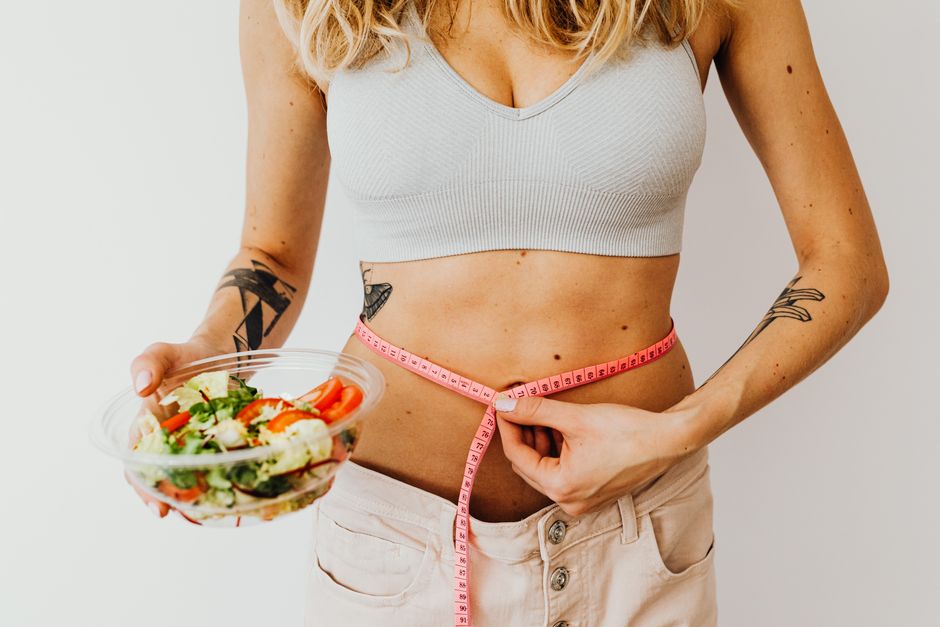
**High-protein breakfasts** set the tone for successful weight loss days. Greek yogurt parfaits with berries and a tablespoon of nuts provide 20-25 grams of protein and keep hunger at bay until lunch. Scrambled eggs with spinach and tomatoes offer complete protein plus vitamins A and C in under 250 calories.
Overnight oats made with unsweetened almond milk, chia seeds, and half a sliced banana deliver **fiber-rich sustained energy** without blood sugar spikes. Add a scoop of protein powder to boost protein content to 25+ grams. This preparation method saves morning time while providing balanced nutrition.
For quick options on busy mornings, try a **veggie-loaded omelet** cooked in advance and reheated, or a smoothie with spinach, frozen berries, protein powder, and flax seeds. Avoid sugary cereals and pastries that cause energy crashes and increased hunger by mid-morning.
Lunch Recipes to Support Weight Loss
Build satisfying salads using the **formula: greens + protein + healthy fat + vegetables + light dressing**. Try mixed greens with grilled chicken breast, avocado slices, cherry tomatoes, cucumber, and balsamic vinaigrette. This combination provides 300-400 calories with exc nt satiety.
Grilled salmon or white fish paired with **roasted vegetables and quinoa** creates a nutrient-dense lunch under 450 calories. Season with lemon, garlic, and herbs instead of heavy sauces. Swap quinoa for cauliflower rice to reduce calories by 150 while maintaining volume.
**Meal prep lunches** on Sunday for the entire week. Prepare grilled chicken breasts, roasted vegetables, and portioned brown rice in separate containers. Mix and match throughout the week to prevent boredom. Turkey and hummus wraps using whole wheat tortillas, lettuce wraps for lower calories, or Buddha bowls with chickpeas offer variety.
Dinner Recipes for Weight Loss
Lean proteins form the centerpiece of weight-loss dinners. **Skinless chicken breast, turkey tenderloin, white fish, and extra-lean ground beef** provide high protein with minimal fat. Pair 4-6 ounces of protein with non-starchy vegetables like broccoli, green beans, or asparagus, plus a fist-sized portion of sweet potato or brown rice.
Vegetarian options include **lentil curry with cauliflower rice**, black bean and vegetable stir-fry with tofu, or portobello mushroom caps stuffed with quinoa and vegetables. These plant-based meals provide protein, fiber, and satisfaction without animal products. Add nutritional yeast for a cheesy flavor without dairy calories.
Slow cooker meals simplify dinner preparation. Try **chicken chili with white beans**, turkey meatballs in marinara sauce with zucchini noodles, or beef and vegetable stew. These one-pot meals yield 6-8 servings, making weeknight dinners effortless. Freeze individual portions for quick future meals.
Healthy Snack Choices
Smart snacking prevents overeating at meals. Keep **100-150 calorie snacks** readily available: apple slices with one tablespoon almond butter, carrots with two tablespoons hummus, or a hard-boiled egg with cherry tomatoes. These combinations provide protein, fiber, and healthy fats.
Protein-rich snacks deliver the best satiety. **Greek yogurt cups, string cheese, turkey roll-ups, or protein shakes** keep hunger controlled between meals. Avoid fruit juice and dried fruit, which concentrate sugar without the filling fiber of whole fruit.
Homemade snacks beat store-bought versions in nutrition and cost. **Roasted chickpeas seasoned with spices**, energy balls made from dates and nuts, or air-popped popcorn provide wholesome alternatives. Store-bought protein bars often contain as much sugar as candy bars, so read labels carefully or make your own.
Meal Planning on a Budget
Buying in bulk dramatically reduces per-serving costs. Purchase **dried beans, lentils, brown rice, oats, and frozen vegetables** in large quantities. Frozen vegetables retain nutrients better than fresh produce sitting in your refrigerator for days. They also eliminate waste from spoilage.
Seasonal produce costs 30-50% less than out-of-season options. **Summer squash, tomatoes, and berries shine in summer**, while winter squash, Brussels sprouts, and citrus fruits peak in colder months. Shop farmers markets near closing time for discounted produce.
Affordable proteins include **eggs, canned tuna, chicken thighs, and dried legumes**. Eggs cost roughly 20 cents each and provide complete protein. Dried beans cost under $2 per pound and yield 6-7 servings. Buy whole chickens and break them down yourself instead of purchasing pre-cut pieces.
| Budget Strategy | Weekly Savings | Implementation |
|---|---|---|
| Buy bulk staples | $15-25 | Purchase rice, beans, oats in 5+ lb bags |
| Choose seasonal produce | $10-20 | Plan meals around weekly produce sales |
| Meal prep weekly | $20-35 | Reduce takeout by preparing grab-and-go meals |
| Use cheaper proteins | $15-25 | Substitute eggs, beans, chicken thighs for expensive cuts |
Staying Accountable with Food Tracking
**Food diaries increase weight loss success by 50%** according to research from the American Journal of Preventive Medicine. Writing down everything you eat creates awareness of portion sizes, snacking habits, and emotional eating triggers. Paper journals work well for some, while others prefer digital tracking.
Popular tracking apps like MyFitnessPal, Lose It, and Cronometer calculate calories and macronutrients automatically. **Scan barcodes for instant logging** or search their extensive food databases. These apps reveal hidden calories in condiments, cooking oils, and restaurant meals that derail progress.
Review your food log weekly to identify patterns. Do you overeat on weekends? Skip breakfast then binge at lunch? **Notice these trends without judgment**, then adjust your meal plan accordingly. If evening snacking is problematic, add more protein to dinner or save 150 calories for a planned evening snack.
Frequently Asked Questions
Q: What is the best meal plan for weight loss?
A: The best meal plan creates a 500-750 calorie daily deficit through balanced macronutrients (40% carbs, 30% protein, 30% fat) and emphasizes whole foods like vegetables, lean proteins, whole grains, and healthy fats. Focus on sustainability rather than extreme restriction—plans you can maintain long-term produce lasting results.
Q: How often should I eat when trying to lose weight?
A: Meal frequency matters less than total daily calories. Some people thrive on three meals daily, while others prefer five smaller meals or intermittent fasting. Experiment to find what controls your hunger best and fits your schedule. Consistent meal timing helps regulate appetite hormones.
Q: Can I still enjoy my favorite foods while on a weight loss meal plan?
A: Absolutely—deprivation leads to binge eating. Apply the 80/20 rule: eat nutritious whole foods 80% of the time and enjoy treats 20% of the time. Budget calories for a weekly restaurant meal or dessert. Making lighter versions of favorites (cauliflower crust pizza, Greek yogurt ice cream) lets you enjoy familiar flavors while staying on track.
Top Product Recommendations
| Product Name | Rating | Key Feature | Est. Price | Action |
|---|---|---|---|---|
| Top-rated meal prep containers glass | ★★★★★ | Editor-recommended meal prep containers glass from this guide | $18–$42 | Check Lowest Price on Amazon |
| Best-value digital food scale | ★★★★☆ | Affordable digital food scale — strong everyday results | $12–$28 | Check Lowest Price on Amazon |
| Premium slow cooker programmable | ★★★★☆ | Higher-end slow cooker programmable for visible, lasting results | $45–$95 | Check Lowest Price on Amazon |
Affiliate Disclosure: This post contains affiliate links. We may earn a commission if you buy through our links, at no extra cost to you. Medical Disclaimer: This content is for informational purposes only and is not medical advice. Consult a healthcare professional before changing diet or exercise.
Leave a Reply