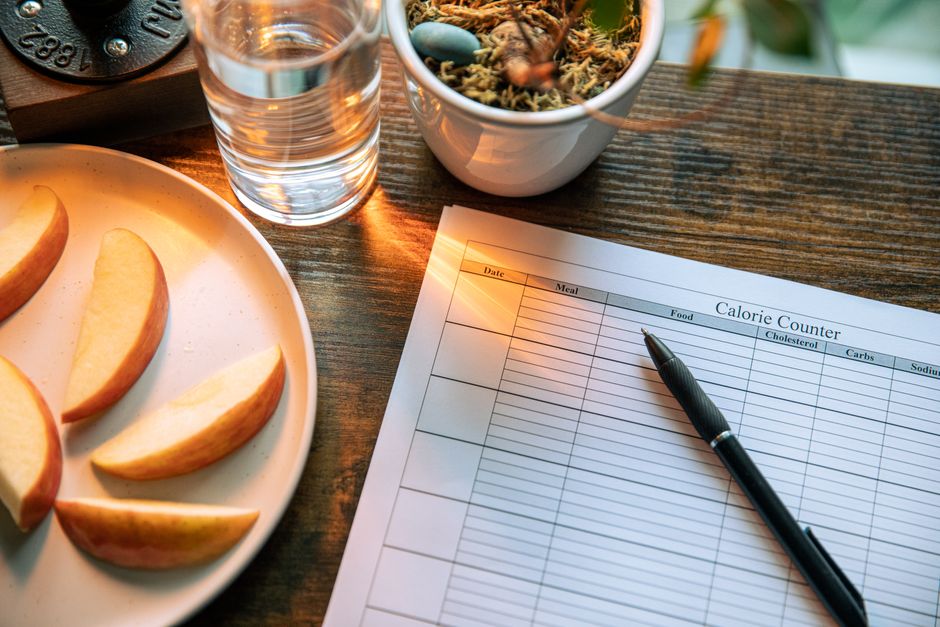
Understanding Your Weight Loss Goals
Before diving into any meal plan, you need to know your daily calorie needs. Most adults require between 1,600 and 2,400 calories per day, but this varies based on age, gender, activity level, and current weight. Use an online calculator or consult a registered dietitian to find your baseline metabolic rate.
Setting realistic weight loss targets means aiming for **one to two pounds per week**. This requires a calorie deficit of 500 to 1,000 calories daily through diet, exercise, or both. Crash diets promising faster results often backfire, leading to muscle loss and metabolic slowdown.
Adjusting your meal plan as you progress is essential. Your calorie needs decrease as you lose weight, so recalculate every 10 to 15 pounds. Track your measurements, energy levels, and how your clothes fit rather than obsessing over the scale alone.
Editor’s pick: meal prep containers portion control — compare options and current availability.
Creating a Balanced Meal Plan
Incorporating the right balance of macronutrients means focusing on **40% carbohydrates, 30% protein, and 30% fat** as a starting point. Protein supports muscle retention during weight loss, while healthy fats keep you satisfied between meals. Choose complex carbs like quinoa, brown rice, and sweet potatoes over refined grains.
Understanding micronutrients and their role in weight loss helps prevent deficiencies that can stall progress. Iron, vitamin D, magnesium, and B vitamins support energy production and metabolism. Aim for colorful vegetables, leafy greens, nuts, seeds, and lean proteins to cover your bases.
A sample meal plan for a week might include oatmeal with berries for breakfast, grilled chicken salad for lunch, and baked salmon with roasted vegetables for dinner. Rotate proteins and vegetables throughout the week to prevent boredom and ensure nutrient variety.
| Day | Breakfast | Lunch | Dinner |
|---|---|---|---|
| Monday | Greek yogurt with almonds | Turkey wrap with veggies | Grilled chicken with broccoli |
| Tuesday | Scrambled eggs with spinach | Quinoa bowl with chickpeas | Baked cod with asparagus |
| Wednesday | Overnight oats with chia seeds | Lentil soup with salad | Lean beef stir-fry |
| Thursday | Protein smoothie | Tuna salad lettuce wraps | Turkey meatballs with zucchini noodles |
| Friday | Veggie omelet | Chicken breast with sweet potato | Shrimp and vegetable skewers |
Breakfast Ideas for Weight Loss
High-protein breakfast options stabilize blood sugar and reduce mid-morning cravings. Try **three-egg omelets with vegetables**, Greek yogurt parfaits with nuts, or cottage cheese with sliced fruit. Each provides 20 to 30 grams of protein to jumpstart your metabolism.
Low-calorie breakfast recipes include egg white frittatas, protein pancakes made with banana and oats, or smoothie bowls topped with berries and seeds. Keep portions reasonable—even healthy foods add up when you overeat.
The importance of fiber in your morning meal cannot be overstated. Fiber slows digestion, keeping you fuller longer and preventing blood sugar spikes. Add ground flaxseed to oatmeal, choose whole grain toast over white bread, or blend spinach into smoothies.
**Common breakfast mistakes to avoid:**
- Skipping breakfast entirely, which leads to overeating later
- Choosing sugary cereals or pastries that spike insulin
- Drinking fruit juice instead of eating whole fruit
- Forgetting to include protein in your morning meal
Lunch and Dinner Recipes for Weight Loss
Lean protein sources for weight loss include skinless chicken breast, turkey, white fish, shrimp, tofu, and legumes. A **four-ounce serving of chicken breast** provides about 185 calories and 35 grams of protein. Grill, bake, or air-fry instead of pan-frying to keep calories low.
Vegetables and complex carbs for nutritious meals should fill half your plate. Broccoli, cauliflower, Brussels sprouts, peppers, and leafy greens are nutrient-dense and low in calories. Pair them with fist-sized portions of quinoa, wild rice, or roasted sweet potato for sustained energy.
Quick and easy meal prep ideas for lunch and dinner save time and prevent impulsive food choices. Cook a large batch of **grilled chicken, hard-boiled eggs, and roasted vegetables** on Sunday. Portion them into containers with pre-measured grains for grab-and-go meals throughout the week.
**Budget-friendly meal prep tips:**
- Buy frozen vegetables when fresh options are expensive
- Purchase whole chickens and break them down yourself
- Use dried beans and lentils instead of canned to save money
- Shop seasonal produce for better prices and flavor
Healthy Snacking Options
Choosing snacks that support weight loss means prioritizing protein and fiber over empty carbs. Keep snacks between **150 and 200 calories** to avoid turning them into mini-meals. Good options include apple slices with almond butter, raw vegetables with hummus, or a handful of mixed nuts.
Healthy snack recipes you can make at home include energy balls with oats and dates, roasted chickpeas seasoned with spices, or veggie sticks with homemade Greek yogurt dip. Prepare these on weekends and store them in portion-controlled containers.
Tips for avoiding unhealthy snacking habits start with identifying your triggers. Are you actually hungry, or just bored, stressed, or thirsty? Drink water first, then wait 10 minutes before reaching for food. Keep tempting snacks out of sight and healthy options at eye level in your fridge.
Eating Out While on a Weight Loss Meal Plan
Making healthy choices when dining out requires planning ahead. Check restaurant menus online before you go and decide what you will order in advance. This prevents impulse decisions when you are hungry and surrounded by tempting options.
Navigating restaurant menus for the best options means looking for grilled, baked, or steamed proteins with vegetable sides. Ask for dressings and sauces on the side, and request substitutions like extra vegetables instead of fries or rice. Most restaurants accommodate these requests without issue.
Tips for eating out without compromising your weight loss goals include eating a small, protein-rich snack before you leave home to curb excessive hunger. Share entrees or immediately box half your meal to avoid overeating. Skip the bread basket and sugary drinks, choosing water or unsweetened tea instead.
**Restaurant survival strategies:**
- Start with a broth-based soup or side salad to take the edge off hunger
- Choose menu items with simple preparations and recognizable ingredients
- Avoid anything described as crispy, breaded, creamy, or fried
- Practice the plate method: half vegetables, quarter protein, quarter starch
Meal Timing and Portion Control
Meal timing impacts hunger hormones and energy levels throughout the day. Most people benefit from eating every three to four hours to maintain stable blood sugar. This typically means three meals and one to two snacks, depending on your calorie needs and schedule.
Portion control techniques help prevent overeating even healthy foods. Use measuring cups and a food scale until you can eyeball portions accurately. A protein serving should be **palm-sized**, carbs should fit in a cupped hand, and fats should be thumb-sized.
Listening to your hunger and fullness cues takes practice in our culture of oversized portions. Eat slowly, putting your fork down between bites, and stop when you feel 80% full. Your brain needs 20 minutes to register satiety, so rushing through meals leads to overeating.
Hydration and Weight Loss Success
Water plays a crucial role in weight loss by supporting metabolism, reducing water retention, and helping you distinguish between hunger and thirst. Aim for **eight to ten glasses daily**, more if you exercise heavily or live in a hot climate.
Drinking water before meals can reduce calorie intake by 75 to 90 calories per meal, according to nutrition research. Keep a water bottle with you throughout the day and set reminders if you forget to drink regularly.
Avoiding liquid calories means skipping sodas, sweetened coffee drinks, fruit juices, and alcohol when possible. These beverages add hundreds of calories without satisfying hunger. If plain water bores you, infuse it with cucumber, lemon, or mint for flavor without calories.
Frequently Asked Questions
Q: How many calories should I eat per day to lose weight?
A: Most women need 1,200 to 1,500 calories daily for weight loss, while most men need 1,500 to 1,800 calories. Calculate your baseline needs and subtract 500 to 1,000 calories for a safe weekly loss of one to two pounds. Never drop below 1,200 calories without medical supervision, as this can slow metabolism and cause nutrient deficiencies.
Q: Can I still lose weight if I eat carbs?
A: Yes, you can absolutely lose weight while eating carbohydrates. The key is choosing complex carbs like whole grains, fruits, and vegetables over refined options like white bread and pastries. Focus on portion control and total calorie intake rather than eliminating entire food groups. Balanced meal plans that include moderate carbs are more sustainable long-term than restrictive low-carb diets.
Q: What should I do if I hit a weight loss plateau?
A: Plateaus are normal after losing 10% or more of your body weight. Recalculate your calorie needs based on your new weight, increase your physical activity, or try intermittent fasting to break through. Sometimes your body simply needs time to adjust—continue your healthy habits and be patient. Consider tracking your food intake more carefully, as portion sizes often creep up over time without us noticing.
Top Product Recommendations
| Product Name | Rating | Key Feature | Est. Price | Action |
|---|---|---|---|---|
| Top-rated meal prep containers portion control | ★★★★★ | Editor-recommended meal prep containers portion control from this guide | $18–$42 | Check Lowest Price on Amazon |
| Best-value food scale digital kitchen | ★★★★☆ | Affordable food scale digital kitchen — strong everyday results | $12–$28 | Check Lowest Price on Amazon |
| Premium protein powder weight loss | ★★★★☆ | Higher-end protein powder weight loss for visible, lasting results | $45–$95 | Check Lowest Price on Amazon |
Affiliate Disclosure: This post contains affiliate links. We may earn a commission if you buy through our links, at no extra cost to you. Medical Disclaimer: This content is for informational purposes only and is not medical advice. Consult a healthcare professional before changing diet or exercise.
Leave a Reply