
Losing weight can be a challenging journey, but having a well-structured meal plan can make all the difference. In this comprehensive guide, we’ll walk you through everything you need to know about creating a meal plan for weight loss, including understanding your calorie needs, meal planning basics, and delicious recipes for every meal of the day.
Understanding Your Calorie Needs

Before you can create an effective meal plan for weight loss, it’s essential to understand your daily calorie requirements. This will vary based on factors such as your age, gender, height, weight, and activity level. A general rule of thumb is to consume fewer calories than you burn in a day to achieve a calorie deficit and promote weight loss.
To calculate your daily calorie needs, you can use an online calculator or consult with a registered dietitian. Once you have your target calorie intake, you can then determine the appropriate macronutrient ratios (protein, carbs, and fat) for your individual needs and goals. Adjusting these ratios can help optimize your weight loss results.
Editor’s pick: protein powder — compare options and current availability.
Meal Planning Basics
Creating a balanced meal plan involves incorporating a variety of nutrient-dense foods that provide the vitamins, minerals, and other essential nutrients your body needs to function optimally. When planning your meals, aim to include a mix of lean proteins, complex carbohydrates, healthy fats, and plenty of fruits and vegetables.
It’s also important to incorporate variety and flexibility into your meal plan. This will help prevent boredom and make it easier to stick to your plan long-term. Consider rotating different protein sources, such as chicken, fish, and plant-based options, and experimenting with new recipes and flavors to keep things interesting.
Breakfast Recipes for Weight Loss
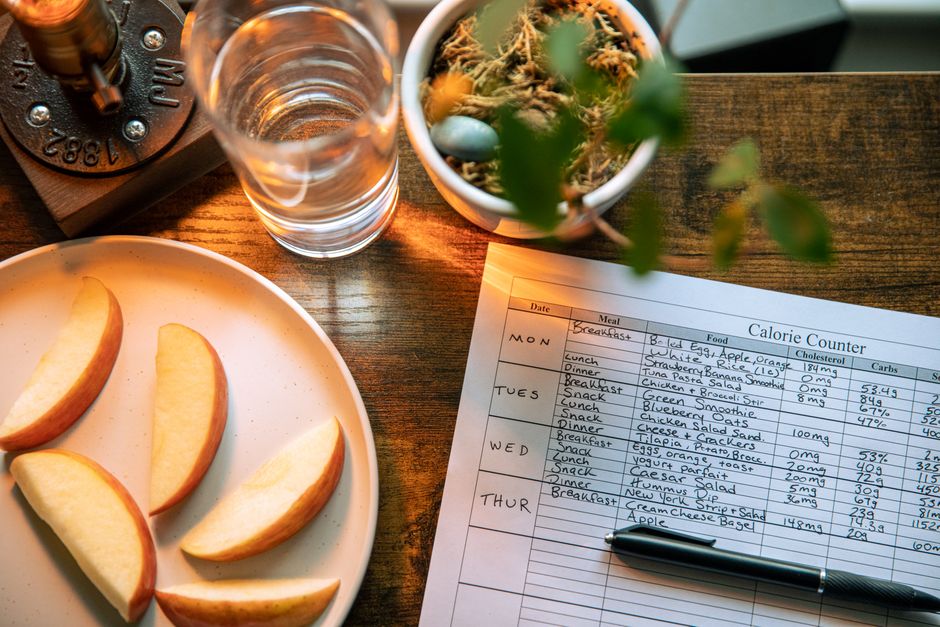
Starting your day with a nutritious breakfast can set the tone for the rest of your meals and help prevent overeating later on. Some high-protein breakfast ideas include:
- Scrambled eggs with spinach and feta cheese
- Greek yogurt with berries and a sprinkle of nuts
- Overnight oats with chia seeds and almond milk
For those following a low-carb diet, some breakfast options might include:
- Veggie-packed omelet with avocado
- Chia seed pudding with coconut milk and berries
- Breakfast salad with hard-boiled eggs and bacon
If you’re short on time in the morning, consider preparing breakfast the night before or opting for healthy on-the-go options like protein bars or smoothies.
Lunch and Dinner Recipes for Weight Loss
When it comes to lunch and dinner, focus on creating meals that are balanced and satisfying. Some meal ideas for quick and easy meal prep might include:
- Grilled chicken with roasted vegetables and quinoa
- Salmon with sweet potato and steamed broccoli
- Veggie-packed stir-fry with brown rice
For healthy and delicious salads, consider using a base of mixed greens and topping with ingredients like grilled chicken, hard-boiled eggs, avocado, and a light vinaigrette dressing. Wraps and sandwiches can also be a great option, just be mindful of portion sizes and choose whole-grain options when possible.
If you’re looking to save money while still eating healthy, consider buying in bulk, meal prepping, and using leftovers for lunches the next day.
Snacking and Weight Loss
Snacking can be a helpful tool for weight loss if done correctly. Aim to choose snacks that are high in protein and fiber, which will help keep you feeling full and satisfied. Some snack ideas for different times of the day might include:
- Mid-morning: Apple slices with almond butter
- Afternoon: Carrot sticks with hummus
- Pre-dinner: A handful of nuts or a small Greek yogurt
It’s also important to practice portion control and mindful snacking. Avoid mindlessly eating while watching TV or working, and be sure to listen to your hunger and fullness cues.
Meal Timing and Frequency
The timing and frequency of your meals can also play a role in weight loss. Some research suggests that eating smaller, more frequent meals throughout the day can help regulate blood sugar levels and prevent overeating. However, it’s important to find a meal timing schedule that works best for your individual needs and lifestyle.
Intermittent fasting, which involves alternating periods of fasting with periods of eating, has also gained popularity for weight loss. This can be an effective strategy for some people, but it’s not necessary for everyone.
Eating Out and Traveling While on a Meal Plan
Eating out and traveling can be challenging when trying to stick to a meal plan for weight loss. However, with a little planning and preparation, it is possible to make healthy choices while still enjoying your favorite restaurants and destinations.
When dining out, consider the following tips:
- Look up the menu ahead of time and plan your order in advance
- Choose grilled, baked, or steamed options over fried or creamy dishes
- Ask for dressings and sauces on the side
- Opt for water or unsweetened tea as your beverage
While traveling, pack healthy snacks and meals whenever possible, and look for accommodations with a kitchen or refrigerator so you can prepare some of your own meals. Don’t be afraid to ask for modifications or substitutions when ordering at restaurants to make your meal more aligned with your goals.
Frequently Asked Questions (FAQ)
What are some common mistakes people make when meal planning for weight loss?
Some common mistakes include not accounting for all meals and snacks, not considering portion sizes, and being too restrictive with food choices. It’s important to create a balanced and sustainable meal plan that you can stick to long-term.
How can I stay motivated and stick to my meal plan for weight loss?
Staying motivated can be challenging, but some strategies might include setting realistic goals, tracking your progress, and finding an accountability partner or support group. It can also be helpful to focus on the non-scale victories, such as increased energy levels or improved sleep, rather than just the number on the scale.
Are there any supplements or vitamins that can help support my weight loss goals while following a meal plan?
While there is no magic pill for weight loss, certain supplements and vitamins may support your goals when combined with a healthy meal plan and regular exercise. These might include:
- Protein powder for post-workout recovery and muscle growth
- Fiber supplements to promote feelings of fullness and aid in digestion
- Green tea extract for its potential metabolism-boosting effects
- B vitamins for energy production and metabolism
However, it’s always best to consult with a healthcare provider before starting any new supplement regimen to ensure safety and effectiveness.
Top Product Recommendations
| Product Name | Rating | Key Feature | Est. Price | Action |
|---|---|---|---|---|
| regex – Adding ?nocache=1 to every url (including the assets like … | ★★★★☆ | Recommended in this article: protein powder | See Amazon | Check Lowest Price on Amazon |
| fiber 뜻 – 영어 사전 | fiber 의미 해석 – wordow.com | ★★★★☆ | Recommended in this article: fiber supplements | See Amazon | Check Lowest Price on Amazon |
| green: 뜻과 사용법 살펴보기 | RedKiwi Words | ★★★★☆ | Recommended in this article: green tea extract | See Amazon | Check Lowest Price on Amazon |
Affiliate Disclosure: This post contains affiliate links. We may earn a commission if you buy through our links, at no extra cost to you. Medical Disclaimer: This content is for informational purposes only and is not medical advice. Consult a healthcare professional before changing diet or exercise.
Leave a Reply