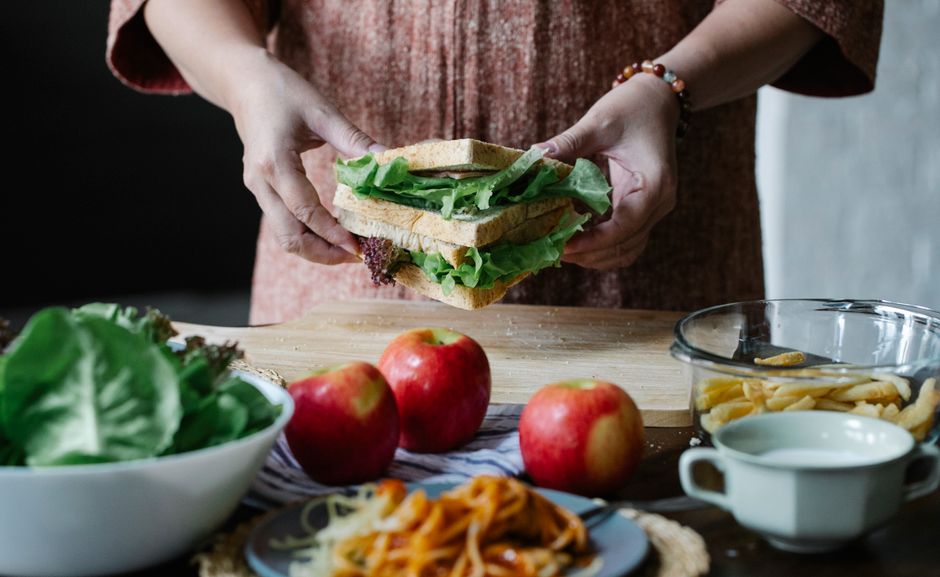
Starting a **1200 calorie meal plan for weight loss** doesn’t mean bland chicken and sad salads. With the right structure, you can eat satisfying, nutrient-dense meals at breakfast, lunch, and dinner — all while hitting your daily calorie target. This guide covers a full 7-day framework, real easy recipes, smart swaps, and snack ideas built for busy US home cooks.
Why 1,200 Calories Works for Weight Loss

A **1,200 calorie daily target** creates a moderate deficit that supports gradual fat loss of roughly 1–2 pounds per week. It’s a structured approach that prioritizes **protein, fiber, and healthy fats** to keep hunger manageable — not a starvation diet. Spreading calories across 3 meals and 1–2 snacks keeps blood sugar steady all day.
This plan works best when meals are **prepped ahead on Sundays** to avoid reaching for high-calorie convenience food on busy weeknights. Each day targets roughly 300 calories for breakfast, 350 for lunch, 400 for dinner, and 150 for snacks.
- Prioritize **lean protein** at every meal to preserve muscle mass
- Fill half your plate with **non-starchy vegetables** for volume and fiber
- Limit added sugars and refined carbs to prevent energy crashes
Exploring a structured [meal plan](https://sieunjaye.blog/category/meal-plan/) approach is one of the most effective ways to stay consistent without overthinking daily food choices.
Editor’s pick: meal prep containers set — see current prices and reviews.
7-Day Meal Plan Overview
This **7-day rotation** uses three breakfasts, three lunches, and three dinners to keep variety high without blowing your grocery budget. One weekly shopping trip covers everything with minimal waste.
| Meal | Target Calories | Timing |
|---|---|---|
| Breakfast | ~300 cal | 7–9 AM |
| Lunch | ~350 cal | 12–1 PM |
| Snack | ~150 cal | 3–4 PM |
| Dinner | ~400 cal | 6–7 PM |
Days 1–3 rotate through the core recipes below. Days 4–5 repeat your two favorites. Days 6–7 each introduce one new recipe to maintain motivation.
- Cook a large batch of **quinoa and brown rice** at the start of the week
- Pre-grill or bake 3–4 chicken breasts and slice for salads and wraps
- Wash and chop vegetables in advance for grab-and-go snacks
Breakfast Recipes (~290–310 Calories)
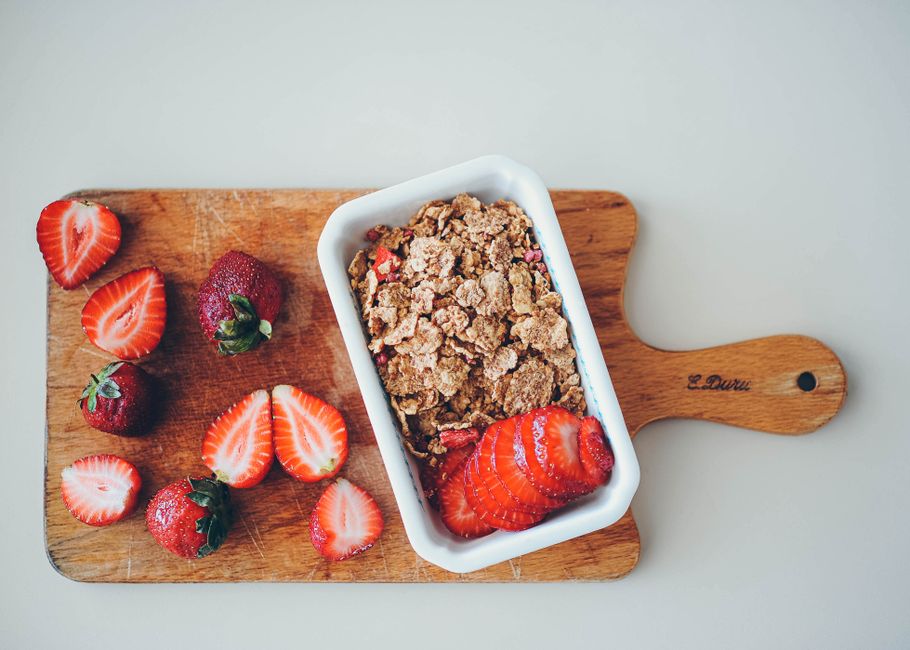
**Scrambled Eggs With Spinach and Whole-Grain Toast:** Whisk 2 large eggs with a splash of low-fat milk and cook over medium-low heat with 1 cup fresh spinach. Serve with 1 slice of **whole-grain toast** (look for 3+ grams of fiber per slice). This combo delivers around 22 grams of protein and keeps you full past mid-morning.
**Greek Yogurt Parfait With Mixed Berries and Granola:** Layer ¾ cup **plain non-fat Greek yogurt** with ½ cup mixed berries and 2 tablespoons low-sugar granola. Greek yogurt brings 15–18 grams of protein per serving, and the berries add antioxidants without spiking blood sugar. Assemble the night before for a zero-effort morning.
**Overnight Oats With Chia Seeds and Apple:** Combine ½ cup rolled oats, 1 tablespoon **chia seeds**, ¾ cup unsweetened almond milk, and a pinch of cinnamon in a jar — refrigerate overnight. Top with ½ a diced apple in the morning. Chia seeds add omega-3s and fiber that slow digestion for hours.
- **Swap:** Use oat milk if avoiding tree nuts
- **Swap:** Replace apple with banana for extra potassium
Lunch Recipes (~330–360 Calories)
**Grilled Chicken Salad With Avocado and Cucumber:** Slice 4 oz pre-grilled chicken breast over romaine, ¼ avocado, ½ cup cherry tomatoes, and ½ cup cucumber. Dress with 1 tablespoon olive oil and fresh lemon juice. **Avocado** provides heart-healthy fats that help absorb fat-soluble vitamins from the greens.
**Quinoa and Black Bean Salad With Lime Dressing:** Toss ½ cup cooked quinoa with ½ cup rinsed black beans, ¼ cup corn, red onion, and cilantro. Drizzle with lime juice, cumin, and 1 teaspoon olive oil. This **plant-based lunch** delivers complete protein from the quinoa-bean combo — ideal for meatless days.
**Turkey and Hummus Wrap:** Spread 2 tablespoons **hummus** on a whole-wheat tortilla (100-calorie size), layer 3 oz sliced lean turkey, romaine, and 2 tomato slices. Hummus replaces mayo for a fiber and protein boost at a fraction of the saturated fat.
- **Swap:** Use a large lettuce leaf instead of a tortilla for lower carbs
- **Swap:** Canned tuna or leftover salmon works in place of turkey
Dinner Recipes (~380–420 Calories per Serving)
**Baked Salmon With Roasted Vegetables and Quinoa:** Preheat oven to 400°F. Place a 5 oz **salmon fillet** on a parchment-lined sheet pan with 1 cup broccoli florets and ½ cup sliced bell peppers tossed in olive oil, garlic powder, and paprika. Roast 18–20 minutes and serve over ½ cup cooked quinoa. Salmon is rich in **omega-3 fatty acids** that support metabolism and reduce inflammation linked to weight gain.
**Slow Cooker Turkey Chili With Beans:** Combine 1 lb cooked lean ground turkey, 1 can diced tomatoes, 1 can rinsed kidney beans, 1 cup low-sodium broth, diced bell pepper, onion, chili powder, and garlic in a slow cooker. Cook on low 6–8 hours. Each **1.5-cup serving** delivers around 380 calories and 30+ grams of protein — freeze two portions for later in the week.
**Grilled Lean Beef With Sweet Potatoes and Broccoli:** Season a 4 oz **90% lean beef patty** with salt, pepper, and garlic and grill 4–5 minutes per side. Serve with ½ cup roasted sweet potato cubes and 1 cup steamed broccoli. Sweet potatoes provide complex carbs and beta-carotene, while broccoli adds compounds linked to improved metabolic health.
- **Swap:** Use chicken thigh or tofu for a lower-fat or plant-based version
- **Tip:** Don’t skip the sweet potato — complex carbs at dinner support overnight glycogen replenishment
Snack Ideas (100–150 Calories)
Snacks on a 1,200 calorie plan are strategic, not optional. A well-timed snack prevents overeating at dinner and keeps afternoon energy stable. Focus on **protein-and-fiber combinations** to maximize satiety per calorie.
- **Apple slices with 1 tablespoon almond butter** (~150 cal): natural sugar plus healthy fat and protein
- **Carrot sticks and celery with 2 tablespoons hummus** (~80 cal): crunchy, filling, micronutrient-rich
- **Small handful of mixed nuts** (~160 cal — measure carefully): calorie-dense, so always pre-portion
- **½ cup berries with cottage cheese** (~120 cal): high protein, low sugar, great afternoon reset
Always **pre-portion snacks** into small containers at the start of the week to prevent accidental overeating straight from the bag.
Meal Swaps and Substitutions
Flexibility is what keeps a [meal plan for weight loss](https://sieunjaye.blog/category/meal-plan/) sustainable long-term. Rigid plans fail — adaptable ones stick.
**Carb Swaps:** Replace ½ cup cooked grains with 1 extra cup of non-starchy vegetables like zucchini, cauliflower, or spinach. You eat more volume for fewer calories, which directly reduces hunger. Cauliflower rice is a US pantry staple that replaces regular rice at roughly one-quarter the calories.
**Sugar and Snack Swaps:** Swap packaged granola bars (often 200+ calories) with a piece of fruit and a hard-boiled egg (~120 cal combined). Replace flavored yogurts with **plain Greek yogurt** plus a teaspoon of honey to cut added sugars by 10–15 grams per serving.
| Original Ingredient | Dairy-Free Swap | Gluten-Free Swap |
|---|---|---|
| Greek yogurt | Coconut or almond yogurt | Already GF |
| Whole-grain toast | Avocado on rice cakes | Certified GF bread |
| Whole-wheat wrap | Large collard green leaf | Corn tortilla |
| Cow’s milk in oats | Unsweetened oat milk | Already GF |
Most swaps keep calorie counts within 20–30 calories of the original, so the overall plan stays intact.
Tips for Staying on Track
Consistency over perfection drives real results. Missing one meal or going 100 calories over on a given day does **not** derail progress — it’s the weekly pattern that determines outcomes.
- **Log food for the first two weeks** using a free app like Cronometer or MyFitnessPal to calibrate portions visually
- **Drink a full glass of water before each meal** — thirst is frequently misread as hunger, especially mid-afternoon
- **Plan one flexible meal per week** where you eat socially without strict tracking to prevent all-or-nothing thinking
- Aim for **7–8 hours of sleep** — sleep deprivation raises the hunger hormone ghrelin and makes calorie targets significantly harder to hit
Batch cooking on Sundays is the single highest-impact habit on this plan. Two hours of prep — proteins, grains, chopped vegetables — eliminates the willpower drain of deciding what to cook every evening.
Frequently Asked Questions (FAQ)
How do I calculate the right daily calorie intake for me?
Use your **Total Daily Energy Expenditure (TDEE)** as a baseline — free online calculators estimate this from age, height, weight, and activity level. A 500–750 calorie daily deficit from your TDEE typically produces safe, steady weight loss. A 1,200 calorie target suits shorter or less active women; taller individuals or more active people may need 1,400–1,600 calories to avoid nutrient deficiencies.
How do I get enough nutrients on only 1,200 calories a day?
Focus on **nutrient density** — every calorie should deliver vitamins, minerals, protein, or fiber. Prioritize leafy greens, lean proteins, legumes, and healthy fats at each meal. A daily multivitamin can fill gaps for iron, B12, and vitamin D, which are harder to reach at lower calorie intakes. If following this plan longer than 4 weeks, a check-in with a registered dietitian is a smart next step.
What are the easiest snacks to prep for this plan?
The simplest snacks need zero cooking: **hard-boiled eggs** (batch-cook 6 on Sunday), pre-portioned baby carrots with a 2-tablespoon hummus cup, or a small apple with a single-serve almond butter packet. These combinations deliver protein and fiber in the 100–150 calorie range and travel easily for work or school days.
Can I exercise while following a 1,200 calorie meal plan?
Light to moderate exercise — walking, yoga, cycling — pairs well with this plan. If you’re doing intense strength training or cardio sessions over 45 minutes, consider adding a 100–150 calorie protein-forward snack post-workout to support recovery without exceeding your daily target significantly.
What if I feel hungry between meals?
First, drink a full glass of water and wait 10 minutes — genuine hunger and thirst feel similar. If still hungry, add **non-starchy vegetables** like cucumber slices, celery, or a handful of mixed greens, which add volume and micronutrients for very few calories. Checking that each meal includes adequate protein (20+ grams) also reduces between-meal hunger significantly.
Top Product Recommendations
| Product Name | Rating | Key Feature | Est. Price | Action |
|---|---|---|---|---|
| Top-rated meal prep containers set | ★★★★★ | Editor-recommended meal prep containers set from this guide | $18–$42 | Check Lowest Price on Amazon |
| Best-value non-fat Greek yogurt | ★★★★☆ | Affordable non-fat Greek yogurt — strong everyday results | $12–$28 | Check Lowest Price on Amazon |
| Premium chia seeds bulk bag | ★★★★☆ | Higher-end chia seeds bulk bag for visible, lasting results | $45–$95 | Check Lowest Price on Amazon |
Affiliate Disclosure: This post contains affiliate links. We may earn a commission if you buy through our links, at no extra cost to you. Medical Disclaimer: This content is for informational purposes only and is not medical advice. Consult a healthcare professional before changing diet or exercise.
Leave a Reply