{# 1200 Calorie Meal Plan for Weight Loss: Easy Recipes That Actually Work
Cutting your daily intake to roughly 1,200 calories creates a sustainable calorie deficit that encourages your body to burn stored fat for energy. That number isn’t arbitrary — it sits near the threshold where most adults begin losing weight without triggering the starvation response that slows metabolism. The real key, though, is what fills those calories. When your 1,200-calorie day comes from whole, nutrient-dense foods, you stay satisfied, energized, and nourished from breakfast to bedtime.
This plan isn’t about surviving on tiny portions of boring food. It’s about making every bite count so you feel full and happy on fewer calories. The secret lies in lean protein, fiber-rich complex carbohydrates, and healthy fats working together to blunt hunger hormones and keep blood sugar stable. Below you’ll find complete breakfast, lunch, dinner, and snack options that taste great, require minimal cooking skill, and keep your daily total right around 1,200 calories.
—
Breakfast Options That Keep You Full Until Lunch
Breakfast sets the tone for your day, and these three options each deliver around 300 calories with a balanced mix of protein, fiber, and healthy fats.
Overnight Oats with Berries and Nuts
Combine half a cup of rolled oats, one-third cup of unsweetened almond milk, a quarter cup of plain Greek yogurt, and a half tablespoon of chia seeds in a jar the night before. Refrigerate overnight. In the morning, top with a quarter cup of mixed berries and a tablespoon of crushed walnuts. This combo gives you roughly 8 grams of protein, 7 grams of fiber, and steady energy that carries you through the morning without a crash. The oats provide slow-digesting carbs, while Greek yogurt adds a protein punch that curbs mid-morning cravings.
Scrambled Eggs with Spinach and Whole-Grain Toast
Whisk two large eggs with a splash of milk and cook gently in a nonstick pan over medium-low heat. Add a handful of fresh baby spinach and let it wilt into the eggs. Serve alongside one slice of toasted whole-grain bread spread with half an avocado. This breakfast delivers about 22 grams of protein and fills you up on roughly 320 calories. The healthy fats from avocado support brain function and help your body absorb fat-soluble vitamins from the spinach.
Greek Yogurt Parfait with Granola and Fresh Fruit
Layer six ounces of plain nonfat Greek yogurt with a quarter cup of low-sugar granola and a half cup of fresh mixed berries in a tall glass. Finish with a light drizzle of honey if you want a touch of sweetness. Greek yogurt is one of the most protein-dense breakfast foods available, packing roughly 15 grams per serving. The granola adds crunch and fiber, while berries contribute antioxidants without loading you up with excess sugar.
—
Quick pick: Compare top-rated Meal Plan options.
Lunch Choices Under 400 Calories
Lunch is where many people slip up by choosing restaurant meals or pre-packaged foods loaded with hidden calories. These three options are quick to assemble and keep you satisfied through the afternoon slump.
Grilled Chicken Salad with Avocado and Quinoa
Start with a base of two cups of mixed greens. Add four ounces of grilled chicken breast sliced thin, half a cup of cooked quinoa, half a sliced avocado, a quarter cup of halved cherry tomatoes, and sliced cucumber. Dress with one and a half tablespoons of olive oil and lemon juice. This salad totals approximately 480 calories and supplies a powerful combination of lean protein and complex carbs. Quinoa stands out because it contains all nine essential amino acids, making it a complete protein that supports muscle repair and satiety.
Turkey and Cheese Wrap with Lettuce and Tomato
Lay a whole-wheat tortilla flat and spread a thin layer of hummus across the center. Layer three ounces of sliced turkey deli meat, one slice of reduced-fat Swiss cheese, fresh lettuce leaves, sliced tomato, and a few rings of red onion. Roll tightly and slice diagonally. This wrap comes in around 380 calories and provides roughly 28 grams of protein. Using hummus instead of mayo adds creaminess with far less fat, and the whole-wheat tortilla contributes fiber that slows digestion.
Veggie-Packed Stir-Fry with Brown Rice
Cook half a cup of dry brown rice according to package directions. Meanwhile, stir-fry one cup of mixed vegetables — bell peppers, broccoli, snap peas, carrots, and mushrooms — in a hot wok with one teaspoon of sesame oil and two tablespoons of low-sodium soy sauce. Add three ounces of firm tofu or pre-cooked shrimp for protein. Serve the veggies over the brown rice. This dish totals approximately 420 calories and floods your body with vitamins, minerals, and phytonutrients from the colorful vegetable mix.
—
Dinner Recipes Around 350 Calories
Dinner should be satisfying but not so heavy that you feel stuffed before bed. These recipes use lean proteins and vegetables to create filling meals that won’t sabotage your calorie budget.
Baked Salmon with Sweet Potato and Steamed Broccoli
Preheat your oven to 400°F. Place a five-ounce salmon fillet on a parchment-lined baking sheet, season with lemon zest, garlic powder, salt, and pepper, and bake for 12 to 15 minutes until it flakes easily. While the salmon bakes, roast one small cubed sweet potato drizzled with olive oil for 20 to 25 minutes. Steam one cup of fresh broccoli florets for four to five minutes until tender-crisp. This dinner delivers roughly 460 calories, a strong dose of omega-3 fatty acids from the salmon, and gut-friendly fiber from the sweet potato.
Slow Cooker Turkey Chili with Beans and Vegetables
Brown one pound of ground turkey in a skillet, then transfer to a slow cooker. Add one can of diced tomatoes, one can of kidney beans (drained and rinsed), one can of black beans (drained and rinsed), two cups of low-sodium chicken broth, one diced onion, two minced garlic cloves, one diced bell pepper, and two tablespoons of chili powder with cumin. Cook on low for six to eight hours. One generous cup of chili contains roughly 290 calories and delivers more than 20 grams of protein. Beans are particularly valuable here because their combination of protein and resistant starch keeps you full long after eating.
Grilled Shrimp Skewers with Zucchini Noodles and Tomato Sauce
Thread 12 large peeled shrimp onto metal or soaked wooden skewers. Brush with olive oil, season with paprika, garlic powder, and a squeeze of lime. Grill over medium-high heat for two to three minutes per side until pink and opaque. Spiralize one medium zucchini into noodles, sauté briefly in olive oil, and top with half a cup of warmed marinara sauce. This light yet satisfying dinner comes to approximately 340 calories. Shrimp is remarkably low in fat and provides selenium, vitamin B12, and iodine that supports thyroid function.
—
Smart Snacks to Bridge the Gap Between Meals
Snacking strategically prevents the blood sugar dips that lead to overeating at the next meal. These three options each land between 100 and 180 calories and require zero cooking.
Apple Slices with Almond Butter
Core one medium apple and slice it into wedges. Serve with one tablespoon of natural almond butter for dipping. The fiber from the apple paired with the protein and healthy fats in almond butter creates a snack that satisfies both sweet cravings and the urge to chew. This combination runs approximately 180 calories and provides sustained energy without spiking blood sugar.
Carrot Sticks and Hummus
Cut one large carrot into thick sticks and arrange them alongside a quarter cup of hummus. Carrots are rich in beta-carotene, which your body converts to vitamin A for eye health and immune function. The tahini in hummus adds calcium and healthy monounsaturated fats. This snack totals roughly 120 calories and is crunchy enough to satisfy the desire for something textured.
Hard-Boiled Egg and Cherry Tomatoes
Prepare two hard-boiled eggs ahead of time by boiling them for ten minutes and cooling in an ice bath. Pair with a handful of cherry tomatoes — about ten to twelve — and season the eggs with a sprinkle of everything bagel seasoning or just salt and pepper. This snack provides roughly 160 calories, 12 grams of protein, and a complete nutritional profile from the eggs. Meal-prepping eggs on Sunday means you have grab-and-go protein ready all week.
—
Meal Prep Strategy: Save Time and Stay on Track
One of the biggest reasons people abandon calorie-controlled eating is lack of planning. When hunger hits and nothing healthy is ready, it’s all too easy to reach for fast food or processed snacks. A simple weekend meal prep session solves this problem entirely.
Dedicate 60 to 90 minutes on Sunday to batch-cook your proteins and grains. Roast two to three pounds of chicken breast, cook a large pot of quinoa or brown rice, and hard-boil a dozen eggs. Wash and chop vegetables so they’re ready to throw into salads or stir-fries. Store everything in airtight glass containers in the refrigerator. Most cooked proteins and grains stay fresh for four to five days. Building a structured meal plan that you can reference at a glance removes the daily decision fatigue that derails most weight loss efforts.
Invest in a set of clear meal prep containers so you can see exactly what you have at a glance. Label each container with the day of the week and contents. When it’s time to eat, grab a pre-made lunch or dinner and go. Research consistently shows that people who meal prep consume fewer calories and make healthier food choices throughout the week.
—
Common Mistakes and How to Fix Them
Avoiding these pitfalls is just as important as choosing the right foods.
Skipping Protein at Breakfast
Many people reach for a coffee and a banana in the morning, thinking they’re saving calories. Instead, they feel famished by 10 a.m. and over-snack. Always include at least 15 grams of protein in your morning meal, whether from eggs, Greek yogurt, or overnight oats made with protein-rich dairy.
Over-Pouring Dressings and Sauces
A salad that should be 350 calories becomes a 600-calorie trap when you drizzle on three tablespoons of ranch dressing. Use a tablespoon measuring spoon for dressings, or switch to vinegar-based dressings, lemon juice, or salsa as low-calorie alternatives.
Not Weighing Portions
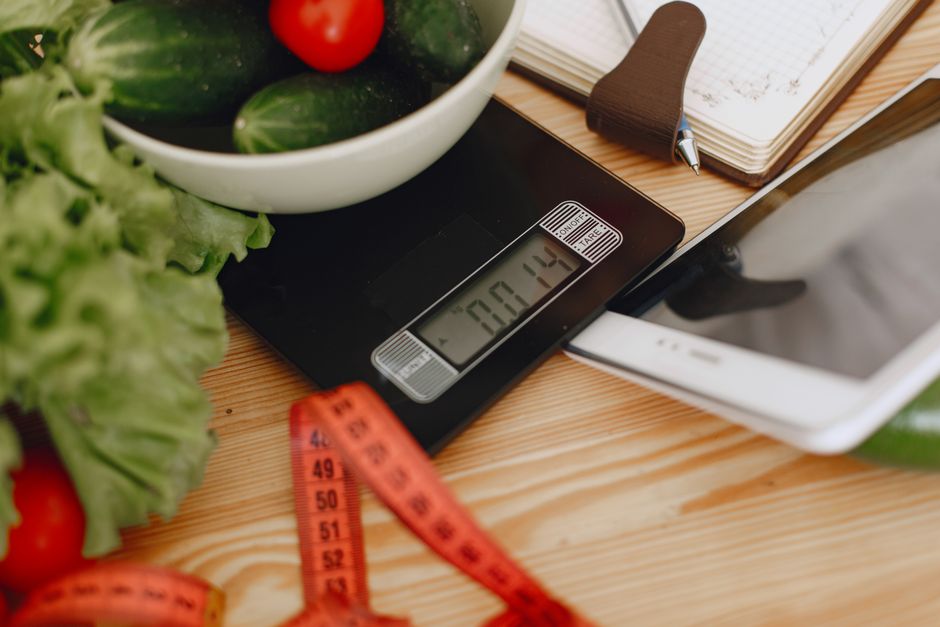
The difference between a 3-ounce piece of salmon and a 6-ounce piece is an extra 200 calories you didn’t account for. Use a simple digital food scale for proteins at least three times per week until you develop a reliable eye for proper portions.
Choosing “Low-Fat” Processed Foods
Manufacturers often add sugar and refined starches to low-fat products to compensate for lost flavor, which can drive hunger and overeating. Choose whole foods first and read ingredient lists. If the list has more than five items you can’t pronounce, put it back on the shelf.
—
Daily Calorie Breakdown at a Glance
| Meal | Approximate Calories | Protein (g) | Best For |
|---|---|---|---|
| Breakfast | 300–330 | 15–22 | Steady morning energy |
| Lunch | 380–480 | 22–30 | Afternoon focus and satiety |
| Dinner | 320–460 | 20–30 | Evening recovery and fullness |
| Snacks (3 total) | 300–450 | 12–18 | Curbing hunger between meals |
This breakdown ensures your body receives adequate fuel at each stage of the day while keeping your total intake between 1,180 and 1,300 calories. Adjust portions slightly based on your activity level — more active individuals may need an extra snack or a slightly larger dinner serving.
—
Substitutions and Swaps for Every Preference
Flexibility is what makes any meal plan sustainable long-term. Here are smart swaps to customize this plan to your taste and nutritional needs.
- **Dairy-free?** Replace Greek yogurt with coconut yogurt and use oat milk in overnight oats. Check that hummus is tahini-free if you have a sesame allergy.
- **Vegetarian?** Swap the turkey or chicken in recipes for an extra serving of quinoa, tofu, or tempeh. Black beans and lentils work beautifully in the chili recipe.
- **Gluten-free?** Verify that your whole-wheat products are labeled gluten-free, or substitute with quinoa, rice, or certified gluten-free oats in all recipes.
- **Higher protein needs?** Add an extra hard-boiled egg to any meal, increase chicken breast portions by one ounce, or stir a scoop of plain protein powder into your morning oats.
These swaps keep your meals exciting and prevent the boredom that leads to plan abandonment. The best meal plan is one you can stick to consistently.
—
Frequently Asked Questions (FAQ)
Can I follow a 1200 calorie meal plan if I exercise regularly?
Yes, but you may need to adjust portions slightly upward. If you burn 300 to 500 calories through exercise, adding a post-workout snack — such as a protein shake with fruit — brings your intake back to a healthy range for active individuals. Pay attention to energy levels and hunger cues. If you feel constantly depleted, increase your calorie target to 1,400 or 1,500 rather than powering through on too few calories.
How do I track calories without obsessively weighing every bite?
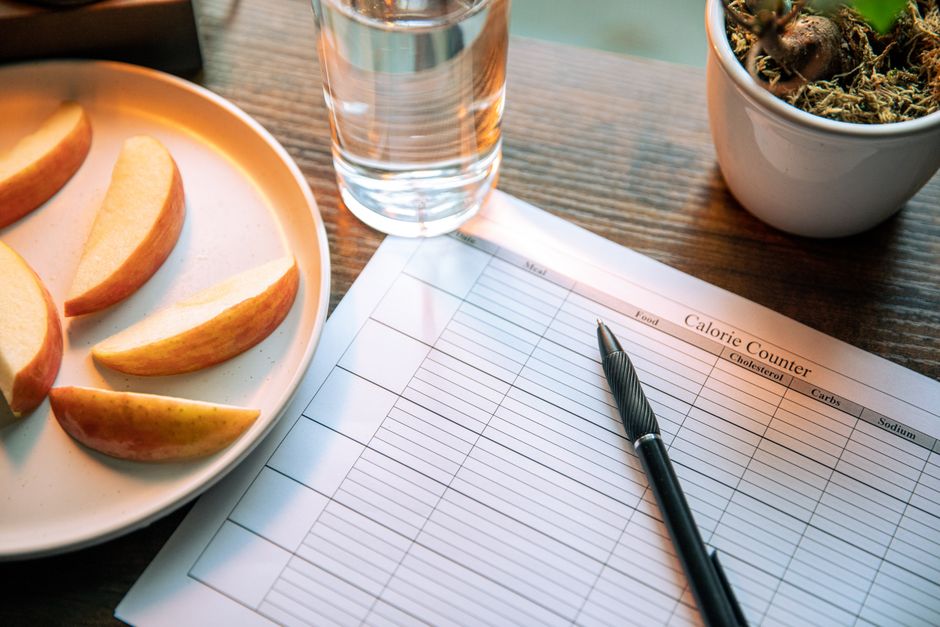
Use a smartphone app like MyFitnessPal or Lose It! to log meals. Start with portion estimates — a palm-sized piece of chicken is roughly four ounces, a cupped hand equals a half cup of grains. After a few weeks of logging, you’ll develop an intuitive sense of serving sizes without needing to weigh everything. Consistency matters more than perfection.
Is 1200 calories safe for everyone to follow long-term?
This calorie level is generally safe for most healthy adults, but it may be too low for teenagers, pregnant or breastfeeding women, or individuals with certain medical conditions. If you experience persistent fatigue, hair loss, missed periods, or difficulty concentrating, increase your intake and consult a healthcare professional. Sustainable weight loss happens at a pace of one to two pounds per week, which doesn’t always require eating at the absolute lowest calorie threshold.
What’s the biggest mistake people make when starting a meal plan for weight loss?
Underestimating portion sizes and overestimating how healthy a meal is. Restaurant portions, for example, often contain two to three times what you’d serve yourself at home. One of the most effective habits you can build is preparing your own meals using a simple weekly meal plan — it gives you complete control over every ingredient and every calorie that goes into your body.
Top Product Recommendations
| Product Name | Rating | Key Feature | Est. Price | Action |
|---|---|---|---|---|
| Top-rated meal prep containers glass set | ★★★★★ | Editor-recommended meal prep containers glass set from this guide | $18–$42 | Check Lowest Price on Amazon |
| Best-value digital food scale for portion control | ★★★★☆ | Affordable digital food scale for portion control — strong everyday results | $12–$28 | Check Lowest Price on Amazon |
| Premium low calorie salad dressing brands | ★★★★☆ | Higher-end low calorie salad dressing brands for visible, lasting results | $45–$95 | Check Lowest Price on Amazon |
Affiliate Disclosure: This post contains affiliate links. We may earn a commission if you buy through our links, at no extra cost to you. Medical Disclaimer: This content is for informational purposes only and is not medical advice. Consult a healthcare professional before changing diet or exercise.
Leave a Reply