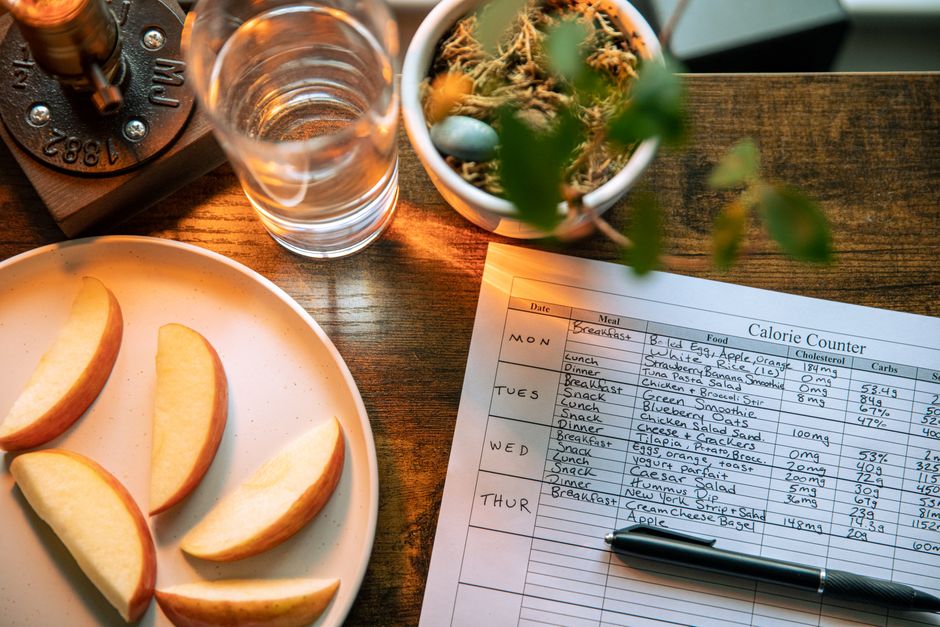
Creating a Weekly Meal Plan on a Budget
A solid **meal plan** is one of the most powerful tools a home cook can use to save money, reduce food waste, and eat healthier without spending hours in the kitchen every day. The key to making a budget-friendly meal plan work is starting with a realistic assessment of what you and your household actually need. Begin by taking inventory of what you already have in your pantry, refrigerator, and freezer. This quick audit prevents you from buying duplicates and gives you a clear picture of your starting point.
When sourcing affordable and nutritious ingredients, focus on staples that deliver maximum nutrition per dollar. Dry beans, lentils, whole grains like brown rice and oats, eggs, canned tomatoes, and seasonal produce from your local grocery store or farmers market are all exc nt foundations. Buying store brands instead of name brands on proteins and dairy can shave 20 to 30 percent off your grocery bill without sacrificing quality. Frozen vegetables are equally nutritious as fresh and often cost far less while lasting much longer in the freezer.
Balancing nutritional needs with what your family actually enjoys eating is the secret to a sustainable meal plan. A meal plan that nobody likes will end up in the trash along with the food inside it. Build variety by rotating protein sources throughout the week — chicken, ground turkey, beans, eggs, and canned fish like tuna or salmon all offer strong nutrition at accessible prices. Always account for dietary restrictions or preferences, whether someone in the household needs gluten-free options or prefers plant-based meals, and mark those accommodations clearly on your plan.
Quick pick: Compare top-rated Meal Plan options.
Meal Prep Recipes for Busy Weeknights
Weeknight dinners do not have to feel like a second job. With the right **meal prep** approach, you can have healthy, satisfying dinners on the table in under 30 minutes even on your busiest days. The secret is doing as much work as possible before the week begins. Spend an hour or two on Sunday afternoon washing and chopping vegetables, cooking grains, and batching proteins like grilled chicken breast or seasoned ground beef. When dinner time arrives, all the heavy lifting is already done.
One of the most reliable busy-weeknight strategies is the sheet pan dinner method. Toss chicken thighs, broccoli, bell peppers, and red onion with olive oil, garlic, and your favorite seasoning blend, spread everything on a single sheet pan, and roast at 425°F for 25 to 30 minutes. This dinner requires roughly 10 minutes of active prep and produces enough food for four servings with leftovers for lunch the next day. Prep time: 10 minutes. Cook time: 30 minutes. Servings: 4.
Another weeknight lifesaver is a build-your-own grain bowl. Batch-cook a large pot of quinoa or farro over the weekend, then pair it with pre-cooked black beans, diced tomatoes, corn, shredded cabbage, and a simple homemade dressing. These bowls travel well for packed lunches, satisfy a wide range of taste preferences, and take under 5 minutes to assemble when the prep work is already done. Swaps are easy — substitute chickpeas for the black beans to change the flavor profile or switch from quinoa to brown rice for a different texture.
Making Meal Prep Easier with Meal Planning Tools
Technology has made sticking to a meal plan far more manageable than it was even five years ago. A variety of meal planning apps and websites allow you to browse recipes, auto-generate shopping lists, and track your nutritional goals all from your phone or desktop. Some of the most popular free or low-cost options include plan-by-meal planners that let you drag and drop recipes into a weekly calendar, automatically consolidate ingredients by category, and flag duplicate purchases across multiple meals.
Creating a personalized meal prep schedule is one of the most impactful changes you can make to your routine. Block out a specific time each week — many home cooks find Sunday afternoon works best — for planning meals, building your grocery list, and doing batch prep. Treat this block like an important appointment that cannot be rescheduled. Consistency transforms meal planning from a sporadic effort into a natural habit that saves you time and stress every single week.
Organizing your kitchen for efficient meal prep is equally important. Clear shelf space at eye level for the ingredients and containers you use most frequently. Invest in a set of clear, stackable meal prep containers so you can see exactly what is inside each one without opening the lid. Label containers with the day of the week and a brief description of the contents using a simple masking tape and marker system. A well-organized kitchen makes the actual cooking and storage process noticeably faster and far less frustrating.
Meal Planning for Different Dietary Restrictions
Families and individuals with specific dietary needs benefit enormously from proactive meal planning. When you plan your meals in advance, you can ensure that every dish meets the necessary nutritional or allergy-related requirements without scrambling at the last minute. The goal is to build menus that feel inclusive and satisfying rather than restrictive or clinical.
For gluten-free meal planning, focus on naturally gluten-free whole foods like lean meats, fish, vegetables, fruits, legumes, and gluten-free grains such as quinoa, rice, and certified gluten-free oats. When using prepared sauces, broths, or marinades, always check the label for hidden gluten ingredients like wheat flour or soy sauce that may contain gluten. Swaps are simple — use tamari or coconut aminos instead of regular soy sauce, and substitute cornstarch or arrowroot powder for thickening sauces that would otherwise require wheat flour.
Dairy-free and vegan meal planning requires attention to protein and calcium sources since animal-based dairy is off the table. Fortified plant milks, tofu made with calcium sulfate, canned sardines or salmon with soft edible bones, leafy greens like kale and collard greens, and fortified cereals all help close nutritional gaps. When cooking for mixed households where some members eat dairy and others do not, prepare the base dish without dairy and let each person add cheese or cream at the table if desired.
Families with food allergies should always read ingredient labels carefully and keep a dedicated space in the pantry and refrigerator for allergen-free items to prevent cross-contamination. Planning meals around a single base recipe with customizable add-ons is one of the most effective strategies for feeding a table with diverse needs. For example, a taco night using seasoned ground meat or black beans can easily accommodate dairy-free, gluten-free, and omnivorous eaters simultaneously.
Meal Prep Ideas for High Protein Diets
Athletes, fitness enthusiasts, and anyone looking to increase their daily protein intake can benefit from strategic meal prep that prioritizes lean proteins without blowing the weekly food budget. High-protein meal prep does not require expensive protein powders or specialty supplements. Whole food protein sources are often more affordable, more satisfying, and more nutritious than their processed counterparts.
Eggs are one of the most versatile and budget-friendly high-protein ingredients available. A batch of baked egg muffins — whisked eggs poured into a muffin tin with spinach, diced bell pepper, and shredded cheese — bakes in about 20 minutes and produces 12 individual servings. Each muffin delivers roughly 6 to 8 grams of protein. Prep time: 10 minutes. Cook time: 20 minutes. Servings: 12. Store them in the refrigerator for up to 5 days and reheat two or three at a time for a quick breakfast or snack.
Chicken breast marinated in lemon juice, garlic, olive oil, and dried herbs is another meal prep staple that works across multiple meals. Bake three to four pounds of marinated chicken breast at 375°F for 25 to 30 minutes, slice or dice it, and portion it into containers paired with roasted vegetables and a starch like sweet potato or brown rice. Chicken breast protein: approximately 31 grams per 3.5-ounce serving. Swaps include turkey breast, firm tofu marinated the same way, or boneless pork loin for variety.
Other affordable high-protein meal prep ingredients include canned tuna, Greek yogurt, cottage cheese, ground turkey, and lentils. A single pot of red lentil soup made with diced carrots, celery, onion, canned tomatoes, and vegetable broth delivers approximately 9 grams of protein per cup and costs well under $2 per serving. Batch-cooking legumes like black beans or chickpeas also provides a plant-based protein foundation for burrito bowls, salads, and grain bowls that hold up well in the refrigerator for several days.
Meal Planning on a Budget: Saving Money without Sacrificing Taste
One of the most compelling reasons to adopt a weekly meal plan is the real and measurable savings it delivers. Studies consistently show that households who plan their meals and shop with a written list spend significantly less on groceries than those who shop without a plan. The mechanism is straightforward — when you know exactly what you need, you are far less likely to make impulse purchases at the checkout line or buy ingredients for recipes you will never actually cook.
Bulk cooking is one of the most powerful budget-stretching techniques available to home cooks. Preparing large batches of versatile base ingredients like grilled chicken, cooked rice, roasted vegetables, and homemade tomato sauce once per week gives you the raw materials for dozens of different meals throughout the week. A $12 rotisserie chicken from the deli becomes four to six meals when you stretch the meat into salads, wraps, stir-fries, and soups.
Buying ingredients in season and on sale is a straightforward way to cut costs without reducing nutritional quality. Build your weekly meal plan around whatever produce is on sale at your local store rather than forcing ingredients that are out of season and therefore expensive. Frozen produce is another exceptional value — it costs less than fresh, lasts for months, and retains nearly all of its nutritional content. A simple comparison illustrates the point:
| Fresh vs. Frozen Produce | Average Cost per Pound | Shelf Life | Nutritional Retention |
|---|---|---|---|
| Fresh green beans | $3.49–$4.99 | 3–5 days in refrigerator | High |
| Frozen green beans | $1.49–$2.29 | 6–12 months in freezer | 80–90% retained |
| Fresh blueberries | $5.99–$7.99 | 5–7 days refrigerated | High |
| Frozen blueberries | $2.99–$4.49 | 10–12 months in freezer | Comparable |
Batch-cooking grains like rice, quinoa, and pasta in large quantities also stretches your grocery dollar. Cook a big pot of brown rice on Sunday and use it throughout the week in burrito bowls, stir-fries, grain salads, and side dishes. The cost per serving of home-cooked grains is a fraction of the cost of pre-packaged convenience versions.
Staying Organized and on Track with Meal Planning
Consistency is what transforms meal planning from a sporadic experiment into a lasting habit that genuinely improves your daily life. The most effective strategy for staying on track is building a simple, repeatable system that does not require willpower or intense motivation to maintain. Start with a single weekly ritual — sit down once a week, preferably on the same day and time, and write out your plan for the coming week.
Keeping a meal prep schedule and actually sticking to it is where many home cooks struggle. Build your schedule around realistic expectations for your lifestyle. If Sunday afternoons are chaotic with kids’ activities, move your meal prep session to Saturday morning or even a weeknight when things are calmer. Even 30 minutes of focused prep work is better than nothing and will make your weekday dinners noticeably easier.
Tips for staying organized during meal prep sessions include clearing your counters before you start, processing all vegetables first before handling raw proteins to prevent cross-contamination, and working in assembly-line fashion when preparing multiple containers. Lay out all your containers, label them, and fill them sequentially rather than bouncing between tasks. This approach keeps the workspace clean, reduces the mental load, and gets the job done faster.
Burnout is a real risk for anyone who dives into meal prep with too much ambition too quickly. Avoid the trap of planning elaborate, multi-course meals for every day of the week when you are just starting out. Begin with a simple plan covering three or four dinners and one or two packed lunches. Build your confidence and expand from there. Celebrating small wins — a week of dinners you did not have to figure out at 6 p.m. — is a powerful motivator that keeps the habit alive.
Frequently Asked Questions (FAQ)
What are some easy meal prep recipes for beginners?
Beginners should start with recipes that require minimal active cooking time and use ingredients that are hard to mess up. Overnight oats — combine rolled oats, your choice of milk, a splash of vanilla, and a tablespoon of maple syrup or honey in a jar, refrigerate overnight, and top with fresh fruit in the morning — is an exc nt entry point. Each batch makes 2 to 4 servings depending on your appetite. Prep time: 5 minutes. No cooking required. Other beginner-friendly options include pre-made mason jar salads, chicken and vegetable sheet pan dinners, and build-your-own grain bowls. These recipes require basic knife skills and a single cooking vessel, making them approachable for anyone who is new to cooking.
How can I make my meal prep more efficient and save time?
Efficiency in meal prep comes from two sources: doing as much work as possible before cooking begins, and using tools that reduce active cooking time. Wash, peel, and chop all vegetables in a single session before you start any recipes. Cook proteins and grains in batches large enough to last several days. Invest in a slow cooker, pressure cooker, or sheet pan roasting method that allows you to set the ingredients and walk away while dinner cooks itself. A pressure cooker can transform dried beans — which require soaking and long cook times — into a weeknight-ready ingredient in under an hour, eliminating the need for expensive canned beans while saving you money and time.
How do I accommodate different dietary restrictions in my meal planning?
The most effective approach is to design meals around a single base that can be easily adapted for different dietary needs rather than cooking entirely separate meals for each person. A roasted chicken and vegetable base works for gluten-free, dairy-free, and omnivorous eaters when you skip the flour-based sauces and add dairy or gluten ingredients at the table rather than during cooking. Labeling containers clearly with any allergens they contain helps prevent accidental exposure in households where food allergies are a concern. Keeping a running note of what works and what does not — favorite swaps, failed experiments, and approved brand products — builds a personalized resource that makes future meal planning faster and easier.
What are some affordable ingredients for high-protein meal prep recipes?
Eggs, canned tuna, Greek yogurt, cottage cheese, chicken breast, ground turkey, lentils, and chickpeas are among the most affordable high-protein ingredients available in any standard American grocery store. Buying dried beans and lentils in bulk and cooking them at home is the most economical approach, costing roughly $0.10 to $0.20 per serving compared to $0.50 or more for canned versions. Rotisserie chickens, often priced between $5 and $8, provide multiple meals worth of lean protein for a fraction of what you would spend buying individual chicken breasts. Purchasing whole chickens and breaking them down yourself yields both breast meat for one meal and thighs or drumsticks for another, stretching your grocery dollar even further.
Top Product Recommendations
| Product Name | Rating | Key Feature | Est. Price | Action |
|---|---|---|---|---|
| Best Meal Plan Pick | ★★★★★ | Top-rated overall | $25–$45 | Check Lowest Price on Amazon |
| Budget Meal Plan Option | ★★★★☆ | Great for beginners | $12–$28 | Check Lowest Price on Amazon |
| Premium Meal Plan Choice | ★★★★☆ | Pro-level results | $50–$90 | Check Lowest Price on Amazon |
Affiliate Disclosure: This post contains affiliate links. We may earn a commission if you buy through our links, at no extra cost to you. Medical Disclaimer: This content is for informational purposes only and is not medical advice. Consult a healthcare professional before changing diet or exercise.
Leave a Reply