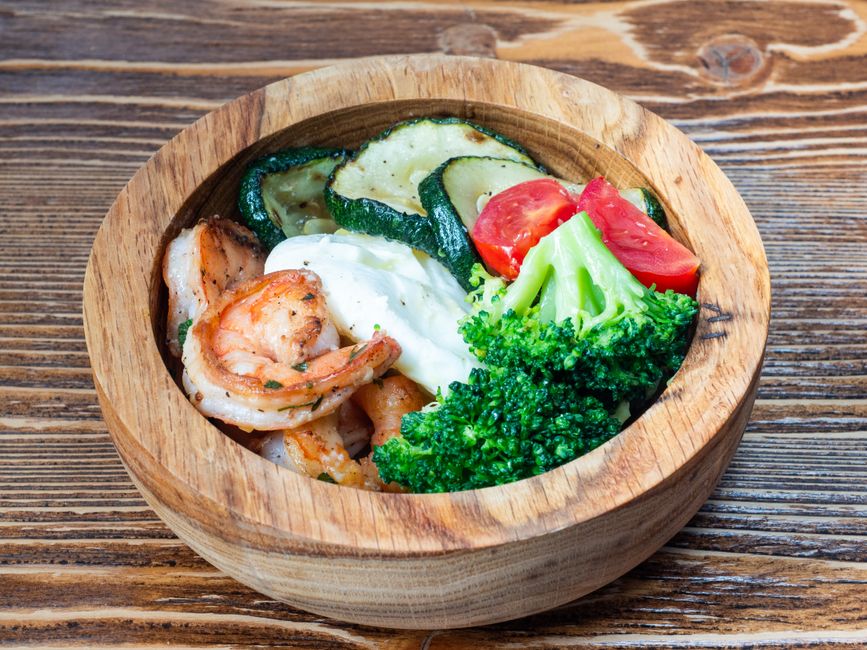
What Is the Keto Diet?
The ketogenic diet is a high-fat, moderate-protein, and very low-carbohydrate eating approach designed to shift your body into a metabolic state called ketosis. When you restrict carbs to roughly 20–25 grams per day, your liver begins converting fat into molecules called ketones, which serve as an alternative fuel source for your brain and muscles. Instead of burning glucose from bread, pasta, and sugar, your body becomes remarkably efficient at burning its own fat stores. This metabolic switch is what makes a structured meal-plan approach so effective for weight management and sustained energy.
Quick pick: Compare top-rated Meal Plan options.
Why a Keto Meal Plan Works Better Than Wingin
Following a specific meal-plan strategy removes the guesswork that derails most beginners. When you map out your breakfast, lunch, dinner, and snacks in advance, you eliminate impulsive high-carb choices that can knock you out of ketosis before lunch. A well-designed keto meal-plan keeps your daily net carbohydrates consistently below 20 grams, which is the threshold most people need to stay in fat-burning mode. Beyond carb control, structured planning naturally keeps your portions in check and ensures you hit your fat and protein targets without overthinking every meal.
Essential Keto Pantry Staples
Stocking your kitchen with the right ingredients makes keto feel effortless instead of restrictive. In your pantry, you want to keep extra-virgin olive oil, avocado oil, and coconut oil on hand for cooking and dressings. Almond flour and coconut flour are invaluable for low-carb baking and breading. Look for sugar-free condiments like hot sauce, mustard, and full-fat mayo. For sweeteners, stevia and monk fruit are exc nt options that won’t spike blood sugar. Unsalted grass-fed butter and heavy whipping cream open up endless breakfast and cooking possibilities.
Fresh Produce and Protein for Your Meal Plan
Focus your produce choices on vegetables that grow above ground and are naturally low in carbohydrates. Spinach, kale, arugula, broccoli, cauliflower, zucchini, bell peppers, asparagus, and cucumbers should fill your crisper drawers. Avocados provide healthy fats and fiber, while berries such as strawberries and raspberries work in moderation. For proteins, build your weekly shopping around eggs, chicken thighs and breasts, ground beef, wild-caught salmon, shrimp, bacon, pork chops, and turkey. Full-fat cheese, cream cheese, and Greek yogurt round out your protein and fat intake.
Day 1–3: Your First Three Days on the Plan
Day 1 starts with a spinach and cheddar omelet cooked in butter, served with black coffee or tea with heavy cream. For lunch, enjoy a grilled chicken salad tossed with extra-virgin olive oil and lemon juice over mixed greens. Dinner features air-fried salmon fillets with roasted asparagus drizzled with olive oil. Snack on a handful of macadamia nuts or sugar-free fat bombs made with cream cheese and cocoa powder.
Day 2 brings two strips of crispy turkey bacon and two fried eggs with half an avocado for breakfast. Lunch is a classic Cobb salad with hard-boiled eggs, crumbled bacon, blue cheese, and sliced chicken breast. Make dinner a hearty stir-fry using ground beef, broccoli, bell peppers, and soy sauce cooked in avocado oil. A quick snack of cucumber slices with cream cheese dip keeps you satisfied between meals.
Day 3 keeps things simple with full-fat Greek yogurt topped with a small handful of blueberries and a sprinkle of chia seeds for breakfast. Lunch is a deconstructed egg salad served over lettuce leaves with sliced cheddar. For dinner, bake skin-on chicken thighs in the oven with garlic butter and serve with sautéed spinach. An ounce of string cheese makes a perfectly portioned afternoon snack.
Day 4–5: Keeping Momentum Going
Day 4 begins with scrambled eggs mixed with shredded cheddar and turkey bacon crumbles. Lunch is a hearty chicken thigh salad with ranch dressing, diced avocado, and bacon bits over crisp romaine. Serve dinner as pan-seared pork belly slices alongside quick-sautéed cabbage with caraway seeds. Snack on celery sticks filled with almond butter.
Day 5 starts with a straightforward two-egg scramble cooked in butter with sliced jalapeños and a side of turkey bacon. For lunch, build a deconstructed tuna bowl with canned tuna, sliced avocado, diced cucumber, and a drizzle of olive oil over mixed greens. Make dinner a skillet of garlic butter shrimp paired with cauliflower rice. An ounce of roasted pecans holds off hunger until the next meal.
Day 6–7: Finishing the Week Strong
Day 6 features a breakfast burrito wrapped in a low-carb tortilla, stuffed with scrambled eggs, cheddar, bacon crumbles, and sliced avocado. Lunch is a straightforward bunless burger topped with cheese, lettuce, tomato, and pickles alongside a small side salad. Grill chicken thighs marinated in lemon and herbs for dinner, and serve with roasted broccoli and a pat of herb butter. Snack on pork rinds with guacamole.
Day 7 begins with make-ahead egg muffins baked with cheddar and pre-cooked breakfast sausage crumbled into the batter. Lunch is a classic lettuce-wrapped burger with all the fixings plus a side of coleslaw made with keto-friendly mayo. Finish the week with a ribeye steak pan-seared in butter with roasted bell peppers and zucchini on the side. A few squares of dark chocolate with a high cocoa percentage makes a satisfying end-of-week treat.
Keto Meal Prep Tips for the Week Ahead
Batch cooking on a single afternoon sets you up for seven days of effortless low-carb eating. Start by roasting two or three pounds of chicken thighs and a tray of mixed vegetables such as broccoli, cauliflower, and bell peppers at 400°F until golden. While the oven works, hard-boil a dozen eggs and brown two pounds of ground beef with onion and garlic, seasoning each portion differently so your meals feel varied throughout the week.
Invest in a set of clear meal-prep containers so you can grab a pre-portioned lunch or dinner in seconds. Label each container with the contents and the day you plan to eat it. Preparing grab-and-go snack packs of mixed nuts, cheese cubes, and sliced deli meat prevents mindless grazing on high-carb options when hunger strikes unexpectedly.
Prepping pantry staples ahead of time saves daily minutes. Wash and spin-dry your salad greens, slice cucumbers and bell peppers, and grate a bag of cheddar cheese on Sunday afternoon. Having these components ready means a complete low-carb meal comes together in under five minutes even on your busiest days.
| Prep Task | Time Needed | Serves |
|---|---|---|
| Roast chicken and vegetables | 35–40 minutes | 4–6 servings |
| Hard-boil eggs | 12 minutes | 6 eggs |
| Brown ground beef | 15 minutes | 4 servings |
| Wash and slice produce | 20 minutes | Full week |
| Assemble snack packs | 15 minutes | 7 packs |
Frequently Asked Questions (FAQ)
What are the most common mistakes beginners make on a keto meal plan?
The biggest pitfall is underestimating carbohydrate counts. Many packaged foods contain hidden sugars and starches that add up quickly. Always read nutrition labels and track net carbs using an app during your first two weeks. Another common error is neglecting electrolyte intake, which causes fatigue, headaches, and muscle cramps known as the keto flu. Add a pinch of sea salt to your water and eat potassium-rich foods like avocado and leafy greens daily. Finally, some beginners over-restrict protein, which can lead to muscle loss and increased hunger.
How can I make sure I’m getting enough nutrients on a keto diet?
Prioritize non-starchy vegetables at every meal to cover your fiber, vitamin, and mineral needs. Aim for at least two cups of leafy greens daily and include a variety of colorful low-carb vegetables to cover your micronutrient bases. Consider a quality multivitamin to fill any gaps, particularly for magnesium and vitamin D if you live in northern climates. Regular blood work with your doctor during the first three months helps you fine-tune your approach.
What are the easiest ingredient swaps for high-carb foods on keto?
Zucchini spirals replace pasta in soups and sauces, while cauliflower rice substitutes for white or fried rice in stir-fries. Lettuce wraps or portobello mushroom caps take the place of burger buns entirely. Swap heavy cream for milk in coffee and baking, and use coconut flour or almond flour instead of wheat flour for breads and coatings. These simple swaps let you enjoy familiar comfort foods without compromising your daily carb limit.
Top Product Recommendations
| Product Name | Rating | Key Feature | Est. Price | Action |
|---|---|---|---|---|
| Best Meal Plan Pick | ★★★★★ | Top-rated overall | $25–$45 | Check Lowest Price on Amazon |
| Budget Meal Plan Option | ★★★★☆ | Great for beginners | $12–$28 | Check Lowest Price on Amazon |
| Premium Meal Plan Choice | ★★★★☆ | Pro-level results | $50–$90 | Check Lowest Price on Amazon |
Affiliate Disclosure: This post contains affiliate links. We may earn a commission if you buy through our links, at no extra cost to you. Medical Disclaimer: This content is for informational purposes only and is not medical advice. Consult a healthcare professional before changing diet or exercise.
Leave a Reply