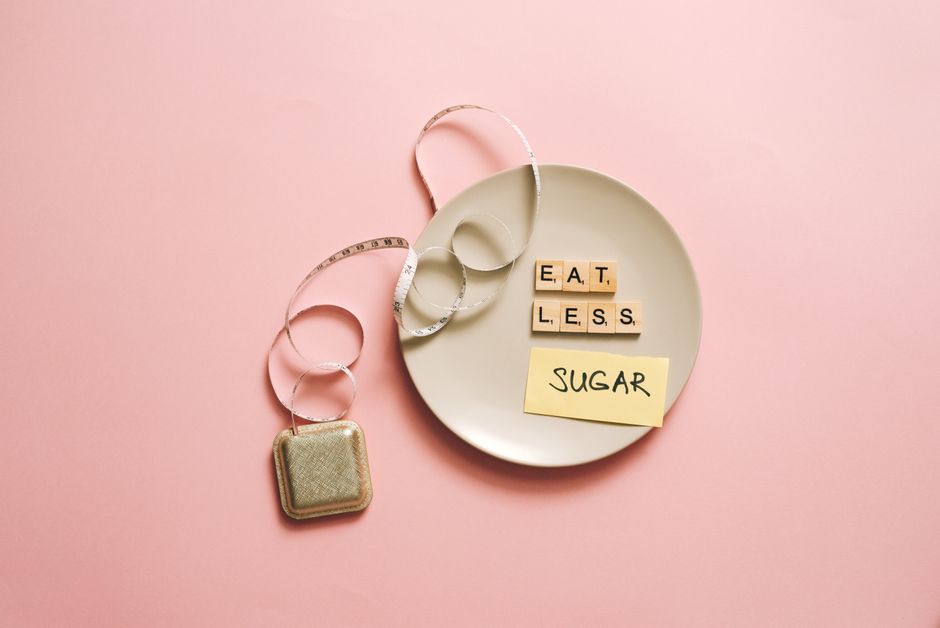
Starting a new weight-loss journey can feel overwhelming, but a well-structured **meal plan for weight loss** removes the guesswork that derails most people by Tuesday afternoon. If you are a busy American home cook who wants to eat better without spending every evening in the kitchen, this guide walks you through exactly what to shop for, how to prep ahead, and which recipes actually move the needle on the scale. By the time you finish reading, you will have a complete weekly framework you can adapt to your schedule, your budget, and your taste preferences.
Easy Meal Prep for Busy Weeknights

The single biggest reason meal plans fail is inconsistency, and inconsistency almost always traces back to weeknight chaos. When you get home at 6 p.m. starving and staring at an empty refrigerator, reaching for takeout feels inevitable. The solution is not willpower — it is having components already cooked and ready to assemble.
Dedicate 60–90 minutes on Sunday to batch-cook a lean protein (chicken breast, ground turkey, or baked cod), roast two or three sheet-pan vegetables, and prepare a grain like quinoa or brown rice. Store everything in ** BPA-free glass meal prep containers** divided into portions. When dinnertime arrives, you reheat a protein portion, add a cup of roasted vegetables, and finish with a drizzle of olive oil and a squeeze of lemon. This basic formula takes roughly 10 minutes and keeps you well under 500 calories while delivering 30–40 grams of protein.
Time-saving techniques that actually work:
- **Cook once, eat four times**: Bake a whole sheet pan of chicken thighs instead of breasts — dark meat stays juicy when reheated and costs less per pound.
- **Use frozen vegetables**: They are flash-frozen at peak freshness and cut your prep time in half compared to washing and chopping fresh produce.
- **Pre-portion snacks the night before**: Portion raw almonds, string cheese, or hummus with cut veggies into small containers so you are never caught without a healthy option.
Editor’s pick: glass meal prep containers set — see current prices and reviews.
Balanced Nutrition for Optimal Weight Loss
A sustainable meal plan for weight loss is not about deprivation — it is about getting the right mix of macronutrients so you feel full and energized while eating fewer calories than you burn. The three pillars are lean protein, fiber-rich carbohydrates, and healthy fats.
**Protein** should make up roughly 25–30% of your daily calories. This keeps your muscle mass intact while you lose body fat, and it is the most satiating macronutrient per calorie. Aim for 0.5–0.7 grams of protein per pound of target body weight each day. **Fiber** from vegetables, legumes, and whole grains slows digestion and prevents the blood sugar spikes that trigger hunger between meals. Target 25–35 grams daily. **Healthy fats** from olive oil, avocado, and nuts support hormone production and help your body absorb fat-soluble vitamins.
| Macronutrient | % of Daily Calories | Examples | Calories per Gram |
|---|---|---|---|
| Protein | 25–30% | Chicken, Greek yogurt, lentils | 4 kcal/g |
| Healthy Fats | 25–30% | Avocado, olive oil, almonds | 9 kcal/g |
| Complex Carbs | 40–50% | Quinoa, sweet potato, oats | 4 kcal/g |
Avoiding processed and sugary foods is equally important. A single 20-ounce sweetened soda contains roughly 65 grams of added sugar — nearly three times the American Heart Association’s recommended daily limit for women. Swapping that drink for water or sparkling water with citrus saves 240 calories per day, which compounds to roughly a half-pound of fat loss per week with no other changes.
Delicious and Nutritious Breakfast Recipes
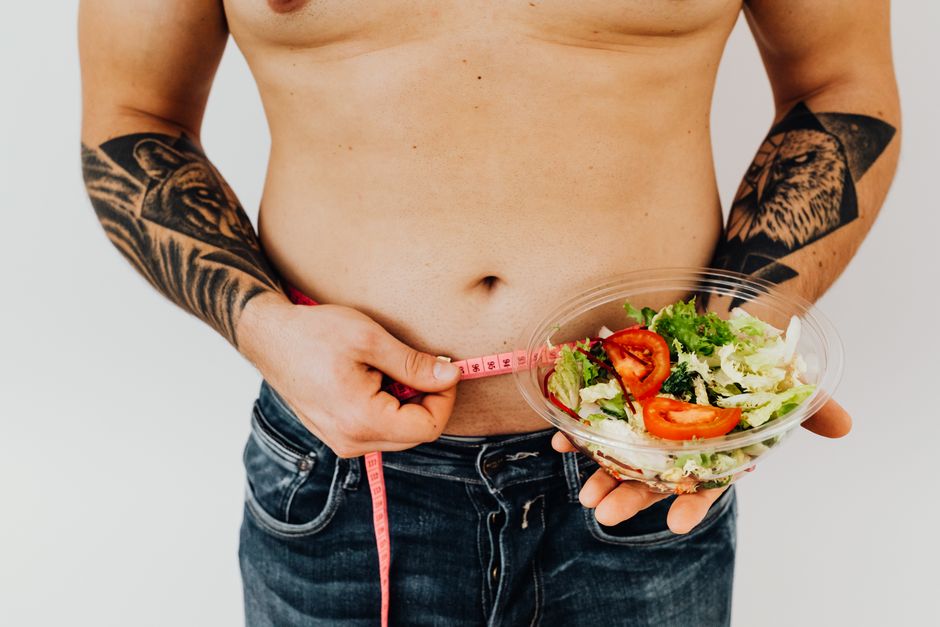
Breakfast sets the tone for your entire day, and on a meal plan for weight loss, it needs to deliver steady energy without a sugar crash by 10 a.m. The best weight-loss breakfasts combine protein and fiber with a moderate amount of slow-digesting carbohydrates.
**Greek yogurt power bowl** (prep: 5 minutes): Layer ¾ cup plain non-fat Greek yogurt with ½ cup fresh or frozen berries, 2 tablespoons sliced almonds, and 1 teaspoon honey. This delivers about 22 grams of protein, 6 grams of fiber, and 320 calories. The probiotics in Greek yogurt also support gut health, which recent research links to more stable body weight.
**Veggie scrambled eggs with whole-wheat toast** (prep: 10 minutes): Whisk 2 large eggs with ¼ cup liquid egg whites, pour into a nonstick skillet over medium heat, and fold in diced bell pepper, spinach, and a pinch of garlic powder. Serve with one slice of toasted whole-wheat bread topped with half an avocado. This breakfast supplies roughly 28 grams of protein, 8 grams of fiber, and 410 calories.
**Overnight oats** (prep: 5 minutes the night before): Combine ½ cup rolled oats, ¾ cup unsweetened almond milk, ¼ cup plain Greek yogurt, 1 tablespoon chia seeds, and a dash of cinnamon in a jar. Refrigerate overnight. In the morning, top with fresh fruit and a tablespoon of peanut butter. One jar makes a grab-and-go breakfast with 18 grams of protein, 9 grams of fiber, and about 380 calories.
A common mistake is skipping breakfast to save calories. Studies consistently show that people who eat a balanced morning meal make better food choices throughout the day and report less mid-morning cravings.
Lunch Recipes to Keep You on Track
Lunch is the bridge between your morning and the afternoon stretch when most people hit their lowest energy point. A well-constructed lunch on a meal plan for weight loss should contain 400–500 calories, at least 25 grams of protein, and a generous helping of vegetables to keep you full until dinner.
**Turkey and avocado lettuce wraps** (prep: 10 minutes): Lay out large lettuce leaves (butter lettuce or Romaine hearts work best), spread 2 tablespoons of mashed avocado on each, layer with sliced turkey breast, cucumber ribbons, and a teaspoon of everything bagel seasoning. Roll tightly and secure with a toothpick. Two wraps contain approximately 340 calories and 32 grams of protein with almost no carbohydrates from processed bread.
**Quinoa chickpea salad jar** (prep: 15 minutes, assembled the night before): Layer in a pint jar: ¼ cup red wine vinegar-based dressing on the bottom, then add drained canned chickpeas, diced cucumber, cherry tomatoes, red onion, and a handful of arugula. Pack ½ cup cooked quinoa separately and add it just before eating. Shake the jar to combine — the dressing coats everything evenly and the salad stays crisp for two days in the refrigerator.
**Mediterranean chicken bowl** (prep: 10 minutes if chicken is pre-cooked): Combine pre-roasted chicken slices, ½ cup cooked farro, roasted red peppers, Kalamata olives, a handful of mixed greens, and tzatziki sauce. This bowl delivers bold flavor, 35 grams of protein, and 460 calories without any heavy pasta or bread.
The biggest lunch pitfall is relying on restaurant salads, which can easily exceed 800 calories once you add croutons, cheese, and creamy dressing. Making your own dressing with olive oil, lemon juice, and Dijon mustard costs about 50 cents per serving and gives you full control over the calorie count.
Dinner Recipes for Faster Weight Loss
Dinner on a weight-loss meal plan should be your most vegetable-dense meal of the day, with a moderate portion of lean protein and a small amount of whole-grain carbohydrate. The goal is to eat your largest volume of food — by weight and fiber content — for the fewest calories.
**Sheet-pan lemon herb salmon with asparagus** (prep: 10 minutes, cook: 15 minutes): Place two 5-ounce salmon fillets on a foil-lined sheet pan. Drizzle with olive oil, season with garlic powder, dill, and smoked paprika. Arrange trimmed asparagus spears around the salmon and drizzle everything with the juice of half a lemon. Roast at 400°F for 12–14 minutes until salmon flakes easily. Serve with ½ cup cooked quinoa on the side. Total: 480 calories, 42 grams of protein, and abundant omega-3 fatty acids that support fat metabolism.
**Turkey stuffed bell peppers** (prep: 15 minutes, cook: 30 minutes): Halve four bell peppers lengthwise, remove seeds, and place cut-side up in a baking dish. Brown 1 pound ground turkey with diced onion and garlic, stir in 1 cup canned diced tomatoes, ½ cup cooked rice, and Italian seasoning. Stuff the mixture into the peppers, top with a tablespoon of marinara sauce each, and bake covered at 375°F for 25 minutes, then uncovered for 5 minutes. Each stuffed pepper half has roughly 280 calories and 24 grams of protein.
**Black bean and veggie stir-fry over cauliflower rice** (prep: 15 minutes, cook: 10 minutes): Pulse cauliflower florets in a food processor to rice-sized pieces, spread in a microwave-safe bowl, cover, and microwave 4 minutes. Meanwhile, stir-fry frozen edamame, shredded cabbage, sliced carrots, and minced ginger in a hot skillet with 1 tablespoon sesame oil. Add 1 cup canned black beans (drained), a splash of low-sodium soy sauce, and rice vinegar. Serve over cauliflower rice. This plant-forward dinner comes in around 340 calories with 18 grams of protein and 12 grams of fiber.
A frequent dinner mistake is eating too close to bedtime — digestion can disrupt sleep quality, and poor sleep raises cortisol, which promotes fat storage. Aim to finish dinner at least 2–3 hours before you plan to sleep.
Healthy Snacking Choices
Strategic snacking prevents the blood sugar dip that leads to overeating at the next meal. The key is pairing a protein or fat source with a small amount of fiber to create lasting satiety. Snacks on a meal plan for weight loss should land between 100 and 200 calories.
**Hard-boiled eggs with everything seasoning**: Two large eggs boiled in advance and stored in the refrigerator offer 12 grams of protein and 140 calories. Sprinkle with everything bagel seasoning before eating for flavor without extra sodium.
**Apple slices with almond butter**: One small apple sliced and paired with 1 tablespoon of natural almond butter provides 5 grams of fiber, 3 grams of protein, and 195 calories. The combination of natural sugars and fat stabilizes blood glucose better than eating the apple alone.
**Cottage cheese with cucumber and dill**: A ½-cup serving of low-fat cottage cheese mixed with diced cucumber, a pinch of dried dill, and a few grinds of black pepper delivers 14 grams of protein for just 90 calories. It is one of the most protein-dense snacks available at any grocery store.
Comparing homemade and store-bought snacks reveals a clear cost and quality advantage for home-prepared options. A small package of branded protein bars can run $2.50–$3.00 each and contain added sugars and preservatives. Batch-making your own **no-bake energy bites** from oats, peanut butter, honey, and mini chocolate chips costs roughly $0.50 per serving and lets you control every ingredient.
Meal Planning Tips for Better Results
The most sophisticated recipe library is worthless without a system to actually execute it. Successful meal planners treat their weekly food prep with the same seriousness they give to a work meeting.
Start by choosing one day — Sunday works for most people — and blocking 90 minutes for meal prep. Write a realistic menu for the week based on your schedule: if Wednesday is your longest day, plan a no-cook meal like overnight oats or a Mason jar salad. Do not schedule elaborate cooking on your hardest day of the week.
Building a grocery list directly from your menu prevents impulse purchases and food waste. Organize the list by store section — produce, protein, dairy, pantry — so you make one efficient pass through the store without backtracking. Shopping the perimeter of the store first and limiting time in the processed food aisles is a simple behavioral trick that reduces purchases of sugary cereals, frozen pizzas, and soda.
Budget-conscious meal planning relies heavily on sale cycles and seasonal produce. Buying bags of frozen spinach, broccoli, and berries is consistently cheaper than fresh and lasts for months. Purchasing whole chickens instead of pre-cut parts saves $2–$4 per pound and gives you both breast meat for main dishes and bones for homemade stock. **Bulk-cooking grains** like rice, quinoa, and farro on prep day and storing them in the refrigerator for up to five days cuts your daily cooking time dramatically.
Frequently Asked Questions (FAQ)
What is the best meal plan for weight loss?
The most effective meal plan for weight loss is one you can actually stick to consistently for at least 8–12 weeks. The best structured plan includes a lean protein source at every meal (3–5 ounces per serving), fills half your plate with non-starchy vegetables, adds a modest portion of whole grains or legumes, and incorporates a small amount of healthy fat from sources like olive oil, avocado, or nuts. Research from the Harvard T.H. Chan School of Public Health shows that diets with a **glycemic load under 20** — meaning they minimize blood sugar spikes — produce significantly more sustainable fat loss than low-fat or extremely low-calorie approaches. The specific diet label matters far less than adherence over time.
How can I make meal prep easier and more efficient?
The fastest way to streamline meal prep is to master three core cooking techniques — baking sheet proteins, roasting vegetables in large batches, and cooking grains in a rice cooker or instant pot — then build all your meals from those building blocks. Invest in a set of **stackable glass meal prep containers** and a digital kitchen scale so you can portion food accurately without counting every calorie by hand. Preparing a “prep sheet” each week that lists exactly what you will cook, what you need to buy, and which containers you will use eliminates decision fatigue at 5 p.m. when your willpower is naturally depleted.
What are some healthy and delicious meal ideas for weight loss?
A practical weight-loss meal rotation includes Greek yogurt with berries and nuts for breakfast, a turkey and avocado lettuce wrap for lunch, and a sheet-pan salmon dinner with roasted asparagus and quinoa. For variety, alternate proteins — swapping salmon for ground turkey in a stuffed pepper recipe or using black beans instead of chicken in a burrito bowl — while keeping the same vegetable and grain base. Snacks like hard-boiled eggs, apple slices with almond butter, and cottage cheese with cucumber round out the day with protein and fiber to prevent between-meal cravings. The goal is building a repeating library of roughly 12–15 recipes you genuinely enjoy so meal planning becomes automatic rather than a daily chore.
Top Product Recommendations
| Product Name | Rating | Key Feature | Est. Price | Action |
|---|---|---|---|---|
| Top-rated glass meal prep containers set | ★★★★★ | Editor-recommended glass meal prep containers set from this guide | $18–$42 | Check Lowest Price on Amazon |
| Best-value digital kitchen food scale | ★★★★☆ | Affordable digital kitchen food scale — strong everyday results | $12–$28 | Check Lowest Price on Amazon |
| Premium extra virgin olive oil spray bottle | ★★★★☆ | Higher-end extra virgin olive oil spray bottle for visible, lasting results | $45–$95 | Check Lowest Price on Amazon |
Affiliate Disclosure: This post contains affiliate links. We may earn a commission if you buy through our links, at no extra cost to you. Medical Disclaimer: This content is for informational purposes only and is not medical advice. Consult a healthcare professional before changing diet or exercise.
Leave a Reply