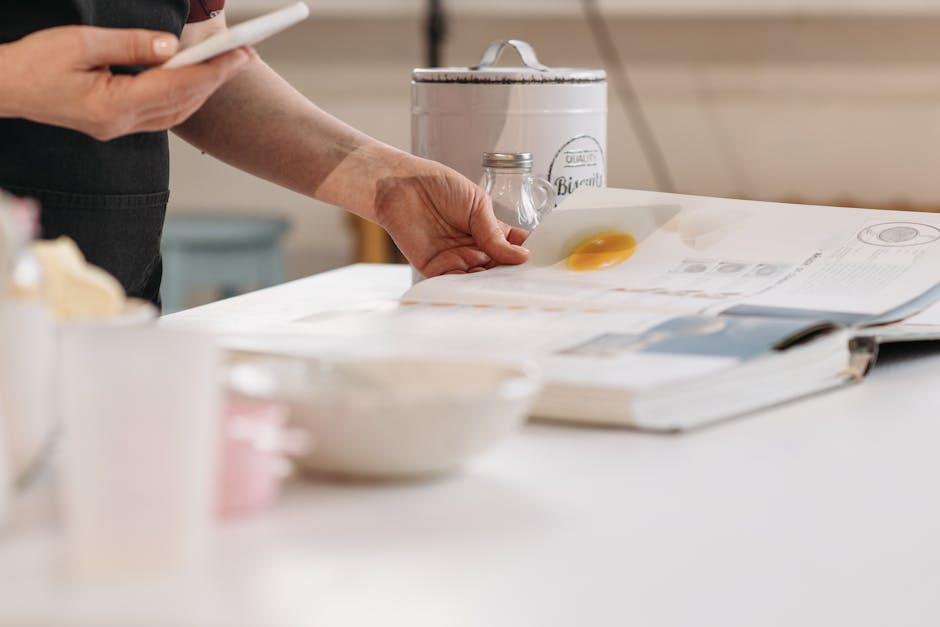
Choosing Healthy Ingredients
Building nutritious recipes starts with selecting quality ingredients that fuel your body while fitting your budget. Fresh produce offers peak flavor and maximum nutrient density, but frozen vegetables and fruits can be equally nutritious since they’re typically flash-frozen at harvest time. Frozen options also reduce food waste and provide consistent availability year-round, making them exc nt choices for meal prep recipes.
When deciding between organic and conventional produce, focus your organic budget on the “Dirty Dozen” items like strawberries, spinach, and bell peppers that tend to have higher pesticide residues. For items on the “Clean Fifteen” list such as avocados, sweet corn, and pineapple, conventional options are perfectly healthy and more budget-friendly. This strategic approach allows you to maximize nutrition while keeping grocery costs manageable.
Smart ingredient swaps can dramatically improve the nutritional profile of your favorite recipes without sacrificing taste. Replace white rice with cauliflower rice or quinoa for added fiber and protein. Swap refined flour for almond flour or whole wheat alternatives in baking recipes. Greek yogurt can substitute for sour cream or mayonnaise, adding probiotics and protein while reducing calories. These simple substitutions transform ordinary recipes into nutrient-dense meals that support your health goals.
Balanced Meal Planning
Creating balanced recipes requires understanding the three macronutrients and how they work together to provide sustained energy and satisfaction. Aim for each meal to contain lean protein (20-30% of calories), complex carbohydrates (40-50% of calories), and healthy fats (20-30% of calories). This balance helps stabilize blood sugar levels, reduces cravings, and provides the building blocks your body needs for optimal function.
Incorporating a rainbow of vegetables and fruits ensures you’re getting diverse vitamins, minerals, and antioxidants in your recipes. Dark leafy greens provide folate and iron, orange vegetables offer beta-carotene, and berries deliver powerful antioxidants. Aim to include at least two different colored vegetables in each main meal recipe, and consider adding fruit to breakfast recipes or as natural sweeteners in healthy desserts.
Portion control becomes natural when you focus on nutrient density rather than restriction. Fill half your plate with non-starchy vegetables, one quarter with lean protein, and one quarter with complex carbohydrates. This visual guide works for both cooking and plating your recipes. Using smaller plates and bowls can also help with portion awareness without feeling deprived. Remember that healthy fats like avocado, nuts, and olive oil are calorie-dense, so measure these ingredients carefully in your recipes.
Meal Prep Containers and Tools
Investing in quality meal prep containers is essential for maintaining food safety and freshness in your prepared recipes. Glass containers with airtight lids are ideal because they don’t absorb odors, are microwave-safe, and allow you to see contents easily. Look for containers with compartments to keep different recipe components separate, preventing soggy vegetables or mixed flavors. Stainless steel containers work well for cold recipes and are virtually indestructible for on-the-go meals.
Essential kitchen tools can streamline your recipe preparation and make healthy cooking more efficient. A sharp chef’s knife, cutting boards designated for different food types, and measuring cups ensure accuracy and safety. A food processor saves time on chopping vegetables for large-batch recipes, while a slow cooker or Instant Pot allows for hands-off cooking of soups, stews, and grain-based recipes. Digital kitchen scales provide precise measurements for consistent results, especially important in baking recipes.
Proper labeling and organization systems keep your prepared recipes fresh and safe to consume. Use freezer-safe labels with dates and contents clearly marked. Masking tape and permanent markers work well for temporary labeling, while printed labels create a more organized appearance. Store containers in a first-in, first-out system to ensure older recipes get consumed before newer ones. Keep a meal prep inventory list on your refrigerator to track what recipes you have prepared and when they should be consumed.
Time-Saving Meal Prep Techniques
Batch cooking is one of the most effective strategies for preparing multiple recipes efficiently. Cook large quantities of versatile base ingredients like grilled chicken, roasted vegetables, quinoa, and brown rice that can be mixed and matched throughout the week. Prepare double or triple batches of soup and stew recipes, freezing portions for future weeks. This approach reduces daily cooking time while ensuring you always have healthy recipe components ready to assemble.
Prepping ingredients in advance transforms complex recipes into quick assembly tasks during busy weekdays. Wash and chop all vegetables at once, storing them in clear containers for easy visibility. Pre-cook proteins using methods like baking, grilling, or slow cooking that require minimal hands-on time. Prepare recipe bases like marinades, dressings, and spice blends in advance, storing them in small containers or ice cube trays for easy portioning.
Creating an assembly line system maximizes efficiency when preparing multiple recipes simultaneously. Set up stations for washing, chopping, cooking, and packaging. Complete each step for all recipes before moving to the next step, rather than finishing one recipe at a time. This method reduces cleanup time and ensures consistent timing across all your prepared recipes. Play upbeat music or podcasts to make the process more enjoyable and maintain momentum throughout your prep session.
Meal Prep Recipes for Different Diets
Low-carb meal prep recipes focus on protein and healthy fats while minimizing refined carbohydrates. Egg-based recipes like frittatas and egg muffins provide portable breakfast options packed with protein. Sheet pan recipes combining chicken or fish with low-carb vegetables like broccoli, zucchini, and bell peppers create complete meals with minimal cleanup. Cauliflower-based recipes can replace traditional grain dishes, offering similar textures with fewer carbohydrates and more nutrients.
Vegetarian and vegan meal prep recipes emphasize plant-based proteins like legumes, tofu, tempeh, and quinoa. Bean and lentil-based recipes provide fiber and protein while being budget-friendly and shelf-stable. Buddha bowl recipes with roasted vegetables, grains, and tahini or avocado-based dressings offer complete nutrition and endless variety. Overnight oat recipes with plant-based milk, chia seeds, and fruit create satisfying breakfast options that improve in flavor over time.
Gluten-free and dairy-free recipes require careful ingredient selection but can be just as flavorful and satisfying as traditional options. Rice and quinoa-based recipes naturally avoid gluten while providing complete proteins and complex carbohydrates. Coconut milk and nutritional yeast can replace dairy in creamy recipes, adding richness and umami flavors. Always check labels on processed ingredients like broths, seasonings, and sauces, as these often contain hidden gluten or dairy components that could affect sensitive individuals.
Meal Prep Schedule and Routine
Establishing a consistent weekly meal prep routine ensures you always have healthy recipes ready when hunger strikes. Most people find Sunday afternoons ideal for meal prep, allowing time to grocery shop and cook without weekday time pressures. Block out 2-4 hours depending on how many recipes you’re preparing, and treat this time as a non-negotiable appointment with your health. Having a set schedule makes meal prep a habit rather than a chore.
Planning recipes for different days of the week helps maintain variety and prevents meal fatigue. Prepare heartier, warming recipes like soups and stews for Monday and Tuesday when motivation might be lower. Save lighter, fresher recipes for mid-week when energy typically increases. Weekend recipes can be more elaborate or social, incorporating ingredients that don’t store well for long periods. This strategic approach ensures your prepared recipes align with your weekly energy and schedule patterns.
Staying organized with meal prep requires both physical and digital systems that work for your lifestyle. Create a master list of go-to recipes organized by prep time, dietary preferences, and seasonal ingredients. Use a meal planning app or simple calendar to track which recipes you’ve prepared and when they should be consumed. Keep a running grocery list throughout the week, noting ingredients needed for upcoming recipe preparations. This organization prevents last-minute scrambling and ensures you always have the ingredients needed for your planned recipes.
Storing and Reheating Meal Prep
Proper storage techniques are crucial for maintaining the quality and safety of your prepared recipes. Cool cooked foods to room temperature within two hours before refrigerating to prevent bacterial growth. Store different recipe components separately when possible to maintain optimal textures and flavors. For example, keep dressings and sauces separate from salads, and store crispy elements like nuts or croutons in separate containers to prevent sogginess.
Extending the shelf life of prepped recipes requires understanding which ingredients store well and which are best added fresh. Most cooked proteins and grains stay fresh for 3-4 days in the refrigerator, while raw vegetables may last 5-7 days when properly stored. Freeze recipes that won’t be consumed within the safe timeframe, labeling them clearly with contents and date. Soups, stews, and casserole-style recipes typically freeze well for up to three months, providing convenient backup meals for busy weeks.
Safe and efficient reheating methods preserve both nutrition and flavor in your prepared recipes. Reheat foods to an internal temperature of 165°F to ensure food safety, using a food thermometer to verify temperature in thick or dense recipes. Add a splash of water or broth when reheating grain-based recipes to restore moisture. For recipes with mixed textures, consider reheating components separately and combining them just before eating. Microwave reheating works well for most recipes, but stovetop or oven reheating often provides better texture and more even heating for larger portions.
Frequently Asked Questions (FAQ)
What are some common meal prep mistakes to avoid?
The most common meal prep mistakes include preparing too many recipes at once when starting out, which can lead to burnout and food waste. Start with 2-3 simple recipes and gradually increase as you build confidence and efficiency. Another frequent error is not considering how recipes will taste after several days of storage. Avoid preparing recipes with ingredients that don’t reheat well, such as crispy coatings or delicate herbs that wilt quickly. Finally, many people forget to account for proper cooling time before refrigerating, which can raise the temperature of your refrigerator and compromise food safety.
How can I make my meal prep routine more efficient?
Efficiency comes from planning and preparation before you start cooking. Create a detailed prep list that includes all recipes, ingredients, and equipment needed. Organize your kitchen workspace with all tools and ingredients easily accessible. Use time-saving techniques like cooking multiple recipes simultaneously in different appliances – use your oven, stovetop, and slow cooker at the same time. Invest in quality knives and keep them sharp, as this single factor can cut your prep time significantly. Finally, clean as you go to avoid a overwhelming cleanup session at the end.
What are some healthy and budget-friendly ingredient swaps for meal prep?
Budget-friendly swaps can maintain nutrition while reducing costs in your recipes. Replace expensive proteins like salmon with canned fish, eggs, or legumes that provide similar nutritional benefits at lower prices. Use seasonal vegetables and fruits, which are typically less expensive and at peak flavor. Substitute expensive nuts with seeds like sunflower or pumpkin seeds for healthy fats and protein. Buy whole grains in bulk rather than pre-packaged portions, and use dried herbs and spices instead of fresh when the recipe allows. These swaps can reduce your grocery bill by 30-40% while maintaining the nutritional quality of your prepared recipes.
How long do different types of meal prep recipes stay fresh?
Storage times vary significantly depending on the ingredients and preparation methods used in your recipes. Cooked proteins like chicken, fish, and beef typically stay fresh for 3-4 days in the refrigerator when properly stored. Grain-based recipes like quinoa bowls or rice dishes maintain quality for 4-5 days. Raw vegetable salads are best consumed within 2-3 days, while cooked vegetable recipes can last 4-5 days. Soup and stew recipes often improve in flavor over time and can be safely stored for 5-7 days. When in doubt, trust your senses – if a recipe smells off, has changed texture significantly, or shows any signs of mold, discard it immediately for food safety.
Explore more recipes guides on our site.
Top Product Recommendations
| Product Name | Rating | Key Feature | Est. Price | Action |
|---|---|---|---|---|
| Best Recipes Pick | ★★★★★ | Top-rated overall | $25–$45 | Check Lowest Price on Amazon |
| Budget Recipes Option | ★★★★☆ | Great for beginners | $12–$28 | Check Lowest Price on Amazon |
| Premium Recipes Choice | ★★★★☆ | Pro-level results | $50–$90 | Check Lowest Price on Amazon |
Affiliate Disclosure: This post contains affiliate links. We may earn a commission if you buy through our links, at no extra cost to you.
Leave a Reply