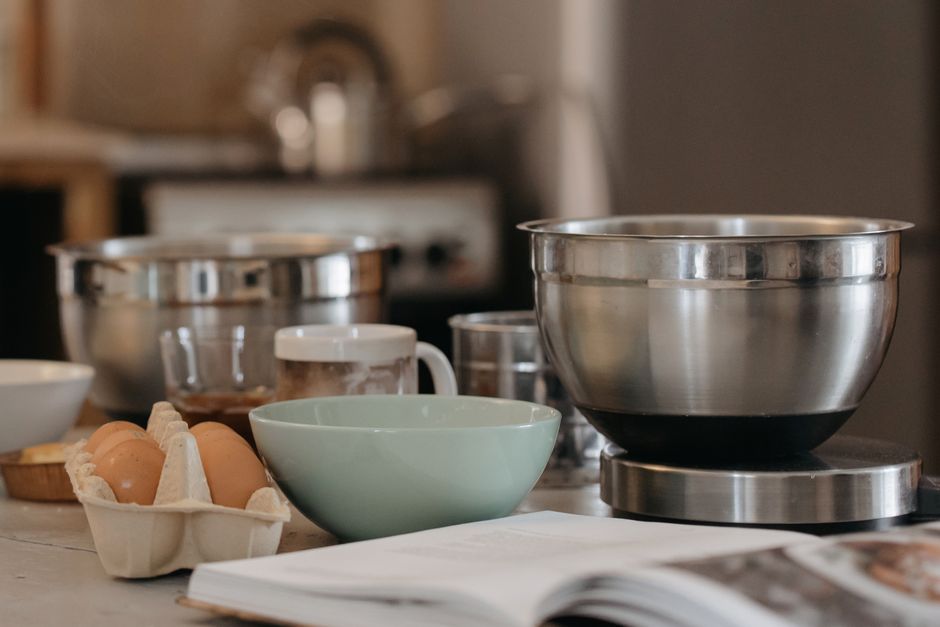
Introduction to Korean Recipes for Home Cooks
Korean cuisine has taken American kitchens by storm over the past decade, and for good reason. Bold fermented flavors, colorful presentations, and a harmonious balance of vegetables, proteins, and grains make Korean cooking one of the most rewarding culinary traditions to explore at home. These recipes offer incredible nutritional value while keeping your grocery bill manageable, which is exactly what busy US households need in 2024.
The beauty of building your own Korean recipes lies in the flexibility of the pantry staples involved. Many foundational Korean ingredients—think fermented soybean paste, sesame oil, gochugaru (Korean red pepper flakes), and dried anchovies—are inexpensive and last for months in the pantry. Once you stock a handful of these core items, you can rotate through dozens of satisfying meals without repeating the same plate twice.
Planning your weekly meals around Korean recipes also helps you hit important nutritional benchmarks. Traditional Korean dining emphasizes vegetables and fermented foods, which naturally support gut health, and lean proteins prepared with minimal added fat. By following structured recipes, you gain portion guidance, balanced nutrition, and a clear shopping list all at once.
Korean Cooking Essentials: Building Your Pantry
Before diving into specific recipes, every home cook needs to understand the core ingredients that define Korean cooking. These items form the backbone of nearly every dish and are widely available at major US grocery stores, Asian markets, and online retailers. Once you have these staples on hand, putting together a Korean-inspired meal takes minutes rather than hours.
Here are the essential Korean pantry items every cook should consider:
- **Gochugaru** — Korean red pepper flakes used in kimchi, marinades, and stews ( substitutes: crushed red pepper flakes or smoked paprika for a different flavor profile)
- **Doenjang** — Fermented soybean paste for soups and dressings (substitutes: white miso mixed with a touch of sesame oil)
- **Gochujang** — Red chili paste for sauces and marinades (substitutes: sriracha mixed with a small amount of miso paste)
- **Sesame oil** — toasted variety for finishing dishes (substitutes: tahini thinned with vegetable oil)
- **Soy sauce** — preferably low-sodium for everyday cooking (substitutes: coconut aminos for a gluten-free option)
- **Dried anchovies** — used to make clean, savory broths (substitutes: dashi powder or vegetarian kombu broth)
Budget-friendly swaps exist for nearly every specialty item. If you cannot find Korean red pepper flakes, smoked paprika offers a similar earthy heat without the trip to an Asian grocery store. White miso paste works as a substitute for doenjang in a pinch, though the flavor profile shifts slightly toward Japanese-style seasoning. These substitutions mean you can start cooking with ingredients already in your pantry.
Easy and Nutritious Korean Side Dishes (Banchan)
Korean side dishes, known as banchan, are small plates served alongside rice and are a cornerstone of every Korean meal. The good news for home cooks is that most banchan require minimal cooking and keep well in the refrigerator for several days. This makes them perfect for meal prep and weeknight dinners when time is limited.
Spinach namul is one of the easiest and most nutritious banchan options. You blanch fresh spinach, squeeze out excess water, and toss it with sesame oil, soy sauce, garlic, and a pinch of salt. The entire process takes about ten minutes, and the dish delivers iron, fiber, and vitamins A and C in a single serving. Families love it because kids rarely complain about vegetables prepared this way.
Spicy cucumber oi muchim is another quick option. Slice cucumbers, toss them with a dressing of gochujang, rice vinegar, sesame oil, and a sprinkle of sesame seeds, and let them marinate for twenty minutes. The cooling cucumber balances the heat of the sauce, making this an exc nt side for richer main dishes like bulgogi or fried chicken. Cucumbers are inexpensive year-round, and the recipe scales easily for larger families.
Bean sprout namul follows the same simple technique. Boil bean sprouts until just tender, drain them thoroughly, and season with sesame oil, garlic, salt, and a few drops of soy sauce. Bean sprouts are packed with protein and vitamins, and they add a satisfying crunch to any plate. Preparing two or three banchan on Sunday means you have ready-to-serve sides for the entire workweek.
Healthy Korean Main Dishes
When it comes to the centerpiece of the meal, Korean cuisine offers several main dishes that are both nutritious and deeply satisfying. These recipes prioritize lean proteins, fiber-rich vegetables, and whole grains, making them exc nt choices for anyone managing their weight or blood sugar levels.
Bi bim naengmyeon, or cold buckwheat noodles, is a standout option for warm-weather months. The broth-based dish is light, refreshing, and naturally lower in calories than many American pasta dishes. You top the noodles with julienned cucumber, a sliced hard-boiled egg, and a poached pear for a sweet-and-savory combination that feels restaurant-quality at home.
For heartier appetites, dak doritang—Korean chicken stew—delivers comfort without excess fat. Bone-in chicken thighs cook slowly with potatoes, carrots, onions, and a seasoned broth until everything is tender and flavorful. The dish is high in protein, provides complex carbohydrates from the vegetables, and uses chicken thighs that remain affordable even when chicken breast prices spike.
Jajangmyeon, the beloved black bean noodle dish, can be made healthier by using whole-wheat spaghetti and reducing the amount of black bean sauce. Traditional versions are indulgent, but a modified home version keeps the rich umami flavor while cutting sodium and added sugars. Serve it with steamed broccoli on the side to add fiber and balance the meal.
| Dish | Protein Source | Fiber Content | Est. Cost per Serving |
|---|---|---|---|
| Bi bim naengmyeon | Egg, optional beef | Medium (from noodles) | $4–$6 |
| Dak doritang | Chicken thigh | High (potatoes, carrots) | $5–$7 |
| Tofu bibimbap | Firm tofu, egg | Very high (mixed vegetables) | $4–$6 |
| Galbi (grilled short ribs) | Beef short ribs | Low | $8–$12 |
Korean Cooking for Beginners
If you have never cooked Korean food before, the learning curve is much gentler than it appears. The key is to start with recipes that require only two or three ingredients beyond your pantry staples, and to master a handful of foundational techniques that apply across dozens of dishes. Once you understand ho n kitchens build flavor in layers, the entire cuisine opens up.
The most important technique for beginners is learning to make a simple ssamjang dipping sauce. Combine doenjang or miso paste with gochujang, sesame oil, a crushed garlic clove, and a teaspoon of sugar. This one sauce works as a dip for grilled meats, a spread for lettuce wraps, and a stir-in for rice bowls. Having a reliable sauce in your repertoire instantly elevates any meal.
Another foundational skill is properly seasoning rice. Korean rice is typically seasoned with a splash of sesame oil and a pinch of salt right after cooking, while still hot. This simple step transforms plain steamed rice into a fragrant base for every meal, and it takes less than thirty seconds. Many beginners skip this step and wonder why their Korean meals taste different from restaurant versions.
Beginner-friendly recipes to start with include **bibimbap bowls** (build your own with whatever cooked vegetables you have), **eggdrop soup** (eggs stirred into a simple anchovy or kombu broth), and **pan-fried kimchi pancakes** (kimchi pancakes called kimchijeon). These three recipes teach you how to work with fermented ingredients, build umami flavor, and handle batter-based cooking—all skills that transfer directly to more advanced Korean dishes.
Vegetarian and Vegan Korean Recipes
Korean cuisine is surprisingly accommodating for plant-based eating, especially once you learn which animal ingredients have simple vegetable replacements. The core flavor profiles—fermented soybean products, sesame, garlic, and chili—translate beautifully to meat-free dishes, and the emphasis on vegetables as side dishes means plant-based meals are already built into the tradition.
Dubu jorim, or braised tofu, is one of the most satisfying vegan Korean main dishes. Firm tofu is pan-fried until golden and then simmered in a savory sauce made from soy sauce, garlic, ginger, and a touch of sugar. The result is a protein-rich dish with a caramelized exterior and a soft, creamy interior. Serve it over rice with a side of pickled radish for a complete meal under $3 per serving.
Godeungeo gui, traditionally grilled mackerel, can be reimagined as tofu gui for a plant-based version.marinate thick slices of extra-firm tofu in a blend of soy sauce, sesame oil, garlic, and gochugaru, then pan-fry or oven-roast until crispy on the outside. The tofu absorbs the marinade beautifully and develops a savory char that mimics the fish version. Adding a splash of rice vinegar to the marinade lightens the overall flavor.
For vegans missing the richness of Korean BBQ, try oyster mushroom bulgogi. Sliced oyster mushrooms have a meaty texture that holds up well to the sweet-savory marinade of soy sauce, pear juice (used as a natural tenderizer), garlic, and sesame oil. Pan-fry the mushrooms over high heat until they caramelize and develop slight char marks. Serve in lettuce wraps with steamed rice and a sprinkle of sesame seeds.
| Vegan Korean Recipe | Protein (per serving) | Cook Time | Difficulty |
|---|---|---|---|
| Dubu jorim (braised tofu) | 15g | 25 minutes | Easy |
| Oyster mushroom bulgogi | 8g | 15 minutes | Easy |
| Korean vegetable bibimbap | 12g | 30 minutes | Medium |
| Kimchi fried rice (vegan) | 10g | 15 minutes | Easy |
Korean Cooking on a Budget
Stretching your grocery budget while enjoying Korean cooking comes down to three strategies: buying ingredients in bulk, making Korean pantry staples from scratch, and using every part of the vegetables you purchase. These approaches can cut your per-meal cost by half compared to dining out at Korean restaurants, and the meals taste just as satisfying.
Buying proteins like chicken thighs, pork shoulder, and firm tofu in family-sized packs from warehouse clubs or discount grocers significantly reduces per-serving costs. Marinate and portion the protein on Sunday, then thaw only what you need for each dinner throughout the week. This method reduces food waste and ensures you always have a protein ready to cook.
Dried beans and lentils are among the most budget-friendly ingredients in any cuisine, and they work surprisingly well in Korean-inspired soups and stews. Substitute kidney beans for the beef in a modified version of kongbap (red bean rice), or add white beans to your doenjang jjigae for extra protein and fiber. These additions make the dish more filling without raising costs noticeably.
Finally, learn to make kimchi from scratch using napa cabbage, Korean red pepper flakes, garlic, ginger, and fish sauce (or soy sauce for vegan versions). A large batch of homemade kimchi costs a fraction of the store-bought price and keeps in the refrigerator for months. As the kimchi ages, its flavor deepens, giving you an ever-evolving ingredient to cook with all year long.
Meal Prep and Planning for Korean Meals
Meal prepping Korean dishes is one of the smartest time-saving strategies for busy households. Most Korean components—rice, banchan, marinades, and braised proteins—refrigerate well for three to five days and reheat in minutes. Spending an hour in the kitchen on Sunday sets you up with ready-to-eat components for weekday dinners.
The most efficient meal prep method is to cook rice in bulk, prepare two or three banchan dishes, and roast or braise one main protein. Store each component in separate airtight containers. When it is time to eat, assemble your bowl by layering rice, protein, banchan, and a drizzle of sauce. This method works for meal prepping breakfast, lunch, and dinner without eating the same exact meal three times in a row.
Freezing cooked Korean dishes is another option for longer-term planning. Kimchi jjigae, doenjang jjigae, and tteokguk (rice cake soup) all freeze and reheat well. Portion them into individual containers, label with the date, and store for up to three months. Having homemade frozen Korean meals on hand eliminates the temptation to order takeout on hectic evenings.
Investing in a few meal prep tools makes the process faster and more organized. A rice cooker with a timer means fresh rice is ready when you walk in the door. Glass meal prep containers with separate compartments keep banchan from mixing with rice during storage. A microplane grater for garlic and ginger speeds up prep work significantly. These tools cost less than a single restaurant meal and pay for themselves within the first week.
Frequently Asked Questions (FAQ)
What are some easy substitutions for expensive ingredients in Korean cooking?
For expensive Korean ingredients, you can use white miso paste instead of doenjang, sriracha mixed with a little miso in place of gochujang, and vegetable broth or dried shiitake mushroom stock instead of animal-based anchovy or beef broth. Smoked paprika works as a substitute for gochugaru in a pinch, though the heat level will be milder. These swaps cut ingredient costs by roughly 40 percent while preserving the essential flavor profile of most Korean dishes.
How can I make my Korean cooking more nutritious?
Increase the vegetable-to-protein ratio in every dish by adding extra blanched greens, julienned carrots, and sliced mushrooms to soups, stews, and grain bowls. Use low-sodium soy sauce to reduce sodium intake, and replace refined white rice with brown rice or mixed grains for more fiber. Fermented side dishes like kimchi and pickled vegetables support gut health, so include at least one fermented item with each meal. These adjustments transform standard Korean recipes into nutritionally balanced meals without sacrificing flavor.
What are some beginner-friendly recipes for Korean cooking?
Start with bibimbap (mixed rice bowls), kimchi fried rice, and spinach namul. These three recipes teach core Korean cooking skills—seasoning rice, working with fermented kimchi, and preparing seasoned vegetables—using fewer than ten ingredients each. Once you have mastered these basics, move on to bulgogi marinades and Korean soup stocks. Each new recipe builds on the previous one, and you will have a full Korean cooking repertoire within a month of regular practice.
Can I meal prep Korean recipes for the entire week?
Yes, and it is one of the most effective ways to save time and money. Banchan like spinach namul, bean sprout salad, and pickled radish keep in the refrigerator for five days. Braised tofu and chicken stew reheat perfectly for lunch the next day. Cook rice in large batches and store it in the refrigerator for up to four days. On busy weeknights, assemble a complete Korean meal in under five minutes by combining pre-prepped components into a rice bowl or serving platter.
Explore more recipes guides on our site.
Top Product Recommendations
| Product Name | Rating | Key Feature | Est. Price | Action |
|---|---|---|---|---|
| Best Recipes Pick | ★★★★★ | Top-rated overall | $25–$45 | Check Lowest Price on Amazon |
| Budget Recipes Option | ★★★★☆ | Great for beginners | $12–$28 | Check Lowest Price on Amazon |
| Premium Recipes Choice | ★★★★☆ | Pro-level results | $50–$90 | Check Lowest Price on Amazon |
Affiliate Disclosure: This post contains affiliate links. We may earn a commission if you buy through our links, at no extra cost to you.
Leave a Reply