
Health Benefits of Taking Supplements

Supplements can fill nutritional gaps that even the best diets sometimes leave behind. Many Americans turn to supplements to support overall wellness, especially when their busy schedules make balanced eating challenging. Understanding which supplements offer real benefits helps you make smarter choices for your health.
**Omega-3 fatty acids** stand out as one of the most researched supplements for heart health. These essential fats, found in fish oil and algae-based supplements, support cardiovascular function and may help reduce inflammation throughout the body. The American Heart Association notes that omega-3s can benefit people who don’t eat fatty fish regularly. A typical dose ranges from 250-500mg of combined EPA and DHA daily for general health maintenance.
**Probiotics** have gained massive attention on Reddit and health forums for good reason. These beneficial bacteria support digestive health and may strengthen immune function. According to nutrition experts, probiotics work best when taken consistently, ideally with meals to protect the bacteria as they pass through your stomach acid. Look for supplements with at least 10 billion CFUs and multiple strains like Lactobacillus and Bifidobacterium.
**Vitamin D** remains critically important, especially for Americans living in northern states with limited winter sunlight. This vitamin supports bone health by helping your body absorb calcium effectively. Many doctors now recommend testing your vitamin D levels before supplementing, as deficiency is surprisingly common. A standard dose of 1000-2000 IU daily works for most adults, though some may need higher amounts under medical guidance.
Editor’s pick: omega-3 fish oil supplements — compare options and current availability.
Choosing the Right Supplements
Reading supplement labels correctly separates quality products from marketing hype. The supplement facts panel tells you exactly what you’re getting, but many shoppers overlook crucial details that reveal product quality. Smart label reading protects both your wallet and your health.
Start by checking the **serving size** at the top of the label. Some brands split effective doses across multiple pills to make their products appear cheaper than competitors. Calculate the true cost per day, not just the bottle price. Next, scan the ingredient list for the **active form** of each nutrient—for example, methylcobalamin (vitamin B12) is generally better absorbed than cyanocobalamin.
**Third-party testing seals** from organizations like USP, NSF, or ConsumerLab provide independent verification that the bottle contains what the label claims. According to testing data, supplements without these certifications sometimes fall short on potency or contain unlisted ingredients. These seals matter more than fancy packaging or celebrity endorsements.
Avoid products loaded with **fillers, binders, and artificial colors** unless necessary for tablet formation. Common unnecessary additives include titanium dioxide, artificial dyes (like FD&C colors), and excessive amounts of magnesium stearate. Clean supplements list only essential ingredients, with minimal extras needed for manufacturing.
Supplements for Different Diets
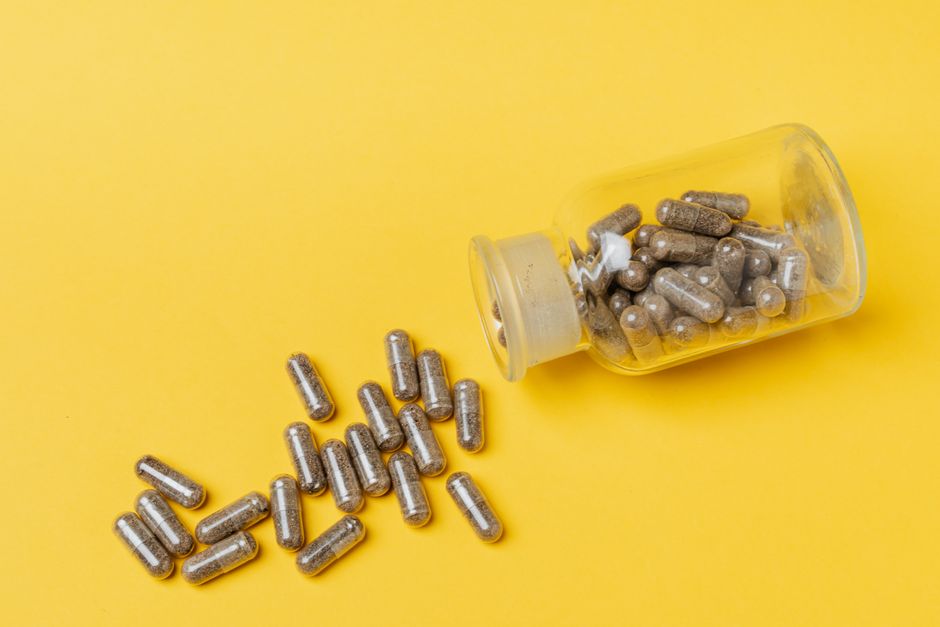
Different eating patterns create specific nutritional gaps that targeted supplements can address. Whether you follow keto, plant-based, or gluten-free eating, understanding your diet’s weak spots helps you supplement strategically rather than randomly.
**Keto dieters** often need electrolyte support during the adaptation phase and beyond. The dramatic reduction in carbohydrates causes your body to release more water and sodium, potentially leaving you deficient in sodium, potassium, and magnesium. A quality electrolyte supplement without added sugars prevents the “keto flu” that derails many beginners. Magnesium glycinate (200-400mg daily) helps with muscle cramps and sleep quality that some people experience on very low-carb diets.
**Vegetarian and vegan diets** shine in many nutrients but typically need vitamin B12, vitamin D3 (not D2), omega-3 DHA/EPA from algae, and sometimes iron supplementation. Vitamin B12 is non-negotiable for vegans since it’s found almost exclusively in animal products—look for methylcobalamin or cyanocobalamin forms in doses of at least 250mcg daily. Plant-based omega-3 supplements derived from algae provide the same EPA and DHA found in fish oil without the fishy aftertaste.
**Gluten-free eaters** should verify that supplements are certified gluten-free, as wheat-based fillers sometimes hide in tablets and capsules. Many people following gluten-free diets benefit from B-complex vitamins, iron, and fiber supplements since fortified wheat products previously provided these nutrients. Check for “certified gluten-free” labels rather than just “gluten-free” claims, as certification involves stricter testing.
Incorporating Supplements into Your Meals
Mixing supplements into foods you already love makes daily supplementation feel less like a chore. Many supplement forms blend seamlessly into meals, increasing compliance and sometimes even improving absorption when taken with fats or other nutrients.
**Smoothie recipes** offer the perfect vehicle for protein powders, greens powders, and ground flaxseed. Try blending one scoop of vanilla protein powder with frozen berries, a handful of spinach, unsweetened almond milk, and a tablespoon of nut butter for a nutrient-packed breakfast. For added omega-3s, blend in a tablespoon of ground flaxseed or chia seeds—these mix better than whole seeds and provide better nutrient absorption.
Powdered supplements like collagen peptides work beautifully in **coffee, tea, and baked goods** because they dissolve without altering flavor. Collagen powder mixes into hot beverages invisibly, while magnesium citrate powder can be stirred into water or juice. According to baking enthusiasts on Reddit, protein powder can replace up to 25% of flour in muffin and pancake recipes—just reduce the liquid slightly to compensate.
**Meal prep strategies** help you remember supplements consistently. Set pill bottles next to your coffee maker or store gummy vitamins with your breakfast foods. Some people use weekly pill organizers, filling them every Sunday to track compliance. Taking fat-soluble vitamins (A, D, E, K) with meals containing healthy fats—like eggs, avocado, or nuts—significantly improves absorption compared to taking them on an empty stomach.
Budget-Friendly Supplement Options
Quality supplements don’t require breaking the bank when you shop strategically. Americans waste money on overpriced products with identical ingredients to budget options, simply because of brand marketing and fancy packaging.
**Online retailers** like Amazon, iHerb, and Vitacost often beat brick-and-mortar prices by 30-50%, especially during sales events. Subscribe-and-save programs typically offer an additional 5-15% discount for regular deliveries. Compare the price per serving rather than per bottle—a 120-count bottle at $25 beats a 60-count at $15 if the serving sizes match.
**Bulk buying** makes sense for supplements you take daily and that remain stable over time. Vitamin D, magnesium, and omega-3s all have shelf lives of 18-24 months when stored properly. Costco and Sam’s Club offer pharmaceutical-grade supplements at wholesale prices, though you’ll need to verify third-party testing since store brands vary in quality. According to consumer watchdog sites, Kirkland Signature (Costco’s brand) frequently matches or exceeds name-brand quality at half the price.
**Coupon strategies** and manufacturer rebates add up quickly. Sign up for email lists from your favorite supplement brands to receive new customer discounts (often 15-25% off). Browser extensions like Honey and RetailMeNot automatically apply coupon codes at checkout. Many brands also offer loyalty programs with points toward future purchases—these work well for supplements you reorder regularly.
Storing and Using Supplements Effectively
Proper storage extends supplement shelf life and maintains potency, while poor storage can render expensive products useless before their expiration dates. Understanding storage requirements prevents waste and ensures you get the benefits you paid for.
**Most supplements** prefer cool, dry, dark locations—a kitchen cabinet away from the stove works better than a humid bathroom medicine cabinet. Heat, light, and moisture degrade vitamins faster than anything else. Probiotics particularly need careful storage, with many requiring refrigeration to keep the beneficial bacteria alive. Check your probiotic label—shelf-stable formulas exist but typically contain different bacterial strains than refrigerated versions.
**Travel strategies** for supplements include using small pill cases for short trips (under a week) and keeping bottles in carry-on luggage for longer journeys. TSA allows vitamins and supplements in both carry-on and checked bags without liquid restrictions. For international travel, keep supplements in their original labeled bottles to avoid customs questions, and check destination country regulations since some ingredients allowed in the US face restrictions elsewhere.
**Maximizing effectiveness** means taking supplements at optimal times for absorption. Fat-soluble vitamins (A, D, E, K) absorb best with meals containing healthy fats. Iron supplements work best on an empty stomach but can cause nausea, so many people take them with a small snack. Calcium and magnesium compete for absorption, so space them several hours apart if taking large doses of both. According to nutrition research, consistency matters more than perfect timing—taking supplements at the same time daily, even if not optimal, beats skipping doses.
Common Mistakes and How to Fix Them
Americans make predictable supplement mistakes that waste money and sometimes cause health problems. Recognizing these patterns helps you avoid the most common pitfalls that trip up even experienced supplement users.
**Taking too many supplements at once** overwhelms your body and your budget. More isn’t automatically better—excess vitamins either get excreted (wasting money) or accumulate to problematic levels. Start with one or two supplements addressing your biggest nutritional gaps, run them for 4-6 weeks, then assess whether you feel different. Reddit supplement communities consistently report better results from focused supplementation than from taking 15 different pills daily.
**Ignoring food-first nutrition** leads people to supplement nutrients they could easily get from diet. No supplement replaces whole foods, which provide fiber, antioxidants, and compounds we haven’t even identified yet. Before adding supplements, honestly assess your diet—if you rarely eat vegetables, a greens powder won’t fix the underlying problem. According to registered dietitians, supplements should fill specific gaps, not serve as insurance policies for poor eating habits.
**Buying based on marketing hype** rather than evidence wastes more money than any other mistake. Proprietary blends hide ingredient doses, making it impossible to verify effectiveness. Celebrity endorsements and before-after photos prove nothing about a supplement’s quality. Check for third-party testing, read the actual research (not just marketing claims), and remember that if results sound too good to be true, they probably are.
Supplement Quality and Safety Concerns
The FDA regulates supplements differently than prescription drugs, creating a buyer-beware market where quality varies dramatically between brands. Understanding these regulatory gaps helps you choose safer products and avoid contaminated or mislabeled supplements.
Supplements don’t require FDA approval before hitting store shelves. Manufacturers are responsible for ensuring safety and accuracy, but enforcement happens only after problems arise. According to consumer protection agencies, this reactive approach means contaminated or mislabeled products sometimes reach consumers before getting recalled. The FDA steps in when consumers file complaints or testing reveals serious issues.
**Third-party testing organizations** fill this regulatory gap by voluntarily testing supplements for purity, potency, and contaminants. USP verification means the product contains the ingredients listed at the claimed potency, free from harmful contaminants like heavy metals. NSF certification includes testing for banned substances, making it popular among athletes. ConsumerLab independently purchases and tests supplements, publishing results for subscribers. Products bearing these seals cost slightly more but significantly reduce your risk of getting ineffective or contaminated supplements.
**Quality complaints** documented on consumer websites reveal common problems: pills containing less active ingredient than labeled, contamination with unlisted substances, and difficulty getting refunds for defective products. If you experience problems with a supplement, report them to both the manufacturer and the FDA’s MedWatch program. Documenting issues helps protect other consumers and can trigger FDA investigations into problematic products.
Frequently Asked Questions
Q: Are supplements regulated by the FDA?
A: Supplements are regulated by the FDA under different rules than prescription drugs. Manufacturers don’t need FDA approval before selling supplements, though they must follow Good Manufacturing Practices and ensure products are safe. The FDA monitors supplements after they reach the market and takes action when problems arise. Third-party testing seals from USP, NSF, or ConsumerLab provide additional quality verification beyond basic FDA requirements.
Q: Can supplements interact with my medications?
A: Yes, supplements can interact with prescription and over-the-counter medications in significant ways. For example, St. John’s Wort reduces effectiveness of birth control and blood thinners, while calcium blocks absorption of certain antibiotics. Always tell your doctor and pharmacist about all supplements you take, especially before surgery or when starting new medications. Pharmacists can check for interactions using drug databases that include common supplements.
Q: How do I know if supplements are actually working?
A: Some supplement effects appear within days (like magnesium for sleep), while others take months to show measurable benefits (like vitamin D for bone health). Keep a simple log noting when you started each supplement and any changes you notice in energy, digestion, sleep, or other concerns. Consider baseline testing for measurable nutrients like vitamin D or iron before supplementing, then retest after 3 months to confirm levels improved. Remember that subtle benefits like disease prevention are hard to feel directly but still valuable.
Top Product Recommendations
| Product Name | Rating | Key Feature | Est. Price | Action |
|---|---|---|---|---|
| Top-rated omega-3 fish oil supplements | ★★★★★ | Editor-recommended omega-3 fish oil supplements from this guide | $18–$42 | Check Lowest Price on Amazon |
| Best-value probiotic supplements 10 billion CFU | ★★★★☆ | Affordable probiotic supplements 10 billion CFU — strong everyday results | $12–$28 | Check Lowest Price on Amazon |
| Premium vitamin D3 softgels | ★★★★☆ | Higher-end vitamin D3 softgels for visible, lasting results | $45–$95 | Check Lowest Price on Amazon |
Affiliate Disclosure: This post contains affiliate links. We may earn a commission if you buy through our links, at no extra cost to you. Medical Disclaimer: This content is for informational purposes only and is not medical advice. Consult a healthcare professional before changing diet or exercise.
Leave a Reply