
What Is the 16/8 Intermittent Fasting Schedule
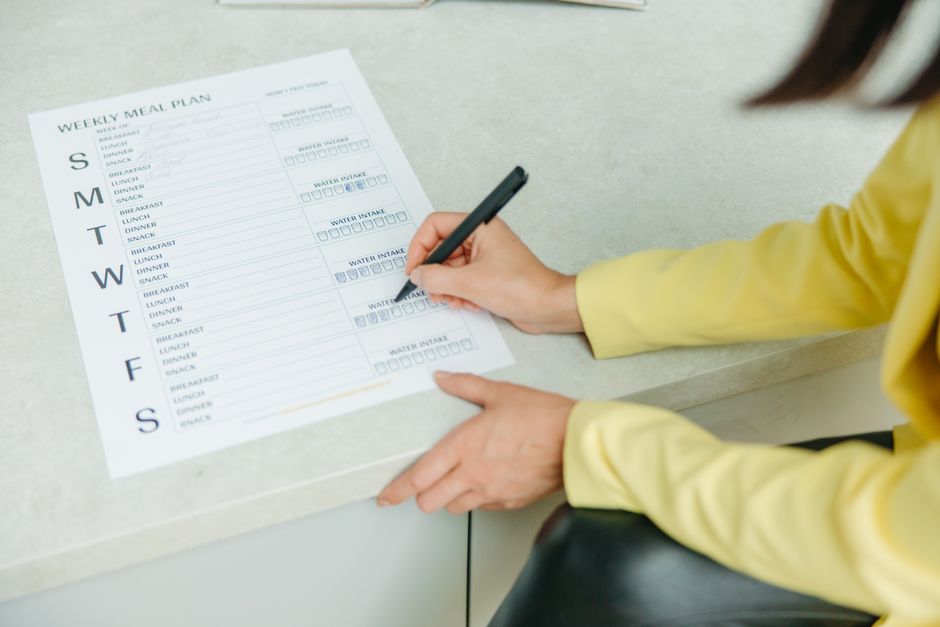
The **16/8 intermittent fasting schedule** means fasting for 16 consecutive hours and eating all your meals within an 8-hour window. You’re not overhauling what you eat — you’re changing *when* you eat it. For most beginners, this looks like skipping breakfast, eating from noon to 8 PM, and fasting through the night and morning.
This method is the most beginner-friendly form of intermittent fasting because it works with your natural sleep cycle. You’re already fasting overnight, so you’re really just extending that window by a few hours. Compared to the 5:2 method or alternate-day fasting, the 16/8 schedule feels far less extreme and is much easier to maintain long-term.
Women are searching for this approach in growing numbers because it promises [weight loss](https://sieunjaye.blog/category/weight-loss/) without calorie obsession or expensive meal kits. It fits around busy schedules involving kids, jobs, and social commitments.
—
Editor’s pick: electrolyte powder zero calorie fasting — see current prices and reviews.
How the 16/8 Schedule Works for Women’s Bodies
Women’s hormones respond differently to fasting than men’s — and this is a distinction beginners often overlook. **Estrogen, cortisol, and insulin** all influence how your body tolerates a fasting window. Some women find that a strict 16-hour fast elevates cortisol, which can stall weight loss if pushed too hard too fast.
Your circadian rhythm also plays a role. Research suggests that eating earlier in the day — aligned with daylight hours — may support better blood sugar regulation and more efficient fat burning. This is why many nutrition experts recommend a 10 AM–6 PM window over a later 1 PM–9 PM option, especially for women.
If you’re new to fasting, ease in over one to two weeks rather than jumping straight to 16 hours. Signs your body is adapting well include steady energy between meals and manageable hunger. Signs of stress include hair loss, disrupted periods, or persistent dizziness — all signals to scale back and consult a doctor.
—
Choosing Your Eating Window
The three most popular eating windows for women are **12 PM–8 PM**, **10 AM–6 PM**, and **1 PM–9 PM**. Each has trade-offs depending on your lifestyle.
- **12 PM–8 PM** — most common starting point; fits US work schedules and family dinners
- **10 AM–6 PM** — better if you work out in the morning and need fuel earlier
- **1 PM–9 PM** — suits night-shift workers or late risers
A smart beginner move is to **start with a 14/10 window** and tighten it to 16/8 over two weeks. This reduces shock to your system and makes the adjustment feel sustainable rather than punishing.
—
What to Eat During Your 8-Hour Window
Within your eating window, **three macronutrients matter most**: protein, healthy fat, and fiber. Protein keeps you full, preserves muscle while you lose fat, and reduces overeating at your next meal. Aim for 25–35 grams of protein per meal from sources like eggs, Greek yogurt, chicken, salmon, lentils, or cottage cheese.
**Fiber-rich foods** — leafy greens, beans, oats, berries, and cruciferous vegetables — slow digestion and stabilize blood sugar between meals. Healthy fats from avocado, olive oil, nuts, and fatty fish support hormone production, which is especially important for women’s hormonal health.
Budget-conscious whole foods that work well on a 16/8 plan:
- **Eggs** — high protein, affordable, versatile
- **Canned tuna or salmon** — cheap omega-3 source
- **Frozen vegetables** — fiber-rich, no prep waste
- **Rolled oats** — filling, slow-digesting carb
- **Chickpeas and lentils** — plant protein plus fiber
- **Chicken thighs** — cheaper than breast, more flavorful
Avoid the trap of eating ultra-processed foods within your window. Intermittent fasting doesn’t give you a free pass on food quality — what you eat still determines how much fat you lose.
—
Sample 7-Day 16/8 Meal Plan for Beginner Women
This plan uses a **12 PM–8 PM eating window** with two to three meals per day. Calorie targets range from 1,400–1,700 kcal without obsessive tracking. Ingredients repeat across days to cut grocery costs.
| Day | Meal 1 (12 PM) | Snack (3–4 PM) | Meal 2 (7 PM) |
|---|---|---|---|
| Mon | Greek yogurt parfait + berries | Apple + almond butter | Sheet-pan chicken + roasted broccoli |
| Tue | Veggie egg scramble | Cottage cheese + cucumber | Salmon + sweet potato + spinach |
| Wed | Protein smoothie bowl | Hard-boiled eggs + carrots | Turkey taco bowl + cauliflower rice |
| Thu | Overnight oats + chia seeds | Hummus + bell pepper strips | One-pan chicken thighs + green beans |
| Fri | Greek yogurt + granola + banana | Tuna salad on whole grain crackers | Baked cod + roasted zucchini + quinoa |
| Sat | Veggie egg scramble (leftover veggies) | Mixed nuts + orange | Stir-fry shrimp + brown rice + snap peas |
| Sun | Smoothie bowl with hemp seeds | Cottage cheese + pineapple | Leftover taco bowl or sheet-pan dinner |
Prep tip: cook a large batch of grains and roasted vegetables on Sunday to reduce daily effort. One-pan and sheet-pan meals keep cleanup minimal.
—
Best Beginner Recipes to Break Your Fast
Your **first meal after a 16-hour fast** sets the tone for hunger and energy for the rest of the eating window. Break your fast with protein, fiber, and healthy fat — not just simple carbs.
Greek Yogurt Parfait
- **Ingredients:** 1 cup plain full-fat Greek yogurt, ½ cup mixed berries, 2 tbsp granola, 1 tbsp chia seeds
- **Macros (approx):** 320 cal, 22g protein, 8g fiber
- **Prep time:** 5 minutes
- **Swap:** Dairy-free? Use unsweetened coconut yogurt. No fresh berries? Frozen mango works well.
Veggie Egg Scramble
- **Ingredients:** 3 large eggs, ½ cup spinach, ¼ cup diced bell pepper, ¼ cup diced onion, olive oil, salt, pepper
- **Macros (approx):** 290 cal, 20g protein, 4g fiber
- **Prep time:** 10 minutes
- **Swap:** Egg-free? Use firm tofu scramble with turmeric. Add feta for extra flavor and calcium.
Protein Smoothie Bowl
- **Ingredients:** 1 scoop vanilla protein powder, 1 frozen banana, ½ cup frozen spinach, ½ cup unsweetened almond milk; toppings: hemp seeds, sliced kiwi, almond butter drizzle
- **Macros (approx):** 380 cal, 28g protein, 7g fiber
- **Prep time:** 8 minutes
- **Swap:** Use pea protein for a fully dairy-free version.
—
Easy Low-Effort Dinners to Close Your Eating Window
Your last meal determines how hungry you’ll feel during the overnight fast. Aim for **lean protein, complex carbs, and vegetables** — the kind of meal that digests steadily rather than spiking blood sugar before bed.
Sheet-Pan Chicken and Roasted Vegetables
Toss chicken thighs with olive oil, garlic powder, paprika, salt, and pepper. Add broccoli florets, bell peppers, and red onion to the same pan. Roast at 400°F for 25–30 minutes. **Total time: under 35 minutes, one pan, minimal cleanup.** This meal delivers roughly 420 calories and 38 grams of protein per serving.
Salmon with Roasted Sweet Potato and Greens
Season a salmon fillet with lemon juice, dill, and garlic. Cube one medium sweet potato, toss with olive oil, and roast at 425°F for 20 minutes. Steam or sauté a handful of kale or spinach while the fish cooks. This meal runs about 450 calories and is loaded with omega-3s, potassium, and iron — nutrients women on a calorie deficit tend to run low on.
Turkey Taco Bowl with Cauliflower Rice
Brown ground turkey with taco seasoning. Serve over riced cauliflower with black beans, salsa, avocado, and a squeeze of lime. **Each bowl runs about 390 calories and delivers 35+ grams of protein.** Make extra cauliflower rice — it reheats well for tomorrow’s lunch.
—
7 Common 16/8 Mistakes Women Make as Beginners
Most women who quit 16/8 in week two aren’t failing because the method doesn’t work — they’re making avoidable beginner errors. These are the seven mistakes that consistently derail results:
- **Skipping protein at meal one.** Without protein in your first meal, you’ll hit a hunger wall by mid-afternoon. Always anchor your break-fast meal with at least 20–25g of protein.
- **Eating too little during the window.** Under-eating triggers your body’s stress response and can cause evening binge cycles. Use IF as a timing tool, not a starvation shortcut.
- **Skipping electrolytes.** Fasting causes electrolyte loss. Without sodium, potassium, and magnesium, you’ll feel dizzy and foggy. Add a pinch of sea salt to water or use a plain electrolyte powder.
- **Choosing the wrong eating window.** A window that conflicts with family dinner or your work lunch break will collapse within days. Build your window around your real life.
- **Expecting dramatic results in week one.** The first week is adaptation, not transformation. Measurable weight loss typically begins in weeks two through four.
- **Ignoring menstrual cycle phases.** Many women need a slightly larger or earlier window in the week before their period. Rigidly sticking to 16/8 during the luteal phase can increase fatigue and cravings.
- **Treating the eating window as a free-for-all.** Food quality and rough calorie awareness still drive actual fat loss results, even with perfect fasting timing.
—
Who Should Approach 16/8 With Caution
**16/8 fasting is not appropriate for every woman.** If you are pregnant, trying to conceive, or currently breastfeeding, fasting can restrict the caloric intake and micronutrient density your body needs. The potential risks to fetal development and milk supply are not worth the benefit during these stages.
Women with a history of **disordered eating** — including restrictive patterns, orthorexia, or binge-restrict cycles — should approach any timed eating protocol carefully. The structure of fasting can reinforce unhealthy relationships with food for some people. If you feel anxiety or obsession around your eating window, speak with a therapist or registered dietitian before continuing.
Those with **thyroid conditions, adrenal fatigue, or hormonal imbalances** should consult their physician before starting. Fasting can stress the HPA axis, and for women already dealing with cortisol dysregulation or low thyroid function, that additional stress can worsen symptoms.
—
How to Stay Full and Energized During the Fasting Hours
The fasting hours are the hardest part for most beginners, but they become dramatically easier once you understand the difference between **true physical hunger and habitual hunger**. Most people feel hungry at 8 AM not because they’re starving, but because their body has been trained to expect food at that time. That habit hunger fades within one to two weeks.
Approved beverages during your fasting window:
- **Plain water** (still or sparkling — avoid flavored varieties with citric acid)
- **Black coffee** (no cream, sugar, or flavored syrups)
- **Plain herbal tea** (avoid fruit teas with added sugar)
- **Zero-calorie electrolyte water** (look for versions with sodium and potassium)
Practical habits that make fasting feel shorter include going to sleep 30–45 minutes later to push back your wake time and building a morning routine that keeps you busy. Save your first glass of water or black coffee as a small daily ritual that signals the start of your day.
—
Building Your Free Personalized 16/8 Starter Plan
Building a sustainable plan starts with your **wake time and work schedule** — not an idealized template. If you wake at 6 AM, a 12 PM–8 PM window means a six-hour gap before your first meal, which is manageable for most people within two weeks. If you wake at 5 AM, a 10 AM–6 PM window works better.
Here’s a simple framework to map your plan:
1. **Set your wake time.** Note how many hours until your planned eating window opens.
2. **Choose two or three meals** within your eight hours. Two substantial meals plus a snack often works better than three full meals for women.
3. **Assign rough targets:** 25–35g protein per meal, at least one serving of vegetables, and a fiber-rich carb source at least once per day.
4. **Review after week one.** Extremely hungry at hour 14? Shift your window one hour earlier. Evenings hard? Move your window 30 minutes later.
5. **Add meal prep on week two** to reduce daily decision fatigue. Cook grains, proteins, and roasted vegetables in bulk on Sunday.
Exploring more practical strategies for [weight loss through nutrition](https://sieunjaye.blog/category/weight-loss/) can help you build on the habits you establish here. Adjust weekly based on honest hunger and energy feedback — not just the scale. The most successful version of 16/8 is the one that fits your actual life and leaves you energized, not depleted.
—
Frequently Asked Questions
Can women really lose weight with a 16/8 fasting schedule, or does it slow metabolism?
Research consistently shows that **16/8 fasting supports fat loss** in women when total calorie intake is appropriate and protein is prioritized. It does not meaningfully slow metabolism when practiced correctly — but severe calorie restriction *within* the window can. Aim for 1,400–1,700 kcal per day depending on your size and activity level, and keep protein at 100+ grams daily to protect muscle mass.
What should a beginner woman eat to break her fast without undoing her progress?
Break your fast with a **protein-first meal** — Greek yogurt, eggs, a protein smoothie, or cottage cheese paired with fiber-rich vegetables or fruit. Avoid breaking your fast with refined carbs or sugary foods, which spike blood sugar quickly and increase hunger within two hours. A solid first meal sets your appetite tone for the entire eating window.
Is it normal to feel hungrier or more tired in the first week of 16/8 fasting?
Yes — the first five to seven days are an adjustment period, and mild fatigue or increased hunger is normal. Your body is recalibrating hunger hormones (ghrelin and leptin) and learning to use stored fat for fuel. **Adequate electrolyte intake and quality sleep** are the two fastest ways to reduce first-week fatigue. If symptoms are severe or persist past day 10, scale back to a 14/10 window and consult your doctor.
How do I adjust the 16/8 schedule for early morning shifts or night shifts?
Shift your eating window to align with your actual waking hours rather than clock time. If you start work at 5 AM, an **8 AM–4 PM window** keeps your fast tied to overnight sleep and gives you two solid meals before your shift ends. For night-shift workers, align your eating window with your personal “daytime” — the hours when you’re most active and alert.
Do I have to count calories on a 16/8 plan?
Strict calorie counting isn’t required, but **rough awareness matters**. Intermittent fasting naturally reduces eating opportunities, which tends to lower calorie intake. Focus on protein targets (100+ grams daily), fiber-rich whole foods, and eating until satisfied — not stuffed. If weight loss stalls after four weeks, a brief calorie audit often reveals where extra calories are sneaking in.
Top Product Recommendations
| Product Name | Rating | Key Feature | Est. Price | Action |
|---|---|---|---|---|
| Top-rated electrolyte powder zero calorie fasting | ★★★★★ | Editor-recommended electrolyte powder zero calorie fasting from this guide | $18–$42 | Check Lowest Price on Amazon |
| Best-value plain Greek yogurt high protein | ★★★★☆ | Affordable plain Greek yogurt high protein — strong everyday results | $12–$28 | Check Lowest Price on Amazon |
| Premium protein powder women weight loss vanilla | ★★★★☆ | Higher-end protein powder women weight loss vanilla for visible, lasting results | $45–$95 | Check Lowest Price on Amazon |
Affiliate Disclosure: This post contains affiliate links. We may earn a commission if you buy through our links, at no extra cost to you. Medical Disclaimer: This content is for informational purposes only and is not medical advice. Consult a healthcare professional before changing diet or exercise.
Leave a Reply