
Why Intermittent Fasting Works for Women

Intermittent fasting has become a popular approach to weight loss and metabolic health for women seeking sustainable results. The method creates specific eating and fasting windows that allow your body to shift from burning glucose to burning stored fat. When implemented thoughtfully, this eating pattern can be particularly effective for women’s unique hormonal needs.
The science centers on metabolic switching. During fasting periods, insulin levels drop, signaling your body to access fat stores for energy. This process typically begins after 12-14 hours of fasting, making the **16/8 schedule** an ideal entry point for beginners.
Women’s hormones respond differently to fasting than men’s, so a gradual approach is essential. The 16/8 method provides enough fasting time to trigger fat burning while maintaining hormonal balance. Many women report improved energy levels, clearer thinking, and steady weight loss when following this schedule consistently.
Quick pick: Compare top-rated Weight Loss options.
Choosing Your 8-Hour Eating Window
Several intermittent fasting schedules exist, each with different fasting and eating windows. The 14/10 schedule offers a gentle introduction. The 18/6 and 20/4 schedules provide more aggressive fasting periods for experienced practitioners.
The **16/8 schedule** strikes the perfect balance for beginners:
- Fast for 16 hours
- Eat during an 8-hour window
- Common windows: noon to 8 PM or 10 AM to 6 PM
Choose your eating window based on your daily routine and social commitments. If you prefer morning workouts and family dinners, an 11 AM to 7 PM window works well. Night shift workers might opt for a 2 PM to 10 PM window instead. Consistency matters more than the specific hours you choose.
Preparing Your Body for Fasting
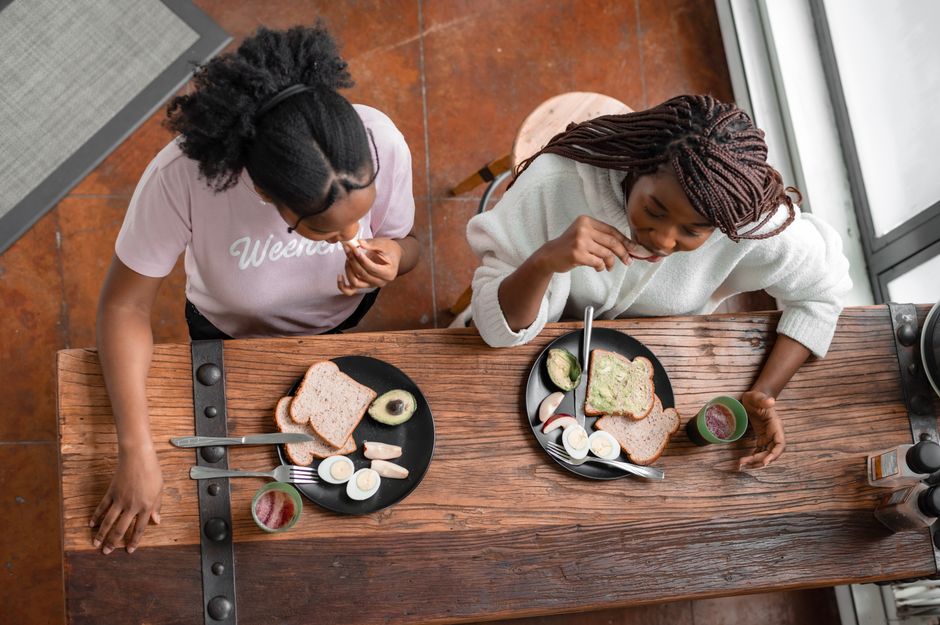
Transitioning to intermittent fasting requires a thoughtful approach rather than an abrupt change. Start by gradually pushing back your breakfast time by 30 minutes each day until you reach your desired fasting window. This method helps your body adapt without triggering intense hunger or energy crashes.
During the first week, you may experience:
- Hunger pangs between meals
- Slight headaches or fatigue
- Temporary irritability
These symptoms are normal as your body adjusts to using fat for fuel instead of constant glucose intake. Most women report these side effects diminishing significantly after 5-7 days of consistency.
Prepare mentally by planning your eating window around your busiest times. If mornings are hectic with work or kids, fasting through breakfast actually simplifies your routine. Stock your kitchen with nutrient-dense foods before starting, so you’re not tempted to break your fast with convenient but unhealthy options.
What to Eat During Your Eating Window
What you eat during your eating window matters just as much as when you eat. Focus on **whole foods** that provide sustained energy and keep you satisfied throughout your fasting period. Lean proteins, healthy fats, complex carbohydrates, and plenty of vegetables form the foundation of successful weight loss through intermittent fasting.
Your first meal after fasting should be balanced and moderate in size:
- Grilled chicken with roasted vegetables and quinoa
- Salmon salad with avocado and olive oil dressing
- Turkey and vegetable stir-fry with brown rice
These combinations provide protein for satiety, fiber for digestion, and healthy fats for hormone production. Avoid breaking your fast with sugary or highly processed foods that spike insulin and trigger cravings.
Meal planning saves both time and money while supporting your goals. Prepare large batches of proteins and vegetables on weekends, then mix and match throughout the week. Budget-friendly staples like eggs, canned tuna, frozen vegetables, sweet potatoes, and beans offer exc nt nutrition without breaking the bank.
Staying Hydrated During Fasting Hours
Hydration plays a crucial role in successful intermittent fasting and overall weight loss. Water helps suppress appetite, supports metabolism, and prevents the headaches often mistaken for hunger during fasting periods. Aim for at least 8-10 glasses of water throughout your day, with most consumed during fasting hours.
During your 16-hour fasting window, you can consume **zero-calorie beverages** without breaking your fast:
- Black coffee (hot or cold brew)
- Unsweetened tea (green, black, or herbal)
- Sparkling water or plain water
- Water with lemon or lime
These drinks can actually help curb hunger and provide a comforting routine during morning hours. Avoid adding cream, sugar, or artificial sweeteners to your beverages during fasting hours—even small amounts can trigger insulin responses and interrupt the fasting state.
Combining Fasting with Exercise
Exercise enhances the weight loss benefits of intermittent fasting by building lean muscle and boosting metabolism. The key is finding the right timing and intensity that works with your fasting schedule. Many women prefer exercising during their fasting window, while others feel better working out after their first meal.
**Low to moderate intensity cardio** like walking, cycling, or swimming works well during fasted states. These activities tap into fat stores without requiring significant glucose. Strength training builds muscle that burns calories even at rest, making it an essential component of any weight loss plan.
Schedule your most intense workouts during your eating window or shortly before breaking your fast. This timing ensures you have energy for performance and can refuel properly afterward. Start with 3-4 workout sessions per week and gradually increase as your body adapts to the combined stress of fasting and exercise.
Overcoming Common Challenges
Social situations and dining out present unique challenges when following a fasting schedule. Communicate your eating window to friends and family so they understand why you might skip breakfast meetings or early dinners. Most people are supportive once they understand your health goals.
Staying consistent requires planning ahead for special occasions and travel. If you know you’ll attend a morning brunch, adjust your fasting window the day before and after to maintain weekly consistency. Flexibility within structure prevents the all-or-nothing mentality that derails many beginners.
Time management becomes easier with meal prep and simple recipes:
- Dedicate 2-3 hours on Sunday to prepare proteins
- Chop vegetables and store in containers
- Portion snacks like nuts, cheese, and fruit
- Cook grains and legumes in bulk
This investment saves decision fatigue during busy weekdays when you’re most vulnerable to convenient but unhealthy food choices.
Tracking Your Progress
Setting realistic weight loss goals keeps you motivated without creating unrealistic expectations. A healthy target for women following the 16/8 schedule is **1-2 pounds per week**. This pace ensures you’re losing fat rather than muscle and water weight, leading to sustainable long-term results.
Keeping a food and exercise journal provides valuable insights into patterns and progress. Track what you eat, when you eat, how you feel, and your daily activities. After a few weeks, you’ll notice which foods keep you satisfied longer and which workout times feel most energizing.
Celebrate non-scale victories like improved energy, better sleep, clearer skin, or clothes fitting more comfortably. These indicators often appear before significant weight changes and prove your efforts are working.
| Week | Expected Progress | Focus Areas |
|---|---|---|
| 1-2 | Adaptation phase | Establishing routine, managing hunger |
| 3-4 | 2-4 lbs loss | Refining meal choices, adding exercise |
| 5-8 | 4-8 lbs loss | Optimizing timing, building consistency |
| 9+ | Steady 1-2 lbs/week | Fine-tuning, maintaining lifestyle |
Frequently Asked Questions
What is the best way to break my fast?
Break your fast with a balanced meal containing protein, healthy fats, and fiber. A vegetable omelet with avocado, Greek yogurt bowl with berries and nuts, or grilled chicken with roasted vegetables all make exc nt first meals. Start with moderate portions to avoid digestive discomfort after extended fasting.
Can I drink coffee or tea during fasting hours?
Yes, black coffee and unsweetened tea are perfectly acceptable during fasting hours and won’t break your fast. These beverages contain virtually no calories and can actually help suppress appetite. Avoid adding cream, milk, sugar, or artificial sweeteners, as these additions trigger insulin responses.
How often should I follow the 16:8 schedule?
Most women see best results following the 16/8 schedule 5-7 days per week consistently. However, you can adjust based on your lifestyle and hormonal needs. Some women prefer 5-6 days per week with weekend flexibility for social events. Listen to your body and maintain at least 4-5 fasting days weekly for noticeable weight loss results.
Will intermittent fasting affect my menstrual cycle?
Some women experience temporary changes in their menstrual cycle when starting intermittent fasting, especially if they’re also restricting calories significantly. If you notice irregular periods or other hormonal symptoms, consider starting with a 14/10 schedule instead or fasting only 5 days per week. Always consult your healthcare provider if concerns persist.
What if I get extremely hungry during fasting hours?
Extreme hunger often improves after the first week as your body adapts. In the meantime, drink water, black coffee, or herbal tea to help manage hunger pangs. If hunger persists beyond two weeks, you may need to adjust your eating window, increase protein and healthy fats during meals, or ensure you’re eating enough calories overall.
Top Product Recommendations
| Product Name | Rating | Key Feature | Est. Price | Action |
|---|---|---|---|---|
| Top-rated intermittent fasting journal for women | ★★★★★ | Editor-recommended intermittent fasting journal for women from this guide | $18–$42 | Check Lowest Price on Amazon |
| Best-value water bottle with time markers | ★★★★☆ | Affordable water bottle with time markers — strong everyday results | $12–$28 | Check Lowest Price on Amazon |
| Premium meal prep containers set | ★★★★☆ | Higher-end meal prep containers set for visible, lasting results | $45–$95 | Check Lowest Price on Amazon |
Affiliate Disclosure: This post contains affiliate links. We may earn a commission if you buy through our links, at no extra cost to you. Medical Disclaimer: This content is for informational purposes only and is not medical advice. Consult a healthcare professional before changing diet or exercise.
Leave a Reply