
What Is Intermittent Fasting?
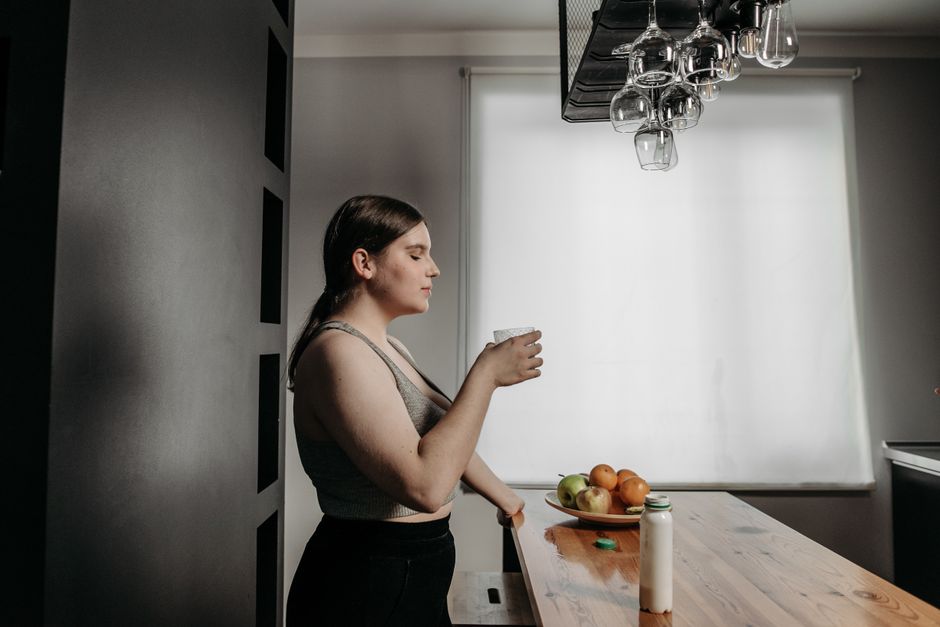
Intermittent fasting is an eating pattern that cycles between periods of eating and fasting. Unlike traditional diets that focus on what you eat, intermittent fasting focuses on **when** you eat. The idea is straightforward: give your body an extended window without food, and it shifts into a state that supports fat burning, stable energy, and better metabolic health. Millions of women across the United States have adopted this approach as a practical way to manage weight without counting calories or dramatically restricting food choices.
Research suggests that intermittent fasting may help regulate insulin levels, reduce inflammation, and support cellular repair processes. For women specifically, the hormonal landscape is different from men’s, which is why many health experts recommend gentler fasting schedules. The 16:8 method is one of the most approachable entry points, and it works with your body’s natural rhythms rather than against them. Starting a routine like this can feel overwhelming, but breaking it down step by step makes it very manageable for beginners.
The most important thing to understand is that intermittent fasting is not about starvation. You eat plenty of food during your eating window — the fasting part simply means you stop snacking after dinner and wait until mid-morning to eat again. Many women find that this structure actually reduces decision fatigue around food and leads to more mindful eating overall.
Quick pick: Compare top-rated Weight Loss options.
Why Choose the 16:8 Fasting Schedule?
The 16:8 fasting schedule means you fast for 16 hours and eat all your meals within an 8-hour window. For most women, this might look like finishing dinner by 8 PM and eating breakfast around noon the next day. That fasting window gives your body time to deplete glucose stores and start tapping into stored fat for energy. The eating window of 8 hours is long enough to consume balanced, satisfying meals without the stress of extreme restriction.
Compared to more aggressive fasting methods like 5:2 or alternate-day fasting, the 16:8 schedule is widely regarded as the most sustainable option for beginners. It aligns closely with natural overnight fasting — you are already fasting while you sleep — so extending that window by a few morning hours is relatively easy to adapt to. This makes it less disruptive to social life, work schedules, and family meals.
Many women also appreciate that the 16:8 schedule does not require special foods, supplements, or meal replacements. You eat regular food during your eating window, just within a compressed timeframe. That simplicity is a big reason why the 16:8 method has become the most popular intermittent fasting protocol in the United States, especially among women who are new to fasting.
How to Prepare Before You Start

Before you start any new eating pattern, it is a good idea to talk with your doctor, particularly if you have a history of hormonal imbalances, disordered eating, thyroid conditions, or are pregnant or breastfeeding. Once you get the green light, mental preparation matters just as much as physical preparation. Think about your goals clearly — whether that is supporting a healthy weight, improving energy, or establishing better eating rhythms — and write them down somewhere visible.
Some practical preparation tips can make a significant difference:
- **Start by gradually narrowing your eating window** a few days before you begin the full 16:8 schedule
- **Clear your kitchen of temptation foods** that are easy to grab during fasting hours
- **Stock your fridge with ready-to-eat options** such as hard-boiled eggs, Greek yogurt, and pre-cut vegetables
- **Plan your meals in advance** to remove impulsive decisions and set yourself up for success
Small incremental adjustments like these prevent the shock of a sudden change and help your body adapt more smoothly. Planning ahead removes impulsive decisions and sets you up for success from day one.
Best Foods to Eat During Your Eating Window
During your eating window, focus on whole, nutrient-dense foods that keep you satisfied for hours. A balanced plate should include:
- **Lean proteins** such as chicken breast, wild salmon, tofu, and eggs to support muscle maintenance
- **Healthy fats** from extra-virgin olive oil, avocado, and raw nuts to regulate hormones and keep hunger at bay
- **Complex carbohydrates** from quinoa, sweet potatoes, and oatmeal for sustained energy without blood sugar crashes
When it comes to foods to limit or avoid, processed snacks, sugary beverages, and refined carbohydrates are the main culprits. These items cause rapid spikes in blood sugar followed by crashes that leave you feeling hungry, irritable, and prone to overeating. Alcohol during the eating window can also interfere with your body’s fasting benefits, so keep consumption minimal and always within your eating hours.
Staying hydrated is one of the most underrated aspects of successful fasting. Plain water, herbal tea, and black coffee (without sugar or cream) do not break a fast and help suppress appetite during fasting hours. Aim for at least eight glasses of water daily, and consider adding a pinch of sea salt to your water to support electrolyte balance.
Step-by-Step: Starting the 16:8 Schedule
Picking the right 8-hour eating window for your lifestyle is one of the most important early decisions. Think about your daily routine. If you have early morning commitments, an eating window from 11 AM to 7 PM might work best. If you prefer eating dinner with your family, try a window from noon to 8 PM instead. The goal is to choose a window you can stick to consistently.
When you are just starting out, consider beginning with a slightly shorter fast — perhaps 14:10 — for the first week. Once your body adjusts and the hunger signals feel manageable, extend gradually to 15:9, and then move to the full 16:8 schedule. Rushing into a full 16-hour fast before you are ready can lead to fatigue, irritability, and quitting within days.
Common mistakes beginners make include eating too little during the eating window, which leads to rebound hunger, and trying to fast on days when they have unusually high energy demands. Listen to your body. If you have an intense workout or a physically demanding day planned, you may need to slightly adjust your eating window that day. The schedule should serve your life, not the other way around.
Simple Recipes for the 8-Hour Eating Window
A satisfying first meal sets the tone for the entire day. Here are three easy recipes to fuel your eating window:
Spinach and Egg Breakfast Bowl
Scramble two large eggs with a handful of fresh spinach, top with half an avocado sliced on top, and sprinkle with everything bagel seasoning. Drizzle with extra-virgin olive oil and serve with a side of fresh berries. This meal takes about 10 minutes to prepare and keeps you full well past noon.
Grilled Chicken Quinoa Bowl
Toss cubed sweet potato and zucchini with olive oil and sea salt, roast at 400°F for 25 minutes, and slice grilled chicken breast on top. Add cooked quinoa, a handful of arugula, and a simple lemon-olive oil dressing. This balanced bowl delivers complex carbs, lean protein, and fiber in one satisfying meal that is easy to meal prep ahead of time.
Baked Salmon with Asparagus
Season a salmon fillet with garlic powder, paprika, and lemon zest, bake at 375°F for 18 to 20 minutes, and serve alongside roasted asparagus spears and cauliflower rice sautéed in a little butter. Finish the day with a small handful of mixed raw nuts as an evening snack if you need something to tide you over until your fasting window begins again.
Staying on Track and Managing Cravings
Cravings during fasting hours are one of the most common challenges, and they are completely normal. The best strategy is to stay busy — hunger often has a psychological component, and distraction is a powerful tool. Drink a large glass of water, take a short walk, or immerse yourself in a task. Most cravings pass within 15 to 20 minutes if you do not give in to them immediately.
Keeping a positive mindset is essential, especially in the first two weeks when your body is adapting. Many women feel fatigued or irritable initially, which is a temporary adjustment period known as fasting fatigue. Remind yourself that these symptoms are signs your body is shifting its fuel source, not signs that the approach is wrong. Journaling your feelings and tracking non-scale victories — such as better focus, improved mood, or more stable energy — can be incredibly motivating.
Accountability makes a big difference. Share your goals with a friend, join an online community of women practicing intermittent fasting, or simply weigh yourself once a week rather than daily to track progress without triggering anxiety. For more practical tips on building sustainable habits, explore our weight-loss resources and guides.
Common Fasting Schedules Compared
Here is a quick comparison of the most popular intermittent fasting schedules to help you find the right fit:
| Fasting Schedule | Fasting Hours | Eating Window | Best For |
|---|---|---|---|
| **16:8 (recommended)** | 16 hours | 8 hours | Beginners and women new to fasting |
| **14:10** | 14 hours | 10 hours | Women easing into intermittent fasting |
| **18:6** | 18 hours | 6 hours | Intermediate fasters with more experience |
| **5:2** | 5 days normal | 2 low-calorie days | Women comfortable with calorie counting |
| **Alternate Day** | 1 day fasting | 1 day normal | Advanced practitioners only |
Frequently Asked Questions
Can I drink coffee or tea during fasting hours?
Yes, plain black coffee and unsweetened herbal tea do not break a fast and are generally considered safe during your fasting window. These beverages can even help suppress mild hunger and provide a mental boost. However, avoid adding sugar, cream, milk, or flavored creamers, as these can technically trigger an insulin response. If you need flavor, a small pinch of cinnamon or a splash of plain almond milk in your coffee is a low-calorie compromise many women use successfully.
How do I handle eating out or social events during fasting periods?
Social events are one of the most common hurdles for women practicing the 16:8 schedule. The best approach is to schedule your eating window around anticipated events when possible. If an event falls outside your window, you have a few options: shift your window that day to accommodate the meal, or simply enjoy the social gathering and return to your schedule the next day. Skipping one meal or extending your fast by a couple of hours on a special occasion will not derail your overall progress.
What if I accidentally eat something during my fasting period?
Accidentally eating outside your fasting window happens to everyone at some point, and it is not the end of your progress. One slip-up will not undo weeks of consistency. Simply resume your next scheduled eating window as planned and carry on. The key metric to watch is your overall pattern over weeks and months, not any single day. Many women find that these small mishaps decrease dramatically as they become more familiar with their schedule and develop routines that naturally support their fasting windows.
Is the 16:8 schedule safe for all women?
The 16:8 schedule is generally considered safe for most healthy women. However, if you have a history of hormonal imbalances, disordered eating, thyroid conditions, or are pregnant or breastfeeding, consult your healthcare provider before starting. Some women may also want to start with a gentler 14:10 approach and build up to 16:8 gradually. Listening to your body and prioritizing your overall health always comes first.
Top Product Recommendations
| Product Name | Rating | Key Feature | Est. Price | Action |
|---|---|---|---|---|
| Top-rated extra-virgin olive oil | ★★★★★ | Editor-recommended extra-virgin olive oil from this guide | $18–$42 | Check Lowest Price on Amazon |
| Best-value wild salmon fillet | ★★★★☆ | Affordable wild salmon fillet — strong everyday results | $12–$28 | Check Lowest Price on Amazon |
| Premium quinoa organic | ★★★★☆ | Higher-end quinoa organic for visible, lasting results | $45–$95 | Check Lowest Price on Amazon |
Affiliate Disclosure: This post contains affiliate links. We may earn a commission if you buy through our links, at no extra cost to you. Medical Disclaimer: This content is for informational purposes only and is not medical advice. Consult a healthcare professional before changing diet or exercise.
Leave a Reply