Understanding Intermittent Fasting
Intermittent fasting has become one of the most popular weight-loss approaches for Americans in 2026. This eating pattern cycles between periods of eating and fasting, focusing on **when** you eat rather than what you eat. Unlike traditional diets that restrict specific foods, intermittent fasting creates a predictable eating window that helps your body optimize fat burning and metabolic health.
The benefits of intermittent fasting for weight loss are backed by growing research. During fasting periods, your body shifts from burning glucose to burning stored fat for energy. This metabolic switch typically happens after 12-16 hours without food. Many Americans report losing 1-2 pounds per week while maintaining muscle mass, experiencing improved energy levels, and finding the pattern easier to sustain than calorie-counting diets.
The most common intermittent fasting schedules include the **16:8 method** (fasting for 16 hours and eating within an 8-hour window, like noon to 8 PM) and the **5:2 approach** (eating normally five days per week and restricting calories to 500-600 on two non-consecutive days). The 16:8 method works well for busy professionals who can skip breakfast and eat lunch through early dinner. The 5:2 approach offers more flexibility for social eating on most days while still creating a calorie deficit.
Editor’s pick: meal prep containers glass — compare options and current availability.
Creating a Balanced Meal Plan
Balanced nutrition becomes even more critical during intermittent fasting because you’re condensing your nutrient intake into fewer hours. Your body still needs the same vitamins, minerals, and macronutrients—you’re just delivering them in a compressed timeframe. Poor meal choices during your eating window can leave you hungry, fatigued, and nutritionally deficient.
Macronutrients form the foundation of your intermittent fasting meal plan. **Protein** (aim for 0.7-1 gram per pound of body weight) preserves muscle mass during fasting and keeps you satisfied. Chicken breast, ground turkey, eggs, Greek yogurt, and canned tuna are budget-friendly options. **Healthy fats** from avocados, olive oil, nuts, and fatty fish support hormone production and satiety. **Complex carbohydrates** from oats, brown rice, sweet potatoes, and whole-grain bread provide sustained energy without blood sugar spikes.
Micronutrients—vitamins and minerals—deserve equal attention in your meal plan. Iron from lean beef or spinach prevents fatigue. Calcium from dairy or fortified plant milk supports bone health. B vitamins from whole grains and eggs boost metabolism. Magnesium from nuts and leafy greens aids sleep quality. A well-constructed intermittent fasting meal plan naturally delivers these nutrients through varied, whole-food choices rather than relying heavily on supplements.
Foods to Enjoy During Eating Hours
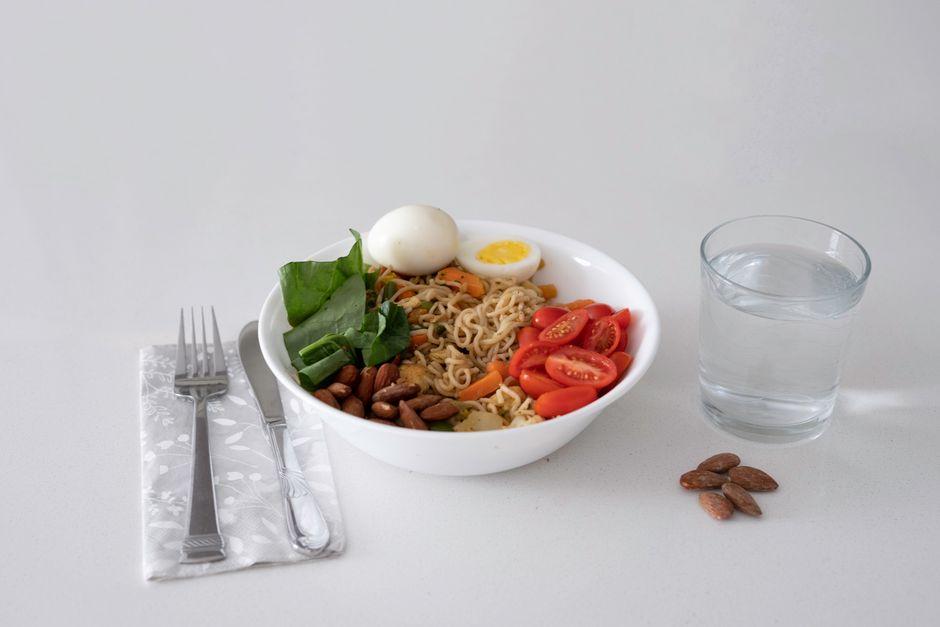
Your eating window should emphasize **nutrient-dense, low-calorie foods** that deliver maximum nutrition per bite. These foods help you meet nutritional needs without overshooting your calorie target. Leafy greens like spinach and kale, cruciferous vegetables like broccoli and cauliflower, and colorful peppers pack vitamins, minerals, and fiber with minimal calories. These should fill half your plate at each meal.
Fruits and vegetables provide essential vitamins, antioxidants, and fiber that support weight loss and overall health. Berries (strawberries, blueberries, raspberries) offer sweetness with less sugar than tropical fruits. Apples and pears provide satisfying crunch and pectin fiber. Citrus fruits deliver vitamin C for immune support. Frozen vegetables are just as nutritious as fresh and often more affordable—stock up on mixed vegetables, green beans, and Brussels sprouts.
Healthy snacks during your eating window prevent overeating at meals and maintain stable energy. Keep **hard-boiled eggs**, **string cheese**, **raw almonds**, **carrot sticks with hummus**, and **Greek yogurt** readily available. A small handful of nuts (about 1 ounce) provides healthy fats and protein. Baby carrots or cucumber slices with 2 tablespoons of hummus offer crunch and fiber. These snacks take minutes to prepare and travel well for work or errands.
Preparing for Your Fasting Period
Stocking your pantry with healthy staples eliminates decision fatigue and prevents last-minute fast-food runs. Essential pantry items include **canned beans** (black beans, chickpeas, kidney beans), **whole grains** (brown rice, quinoa, whole-wheat pasta), **canned tomatoes**, **olive oil**, and **spices** (garlic powder, cumin, paprika, Italian seasoning). These ingredients form the base of hundreds of quick, healthy meals. Frozen chicken breasts, ground turkey, and frozen vegetables belong in every intermittent faster’s freezer.
Meal prepping on Sunday afternoons saves 30-45 minutes per weeknight and ensures you have healthy options ready during your eating window. Cook a large batch of **grilled chicken breast**, **hard-boiled eggs**, and **roasted vegetables** on Sunday. Portion them into containers for grab-and-go meals. Prepare overnight oats in mason jars for quick breakfasts if your eating window includes morning hours. Chop vegetables on Sunday so stir-fries and salads come together in 10 minutes.
Time-saving tips for busy home cooks include using a **slow cooker** for hands-off meals (throw in chicken, salsa, and beans in the morning for shredded chicken tacos by dinner), buying pre-washed salad greens, and embracing **one-pan meals** like sheet-pan salmon with roasted vegetables. Rotisserie chicken from the grocery store costs about $8 and provides protein for 3-4 meals. Canned tuna, salmon, and chicken work in salads, wraps, and pasta dishes with zero cooking time.
Delicious and Nutritious Meal Ideas
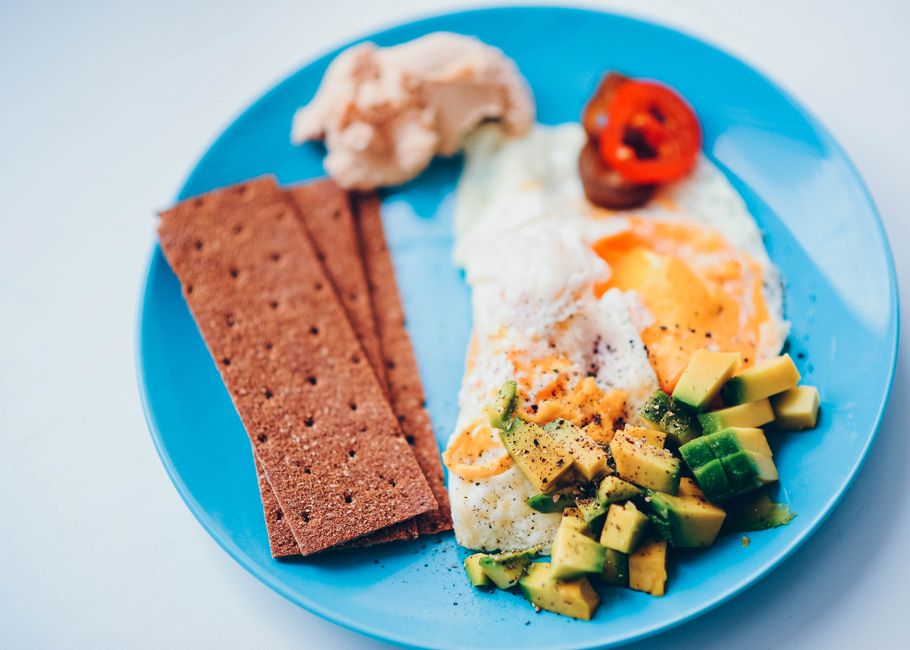
**Breakfast recipes** for those whose eating window includes morning hours should balance protein, complex carbs, and healthy fats. Try **veggie-packed omelets** with spinach, tomatoes, and feta cheese (3 eggs, 1 cup vegetables, 1 ounce cheese—about 350 calories). **Overnight oats** combine ½ cup rolled oats, 1 cup unsweetened almond milk, 1 tablespoon chia seeds, and ½ cup berries for a 300-calorie meal with 10 grams of protein. **Greek yogurt parfaits** layer 1 cup plain Greek yogurt, ¼ cup granola, and fresh berries for 25 grams of protein.
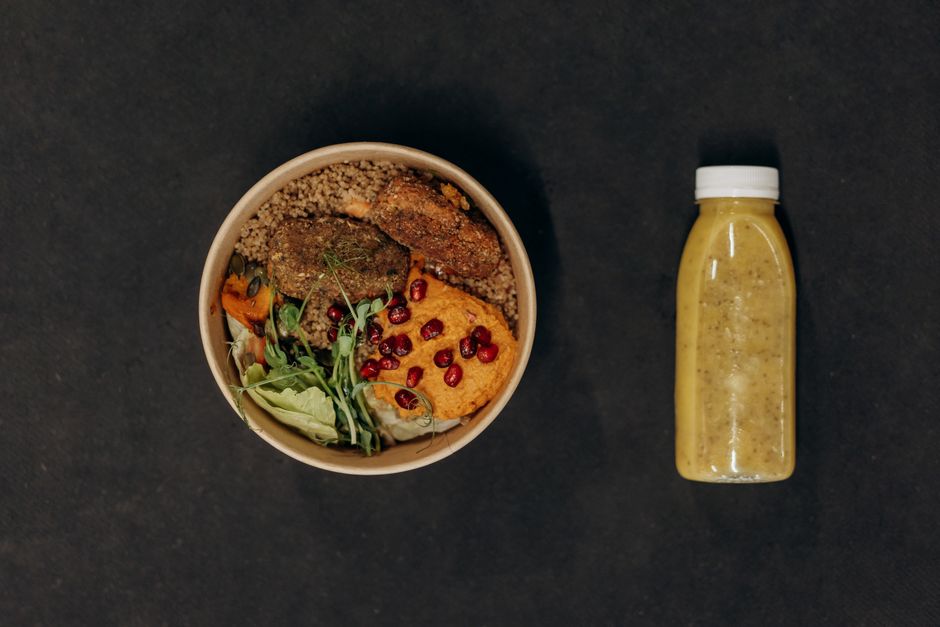
Lunch and dinner options should emphasize vegetables, lean protein, and modest portions of whole grains. **Mediterranean chicken bowls** combine 4 ounces grilled chicken, 1 cup mixed greens, ½ cup cooked quinoa, cucumber, cherry tomatoes, olives, and 2 tablespoons tzatziki (about 450 calories). **Turkey and vegetable stir-fry** uses 4 ounces ground turkey, 2 cups mixed vegetables, 1 tablespoon soy sauce, and garlic over ½ cup brown rice (approximately 400 calories). **Sheet-pan salmon** with 4 ounces fish, roasted Brussels sprouts, and sweet potato wedges delivers omega-3 fats and satisfying flavor.
Healthy dessert recipes satisfy sweet cravings without derailing your progress. **Dark chocolate-dipped strawberries** (6-8 large strawberries with 1 ounce melted dark chocolate) provide antioxidants for about 150 calories. **Baked cinnamon apples** (1 apple sliced and baked with cinnamon and a teaspoon of honey) taste like apple pie for 100 calories. **Frozen banana “nice cream”** blends frozen banana chunks with a splash of almond milk for a creamy, naturally sweet treat with no added sugar.
Meal Swaps for Budget-Conscious Cooks
Affordable protein sources keep your intermittent fasting meal plan sustainable on any budget. **Eggs** cost about $3-4 per dozen and provide 6 grams of protein each. **Canned tuna** runs $1-2 per can and works in salads, wraps, and pasta. **Dried beans** cost pennies per serving—one pound of dried black beans makes 6-8 servings for under $2. **Chicken thighs** cost 30-40% less than breasts and stay moist when baked or grilled. **Ground turkey** often goes on sale for $3-4 per pound and works in tacos, chili, and pasta sauces.
Budget-friendly vegetable and grain options include **frozen vegetables** (often $1-2 per bag), **seasonal produce** (check weekly grocery store flyers), and **bulk grains**. Buy **brown rice, oats, and whole-wheat pasta** in bulk from warehouse stores for significant savings. **Cabbage**, **carrots**, and **onions** are inexpensive year-round and add volume and nutrition to countless dishes. **Sweet potatoes** cost about $1 per pound and provide complex carbs and vitamin A.
Saving money on healthy ingredients involves strategic shopping habits. Buy **store-brand items** instead of name brands—the nutrition is identical but you save 20-30%. Purchase **whole chickens** and break them down yourself (YouTube has hundreds of tutorials) for half the per-pound cost of parts. Grow **fresh herbs** in pots on your windowsill instead of buying $4 packages that wilt before you use them. Shop at **discount grocery stores** like Aldi or Lidl where prices run 30-40% lower than traditional supermarkets.
Serving and Portion Control
Proper portion sizes for intermittent fasting prevent the common mistake of overeating during your eating window. Many beginners think they can eat unlimited amounts during eating hours, but creating a calorie deficit still matters for weight loss. Use your **hand as a portion guide**: palm-sized portions for protein (about 4 ounces cooked meat), fist-sized portions for vegetables (1-2 cups), cupped-hand portions for carbs (½-1 cup cooked grains), and thumb-sized portions for fats (1 tablespoon oils or nut butter).
Balancing your plate follows a simple visual formula: **half vegetables, one-quarter protein, one-quarter complex carbohydrates**. This ratio naturally controls calories while maximizing nutrition and satiety. Fill half your dinner plate with roasted vegetables or a large salad. Add 4-6 ounces of grilled chicken or fish to one quarter. Complete the plate with ½-¾ cup brown rice, quinoa, or sweet potato. Add a small amount of healthy fat like avocado slices or a drizzle of olive oil.
Tips for avoiding overeating during your eating window include **eating slowly** (put your fork down between bites), **drinking water before meals** (many people confuse thirst for hunger), and **stopping when 80% full** rather than waiting for uncomfortable fullness. Serve meals on smaller plates—9-inch plates instead of 12-inch plates naturally reduce portions by 20-30% while still looking satisfying. Wait 20 minutes before considering seconds, as it takes time for satiety signals to reach your brain.
Comparison: Popular Intermittent Fasting Schedules
| Schedule | Eating Window | Fasting Period | Best For | Difficulty |
|---|---|---|---|---|
| 16:8 | 8 hours (e.g., 12 PM – 8 PM) | 16 hours | Beginners, working professionals | Easy |
| 18:6 | 6 hours (e.g., 1 PM – 7 PM) | 18 hours | Experienced fasters, faster results | Moderate |
| 5:2 | Normal eating 5 days | 500-600 calories 2 days | Social eaters, flexible schedules | Moderate |
| 20:4 (Warrior) | 4 hours (e.g., 4 PM – 8 PM) | 20 hours | Advanced fasters, busy schedules | Hard |
| Alternate Day | 500 calories every other day | Every other day | Maximum fat loss goals | Hard |
Frequently Asked Questions
Q: What is the best intermittent fasting schedule for beginners?
A: The **16:8 method** is ideal for beginners because it’s the easiest to adapt to your lifestyle. Start by skipping breakfast and eating your first meal at noon, then finish dinner by 8 PM. This schedule works naturally with most work schedules and social commitments. You can drink water, black coffee, and unsweetened tea during fasting hours. Most people adjust within 3-5 days as their body adapts to the new eating pattern.
Q: How can I ensure I’m getting enough nutrients during my eating hours?
A: Focus on **nutrient-dense whole foods** rather than processed options during your eating window. Include lean protein at every meal, fill half your plate with colorful vegetables, add healthy fats from nuts and avocados, and choose whole grains over refined carbs. Track your meals with a food app like MyFitnessPal for the first week to ensure you’re hitting protein targets (0.7-1g per pound of body weight) and getting adequate vitamins and minerals. If you struggle to meet needs through food alone, consider a daily multivitamin.
Q: What are some healthy and affordable protein options for my meal plan?
A: Budget-friendly protein sources include **eggs** ($0.25-0.40 each), **canned tuna** ($1-2 per can with 20g protein), **dried beans** (pennies per serving), **chicken thighs** ($2-3 per pound), **Greek yogurt** ($4-5 per container with 15-20g protein per cup), and **cottage cheese** ($3-4 per container). Buy protein sources on sale and freeze what you won’t use immediately. Ground turkey and chicken quarters also offer exc nt value compared to premium cuts while delivering the same nutritional benefits.
Top Product Recommendations
| Product Name | Rating | Key Feature | Est. Price | Action |
|---|---|---|---|---|
| Top-rated meal prep containers glass | ★★★★★ | Editor-recommended meal prep containers glass from this guide | $18–$42 | Check Lowest Price on Amazon |
| Best-value food scale digital kitchen | ★★★★☆ | Affordable food scale digital kitchen — strong everyday results | $12–$28 | Check Lowest Price on Amazon |
| Premium slow cooker programmable | ★★★★☆ | Higher-end slow cooker programmable for visible, lasting results | $45–$95 | Check Lowest Price on Amazon |
Affiliate Disclosure: This post contains affiliate links. We may earn a commission if you buy through our links, at no extra cost to you. Medical Disclaimer: This content is for informational purposes only and is not medical advice. Consult a healthcare professional before changing diet or exercise.
Leave a Reply