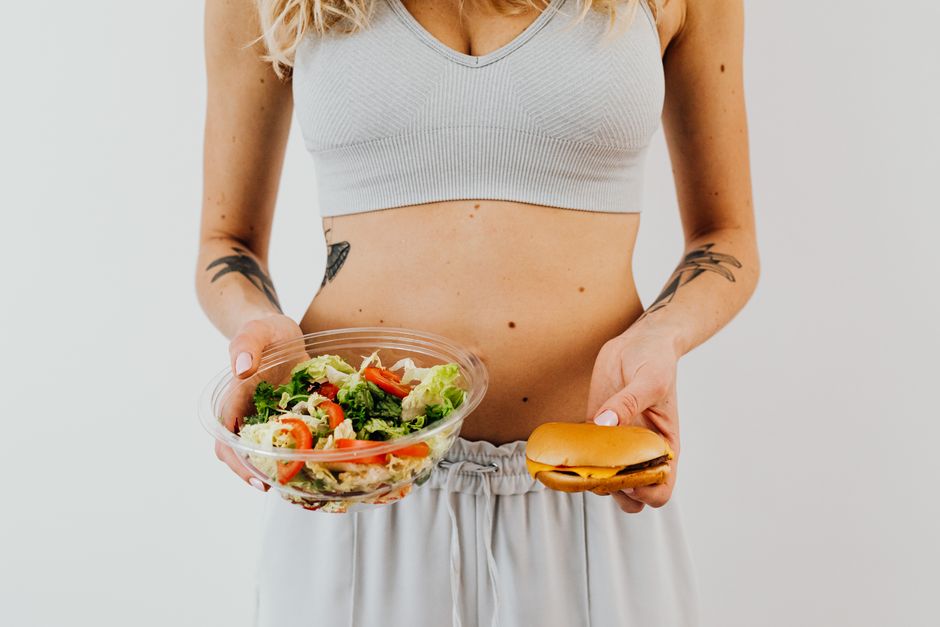
Understanding Intermittent Fasting
Intermittent fasting has become one of the most popular weight loss strategies for Americans seeking sustainable results. This eating pattern alternates between periods of eating and fasting, focusing on **when** you eat rather than what you eat. Unlike traditional diets that restrict specific foods, intermittent fasting creates a time-restricted eating window that naturally reduces calorie intake and triggers metabolic changes that support fat burning.
The weight loss benefits of intermittent fasting extend beyond simple calorie reduction. During fasting periods, insulin levels drop significantly, which facilitates fat burning and improves metabolic flexibility. Studies show that intermittent fasting can boost metabolism by 3-14% while preserving muscle mass better than continuous calorie restriction. Additionally, fasting triggers cellular repair processes and may improve brain function, making it an attractive option for busy Americans looking for sustainable lifestyle changes.
The most popular intermittent fasting methods include the **16/8 method** (fasting for 16 hours and eating within an 8-hour window), the **5:2 diet** (eating normally five days per week and restricting calories to 500-600 on two non-consecutive days), and alternate-day fasting. The 16/8 method works particularly well for most people because it simply extends the overnight fast by skipping breakfast and eating between noon and 8 PM. This approach fits naturally into most work schedules and social lives without requiring dramatic lifestyle changes.
Editor’s pick: intermittent fasting meal prep containers — compare options and current availability.
Preparing for Intermittent Fasting
Choosing the right intermittent fasting protocol depends on your daily routine, work schedule, and personal preferences. If you’re naturally not hungry in the morning, the 16/8 method may feel effortless. For those who prefer eating breakfast, a later eating window from 10 AM to 6 PM works better. People with irregular schedules might find the 5:2 approach more flexible since it only requires strict calorie control two days per week rather than daily fasting.
Setting realistic weight loss goals is crucial for long-term success with intermittent fasting. Most people can expect to lose 1-2 pounds per week when combining intermittent fasting with a balanced diet. Avoid the temptation to drastically cut calories during eating windows, as this can backfire by slowing metabolism and increasing hunger. Instead, focus on creating a moderate calorie deficit of 300-500 calories daily, which intermittent fasting naturally facilitates by limiting eating opportunities.
Preparing your body for intermittent fasting requires a gradual transition to prevent excessive hunger and fatigue. Start by delaying breakfast by one hour each day until you reach your target fasting window. Stay well-hydrated during fasting periods with water, black coffee, or plain tea. Mentally prepare by planning your meals in advance and identifying potential challenges like social events or family dinners. Having a clear strategy for these situations increases your chances of staying consistent during the critical first few weeks.
Intermittent Fasting Meal Plan Basics
A well-designed intermittent fasting meal plan prioritizes **nutrient density** over calorie counting. Your eating window should include balanced meals featuring lean proteins, healthy fats, complex carbohydrates, and plenty of vegetables. This combination keeps you satisfied throughout fasting periods while providing essential nutrients for optimal health. Most successful intermittent fasters consume 2-3 meals within their eating window, avoiding the grazing mentality that can lead to overconsumption.
Balanced nutrition becomes even more critical when eating fewer meals per day. Each meal should contain 25-35 grams of protein to preserve muscle mass and promote satiety. Include fiber-rich foods like vegetables, fruits, and whole grains to support digestive health and stabilize blood sugar. Healthy fats from sources like avocados, nuts, olive oil, and fatty fish provide sustained energy and help absorb fat-soluble vitamins.
Creating your personalized meal plan starts with calculating your daily calorie needs based on age, gender, activity level, and weight loss goals. Divide these calories across your eating window in a way that prevents extreme hunger. Front-loading calories earlier in your eating window often works better than saving most calories for dinner. Meal prep on weekends saves time and reduces the temptation to make poor food choices when hungry.
Best Foods for Intermittent Fasting
The most effective foods for intermittent fasting promote satiety while supporting metabolic health. **High-protein foods** like chicken breast, turkey, eggs, Greek yogurt, and fish should form the foundation of your meals. Protein requires more energy to digest than carbohydrates or fats, and it triggers hormones that signal fullness. Aim for at least 0.7-1 gram of protein per pound of body weight to preserve muscle mass during weight loss.
Nutrient-dense vegetables provide volume and fiber without excessive calories, making them essential for intermittent fasting success. Leafy greens, broccoli, cauliflower, bell peppers, and zucchini can be eaten in large quantities to fill your plate and stomach. Berries, apples, and citrus fruits offer antioxidants and natural sweetness while providing fiber that slows sugar absorption. Sweet potatoes, quinoa, and oats deliver complex carbohydrates that provide sustained energy without blood sugar spikes.
Foods to minimize during your eating window include **refined carbohydrates, sugary snacks, and highly processed foods** that spike insulin and increase hunger. White bread, pastries, candy, and sweetened beverages provide empty calories that leave you unsatisfied. Limit alcohol consumption, as it contains 7 calories per gram and impairs fat burning while increasing appetite. Fried foods and excessive amounts of cheese or creamy sauces can quickly consume your calorie budget without providing lasting fullness.
Sample Meal Plan for 7 Days
**Day 1 (16/8 method, eating window 12 PM – 8 PM)**
- **Meal 1 (12 PM):** Grilled chicken salad with mixed greens, cherry tomatoes, cucumbers, avocado, and balsamic vinaigrette. Side of apple slices with 2 tablespoons almond butter. (Approximately 520 calories)
- **Meal 2 (3 PM):** Greek yogurt parfait with berries, chia seeds, and a drizzle of honey. Handful of mixed nuts. (Approximately 380 calories)
- **Meal 3 (7 PM):** Baked salmon with roasted Brussels sprouts and quinoa. Side salad with olive oil dressing. (Approximately 600 calories)
**Day 2**
- **Meal 1 (12 PM):** Veggie omelet with spinach, mushrooms, and feta cheese. Side of whole grain toast with avocado. Orange slices. (Approximately 480 calories)
- **Meal 2 (3 PM):** Protein smoothie with whey protein, banana, spinach, almond milk, and peanut butter. (Approximately 350 calories)
- **Meal 3 (7 PM):** Turkey meatballs with marinara sauce over zucchini noodles. Side of roasted vegetables. (Approximately 580 calories)
**Day 3**
- **Meal 1 (12 PM):** Tuna salad lettuce wraps with mixed vegetables. Side of sweet potato wedges. Berries. (Approximately 500 calories)
- **Meal 2 (3 PM):** Cottage cheese with sliced peaches, walnuts, and cinnamon. Carrot sticks with hummus. (Approximately 320 calories)
- **Meal 3 (7 PM):** Grilled chicken breast with steamed broccoli and brown rice. Small side salad. (Approximately 620 calories)
**Day 4**
- **Meal 1 (12 PM):** Buddha bowl with chickpeas, roasted vegetables, tahini dressing, and quinoa. (Approximately 540 calories)
- **Meal 2 (3 PM):** Hard-boiled eggs with cherry tomatoes and cucumber slices. Apple with almond butter. (Approximately 340 calories)
- **Meal 3 (7 PM):** Lean beef stir-fry with mixed vegetables over cauliflower rice. (Approximately 570 calories)
**Day 5**
- **Meal 1 (12 PM):** Shrimp and avocado salad with mixed greens, corn, black beans, and lime dressing. (Approximately 510 calories)
- **Meal 2 (3 PM):** Protein bar and mixed berries. Small handful of almonds. (Approximately 330 calories)
- **Meal 3 (7 PM):** Baked chicken thighs with roasted asparagus and sweet potato. (Approximately 620 calories)
**Day 6**
- **Meal 1 (12 PM):** Turkey and cheese roll-ups with bell pepper strips, cucumber, and guacamole. Pear. (Approximately 490 calories)
- **Meal 2 (3 PM):** Greek yogurt with granola, sliced banana, and hemp seeds. (Approximately 370 calories)
- **Meal 3 (7 PM):** White fish tacos with cabbage slaw, avocado, and corn tortillas. Black beans on the side. (Approximately 590 calories)
**Day 7**
- **Meal 1 (12 PM):** Egg salad over mixed greens with tomatoes, olives, and whole grain crackers. Grapes. (Approximately 520 calories)
- **Meal 2 (3 PM):** Protein shake with berries, spinach, and chia seeds. String cheese. (Approximately 340 calories)
- **Meal 3 (7 PM):** Pork tenderloin with roasted root vegetables and side salad. (Approximately 600 calories)
Intermittent Fasting and Exercise
Incorporating exercise into your intermittent fasting routine accelerates weight loss and improves body composition. The timing of workouts depends on personal preference and energy levels. Many people prefer exercising during the fasted state in the morning, which may enhance fat burning since glycogen stores are depleted. However, if you feel weak or dizzy working out fasted, schedule exercise during your eating window when you have more energy available.
**Resistance training** should be the cornerstone of your exercise program during intermittent fasting. Lifting weights 3-4 times per week preserves muscle mass while creating a metabolic advantage that burns more calories at rest. Focus on compound movements like squats, deadlifts, bench presses, and rows that engage multiple muscle groups. Moderate cardio like brisk walking, cycling, or swimming for 30-45 minutes on non-lifting days supports cardiovascular health without excessive hunger.
Staying motivated requires tracking progress beyond the scale. Take progress photos, measure body circumferences, and monitor strength gains in the gym. These metrics often show improvement even when scale weight plateaus. Join online communities of intermittent fasters for support and accountability. Schedule rest days to prevent burnout and allow your body to recover. Remember that consistency over months matters more than perfection over days.
Staying on Track with Intermittent Fasting
Overcoming challenges and setbacks is part of the intermittent fasting journey. Social situations where food is served outside your eating window require planning and assertiveness. Eat a satisfying meal before events so you’re not tempted by appetizers. Bring your own food to gatherings when appropriate. Most importantly, don’t let one deviation derail your entire plan—return to your normal schedule at the next meal without guilt or compensatory restriction.
Keeping a food and exercise journal dramatically increases weight loss success. Track what you eat, when you eat it, and how you feel during fasting periods. Note energy levels, hunger intensity, and mood changes. This data helps identify patterns and problem areas. Many Americans find that journaling reveals unconscious eating habits and provides motivation by documenting progress over time.
Adjusting your meal plan ensures continued progress as your body adapts. Recalculate calorie needs every 10-15 pounds lost, as smaller bodies require fewer calories. If weight loss stalls for 2-3 weeks despite consistency, consider shortening your eating window by one hour, increasing protein intake, or adding an extra workout session. Alternatively, take a one-week break at maintenance calories to reset metabolism before resuming your deficit. Flexibility and willingness to experiment prevent frustration and abandonment of the plan.
Frequently Asked Questions
Q: What is the best time window for eating during intermittent fasting?
A: The best eating window depends on your schedule and preferences, but most Americans find success with noon to 8 PM (16/8 method). This allows you to skip breakfast, eat lunch and dinner with family, and have an evening snack. If you prefer breakfast, try 10 AM to 6 PM instead. Choose a window you can maintain consistently for at least 12 weeks to see significant weight loss results.
Q: How can I avoid feeling hungry during fasting periods?
A: Stay hydrated with water, black coffee, or plain tea throughout fasting periods. Hunger often peaks during your usual eating times but typically passes within 20-30 minutes. Distract yourself with work, hobbies, or light activity. Ensure your meals during eating windows contain adequate protein and fiber to promote lasting satiety. Most people find hunger decreases significantly after the first week as the body adapts to the new eating schedule.
Q: Can I drink coffee or tea during fasting periods?
A: Yes, black coffee and plain tea are allowed during fasting periods and may even enhance fat burning by boosting metabolism. Avoid adding sugar, milk, cream, or artificial sweeteners, as these break your fast by triggering insulin release. Green tea, herbal tea, and black coffee contain virtually no calories and can help suppress appetite. Some intermittent fasters add a small amount of MCT oil or heavy cream without significantly impacting results, but pure fasting provides maximum benefits.
Top Product Recommendations
| Product Name | Rating | Key Feature | Est. Price | Action |
|---|---|---|---|---|
| Top-rated intermittent fasting meal prep containers | ★★★★★ | Editor-recommended intermittent fasting meal prep containers from this guide | $18–$42 | Check Lowest Price on Amazon |
| Best-value digital food scale for weight loss | ★★★★☆ | Affordable digital food scale for weight loss — strong everyday results | $12–$28 | Check Lowest Price on Amazon |
| Premium protein powder for fasting diet | ★★★★☆ | Higher-end protein powder for fasting diet for visible, lasting results | $45–$95 | Check Lowest Price on Amazon |
Affiliate Disclosure: This post contains affiliate links. We may earn a commission if you buy through our links, at no extra cost to you. Medical Disclaimer: This content is for informational purposes only and is not medical advice. Consult a healthcare professional before changing diet or exercise.
Leave a Reply