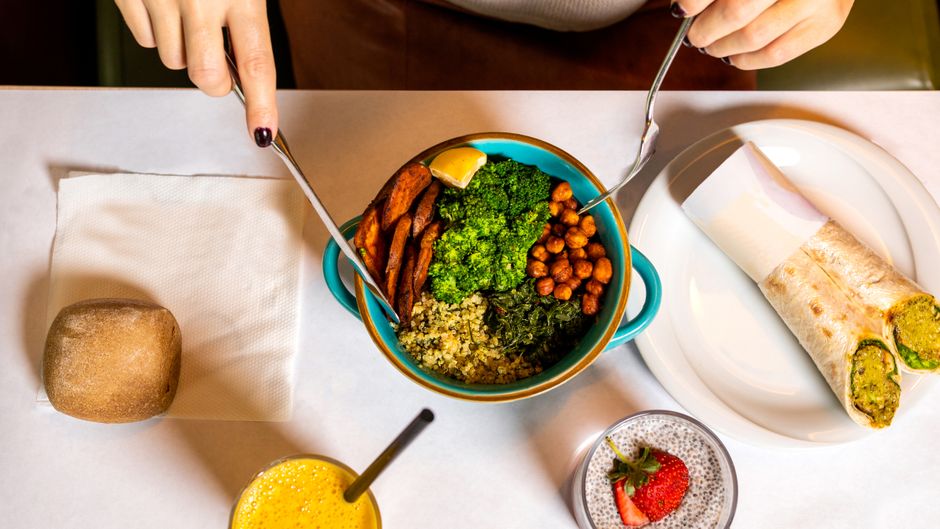
Intermittent Fasting Basics
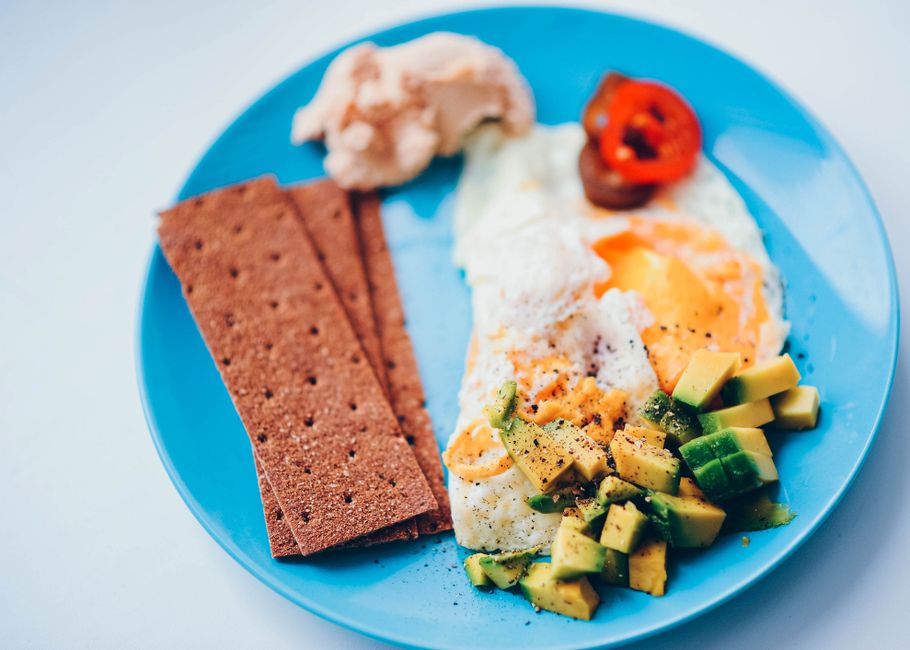
Intermittent fasting is an eating pattern that alternates between periods of fasting and eating. It has gained popularity in recent years due to its potential benefits for weight loss and overall health. Some of the most common intermittent fasting schedules include:
- 16/8: Fasting for 16 hours and eating within an 8-hour window each day
- 5:2: Eating normally for five days and restricting calorie intake to 500-600 calories on two non-consecutive days
- Alternate day fasting: Fasting every other day
Editor’s pick: meal prep containers — compare options and current availability.
Meal Planning for Intermittent Fasting
When following an intermittent fasting plan, it’s essential to focus on nutrient-dense foods during your eating windows. This ensures that you’re getting the necessary vitamins, minerals, and macronutrients while in a calorie deficit. Some tips for meal planning include:
- Prioritize protein and fiber-rich foods to keep you feeling full and satisfied
- Incorporate healthy fats to support hormone production and brain function
- Limit processed and high-calorie foods during eating windows
Budget-Friendly Meal Prep
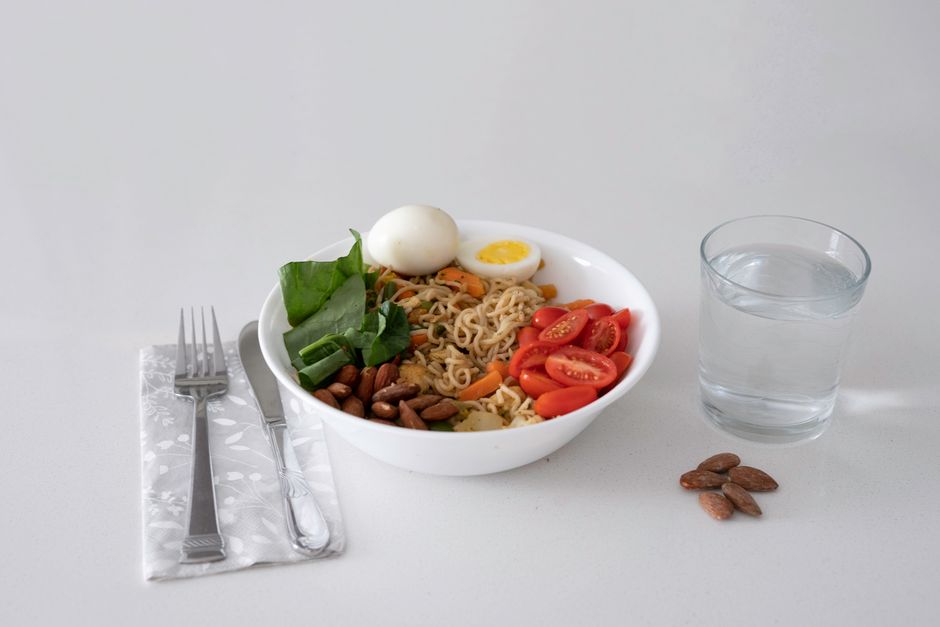
Meal prepping can save time and money while ensuring you have healthy meals on hand during your eating windows. Some tips for budget-friendly meal prep include:
- Buying ingredients in bulk
- Preparing meals in batches and freezing leftovers
- Using affordable protein sources like legumes, eggs, and canned fish
Healthy and Delicious Recipes
Here are some healthy and delicious recipes for your intermittent fasting meal plan:
**Breakfast:**
- Overnight oats with chia seeds, berries, and nuts
- Veggie-packed omelet with spinach, mushrooms, and tomatoes
**Lunch and Dinner:**
- Grilled chicken salad with avocado, quinoa, and lemon vinaigrette
- Baked salmon with roasted vegetables and sweet potato
**Snacks:**
- Hard-boiled eggs
- Hummus with carrot sticks and cucumber slices
Meal Swaps for Weight Loss
Making simple swaps can help reduce calorie intake and promote weight loss. Some ideas include:
- Using cauliflower rice instead of white rice
- Replacing pasta with zucchini noodles
- Choosing lean proteins like chicken and fish over red meat
Serving and Portion Control
Portion control is crucial when following an intermittent fasting meal plan. Some tips include:
- Using smaller plates and bowls
- Measuring out snacks instead of eating from the package
- Dividing your daily calories between 2-3 meals and 1-2 snacks
Frequently Asked Questions (FAQ)
What are some common mistakes people make when starting intermittent fasting?
Some common mistakes include not adjusting calorie intake during eating windows, eating unhealthy foods during eating windows, and fasting for too long or too frequently.
How can I make my meal prep more efficient and cost-effective?
To make meal prep more efficient and cost-effective, plan meals around seasonal ingredients, cook in batches, and use meal prep containers for easy storage and reheating.
What are some healthy and affordable protein sources for meal prep?
Some healthy and affordable protein sources for meal prep include legumes, eggs, and canned fish.
Top Product Recommendations
| Product Name | Rating | Key Feature | Est. Price | Action |
|---|---|---|---|---|
| Google Chrome – Download the fast, secure browser from Google | ★★★★☆ | Recommended in this article: meal prep containers | See Amazon | Check Lowest Price on Amazon |
| Protein – Wikipedia | ★★★★☆ | Recommended in this article: protein powder for weight loss | See Amazon | Check Lowest Price on Amazon |
| Google Play 기프트 카드 또는 기프트 코드 등록하기 | ★★★★☆ | Recommended in this article: healthy snacks for intermittent fasting | See Amazon | Check Lowest Price on Amazon |
Affiliate Disclosure: This post contains affiliate links. We may earn a commission if you buy through our links, at no extra cost to you. Medical Disclaimer: This content is for informational purposes only and is not medical advice. Consult a healthcare professional before changing diet or exercise.
Leave a Reply