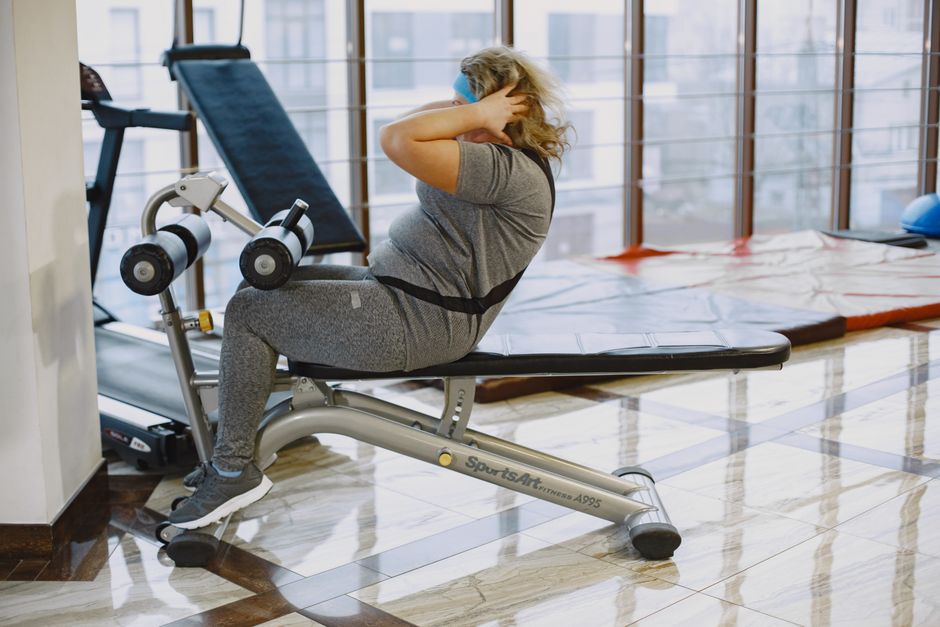
Why a 30-Day Home Challenge Works for Fat Loss
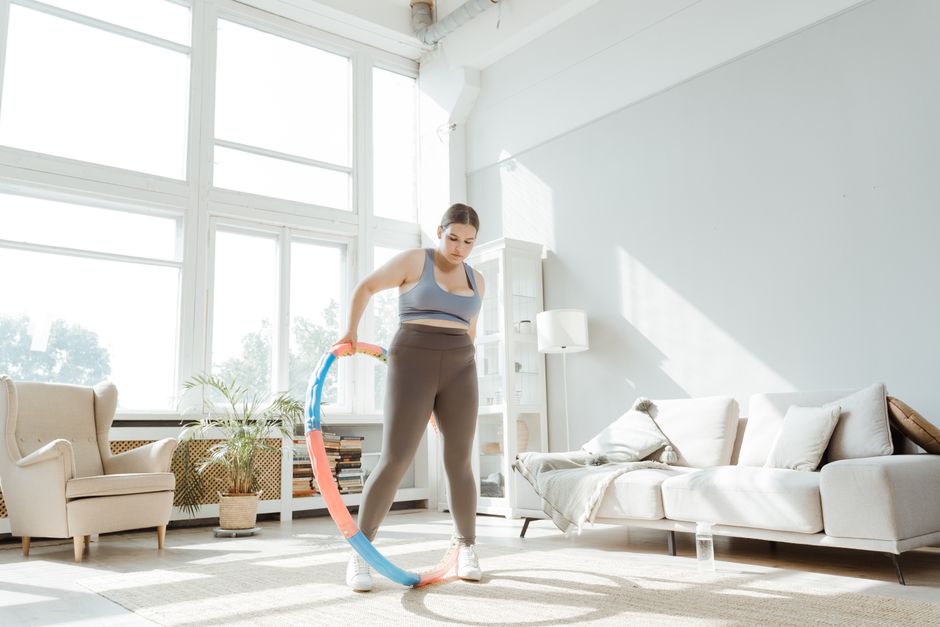
If you’ve been searching for a **30 day home workout challenge fat loss no gym** plan that’s realistic and sustainable, you’re in the right place. A month-long commitment gives your body enough time to adapt, build momentum, and start burning fat efficiently. Research consistently shows that consistency over intensity is the real driver of body composition change.
Beyond the physical benefits, a 30-day structure creates a habit loop. After about three weeks, the daily routine starts to feel automatic rather than forced. Pair that with smart nutrition choices and you’ve got a legitimate fat-loss system — no gym membership or expensive equipment required.
This guide covers everything from week-by-week workout progressions to meal prep strategies, so you can finish the 30 days stronger and leaner than you started.
—
Editor’s pick: resistance bands set for home workouts — see current prices and reviews.
Getting Started: Fitness Assessment and Goal Setting
Before day one, spend 15 minutes honestly assessing where you are right now. Can you complete 10 consecutive push-ups? Hold a plank for 30 seconds? Your honest answers determine your starting point — not someone else’s.
**Realistic goals** follow the SMART framework — Specific, Measurable, Achievable, Relevant, and Time-bound. Instead of “I want to lose weight,” try “I want to lose 6–8 pounds of body fat in 30 days by working out 5 days a week.”
Here’s what to have on hand before you begin:
- **Workout mat** — protects joints during floor exercises
- **Resistance bands (light, medium, heavy)** — versatile for upper and lower body
- **Dumbbells (10–25 lbs)** — optional but useful for progressive overload
- **Jump rope** — exc nt for cardio bursts
- **32 oz water bottle** — non-negotiable for every session
- **Fitness journal or app** — for daily logging
Motivation dips around days 8–12 for most people. Schedule workouts like appointments and tell one other person about your commitment — accountability is a proven adherence booster.
—
Weekly Workout Routines: A Progressive 4-Week Plan
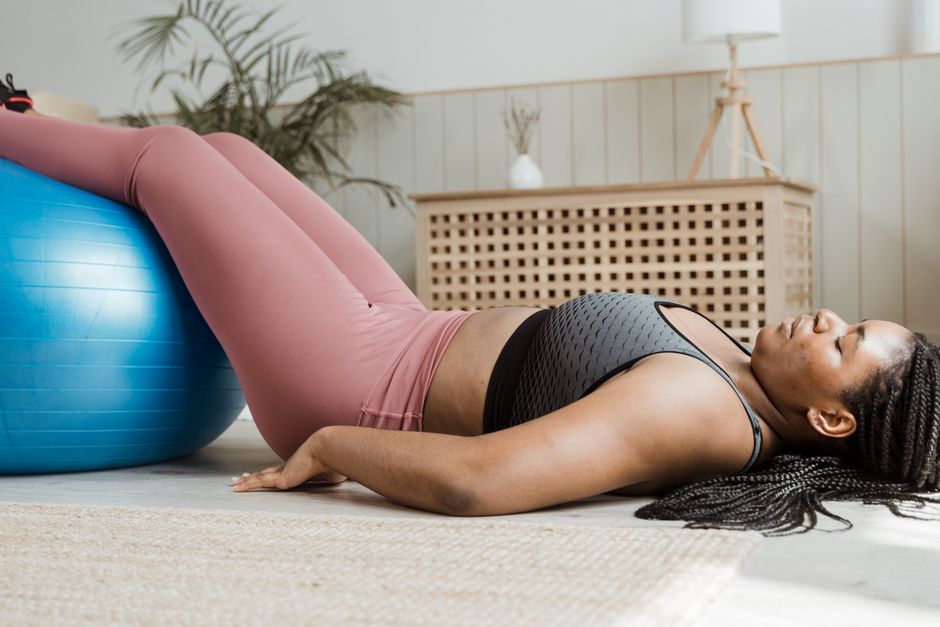
The key to these [home workout progressions](https://sieunjaye.blog/category/workouts/) is **progressive overload** — each week slightly increases in demand so your body keeps adapting instead of plateauing.
Week 1 — Endurance Foundation (3–4 Days)
Focus on form and building a baseline. Keep rest periods at 60 seconds between sets.
- 3 rounds: 10 bodyweight squats, 10 push-ups (knee-modified is fine), 15-second plank
- 20-minute brisk walk or light jog on alternate days
- Total session time: 25–30 minutes
Week 2 — HIIT Introduction (4 Days)
**High-intensity interval training** ramps up calorie burn and keeps your metabolism elevated for hours post-workout. Work at 80–90% effort for 20 seconds, rest for 10 seconds, repeat 8 rounds per movement.
- HIIT circuit: jump squats, mountain climbers, burpees, high knees
- Add one 30-minute steady-state cardio session for active recovery
- Total session time: 30–40 minutes
Week 3 — Bodyweight Strength (5 Days)
Introduce more muscle-building volume to protect lean mass while losing fat.
- Push day: push-ups, tricep dips, pike push-ups
- Pull day: resistance band rows, Superman holds, reverse flyes
- Leg day: Bulgarian split squats, glute bridges, lateral band walks
Week 4 — Cardio + Strength Fusion (5–6 Days)
Combine the best of both worlds for maximum fat-burning output in the final stretch.
- Superset format: strength move immediately followed by a 45-second cardio burst
- Example: 12 dumbbell squats → 45-second jump rope → 30-second rest → repeat
- Aim for 5 rounds per session
—
Nutrition Essentials: Fueling Fat Loss the Smart Way
No workout plan outpaces a poor diet. Understanding your **macronutrients** — protein, carbohydrates, and fat — is the foundation of eating for fat loss. **Protein** preserves muscle while you’re in a calorie deficit; aim for **0.7–1 gram per pound of bodyweight** daily. Carbohydrates fuel your workouts — don’t cut them entirely, just time them around your sessions.
To calculate your daily calorie target:
1. Find your **TDEE** (Total Daily Energy Expenditure) using a free online calculator
2. Subtract 300–500 calories to create a moderate deficit
3. Split remaining calories roughly: 40% carbs / 30% protein / 30% fat
| Macronutrient | Fat Loss Role | Daily Target (150 lb person) |
|---|---|---|
| Protein | Preserves lean muscle | 105–150 g |
| Carbohydrates | Workout fuel, fiber source | 150–180 g |
| Fat | Hormone balance, satiety | 55–70 g |
| Calories | Controls overall deficit | 1,600–1,800 kcal |
**Meal prep on Sundays** saves the most time and reduces the chance of grabbing fast food midweek. Batch-cook grains, proteins, and roasted vegetables so assembly takes under 5 minutes on busy days.
—
Healthy Recipes That Support Your 30-Day Goal
The right food choices don’t have to be complicated or expensive. These meals are built around whole foods, balanced macros, and real flavor — designed to complement your [fat-loss workout schedule](https://sieunjaye.blog/category/workouts/) without taking over your kitchen.
High-Protein Breakfast — Greek Yogurt Power Bowl (10 min)
- ¾ cup plain non-fat Greek yogurt (17g protein)
- ½ cup mixed berries
- 2 tablespoons low-sugar granola
- 1 tablespoon chia seeds
- Light drizzle of honey
**Swap:** Dairy-free? Use unsweetened coconut yogurt and stir in a scoop of vanilla protein powder.
Quick Lunch — Tuna & Avocado Lettuce Wraps (15 min, 2 servings)
- 1 can chunk light tuna in water, drained
- ½ avocado, mashed with lemon juice, salt, and pepper
- Romaine lettuce leaves as wraps
- Cherry tomatoes and cucumber slices on the side
**Swap:** Not a tuna fan? Rotisserie chicken breast or canned salmon works just as well.
Fat-Loss Dinner — Sheet Pan Chicken Thighs with Roasted Vegetables (25 min, 4 servings)
**Ingredients:** 4 bone-in chicken thighs, 2 cups broccoli florets, 1 sliced bell pepper, 1 sliced zucchini, 2 tbsp olive oil, garlic powder, paprika, salt, pepper.
**Steps:**
1. Preheat oven to 425°F
2. Toss vegetables in olive oil and seasoning on a sheet pan
3. Nestle chicken thighs on top
4. Roast 25–30 minutes until chicken reaches 165°F internal temp
**Per serving:** ~380 calories, 34g protein, 12g carbs, 18g fat. **Swap:** Boneless thighs cut cook time to 20 minutes; chicken breast reduces fat further.
—
Staying Hydrated and Energized
**Hydration directly affects fat loss.** Even mild dehydration — as little as 1–2% body weight — reduces workout performance, impairs metabolism, and increases hunger signals that are actually thirst. The “8 cups a day” guideline is a starting point; active people need more.
Practical hydration habits for this challenge:
- Drink **16 oz of water first thing in the morning**, before coffee
- Carry a 32 oz bottle and refill it twice before dinner
- Add a pinch of sea salt and a squeeze of lemon on heavy workout days
- Limit alcohol entirely during the 30 days — it’s calorie-dense and disrupts recovery
**Pre-workout (30–60 min before):** a small banana with almond butter or half a cup of oatmeal with protein powder provides fast, sustained energy without bloating.
**Post-workout (within 45 min):** prioritize **20–30g of protein** with a moderate carb source. A protein shake blended with frozen fruit and almond milk covers both in under 2 minutes.
—
Tracking Progress and Adjusting Your Plan
The scale alone is a poor measure of fat loss success. Muscle is denser than fat, so your weight might stay flat while you’re actively losing inches. Use **multiple tracking methods** each week.
Best progress metrics:
- **Waist, hip, chest, and thigh measurements** — tape measure, same time each week
- **Progress photos** — same lighting, same angle, every 7 days
- **Body weight average** — weigh daily, take the 7-day average to smooth fluctuations
- **Workout performance** — reps completed, plank hold time, endurance gains
If you hit a **plateau after week two**, the cause is usually one of three things: calories have crept up, workout intensity hasn’t increased, or sleep quality has dropped. Audit each honestly before concluding the plan isn’t working.
Common adjustment triggers and solutions:
- **No weight change for 10+ days:** Reduce daily calories by 100–150 or add one extra 20-minute cardio session
- **Excessive fatigue or soreness:** Add a rest day, prioritize 7–8 hours of sleep, check protein intake
- **Boredom with workouts:** Swap one routine per week with a new bodyweight circuit or HIIT format
—
Frequently Asked Questions
**Q: What is the best way to stay accountable during the challenge?**
Tell at least one person about your commitment — a friend, partner, or online community. Using a free fitness app to log daily workouts creates a visual streak that’s surprisingly motivating to protect. Scheduling workouts the night before removes the daily decision entirely.
**Q: Can I modify the workouts to suit my fitness level?**
Absolutely. Every exercise in this plan has a beginner modification and a harder progression. Knee push-ups instead of full push-ups, step-back lunges instead of jump lunges, or halving the HIIT rounds are all valid starting points. The goal is to finish each session feeling challenged but not broken.
**Q: How do I make sure I’m eating a balanced diet throughout the 30 days?**
Build every meal around a **lean protein source first**, then add a fiber-rich vegetable, a moderate serving of complex carbs, and a small amount of healthy fat. That framework naturally crowds out processed foods without requiring calorie counting at every meal. Prepping ingredients in bulk on weekends makes sticking to this pattern almost effortless on busy weekdays.
**Q: Is 30 days enough time to see real fat loss results?**
Yes — most people following this plan consistently can expect to lose 4–8 pounds of body fat in 30 days, depending on starting point, calorie adherence, and sleep quality. Visible changes in muscle definition and waist measurements are typically noticeable by the end of week two.
Top Product Recommendations
| Product Name | Rating | Key Feature | Est. Price | Action |
|---|---|---|---|---|
| Top-rated resistance bands set for home workouts | ★★★★★ | Editor-recommended resistance bands set for home workouts from this guide | $18–$42 | Check Lowest Price on Amazon |
| Best-value non-slip exercise mat for floor workouts | ★★★★☆ | Affordable non-slip exercise mat for floor workouts — strong everyday results | $12–$28 | Check Lowest Price on Amazon |
| Premium adjustable dumbbells for home gym | ★★★★☆ | Higher-end adjustable dumbbells for home gym for visible, lasting results | $45–$95 | Check Lowest Price on Amazon |
Affiliate Disclosure: This post contains affiliate links. We may earn a commission if you buy through our links, at no extra cost to you. Medical Disclaimer: This content is for informational purposes only and is not medical advice. Consult a healthcare professional before changing diet or exercise.
Leave a Reply