
If you are new to the gym and wondering whether pre-workout supplements are worth your money, this guide is for you. By the time you finish reading, you will know which ingredients actually work, which brands beginners trust most in 2026, and how to dose safely without the jittery crash. Skip the hype — here is what real users on Reddit and independent review communities are saying.
What Are Pre-Workout Supplements?
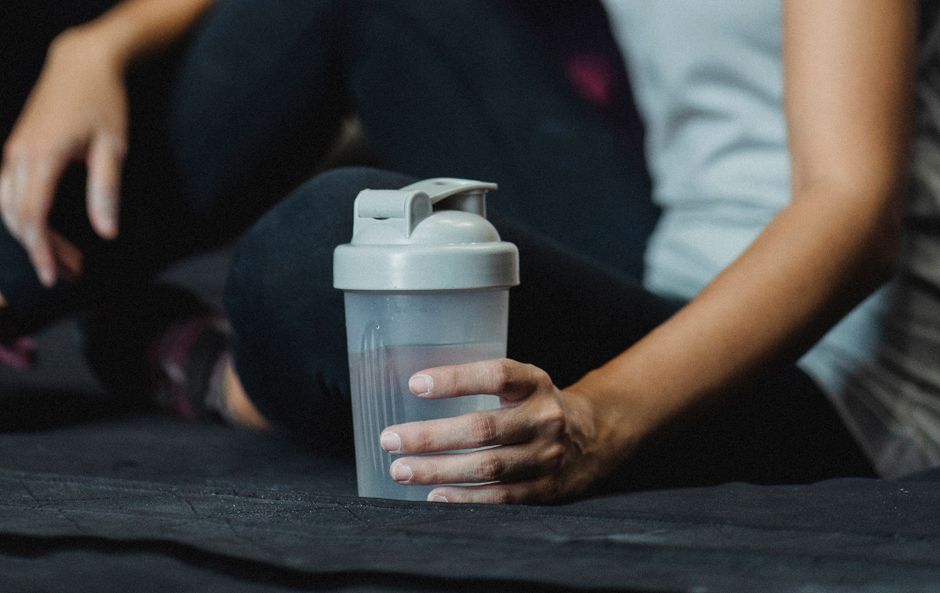
Pre-workout supplements are powdered or capsule-based products you take roughly 20 to 45 minutes before training. Their job is straightforward: sharpen focus, push back fatigue, and give your muscles a measurable energy edge during high-intensity sets. Most formulas combine stimulants like caffeine with amino acids and compounds that increase blood flow to working muscle tissue.
The market is flooded with options ranging from bare-bones caffeine pills at under $15 per bottle to elaborate multi-ingredient blends costing $50 or more. For beginners, the sweet spot lands somewhere in the middle — a product with proven ingredients at a moderate stimulant dose, typically 150 to 200 milligrams of caffeine per serving. Anything much higher than that and you risk tolerance buildup and unpleasant side effects before your body has even adapted to regular training.
Editor’s pick: workouts — see current prices and reviews.
Key Ingredients That Actually Deliver
Not every ingredient on a supplement label does what it promises. After sorting through dozens of Reddit threads and clinical reviews, three compounds consistently surface as the most effective for beginners.
- **Caffeine (100–200 mg per serving):** The single most researched ergogenic aid in sports nutrition. It blocks adenosine receptors, reducing perceived effort during exercise and improving power output. Most beginners respond well to 100 to 150 mg — roughly one to one-and-a-half cups of coffee — and should avoid going above 200 mg on their first few tries.
- **Creatine Monohydrate (3–5 g per serving):** Supports ATP regeneration, which means more explosive reps on compounds like squats and deadlifts. It is one of the few ingredients with decades of safety data behind it. Look for the monohydrate form specifically; newer creatine salts are more expensive and not meaningfully more effective.
- **Beta-Alanine (2–3.5 g per serving):** Produces the characteristic skin tingle — called paresthesia — that many users report. That sensation is harmless and indicates the ingredient is working. Beta-alanine buffers lactic acid in muscle tissue, extending time to exhaustion by roughly 10 to 15 percent in trained individuals, according to multiple meta-analyses.
- **BCAAs (5–10 g per serving):** Branched-chain amino acids leucine, isoleucine, and valine may reduce muscle soreness and support recovery, though their benefit is largely redundant if you are already eating enough protein from whole foods. They are not essential but can be a useful bridge on training days when a full meal is not practical.
- **Nitric Oxide Boosters (L-Citrulline 6–8 g or Beetroot Extract 500 mg):** L-Citrulline raises arginine levels more efficiently than L-Arginine itself, dilating blood vessels and improving the “pump” sensation during hypertrophy-focused training. Beetroot extract works through a different pathway — dietary nitrates convert to nitric oxide — and may modestly lower blood pressure in some users.
Best Pre-Workout Supplements for Beginners (2026)

The following products earned consistent praise across Reddit communities, fitness forums, and independent testing sites in 2025 and 2026. Prices reflect standard retail and are subject to seasonal change.
| Product | Primary Ingredient Blend | Caffeine per Serving | Approximate Price Range | Best For |
|---|---|---|---|---|
| **Transparent Labs Brawl** | Creatine HMB, Beta-Alanine, L-Citrulline | 200 mg | $40–45 | Clean formula, stimulant-sensitive users |
| **C4 Original** | Citrulline, Beta-Alanine, Taurine | 135 mg | $20–28 | Budget-friendly first pre-workout |
| **Gorilla Mode Merch** | Creatine, Beta-Alanine, Agmatine, L-Citrulline | 250 mg | $50–55 | Maximum pump and strength focus |
| **Legion Pulse** | Beta-Alanine, L-Citrulline, L-Theanine | 150 mg | $35–40 | Energy without the crash |
| **Kaged C4 Ripped** | Carnitine, Capsimax, Citrulline | 135 mg | $25–30 | Users wanting energy plus mild fat-support |
**Transparent Labs Brawl** earns top marks for ingredient transparency. Every dose is listed with exact amounts, and the formula skips artificial dyes and proprietary blends that obscure true ingredient quantities. Users on Reddit report smooth, sustained energy without the midday crash associated with older stimulant-heavy formulas. At $40 to $45 per container — roughly 30 servings — the cost per workout lands around $1.33 to $1.50, which is competitive for the quality tier.
**C4 Original** remains the gateway option for beginners who want something effective without a significant financial commitment. The 135 mg caffeine dose is deliberately conservative, making it forgiving for users who do not already consume coffee daily. It does rely on a proprietary blend for some ingredients, which means you cannot precisely dial in individual compound doses, but for a first pre-workout, that trade-off is acceptable.
**Gorilla Mode** skews toward intermediate and advanced lifters who want maximum pump and aggression before heavy compound work. The 250 mg caffeine dose is not for caffeine-naive users. If you are starting from zero stimulant tolerance, build up with C4 or Legion Pulse first before graduating to Gorilla Mode.
Timing and Dosage: Getting It Right
Taking a pre-workout supplement at the wrong time — or in the wrong amount — undermines the investment. Most formulas peak within 30 to 60 minutes of ingestion, which means you should plan your dose around your training schedule rather than the reverse.
For a typical 6 PM gym session, take your pre-workout between 4:45 and 5:15 PM. That gives the caffeine and nitric oxide compounds time to reach systemic circulation before your first working set. On an empty stomach, onset may be faster — 20 to 30 minutes — which some users prefer for early morning training when time is tight.
Regarding dosage: **always start at half a serving**. This single habit prevents the majority of beginner complaints — jitters, heart palpitations, and digestive distress. If you handle half a serving well for three consecutive sessions, move up to a full dose. Most users plateau at one to two servings per training day; exceeding two servings does not meaningfully improve performance and dramatically increases the risk of tolerance, insomnia, and cardiovascular stress.
Pairing Pre-Workouts with Your Diet
Supplements amplify effort, but they do not replace a solid meals foundation. The most common mistake beginners make is treating a pre-workout as a substitute for actual nutrition. Before any training session, aim for a mixed meal containing complex carbohydrates, lean protein, and a small amount of fat roughly 90 minutes to two hours prior.
Examples of effective pre-workout meals for beginners:
- One medium sweet potato with 4 to 5 ounces of grilled chicken breast
- A bowl of overnight oats with banana, a tablespoon of almond butter, and a scoop of protein powder
- Two eggs scrambled with spinach and whole-grain toast with avocado
On days when a full meal is not feasible — early morning sessions or long shifts — a shake combining whey protein, a banana, and a cup of milk or oat milk consumed 30 minutes before training delivers fast-digesting fuel without gastric heaviness. Avoid high-fat meals within two hours of training; dietary fat slows gastric emptying and can leave you feeling sluggish during your workout.
Safety, Side Effects, and Who Should Avoid Pre-Workouts
Pre-workout supplements are safe for most healthy adults when used as directed, but they carry real risks for specific populations. The most frequently reported side effects in beginner populations include the following:
- **Jitters and anxiety:** Usually tied to caffeine sensitivity or doses above 200 mg. Pairing caffeine with L-Theanine — present in Legion Pulse and a handful of other formulas — significantly smooths this effect. If you are sensitive to stimulants, choose a stimulant-free or reduced-caffeine product.
- **Tingling or flushing:** Caused by beta-alanine. This harmless sensation peaks 15 to 20 minutes after ingestion and fades within an hour. Splitting doses or choosing a time-release beta-alanine formula eliminates the discomfort without reducing efficacy.
- **Digestive upset:** Citrulline and magnesium are common culprits. Taking your pre-workout with 8 to 12 ounces of water rather than a full shaker bottle reduces the likelihood of stomach cramping.
You should avoid pre-workout supplements if you have diagnosed cardiovascular conditions, are taking prescription stimulant medications, are pregnant or nursing, or have a history of anxiety disorders aggravated by caffeine. When in doubt, consult a physician before adding any new supplement to your routine. This is especially important for anyone under 18, as most reputable manufacturers do not recommend their products for adolescents.
What Reddit Users Are Saying in 2026
Across subreddits like r/Fitness, r/Supplements, and r/PreWorkout, the 2026 conversation has shifted away from stimulant heavy-hitters like DMAA toward cleaner, transparency-focused formulas. Several recurring themes stand out:
First, the **proprietary blend problem** continues to draw criticism. Redditors consistently advise beginners to avoid products that hide individual ingredient doses behind a “complex” or “matrix” label. Full label transparency — often called “label transparency” in community discussions — is now the baseline expectation rather than a premium feature. According to threads reviewed from early 2026, products like Transparent Labs and Kaged Muscle consistently receive higher community ratings for this reason.
Second, **stimulant cycling** is a practice many experienced users recommend. Taking five days on and two days off, or rotating between a caffeine-containing product and a stimulant-free pump product, helps prevent tolerance buildup. Several users report that cycling extends the effective lifespan of their preferred pre-workout by months or even years.
Third, the **L-Citrulline over L-Arginine consensus** is now firmly established in the community. Multiple threads confirm that L-Citrulline produces noticeably superior pumps and is better tolerated. Beginners should specifically look for L-Citrulline — not arginine-based formulas — in their pre-workout of choice.
Frequently Asked Questions
What is the best time of day to take a pre-workout supplement?
The ideal window is 20 to 45 minutes before your training session. For most people, that means taking it in the late afternoon if you train after work, or 30 to 45 minutes before an early morning gym session. Avoid taking pre-workouts after 7 PM if you are caffeine-sensitive; stimulant effects can linger for four to six hours and disrupt sleep quality.
Can I take a pre-workout on an empty stomach?
Yes, and many users report faster onset and stronger perceived effects when dosing without food. However, if you experience nausea, cramping, or lightheadedness on an empty stomach, pair your pre-workout with a small snack — even a half-banana or a few crackers — to buffer gastric irritation. Individuals with sensitive stomachs should generally start with food present.
How long does it take for a pre-workout supplement to start working?
Most users feel initial effects — increased alertness, elevated heart rate, mild energy lift — within 15 to 20 minutes of ingestion. Peak effects for stimulant-based ingredients typically arrive between 30 and 60 minutes and last two to three hours. Nitric oxide-related pumps may take slightly longer to manifest, often becoming noticeable after your first couple of working sets.
Are pre-workout supplements safe for long-term use?
For healthy adults with no underlying cardiovascular or anxiety-related conditions, moderate pre-workout use — three to five sessions per week at recommended doses — is generally considered safe long-term. The most important safety habit is stimulant cycling: taking regular breaks or alternating between caffeine and stimulant-free formulas to prevent tolerance and reduce strain on your adrenal system. If you notice increasing anxiety, insomnia, or elevated resting heart rate, reduce frequency immediately and consult a healthcare professional.
Top Product Recommendations
| Product Name | Rating | Key Feature | Est. Price | Action |
|---|---|---|---|---|
| Best Workouts Pick | ★★★★★ | Top-rated overall | $25–$45 | Check Lowest Price on Amazon |
| Budget Workouts Option | ★★★★☆ | Great for beginners | $12–$28 | Check Lowest Price on Amazon |
| Premium Workouts Choice | ★★★★☆ | Pro-level results | $50–$90 | Check Lowest Price on Amazon |
Affiliate Disclosure: This post contains affiliate links. We may earn a commission if you buy through our links, at no extra cost to you. Medical Disclaimer: This content is for informational purposes only and is not medical advice. Consult a healthcare professional before changing diet or exercise.
Leave a Reply