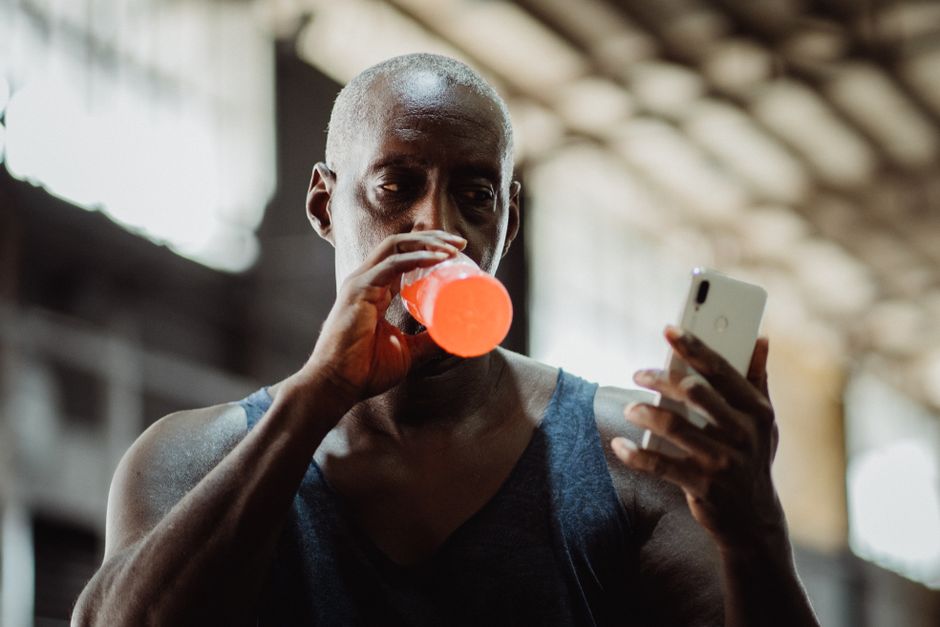
What Makes a Great Pre-Workout Meal

Fueling your body properly before exercise can make or break your workout performance. The best pre-workout meals combine easily digestible carbohydrates with moderate protein and minimal fat to provide sustained energy without causing digestive discomfort. According to nutrition experts at EatingWell, timing matters just as much as what you eat—consuming the right nutrients 1-3 hours before training helps maximize strength, endurance, and recovery.
The key is balancing macronutrients to match your workout intensity and duration. Quick 30-minute sessions need lighter fuel than intense 90-minute training blocks. Understanding these principles helps you customize meals that support your specific fitness goals while avoiding the sluggishness or hunger that derails performance.
Editor’s pick: whey protein powder — compare options and current availability.
Easy and Nutritious Breakfast Ideas
Starting your morning workout with the right breakfast sets the tone for success. **Oatmeal with berries and nuts** provides complex carbohydrates that digest slowly, delivering steady energy throughout your training session. Add a handful of blueberries or strawberries for antioxidants that combat exercise-induced inflammation, plus a tablespoon of chopped almonds or walnuts for healthy fats and protein.
**Greek yogurt with granola and honey** offers a perfect protein-to-carb ratio for muscle support and quick energy. Choose plain Greek yogurt with 15-20 grams of protein per serving, top with 1/4 cup of low-sugar granola, and drizzle with a teaspoon of raw honey. This combination digests in about 60-90 minutes, making it ideal for mid-morning training sessions.
**Whole grain toast with avocado and egg** delivers both immediate and sustained energy. Toast two slices of whole wheat or sprouted grain bread, mash half an avocado on top, and add one scrambled or poached egg. This meal provides approximately 350-400 calories with a balanced mix of complex carbs, healthy fats, and complete protein that supports muscle function during demanding workouts.
Protein-Packed Lunch Options

Afternoon training sessions benefit from substantial lunch meals eaten 2-3 hours beforehand. **Grilled chicken salad with quinoa and vegetables** combines lean protein with nutrient-dense carbohydrates and fiber. Use 4-5 ounces of grilled chicken breast over mixed greens, add 1/2 cup of cooked quinoa, and include colorful vegetables like bell peppers, cucumbers, and cherry tomatoes for vitamins and minerals.
**Turkey and cheese wrap with lettuce and tomato** offers portable convenience without sacrificing nutrition. Use a whole wheat or spinach tortilla, layer 3-4 ounces of sliced turkey breast, add one slice of Swiss or cheddar cheese, and pile on fresh lettuce and tomato slices. Roll tightly and slice in half for a meal delivering approximately 350 calories with 30 grams of protein.
**Tuna salad served on whole wheat bread** provides omega-3 fatty acids alongside quality protein and complex carbohydrates. Mix one 5-ounce can of water-packed tuna with 1-2 tablespoons of Greek yogurt or light mayo, add diced celery and onion for crunch, and serve between two slices of whole grain bread. This classic combination digests well and sustains energy for 60-90 minute training sessions.
Energizing Snacks to Fuel Your Workout
When you need quick fuel 30-60 minutes before exercise, these snacks deliver without weighing you down. **Apple slices with almond butter** combine natural fruit sugars with protein and healthy fats for balanced energy. Slice one medium apple and pair with 1-2 tablespoons of almond butter for approximately 200-250 calories that digest quickly.
**Carrot and celery sticks with hummus** offer hydrating vegetables with plant-based protein and fiber. Cut 1 cup of raw vegetables and pair with 1/4 cup of hummus for a light snack providing steady energy without digestive heaviness. This combination works especially well before yoga, Pilates, or moderate cardio sessions.
**Banana and peanut butter smoothie** delivers fast-acting carbohydrates alongside protein for muscle support. Blend one ripe banana, 1 tablespoon of peanut butter, 1 cup of milk or plant-based alternative, and a handful of ice for a creamy drink providing 250-300 calories. The liquid form digests quickly, making it perfect for early morning workouts when you cannot eat solid food.
Hydrating and Refreshing Drinks
Proper hydration significantly impacts workout performance and recovery. **Infused water with lemon, cucumber, and mint** makes plain water more appealing while adding trace minerals and vitamins. Fill a large pitcher with filtered water, add sliced lemon, cucumber ribbons, and fresh mint leaves, then refrigerate for 2-4 hours before drinking.
**Coconut water** naturally replaces electrolytes lost through sweat during exercise. One cup provides approximately 600mg of potassium along with sodium, magnesium, and calcium. Drink 8-16 ounces before training to pre-hydrate, especially for hot weather workouts or intense cardio sessions lasting over 45 minutes.
**Homemade iced tea with lemon and honey** offers gentle caffeine for focus alongside antioxidants from tea leaves. Brew 2-3 bags of green or black tea in hot water, let cool, add fresh lemon juice and 1-2 teaspoons of honey, then pour over ice. This beverage provides approximately 30-50mg of caffeine—enough to enhance performance without causing jitters or digestive upset.
Smart Carbohydrate Timing Strategies
Understanding how different carbohydrate sources affect energy levels helps optimize pre-workout nutrition. **Simple carbohydrates** from fruits, honey, or white rice digest within 30-60 minutes and provide quick energy for short, intense workouts. **Complex carbohydrates** from oats, quinoa, or whole grain bread digest over 2-3 hours and sustain longer training sessions.
Timing carbohydrate intake based on workout intensity prevents both energy crashes and digestive discomfort. For high-intensity interval training or heavy weightlifting, consume 30-60 grams of carbohydrates 60-90 minutes beforehand. For moderate steady-state cardio, 20-30 grams eaten 30-45 minutes prior provides adequate fuel without excess calories.
According to research highlighted by Verywell Fit, consuming carbohydrates before exercise helps preserve muscle glycogen stores and delays fatigue during endurance activities. This protective effect becomes especially important for workouts exceeding 60 minutes or multiple training sessions in one day.
Avoiding Common Pre-Workout Nutrition Mistakes
Many fitness enthusiasts sabotage their performance by eating too much, too little, or choosing the wrong foods before training. **Eating too close to workout time** causes digestive discomfort and diverts blood flow away from working muscles. Allow at least 30 minutes after light snacks and 2-3 hours after full meals before beginning intense exercise.
**Consuming high-fat or high-fiber foods** immediately before training slows digestion and can cause cramping or nausea. Save fatty meats, fried foods, and large salads with raw vegetables for post-workout meals when your body has time to process them properly.
**Skipping pre-workout nutrition entirely** leads to premature fatigue, decreased strength, and poor workout quality. Even if exercising first thing in the morning, consuming a small snack like a banana or handful of crackers provides enough glucose to fuel your session and prevent muscle breakdown.
Post-Workout Recovery Meals
What you eat after training significantly impacts muscle repair and glycogen replenishment. **Whey protein shake with milk and banana** delivers fast-absorbing protein alongside simple carbohydrates to kickstart recovery. Blend one scoop of whey protein powder with 8 ounces of milk and one ripe banana for approximately 300-350 calories with 25-30 grams of protein.
**Scrambled eggs with spinach and feta cheese** provides complete protein with vitamins and minerals for comprehensive recovery. Scramble 2-3 whole eggs or 4-5 egg whites, add a large handful of fresh spinach that wilts into the eggs, and top with 2 tablespoons of crumbled feta cheese. This savory meal delivers 250-300 calories with high-quality protein and easily absorbed nutrients.
**Salmon and sweet potato bowl with steamed broccoli** combines omega-3 fatty acids, complex carbohydrates, and antioxidants for optimal recovery. Bake or grill 4-5 ounces of salmon, serve alongside one medium roasted sweet potato, and add 1 cup of steamed broccoli. This complete meal provides approximately 450-500 calories with balanced macronutrients that support muscle repair and reduce inflammation.
Frequently Asked Questions
Q: What is the best time to eat before a workout?
A: Ideally, consume a full meal 2-3 hours before exercise or a light snack 30-60 minutes beforehand. Larger meals need more digestion time, while small snacks digest quickly enough to provide energy without causing discomfort during training.
Q: How much protein do I need after a workout?
A: Aim for 20-30 grams of high-quality protein in your post-workout meal consumed within 60-90 minutes of finishing exercise. This amount optimally stimulates muscle protein synthesis and supports recovery without excess calories.
Q: Can I drink coffee before working out?
A: Yes, consuming 100-200mg of caffeine (1-2 cups of coffee) 30-60 minutes before exercise can enhance focus, reduce perceived exertion, and improve endurance performance. Start with smaller amounts to assess your individual tolerance and avoid drinking coffee too late in the day if it affects your sleep.
Top Product Recommendations
| Product Name | Rating | Key Feature | Est. Price | Action |
|---|---|---|---|---|
| Top-rated whey protein powder | ★★★★★ | Editor-recommended whey protein powder from this guide | $18–$42 | Check Lowest Price on Amazon |
| Best-value almond butter organic | ★★★★☆ | Affordable almond butter organic — strong everyday results | $12–$28 | Check Lowest Price on Amazon |
| Premium Greek yogurt | ★★★★☆ | Higher-end Greek yogurt for visible, lasting results | $45–$95 | Check Lowest Price on Amazon |
Affiliate Disclosure: This post contains affiliate links. We may earn a commission if you buy through our links, at no extra cost to you. Medical Disclaimer: This content is for informational purposes only and is not medical advice. Consult a healthcare professional before changing diet or exercise.
Leave a Reply