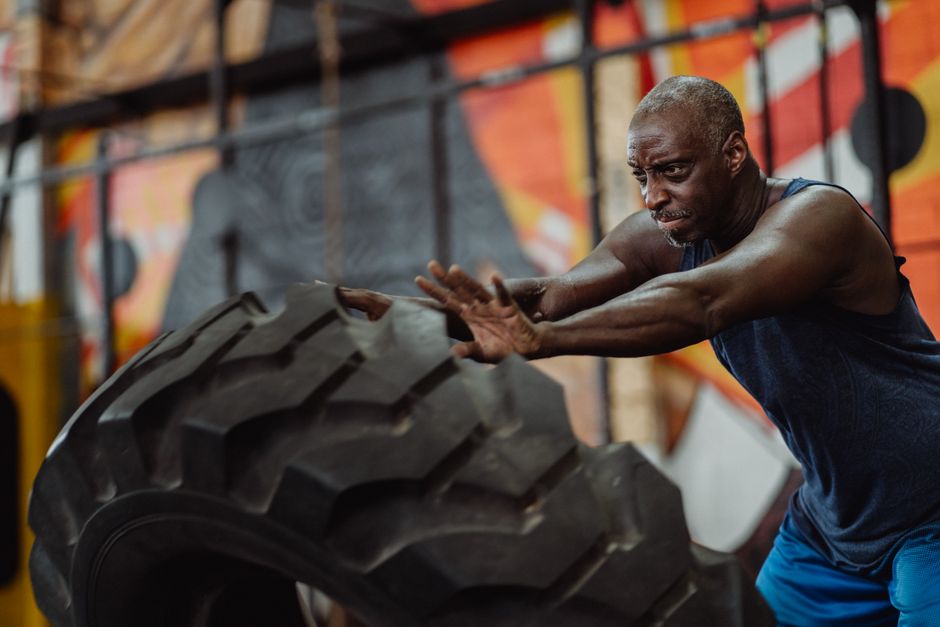
Pre-Workout Meal Basics
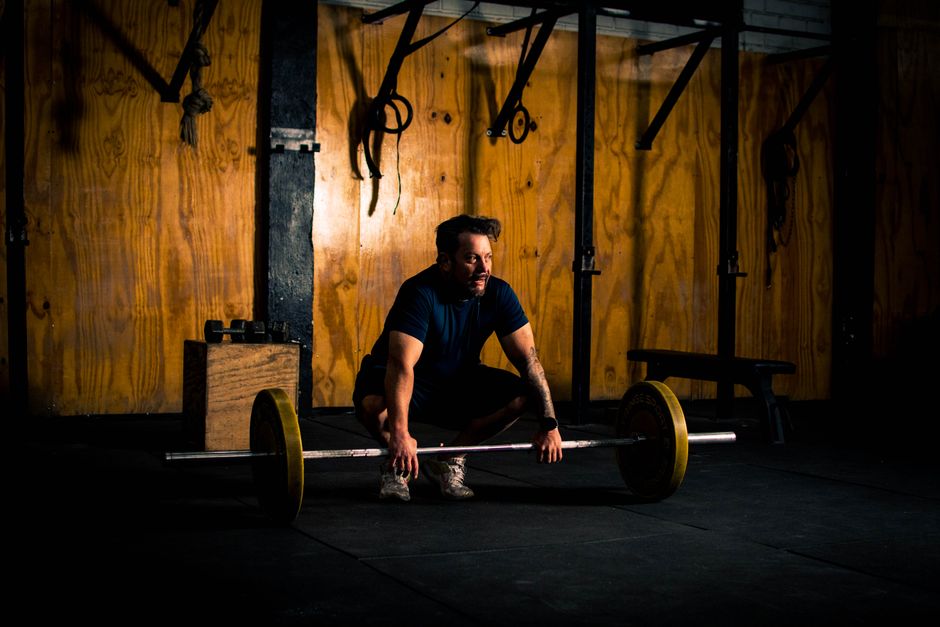
Eating the right foods before exercise can make or break your workout performance. A well-planned pre-workout meal provides the energy your muscles need, prevents fatigue, and supports recovery. Without proper nutrition, you may feel sluggish, lightheaded, or unable to push through challenging sets.
Timing is everything when it comes to pre-workout nutrition. Most fitness enthusiasts find that eating **2-3 hours before exercise** allows for optimal digestion and energy availability. This window gives your body time to break down food into usable fuel without causing digestive discomfort during your workout. For lighter snacks, 30-60 minutes before exercise works well.
Every effective pre-workout meal contains three key macronutrients: **carbohydrates for immediate energy**, **protein for muscle support**, and **moderate healthy fats** for sustained fuel. The ratio typically favors carbs (about 50-60% of the meal), with protein making up 20-30% and fats kept moderate at 10-20%. This balance ensures you have quick-burning fuel without feeling weighed down.
Editor’s pick: protein powder whey isolate — compare options and current availability.
Ideal Foods for Pre-Workout Meals
Carbohydrate-rich foods form the foundation of any pre-workout meal. **Oatmeal, brown rice, sweet potatoes, whole grain bread, and bananas** provide sustained energy that fuels both aerobic and strength training sessions. These complex carbs release glucose gradually into your bloodstream, preventing energy crashes mid-workout. For quick sessions under 45 minutes, simple carbs like white rice or fruit work perfectly.
Lean protein sources help prepare your muscles for the work ahead and jumpstart recovery processes. **Greek yogurt, egg whites, chicken breast, turkey, cottage cheese, and protein powder** are exc nt choices that digest easily. Aim for 15-25 grams of protein in your pre-workout meal to support muscle protein synthesis without causing digestive distress.
Healthy fats play a supporting role in pre-workout nutrition. **Almond butter, avocado, chia seeds, and coconut oil** provide anti-inflammatory benefits and help with vitamin absorption. Keep fat content moderate (5-10 grams) since fats slow digestion. Too much fat before exercise can lead to stomach discomfort and sluggish performance.
Meal Prep Ideas for Busy Fitness Enthusiasts

Meal prepping saves time and ensures you always have workout-ready nutrition available. **Overnight oats with protein powder and berries** can be prepared in batches for the entire week. Simply combine rolled oats, milk or water, protein powder, and your choice of fruit in mason jars. Refrigerate overnight and grab one 2 hours before your gym session.
**Rice cakes with almond butter and sliced banana** make an ideal 30-minute pre-workout snack. Prepare several at once and store them in airtight containers. The combination provides fast-acting carbs from the banana, sustained energy from the rice cakes, and healthy fats from the nut butter. This snack costs under $1.50 per serving.
Budget-conscious athletes can rely on **scrambled eggs with toast and fruit**. Buy eggs in bulk, use store-brand whole grain bread, and choose seasonal fruits for the best prices. This complete meal provides approximately 30 grams of protein, 40 grams of carbs, and costs roughly $2-3 per serving. Prepare the eggs ahead and reheat them before your workout.
Customizing Your Pre-Workout Meal Plan
Different workout types require different nutritional strategies. **Strength training sessions** demand more protein and moderate carbs to support muscle performance and prevent breakdown. Aim for a 40% carb, 30% protein, 30% fat split. For **endurance workouts like running or cycling**, increase carbs to 60-70% of your meal to fuel sustained effort over longer periods.
Dietary restrictions don’t mean compromising performance. **Plant-based athletes** can swap chicken for tofu, tempeh, or legumes while replacing Greek yogurt with coconut or almond-based alternatives. Those with gluten sensitivity can use quinoa, rice, or gluten-free oats instead of wheat-based products. Lactose-intolerant individuals benefit from plant milks and non-dairy protein powders.
Seasonal eating enhances both nutrition and affordability. **Summer months** offer berries, melons, and stone fruits perfect for quick-digesting pre-workout carbs. **Winter seasons** provide hearty root vegetables like sweet potatoes and squash that work well in meal prep bowls. Local farmers markets often sell these ingredients at 30-40% lower prices than conventional grocery stores.
Hydration and Pre-Workout Meals
Proper hydration starts hours before you step into the gym. **Drinking 16-20 ounces of water 2-3 hours before exercise** ensures adequate fluid levels without causing bathroom emergencies mid-workout. Your urine should be pale yellow, indicating optimal hydration status. Dark urine signals dehydration that can impair performance by 10-20%.
The best pre-workout beverages include **water, coconut water, green tea, and electrolyte drinks**. Water works perfectly for workouts under 60 minutes. Coconut water provides natural electrolytes for longer sessions. Green tea offers a mild caffeine boost without the jitters. Save sports drinks for intense workouts exceeding 90 minutes where electrolyte replacement becomes critical.
Common hydration mistakes sabotage workout quality. **Drinking too much water immediately before exercise** causes sloshing and discomfort. Consuming sugary beverages or juice creates blood sugar spikes followed by crashes. Relying solely on caffeine leads to dehydration since caffeine acts as a mild diuretic. Balance your fluid intake throughout the day rather than chugging water right before training.
Eating Before Morning Workouts
Morning workouts present unique nutritional challenges since you’ve fasted overnight. **Eating before early exercise prevents muscle breakdown**, maintains blood sugar levels, and improves workout quality. Studies show that consuming even a small pre-workout meal increases performance by 12-15% compared to fasted training for most individuals.
Ideal morning pre-workout meals are **light, easily digestible, and carb-focused**. Try half a banana with a tablespoon of almond butter, a small bowl of oatmeal with honey, or a rice cake with jam. These options provide 20-30 grams of quick-digesting carbs without sitting heavy in your stomach. Keep protein moderate and fats minimal to speed digestion.
Waking up earlier helps but isn’t always necessary. **Set your alarm 30-45 minutes before your workout** to allow time for a light snack and digestion. Keep pre-prepared options like protein bars, instant oatmeal packets, or pre-made smoothie ingredients ready. If you absolutely cannot eat solid food, try a small smoothie or diluted fruit juice 15-20 minutes before training.
Pre-Workout Meal Timing and Workout Duration
Workout duration directly impacts your meal timing strategy. **For sessions under 45 minutes**, a small snack 30-60 minutes beforehand provides sufficient fuel. Choose easily digestible options like a banana, energy bar, or handful of dried fruit. These short workouts don’t deplete glycogen stores significantly, so you don’t need a full meal.
**Moderate workouts lasting 45-90 minutes** require more substantial nutrition 2-3 hours prior. Plan a balanced meal with 40-60 grams of carbs, 20-30 grams of protein, and 5-10 grams of fat. Examples include grilled chicken with rice and vegetables, turkey sandwich on whole grain bread, or Greek yogurt with granola and berries.
**Extended training sessions exceeding 90 minutes** demand strategic fueling both before and during exercise. Eat a larger meal 3-4 hours beforehand containing 60-80 grams of carbs and 25-35 grams of protein. Consider adding a small snack 30-60 minutes pre-workout for additional energy. Long endurance sessions may also require consuming easily digestible carbs every 45-60 minutes during the workout itself.
Comparison of Pre-Workout Meal Options
| Meal Option | Best For | Prep Time | Cost per Serving | Key Benefits |
|---|---|---|---|---|
| Overnight Oats + Protein | Strength Training | 5 min | $2.50 | High protein, sustained energy |
| Rice Cakes + Almond Butter | Quick Workouts | 2 min | $1.50 | Fast-digesting, portable |
| Eggs + Toast + Fruit | Morning Sessions | 10 min | $2.00 | Complete macros, filling |
| Greek Yogurt + Granola | Cardio Workouts | 3 min | $3.00 | Probiotics, quick energy |
| Sweet Potato + Chicken | Endurance Training | 15 min | $4.00 | Complex carbs, lean protein |
Frequently Asked Questions
Q: What should I eat before a workout?
A: The best pre-workout foods combine **carbohydrates for energy, protein for muscle support, and moderate healthy fats**. Popular options include oatmeal with protein powder, Greek yogurt with berries and granola, or turkey on whole grain bread. Timing matters—eat full meals 2-3 hours before exercise and lighter snacks 30-60 minutes prior. Drink 16-20 ounces of water alongside your meal to ensure proper hydration.
Q: How long before a workout should I eat?
A: **Full meals work best 2-3 hours before exercise**, giving your body time to digest and convert food into usable energy. If you’re eating closer to workout time, choose lighter snacks 30-60 minutes beforehand. Morning exercisers can eat a small snack 30-45 minutes prior since their stomachs are empty from overnight fasting. Adjust timing based on your personal digestion speed and workout intensity.
Q: Can I eat the same meal before every workout?
A: While you can repeat successful pre-workout meals, **variety ensures complete nutrition and prevents boredom**. Different workout types benefit from adjusted macronutrient ratios—strength training needs more protein while cardio demands higher carbs. Rotating ingredients also reduces the risk of developing food sensitivities. That said, if you find a meal that works perfectly for your body and goals, there’s no harm in making it your go-to option several times weekly.
Q: What are some easy meal prep ideas for pre-workout meals?
A: **Overnight oats, hard-boiled eggs, and pre-portioned smoothie bags** are the ultimate time-savers. Prepare overnight oats in mason jars for 5-7 servings at once. Boil a dozen eggs on Sunday and store them in the fridge for quick protein. Freeze smoothie ingredients in individual bags—just dump into a blender with liquid when needed. Rice and chicken bowls also reheat well and can be prepped in bulk for $3-4 per serving.
Q: How can I ensure I’m eating the right balance of macronutrients?
A: **Track your meals using a nutrition app for 1-2 weeks** to understand your current intake patterns. Aim for pre-workout meals containing 50-60% carbohydrates, 20-30% protein, and 10-20% fats. A simple visual method: fill half your plate with carb-rich foods like rice or oats, one-quarter with lean protein like chicken or Greek yogurt, and add a small amount of healthy fats like avocado or nuts. Adjust based on workout type and personal energy levels.
Top Product Recommendations
| Product Name | Rating | Key Feature | Est. Price | Action |
|---|---|---|---|---|
| Top-rated protein powder whey isolate | ★★★★★ | Editor-recommended protein powder whey isolate from this guide | $18–$42 | Check Lowest Price on Amazon |
| Best-value pre workout energy bars | ★★★★☆ | Affordable pre workout energy bars — strong everyday results | $12–$28 | Check Lowest Price on Amazon |
| Premium meal prep containers fitness | ★★★★☆ | Higher-end meal prep containers fitness for visible, lasting results | $45–$95 | Check Lowest Price on Amazon |
Affiliate Disclosure: This post contains affiliate links. We may earn a commission if you buy through our links, at no extra cost to you. Medical Disclaimer: This content is for informational purposes only and is not medical advice. Consult a healthcare professional before changing diet or exercise.
Leave a Reply