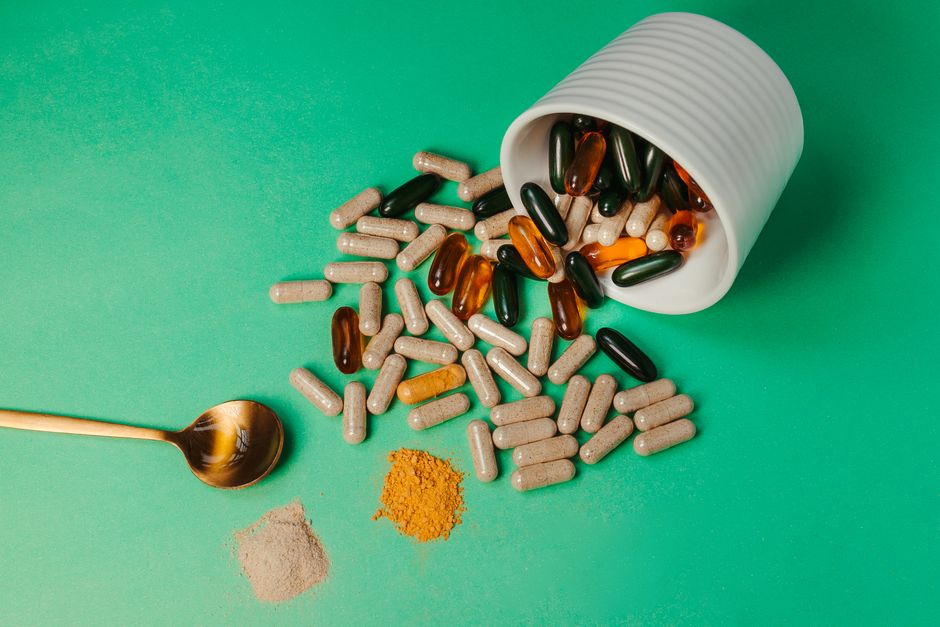
Supplement Ingredients 101
If you have ever wandered the supplement aisle at your local pharmacy or health food store, you know how quickly things get overwhelming. From multivitamins to single-nutrient capsules, the options seem endless. Understanding what goes into supplements—and why—helps you make smarter choices without breaking the bank.
Most mainstream supplements contain a handful of recognizable nutrients: **vitamin D3**, **vitamin B12**, **iron**, **calcium**, **zinc**, and **omega-3 fatty acids** rank among the most common. When reading a supplement label, look for the “Supplement Facts” panel, which lists serving size, active ingredients, and the % Daily Value (%DV) based on a 2,000-calorie diet. Ingredients that appear near the end of the list—such as fillers, binders, or artificial colors—are less critical to your decision but still worth noting if you have allergies.
For budget-conscious home cooks, generic store-brand supplements often deliver the same active ingredients as name brands at a fraction of the cost. Look for third-party testing seals from organizations like USP, NSF, or ConsumerLab, which verify that what is on the label actually matches what is in the bottle. Avoid buying supplements in bulk unless you use them daily, since many lose potency after opening.
Choosing the Right Supplements for Your Diet
Your individual supplement needs depend heavily on your eating patterns and lifestyle. A vegan or plant-based eater, for example, often falls short on **vitamin B12**, **iron**, **zinc**, and **omega-3s**—nutrients that occur predominantly in animal products. A simple blood test at your annual physical can reveal which gaps matter most for your body.
If you follow a gluten-free diet due to celiac disease or sensitivity, you may need extra **calcium**, **vitamin D**, and **B vitamins** since many gluten-free grain products are not fortified. Athletes and active individuals often benefit from **electrolyte powders**, **branched-chain amino acids (BCAAs)**, and **magnesium** to support recovery and muscle function.
The golden rule is this: supplements should supplement a balanced diet, not replace whole foods entirely. No capsule can replicate the fiber, phytonutrients, and synergistic compounds found in vegetables, fruits, legumes, and whole grains. Think of supplements as a safety net, not a meal replacement strategy.
| Diet Type | Common Nutrient Gaps | Typical Supplement Solutions |
|---|---|---|
| Vegan / Plant-Based | B12, Iron, Zinc, Omega-3 | B12 tablet, Iron chelate, Algae omega-3 |
| Gluten-Free | Calcium, Vitamin D, B Vitamins | D3 + Calcium combo, B-complex |
| Keto / Low-Carb | Magnesium, Potassium, Electrolytes | Magnesium glycinate, Electrolyte drink mix |
| omnivore (Standard) | Multivitamin usually sufficient | Standard daily multivitamin |
Supplements and Meal Prep
Meal prepping is one of the most practical ways to ensure you are consistently nourishing your body—and supplements fit naturally into this routine. The key is to align your supplement schedule with your meals. Fat-soluble vitamins like **A, D, E, and K** absorb best when taken with a meal that contains dietary fat, so pairing your daily vitamin D capsule with breakfast or lunch makes physiological sense.
Time-saving tip: store your supplements next to your coffee maker or kettle. When you brew your morning cup, you see the supplement bottle and remember to take it. This simple anchor habit eliminates forgotten doses and keeps your routine consistent.
For meal prep itself, think about building menus that complement what your supplements provide. If you take an iron supplement, pair it with meals featuring **vitamin C-rich foods** like bell peppers, tomatoes, or citrus—vitamin C dramatically improves non-heme iron absorption from plant sources. Conversely, if you take calcium, avoid pairing it with coffee or tea at the same meal, since tannins can reduce calcium uptake.
Batch-cooking grains like quinoa and farro, roasting trays of vegetables, and preparing a large jar of overnight oats are all budget-friendly strategies that set you up for a week of healthy eating alongside your supplement routine.
Supplement Recipes for Breakfast
Breakfast is the easiest meal to infusesupplements into your daily rotation because so many recipes blend smoothly with liquid bases.
**Green Power Smoothie Bowl** *(Prep time: 5 minutes | Servings: 1)*
This smoothie bowl delivers a nutrient-dense start with a scoop of plant-based protein powder, frozen banana, spinach, almond milk, and a tablespoon of chia seeds. Top with fresh berries, sliced almonds, and a drizzle of honey. The protein powder adds弥补 your morning protein intake, while chia seeds supply **omega-3 fatty acids** and **fiber**.
Common mistake: blending at too high a speed creates a soup-like consistency instead of a thick, bowl-worthy texture. Start on low, then pulse in 5-second intervals, and add liquid gradually.
**Overnight Oats with Nut Butter swirl** *(Prep time: 10 minutes (night before) | Servings: 2)*
Combine 1 cup rolled oats, 1 cup oat milk, 2 tablespoons chia seeds, 1 tablespoon maple syrup, and a pinch of cinnamon in a mason jar. Stir well, seal, and refrigerate overnight. In the morning, stir in a tablespoon of peanut or almond butter and top with banana slices and a sprinkle of hemp seeds. Add a **fiber supplement** or **collagen peptides** powder stirred directly into the oats for an extra wellness boost.
**Swap:** Replace oat milk with soy milk to boost the protein content of each serving from 6g to 12g per bowl.
Supplement Recipes for Lunch and Dinner
Lunch and dinner recipes benefit just as much from supplement-aware cooking, especially when you are working with limited ingredients or tight schedules.
**Mediterranean Chickpea Bowl** *(Prep time: 20 minutes | Servings: 2)*
Drain and rinse one can of chickpeas and toss them with olive oil, smoked paprika, garlic powder, and cumin. Roast at 400°F for 18–20 minutes until crispy. Arrange over a bed of arugula with crumbled feta, halved cherry tomatoes, sliced cucumber, and kalamata olives. Whisk together lemon juice, extra virgin olive oil, and a pinch of sea salt for the dressing. If you follow a plant-based diet, omit the feta and add a spoonful of hummus on the side.
This bowl delivers **plant-based protein**, **fiber**, and **healthy fats**. Pairing it with an **iron supplement**? Add a squeeze of fresh lemon—the citric acid boosts iron bioavailability from the chickpeas.
**Baked Salmon with Quinoa and Roasted Broccoli** *(Prep time: 35 minutes | Servings: 2)*
Season two salmon fillets with dill, lemon zest, salt, and pepper. Bake at 375°F for 15–18 minutes. Simultaneously, cook 1 cup quinoa in 2 cups vegetable broth for 15 minutes, and toss broccoli florets with olive oil and garlic before roasting at 400°F for 12 minutes.
Salmon is one of the best natural sources of **omega-3 fatty acids (EPA and DHA)**, making it a powerful complement to any omega-3 supplement regimen. This meal works equally well with chicken thighs if you prefer not to eat fish.
Supplements for Snacking and Dessert
Snacks and desserts are often where home cooks slip—reaching for chips, cookies, or candy that offer empty calories and rapid blood sugar spikes. A supplement-focused snacking approach keeps you energized between meals without sabotaging your nutrition goals.
**Energy Bites** *(Prep time: 15 minutes | Servings: 12–15 bites)*
Mix 1 cup rolled oats, ½ cup peanut butter, ¼ cup honey, 2 tablespoons mini chocolate chips, 1 tablespoon ground flaxseed, and 1 scoop vanilla protein powder in a large bowl. Roll into 1-inch balls and refrigerate for 30 minutes. Store in an airtight container for up to one week.
Each bite provides **protein**, **fiber**, and **healthy fats** from the oats, peanut butter, and flaxseed. The protein powder bridges any gaps in your daily intake, especially on days when you skip a meal.
**Frozen Greek Yogurt Bark** *(Prep time: 10 minutes + freeze time | Servings: 8–10 squares)*
Spread 2 cups plain Greek yogurt evenly on a parchment-lined baking sheet. Drizzle with honey, sprinkle with fresh blueberries and sliced strawberries, and add a handful of chopped walnuts. Freeze for 2–3 hours until solid, then break into irregular pieces.
Greek yogurt supplies **calcium** and **probiotics**, while the fruit adds **antioxidants**. This treat satisfies a sweet craving without refined sugar and makes a refreshing summer snack.
**Swap:** Replace honey with maple syrup for a different flavor profile, or swap walnuts for almonds to change the fat profile of each serving.
Understanding Supplement Timing and Interactions
When you take your supplements matters just as much as which ones you choose. Fat-soluble vitamins (**A, D, E, K**) require dietary fat to absorb properly, so take them with breakfast or lunch rather than on an empty stomach. Water-soluble vitamins (**B-complex and C**) absorb well with or without food, though some people experience stomach upset when taking them on an empty stomach.
Be aware of common interactions. **Calcium** competes with **iron** for absorption, so do not take them at the same meal unless your healthcare provider specifically instructs otherwise. **Zinc** and **copper** also have a delicate balance—long-term high-dose zinc supplementation can deplete copper stores over time.
Certain supplements thin the blood or interact with medications. If you take a daily **fish oil** capsule and a baby aspirin, for instance, discuss the combination with your doctor. **St. John’s Wort**, a popular herbal supplement for mood support, interacts with a surprising number of prescription drugs including birth control pills and blood thinners.
Supplement Storage and Shelf Life
Proper storage extends the potency and safety of your supplements significantly. Most vitamins and minerals keep best in a cool, dry place away from direct sunlight—bathroom cabinets near the shower are actually a poor choice due to humidity. A bedroom closet or kitchen pantry works much better.
Liquid supplements, probiotic capsules, and fish oil softgels are particularly sensitive to heat and light. Refrigeration extends the shelf life of most liquid products and probiotic formulas. Always check the expiration date before consuming, and discard any capsules that appear discolored, cracked, or have an unusual odor.
Powdered supplements like protein powders and fiber mixes have a relatively long shelf life when sealed, but once exposed to air and moisture, they begin degrading. Reseal bags tightly after each use and use a clip or food storage sealer to minimize air exposure.
Frequently Asked Questions (FAQ)
What are the most common nutrients found in supplements?
The most frequently encountered nutrients in supplements include **vitamin D3**, **vitamin B12**, **vitamin C**, **calcium**, **iron**, **zinc**, **magnesium**, **omega-3 fatty acids**, and **probiotics**. Multivitamins combine several of these into a single daily tablet, while specialty supplements focus on individual nutrients or blends designed for specific health goals like joint support, immune function, or sleep quality.
How can I ensure I am getting the most nutrients from my supplements?
To maximize supplement absorption, take fat-soluble vitamins (**D, E, K, A**) with meals that contain healthy fats like avocado, olive oil, or nuts. Pair iron supplements with vitamin C-rich foods or beverages to boost uptake. Space calcium and iron supplements at least two hours apart since they compete for the same absorption pathway. Store supplements properly—away from heat, humidity, and direct sunlight—to preserve their potency through the expiration date.
Are there any potential side effects or risks associated with taking supplements?
Yes. While most over-the-counter supplements are safe at recommended doses, high intakes of certain nutrients can cause problems. Excessive **vitamin A** during pregnancy can cause birth defects. Too much **iron** damages internal organs and causes digestive distress. Overconsumption of **vitamin B6** leads to nerve damage over time. Herbal supplements like **kava**, **comfrey**, and **germander** have been linked to serious liver toxicity. Always talk to your healthcare provider before starting any new supplement, especially if you take prescription medications, are pregnant, or have a chronic health condition.
Explore more supplements guides on our site.
Top Product Recommendations
| Product Name | Rating | Key Feature | Est. Price | Action |
|---|---|---|---|---|
| Best Supplements Pick | ★★★★★ | Top-rated overall | $25–$45 | Check Lowest Price on Amazon |
| Budget Supplements Option | ★★★★☆ | Great for beginners | $12–$28 | Check Lowest Price on Amazon |
| Premium Supplements Choice | ★★★★☆ | Pro-level results | $50–$90 | Check Lowest Price on Amazon |
Affiliate Disclosure: This post contains affiliate links. We may earn a commission if you buy through our links, at no extra cost to you. Medical Disclaimer: This content is for informational purposes only and is not medical advice. Consult a healthcare professional before changing diet or exercise.
Leave a Reply