Why Meal Prep Fails
Most Americans start meal prep with unrealistic expectations—a perfectly free Sunday afternoon, a fully stocked kitchen, and unwavering motivation every single week. Real life rarely cooperates. You might face a last-minute family obligation, run out of containers mid-prep, or simply lose your appetite for the same grilled chicken by Wednesday. **These perfect-condition assumptions** set you up for disappointment before you even start.
Abandoning meal prep after two to three weeks is the norm, not the exception. The initial excitement fades when you realize how much time shopping, cooking, and portioning actually takes. Your perfectly planned system collapses the first week you work late or your kids get sick. Instead of adapting, most people quit entirely and return to takeout or convenience foods.
The solution lies in **building flexibility into your system** rather than rigidity. Accept that some weeks you’ll only prep three meals instead of seven. Stock your pantry with backup options like canned beans, frozen vegetables, and shelf-stable proteins. Use supplements strategically to fill nutritional gaps on chaotic days when your meal prep falls short. This realistic approach keeps you consistent over months, not just weeks.
Editor’s pick: vitamin D3 supplement 2000 IU — compare options and current availability.
Meal Prep Challenges and Solutions
Skipping breakfast or lunch and trying to catch up with a massive dinner creates blood sugar swings and poor nutrition absorption. Your body cannot efficiently process 1,500 calories in one sitting after fasting all day. This pattern also triggers intense evening hunger that often leads to overeating processed snacks. **Eating smaller, consistent portions** throughout the day maintains steady energy and better nutrient uptake.
Common meal prepping challenges include running out of storage space, food spoiling before you eat it, and texture degradation in reheated meals. Soggy vegetables, rubbery chicken, and separated sauces make even well-planned meals unappetizing by day four. Time constraints also derail efforts—spending four hours cooking on Sunday feels overwhelming when you are already exhausted from the week.
Easy solutions start with **prep-ahead ingredients rather than complete meals**. Wash and chop vegetables, cook grains in bulk, and marinate proteins separately. Assemble fresh each day in under ten minutes. Invest in quality glass containers that reheat evenly and keep food fresh longer. Schedule two shorter prep sessions (Wednesday and Sunday) instead of one marathon session. Rotate recipes weekly to prevent flavor fatigue.
Supplements for Meal Prep Success
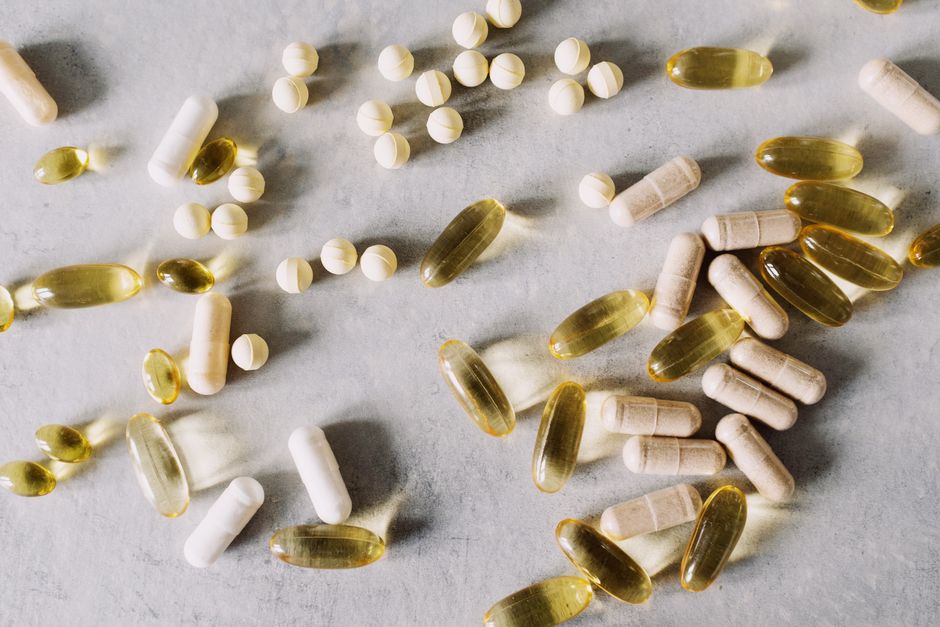
The most effective supplements for meal prep support consistent energy, reduce inflammation from repetitive foods, and fill micronutrient gaps when variety suffers. **Vitamin D3** (2,000-4,000 IU daily) compensates for limited produce variety in typical meal prep rotations. Omega-3 fatty acids (1,000-2,000 mg EPA/DHA) reduce inflammatory responses when eating the same proteins repeatedly. Magnesium glycinate (200-400 mg) improves sleep quality, which directly impacts meal prep motivation and consistency.
A supplement pair that helps with meal prep is **B-complex vitamins with electrolytes**. B vitamins support energy metabolism when you are eating controlled portions and potentially fewer calories than usual. Electrolytes (sodium, potassium, magnesium) prevent the fatigue and headaches common during the first weeks of structured eating. This combination keeps your energy stable even when meal timing shifts or portions feel smaller than you are used to.
Vitamin C supplement (500-1,000 mg daily) matters because meal-prepped vegetables lose significant vitamin C content during storage and reheating. Spinach loses up to 50% of its vitamin C within three days of refrigeration. Bell peppers and broccoli degrade even faster. Supplementing ensures you maintain immune function and collagen synthesis even when eating four-day-old prepped meals.
Supplement Mistakes to Avoid
Avoidable mistakes by new supplement users include taking fat-soluble vitamins (A, D, E, K) without dietary fat, which prevents absorption. You need at least 10-15 grams of fat with these supplements—add them to meals containing nuts, avocado, or olive oil. Taking calcium and iron together blocks absorption of both minerals. Space these supplements at least two hours apart for maximum benefit.
Taking too much supplement at once overwhelms your digestive system and wastes money. **Your body can only absorb about 500 mg of calcium at a time**—splitting doses improves uptake. Megadoses of water-soluble vitamins (B, C) simply get excreted in urine. Start with lower doses and increase gradually while monitoring how you feel rather than assuming more equals better results.
Ignoring correct usage of whey protein means missing its primary benefit window. Whey absorbs rapidly, making it ideal within 30 minutes post-workout when muscles are primed for protein synthesis. Using it as a meal replacement throughout the day wastes its fast-acting properties. For sustained energy between meals, **casein protein or whole food protein sources** work better. Take 20-30 grams of whey immediately after training, not as an all-day protein substitute.
Best Supplements for Beginners
What to buy and avoid for beginners starts with covering foundational gaps before adding specialized supplements. Buy: high-quality multivitamin, vitamin D3, omega-3 fish oil, and magnesium. These four address the most common American nutritional deficiencies and support overall function. Avoid: proprietary blends with undisclosed ingredient amounts, supplements promising rapid weight loss, and products with extensive filler ingredients listed before active compounds.
How much to take depends on your baseline diet and activity level. **Sedentary adults need roughly 0.8 grams of protein per kilogram of body weight daily**—a 150-pound person needs about 55 grams. Active individuals training regularly need 1.6-2.2 grams per kilogram. Start supplements at the lower end of recommended ranges, assess your response for two weeks, then adjust upward if needed. Blood work every six months helps identify which specific nutrients you actually need versus trendy supplements you can skip.
A comprehensive guide for beginners in America means understanding that supplement quality varies wildly. Look for third-party testing certifications from NSF International, USP, or ConsumerLab. These verify that bottles contain what labels claim without contamination. Buy from established retailers rather than unknown online s rs offering suspiciously low prices. Store supplements in cool, dark, dry places—not bathroom cabinets where humidity degrades potency.
Top 3 Supplements and Why
Quercetin and serrapeptase function as near-miracle supplements for inflammation management and recovery. **Quercetin (500-1,000 mg daily)** is a flavonoid that reduces histamine response and exercise-induced inflammation. It helps reduce muscle soreness after intense training and may improve endurance performance. Serrapeptase (10-30 mg daily) is a proteolytic enzyme that breaks down scar tissue and reduces swelling. Together, they support faster recovery between workouts, making consistent meal prep execution easier when you are not constantly sore.
Vitamin C stands as the single most important supplement because Americans are chronically under-consuming it despite abundance. According to national nutrition surveys, over 40% of US adults fail to meet basic vitamin C requirements. **This deficiency impairs collagen synthesis, weakens immune function, and reduces iron absorption**. Taking 500-1,000 mg daily costs under ten dollars monthly and prevents these widespread issues. It also functions as a powerful antioxidant protecting cells from oxidative stress.
Importance of correct usage of supplements cannot be overstated—timing, dosage, and combining supplements properly determines whether they help or simply create expensive urine. Take magnesium before bed to leverage its calming effects. Take iron with vitamin C to enhance absorption but away from calcium. **Take probiotics on an empty stomach** so stomach acid does not destroy beneficial bacteria. Read labels for specific instructions rather than dumping all supplements together at breakfast.
Anabolic Recipes for Fitness
Detailed explanations of hows and whys of each dish matter because understanding the science helps you adapt recipes to your specific goals. A high-protein overnight oats recipe (40g protein, 50g carbs, 12g fat) works because the combination of casein protein powder, Greek yogurt, and oats provides both fast and slow-digesting proteins. This keeps muscle protein synthesis elevated for hours. Adding chia seeds increases omega-3 content and fiber, improving satiety and digestive health throughout your morning.
Adapting recipes for fitness goals means adjusting macronutrient ratios based on whether you are cutting, maintaining, or building muscle. **For fat loss, increase protein to 40% of calories while reducing carbs to 30% and fats to 30%**. For muscle gain, boost carbs to 45-50% while maintaining protein at 30% and fats at 20-25%. A basic chicken and rice meal prep becomes a cutting meal by reducing rice from 1 cup to ½ cup and adding extra vegetables for volume. The same recipe supports muscle gain by increasing rice to 1.5 cups and adding avocado for healthy fats.
Best sources for anabolic recipes include evidence-based fitness nutrition websites, registered dietitian blogs, and athlete-focused meal prep services. Avoid random social media fitness influencers who lack credentials. Look for recipes that list specific macronutrient breakdowns per serving and explain the nutritional purpose of each ingredient. Quality sources teach you principles—like pairing lean proteins with complex carbs post-workout—that you can apply to any recipe, not just follow blindly.
Frequently Asked Questions
What are the most common mistakes beginners make when starting meal prep?
A: Beginners typically try to prep seven days of meals at once, which leads to food spoilage and flavor fatigue by day five. They also choose complicated recipes requiring extensive ingredients and cooking techniques, making the process exhausting. **Start with three to four days of simple meals** using overlapping ingredients to reduce shopping time and costs. Prep components (proteins, grains, vegetables) separately rather than complete assembled meals to maintain better texture and flexibility.
How can I avoid making mistakes with supplements?
A: Research each supplement before buying to understand its specific purpose, optimal dosage, and timing. Start with one new supplement at a time and wait two weeks before adding another—this helps identify which ones actually benefit you versus which are unnecessary. **Read third-party testing reports and check for contraindications** with any medications you take. Track how you feel in a simple journal noting energy, sleep quality, and digestion to objectively assess whether supplements are working.
What are the best supplements for meal prep and fitness?
A: The best supplements are protein powder (whey or plant-based) for convenient protein intake, creatine monohydrate (5g daily) for strength and recovery, and vitamin D3 (2,000-4,000 IU) since most Americans are deficient. Add omega-3 fish oil if you eat fish less than twice weekly. **These four cover the biggest nutritional gaps** for active individuals while supporting consistent training that makes meal prep worthwhile. Everything else is optional depending on your specific diet deficiencies revealed through blood work.
Top Product Recommendations
| Product Name | Rating | Key Feature | Est. Price | Action |
|---|---|---|---|---|
| Top-rated vitamin D3 supplement 2000 IU | ★★★★★ | Editor-recommended vitamin D3 supplement 2000 IU from this guide | $18–$42 | Check Lowest Price on Amazon |
| Best-value omega-3 fish oil capsules | ★★★★☆ | Affordable omega-3 fish oil capsules — strong everyday results | $12–$28 | Check Lowest Price on Amazon |
| Premium whey protein powder unflavored | ★★★★☆ | Higher-end whey protein powder unflavored for visible, lasting results | $45–$95 | Check Lowest Price on Amazon |
Affiliate Disclosure: This post contains affiliate links. We may earn a commission if you buy through our links, at no extra cost to you. Medical Disclaimer: This content is for informational purposes only and is not medical advice. Consult a healthcare professional before changing diet or exercise.
Leave a Reply