Easy Passover Appetizers
Kicking off your Passover seder with flavorful appetizers sets the tone for the entire meal. A colorful **veggie platter** paired with homemade charoset dip offers a fresh, nutritious start that appeals to guests of all ages. The natural sweetness of apples and dates in charoset balances beautifully with crisp vegetables like bell peppers, carrots, and celery.
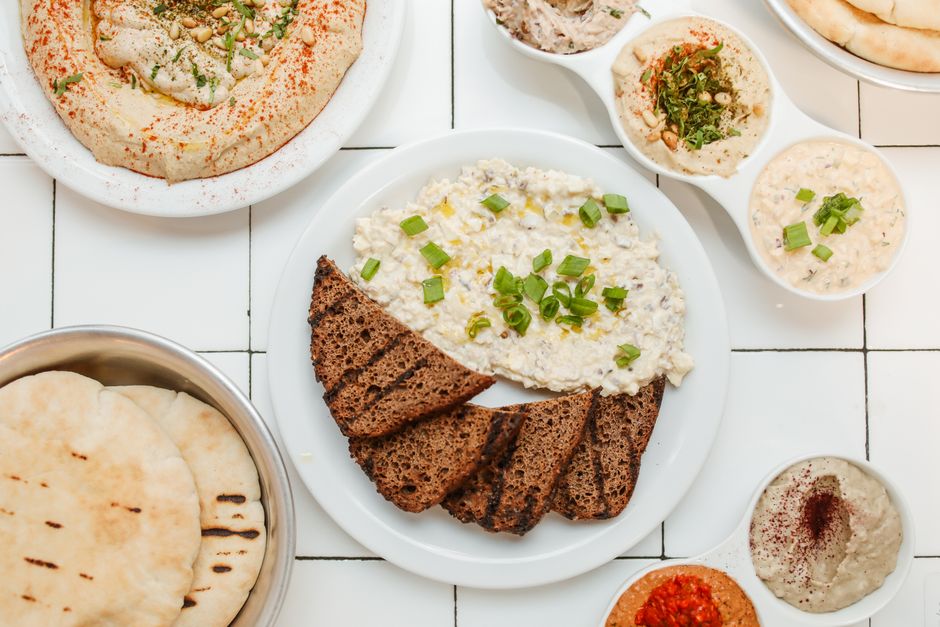
**Matzah crackers with creamy hummus** provide a satisfying crunch and protein boost before the main course. Break matzah into bite-sized pieces and arrange them alongside a bowl of tahini-rich hummus seasoned with lemon juice and garlic. This combination takes just five minutes to assemble yet delivers impressive flavor.
**Stuffed mushrooms** seasoned with Passover-friendly herbs like thyme and rosemary make an elegant appetizer. Remove the stems, fill the caps with a mixture of sautéed onions, garlic, and matzah meal, then bake at 375°F for 20 minutes. These bite-sized morsels disappear quickly and can be prepared several hours ahead.
Editor’s pick: Passover cookbook — compare options and current availability.
Main Dishes for a Nourishing Passover Meal
The centerpiece of your Passover table deserves special attention for both flavor and nutrition. **Roasted chicken with Passover herbs** remains a timeless choice that feeds a crowd without breaking the budget. Season a whole chicken with rosemary, thyme, garlic, and lemon, then roast at 425°F for about 75 minutes until the skin turns golden brown and crispy.
**Braised beef brisket** transforms into fork-tender perfection when slow-cooked with onions, carrots, and a matzah meal gravy. This dish actually improves when made a day ahead, allowing the flavors to deepen overnight in the refrigerator. Plan for about 3.5 hours of cooking time at 325°F, and your patience will be rewarded with melt-in-your-mouth meat.
**Baked salmon with horseradish crust** offers a lighter protein option packed with omega-3 fatty acids. Mix horseradish with matzah meal and fresh dill to create a flavorful crust that bakes in just 15 minutes at 400°F. This recipe works beautifully for guests who prefer fish over poultry or red meat.
Side Dishes to Complement Your Passover Feast
Balancing your Passover plate with nutritious sides ensures everyone leaves satisfied. **Roasted vegetables** tossed with olive oil and Passover-approved seasonings bring color and vitamins to the table. Combine Brussels sprouts, carrots, and red onions on a sheet pan and roast at 425°F for 25-30 minutes until caramelized.
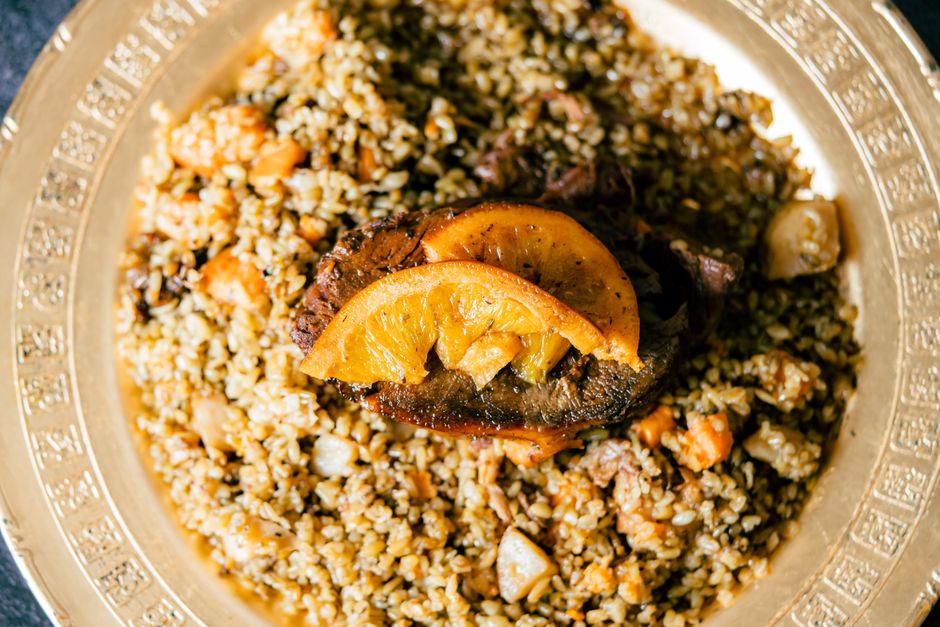
**Quinoa pilaf** serves as an exc nt alternative to traditional grain sides during Passover. Sauté onions and mushrooms in olive oil, add quinoa and vegetable broth, then simmer for 15 minutes. This complete protein side dish provides all nine essential amino acids and keeps guests feeling energized.
**Sweet potato and butternut squash mash** delivers natural sweetness without added sugar. Roast both vegetables until tender, then mash with a touch of cinnamon and coconut oil. The vibrant orange color and creamy texture make this side dish a visual and culinary highlight that even picky eaters enjoy.
Delicious and Healthy Passover Desserts
Ending your seder meal with lighter desserts allows guests to indulge without feeling overly full. **Fruit compote** infused with Passover wine transforms simple seasonal fruits into an elegant finale. Simmer strawberries, blueberries, and sliced peaches with a splash of sweet wine and honey for 20 minutes until the fruits soften and release their juices.
**Gluten-free chocolate cake** made with almond flour satisfies chocolate cravings while adhering to Passover dietary restrictions. Top each slice with a tangy raspberry sauce made by heating fresh raspberries with a bit of sugar until they break down into a silky puree. This dessert serves 8-10 people and can be baked the day before your seder.
**Almond macaroons** dusted with cinnamon sugar offer a classic Passover treat that requires just five ingredients. Whip egg whites until stiff peaks form, fold in almond paste and sugar, then pipe onto parchment paper and bake at 325°F for 18 minutes. These chewy cookies store well in an airtight container for up to five days.
Budget-Friendly and Time-Saving Passover Recipes
Preparing a memorable Passover meal doesn’t require an expensive grocery bill or all-day kitchen marathon. **Slow cooker recipes** allow you to start your main dishes in the morning and return to tender, flavorful results by evening. A slow cooker brisket requires just 15 minutes of prep time, then cooks unattended on low for 8 hours while you focus on other tasks.
**One-pot side dishes** minimize cleanup and maximize efficiency during the busy pre-seder hours. Cook quinoa pilaf entirely in a single pot, or roast all your vegetables on one large sheet pan. These strategies cut dishwashing time in half and reduce kitchen stress significantly.
**Make-ahead desserts** like fruit compote and chocolate cake can be prepared 1-2 days before Passover begins. Store them covered in the refrigerator, then bring to room temperature 30 minutes before serving. This approach distributes your cooking workload across several days instead of cramming everything into one exhausting afternoon.
Ingredient Substitutions for a Nutritious Passover
Adapting recipes to meet both Passover requirements and health goals requires smart ingredient swaps. **Almond flour** replaces regular wheat flour in baked goods while adding protein and healthy fats. Use a 1:1 ratio when substituting almond flour for all-purpose flour, though you may need to add an extra egg for binding.
**Matzah meal** functions as a versatile breadcrumb substitute in recipes ranging from meatballs to vegetable gratins. Grind matzah in a food processor to achieve your desired texture, from coarse crumbs to fine meal. Store homemade matzah meal in an airtight container for up to three months.
**Coconut oil or olive oil** provide healthier alternatives to butter in most Passover recipes. Coconut oil works particularly well in baked goods, offering a subtle sweetness, while olive oil enhances savory dishes with its fruity notes. Both options contain beneficial fats that support heart health and keep you feeling satisfied longer.
Common Mistakes and How to Fix Them
Even experienced cooks encounter challenges when preparing Passover meals. **Underseasoning dishes** ranks as the most frequent mistake, as cooks forget that Passover foods need robust flavors to compensate for the absence of leavened ingredients. Taste your dishes as you cook and don’t hesitate to add extra herbs, garlic, or lemon juice.
**Overcooking matzah-based items** turns them dry and crumbly instead of pleasantly tender. Monitor your matzah brei or matzah balls closely, removing them from heat as soon as they reach the desired consistency. Remember that matzah meal absorbs liquid quickly, so you may need less cooking time than traditional recipes suggest.
**Limited side dish variety** can make your Passover table feel monotonous. Plan at least three different vegetable sides with varying colors, textures, and cooking methods. Combining roasted, mashed, and sautéed vegetables ensures visual appeal and keeps every bite interesting throughout the meal.
Frequently Asked Questions
Q: What are some common mistakes people make when preparing Passover recipes?
A: The biggest mistakes include underseasoning dishes, overcooking matzah-based items until they become dry and crumbly, and not planning enough variety in side dishes. Many cooks also forget to taste as they go, leading to bland results. Always season generously with fresh herbs, check matzah dishes frequently for doneness, and aim for at least three different vegetable preparations to keep your seder table interesting and flavorful.
Q: How can I make my Passover meal more nutritious and delicious?
A: Incorporate plenty of fresh herbs like dill, parsley, thyme, and rosemary to boost flavor without adding calories. Use healthy fats such as olive oil or coconut oil instead of butter, and opt for whole food ingredients like quinoa, sweet potatoes, and fresh vegetables. Focus on roasting and baking rather than frying, and include a colorful variety of produce to maximize vitamins and minerals while keeping your guests satisfied.
Q: Can I prepare any Passover dishes ahead of time?
A: Many Passover dishes actually taste better when prepared in advance. Desserts like fruit compote, chocolate cake, and almond macaroons can be made 1-2 days before the seder and stored covered in the refrigerator. Braised brisket improves when cooked a day ahead, allowing flavors to develop overnight. Most vegetable sides can be prepped and partially cooked, then finished with a quick reheat just before serving. Main dishes prepared in a slow cooker or oven can be kept warm and served throughout the evening without losing quality.
Top Product Recommendations
| Product Name | Rating | Key Feature | Est. Price | Action |
|---|---|---|---|---|
| Top-rated Passover cookbook | ★★★★★ | Editor-recommended Passover cookbook from this guide | $18–$42 | Check Lowest Price on Amazon |
| Best-value matzah meal | ★★★★☆ | Affordable matzah meal — strong everyday results | $12–$28 | Check Lowest Price on Amazon |
| Premium slow cooker for holiday meals | ★★★★☆ | Higher-end slow cooker for holiday meals for visible, lasting results | $45–$95 | Check Lowest Price on Amazon |
Affiliate Disclosure: This post contains affiliate links. We may earn a commission if you buy through our links, at no extra cost to you.
Leave a Reply