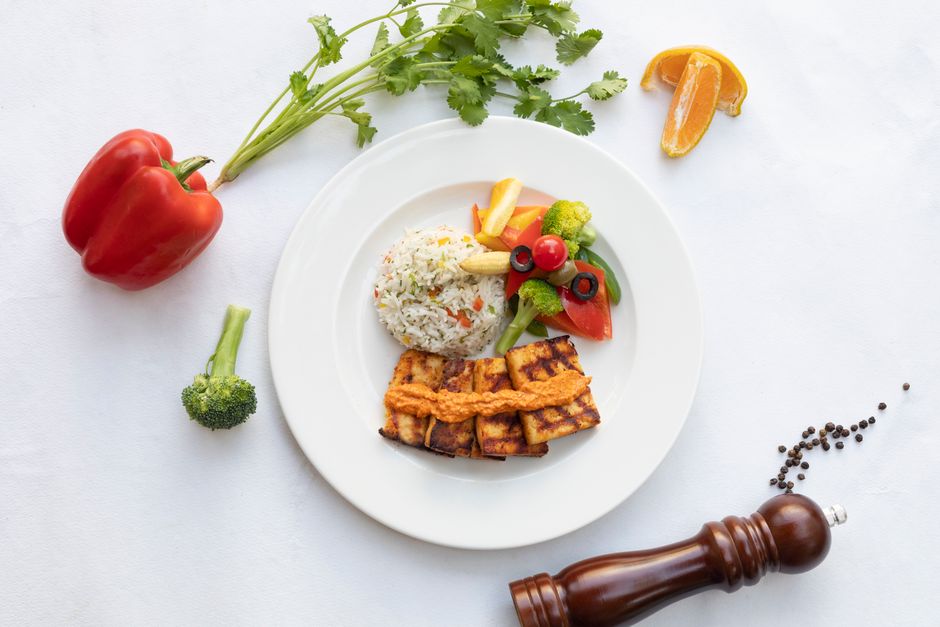
Meal Prep Essentials
Building a solid **meal-plan** routine starts before you ever turn on the stove. Setting yourself up with the right ingredients, tools, and mindset makes all the difference between a week where you eat well and a week where you default to takeout. The goal is to shop strategically, prep efficiently, and store everything so it stays fresh through five busy days.
Budget-Friendly Ingredients for Meal Planning
One of the biggest misconceptions about meal planning is that eating healthy has to be expensive. In reality, some of the most nutritious foods are also the most affordable. Staples like **oats, rice, lentils, eggs, frozen vegetables, and canned beans** form a cost-effective foundation for dozens of meals throughout the week. Buying these items in bulk cuts costs significantly compared to purchasing single servings. Seasonal produce at your local grocery store tends to cost less and taste better, so let the time of year guide your shopping list. Planning around what’s on sale is one of the smartest habits any home cook can develop.
Time-Saving Tips for Meal Prep
Setting aside just **90 minutes on Sunday afternoon** can set you up for the entire work week. Batch-cook grains like quinoa, brown rice, and oats in large pots — they cool quickly and store beautifully in the fridge for up to five days. Wash and chop vegetables the moment you bring them home so they’re ready to toss into a pan or eat raw. Marinate proteins overnight in sealed containers so dinner comes together in minutes. A well-labeled fridge is a meal planner’s best friend — write the date on every container so nothing gets lost behind the milk carton.
Meal Prep Containers and Storage Solutions
Investing in a set of **high-quality meal prep containers** pays for itself within the first week. Look for BPA-free plastic or glass containers with secure lids that won’t leak in your bag. Compartmentalized containers work well for portion control, while larger shallow containers are ideal for salads and grain bowls. Stacking ability matters too — a cabinet full of mismatched lids is a frustration you don’t need. Store prepped ingredients in the front of the fridge so the ones that need to be used first are the most visible.
Quick pick: Compare top-rated Meal Plan options.
Creating a Balanced Meal Plan
A balanced meal-plan is built on three pillars: **macronutrients, micronutrients, and variety**. Getting the ratio right between proteins, carbohydrates, and fats ensures sustained energy throughout the day, while micronutrients from colorful fruits and vegetables support everything from immune function to skin health.
Macronutrients: Understanding Proteins, Carbs, and Fats
Each macronutrient plays a distinct role in how your body feels and performs. **Proteins** — found in foods like chicken, fish, eggs, tofu, and legumes — are the building blocks for muscle repair and satiety. **Carbohydrates** from whole grains, fruits, and starchy vegetables provide the glucose your brain and muscles need for fuel. **Healthy fats** from avocado, nuts, olive oil, and fatty fish support hormone production and nutrient absorption. A practical starting ratio for most adults is roughly 30% protein, 35% carbs, and 35% fats, though individual needs vary based on activity level and goals.
Micronutrients: The Importance of Vitamins and Minerals
Even if your macros are on point, a diet lacking in micronutrients will leave you feeling sluggish and run down. **Iron, calcium, vitamin D, magnesium, and zinc** are commonly under-consumed nutrients that affect energy levels, bone health, and immune resilience. Filling half your plate with vegetables at lunch and dinner is one of the simplest ways to cover your micronutrient bases. A colorful plate is almost always a nutrient-dense plate — aim for variety rather than eating the same three vegetables every single week.
Sample Meal Plan for a Balanced Diet
| Day | Breakfast | Lunch | Dinner |
|---|---|---|---|
| Monday | Overnight oats | Quinoa and black bean salad | Baked salmon with quinoa |
| Tuesday | Scrambled eggs + toast | Grilled chicken salad | Lentil stew with brown rice |
| Wednesday | Greek yogurt parfait | Whole-wheat pita pizza | Grilled tofu stir-fry |
| Thursday | Overnight oats | Quinoa and black bean salad | Baked salmon with quinoa |
| Friday | Scrambled eggs + toast | Grilled chicken salad | Lentil stew with brown rice |
This rotation keeps things interesting while maintaining **nutritional balance** across proteins, fibers, and healthy fats throughout the week.
Meal Plan Recipes: Breakfast
Breakfast sets the tone for your entire day, and a thoughtful meal-plan makes it easy to start every morning with something wholesome — even when you’re rushing out the door. These three breakfast options take fewer than 10 minutes of active prep time each.
Overnight Oats with Fresh Fruit and Nuts
Combine **half a cup of rolled oats, three-quarters cup of milk, a spoonful of chia seeds, and a drizzle of honey** in a jar the night before. Seal it and refrigerate overnight. In the morning, top with sliced banana, a handful of blueberries, and a sprinkle of walnuts or almonds. This meal delivers slow-burning carbohydrates, omega-3 fatty acids, and natural sweetness without any added refined sugar. It travels well in a sealed mason jar, making it perfect for commuters who don’t have time to sit down and eat.
Scrambled Eggs with Spinach and Whole-Grain Toast
Whisk two eggs with a splash of milk and a pinch of salt and pepper. Melt a small amount of butter in a nonstick pan over medium-low heat, add the eggs, and stir gently with a spatula until just set. Pile **fresh spinach** on top of the eggs as they cook — the residual heat wilts it perfectly. Serve alongside a slice of toasted whole-grain bread spread with avocado for extra fiber and healthy fats. This classic combination provides high-quality protein, iron, and folate in under seven minutes.
Greek Yogurt Parfait with Granola and Berries
Layer **plain Greek yogurt, low-sugar granola, mixed berries, and a light drizzle of honey** in a tall glass or bowl. Greek yogurt offers twice the protein of regular yogurt, making it far more satisfying as a breakfast item. Add a tablespoon of ground flaxseed for an extra boost of fiber and omega-3s. The beauty of this recipe is its adaptability — swap granola for crushed whole-grain cereal, or switch berries for sliced peaches in the summer months.
Meal Plan Recipes: Lunch
Lunch is where most meal-plan routines either shine or fall apart. A satisfying midday meal keeps blood sugar stable and prevents the 3 p.m. energy crash that leads to vending machine runs. These three options are meal-prep-friendly and hold up well in the fridge for several days.
Quinoa and Black Bean Salad with Avocado Dressing
Cook **one cup of quinoa** according to package directions and let it cool completely. In a large bowl, combine the quinoa with one can of drained black beans, diced tomatoes, corn kernels, and chopped red onion. For the dressing, mash half a ripe avocado with lime juice, a small amount of olive oil, a pinch of cumin, and salt to taste. Toss everything together and divide into individual containers. This salad is packed with plant-based protein, fiber, and heart-healthy fats — and it actually tastes better the second day once the flavors have had time to meld.
Whole-Wheat Pita Pizza with Hummus and Vegetables
Spread **a thin layer of hummus** across a whole-wheat pita round for a lower-calorie twist on traditional pizza. Top with thinly sliced bell peppers, mushrooms, olives, and a sprinkle of feta cheese. Pop it under the broiler for three to four minutes until the edges are golden and the cheese is melted. This approach slashes the carb and calorie count compared to a standard pizza base while delivering a surprising amount of flavor and texture.
Grilled Chicken Salad with Mixed Greens and Balsamic Vinaigrette
Season chicken breasts with salt, pepper, garlic powder, and a squeeze of lemon juice, then grill or pan-sear until cooked through. Slice the chicken and arrange it over a bed of **mixed greens, cucumber, cherry tomatoes, and thinly sliced red onion**. Drizzle with a simple balsamic vinaigrette made from three parts olive oil, one part balsamic vinegar, a spoon of Dijon mustard, and a touch of honey. Store the dressing separately and add it just before eating so the greens don’t wilt.
Meal Plan Recipes: Dinner
Dinner is your opportunity to be most creative with ingredients and flavors, and a solid meal-plan means you’re never staring at an empty refrigerator at 6 p.m. wondering what to cook. These three dinner recipes offer exc nt variety across protein sources and cuisines.
Baked Salmon with Roasted Vegetables and Quinoa
Preheat your oven to 400°F. Place salmon fillets on a sheet pan lined with parchment paper, season with salt, pepper, lemon zest, and a drizzle of olive oil. Surround the salmon with **quartered Brussels sprouts, cubed sweet potatoes, and sliced red onion**. Roast for 18 to 20 minutes until the salmon flakes easily and the vegetables are caramelized. Cook a batch of quinoa ahead of time so all you need to do is reheat it in the microwave for 90 seconds. Salmon is one of the best dietary sources of omega-3 fatty acids, which support brain health and reduce inflammation.
Lentil and Vegetable Stew with Brown Rice
Sauté diced onion, carrots, and celery in a large pot with olive oil until softened, about five minutes. Add **one cup of dried red or green lentils, diced tomatoes, vegetable broth, cumin, smoked paprika, and a bay leaf**. Bring to a boil, then reduce the heat and simmer for 25 to 30 minutes until the lentils are tender. Serve a generous portion over warm brown rice with a side of steamed broccoli. This dish is vegetarian-friendly, rich in fiber and plant protein, and gets even tastier the next day as the flavors deepen.
Grilled Tofu with Stir-Fried Vegetables and Soba Noodles
Press a block of firm tofu between clean towels for 10 minutes to remove excess moisture, then cube and marinate in a mixture of soy sauce, sesame oil, minced ginger, and garlic for at least 20 minutes. Grill or pan-fry the tofu until golden on all sides. Meanwhile, stir-fry **snap peas, broccoli, bell peppers, and shredded carrots** in a hot wok with a splash of sesame oil. Cook soba noodles according to the package directions, drain, and toss with the vegetables and tofu. Finish with a drizzle of store-bought or homemade teriyaki glaze and sesame seeds.
Meal Plan Snacks
Strategic snacking is a meal-plan superpower. Well-chosen snacks bridge the gap between meals without adding empty calories, and they prevent the blood sugar dips that lead to poor food decisions later in the day.
Homemade Trail Mix with Nuts, Seeds, and Dried Fruit
Combine **raw almonds, walnuts, pumpkin seeds, sunflower seeds, dried cranberries, and chopped dried apricots** in a large jar. Portion a quarter-cup serving into small zip-top bags at the beginning of the week for grab-and-go convenience. A portion of trail mix delivers protein, healthy fats, and natural sugars that provide sustained energy between meals. The key is moderation — nuts are calorie-dense, so measuring portions prevents overeating.
Carrot and Cucumber Sticks with Hummus Dip
Wash and cut **carrots and cucumbers into thick sticks**, then portion them into containers alongside a small cup of your favorite hummus. This snack is incredibly low in calories, high in fiber, and rich in hydration-boosting water content. Prep the vegetables on Sunday so they’re ready to grab throughout the week. Keep a container of hummus at your desk for an easy, satisfying dip that takes no preparation at all.
Apple Slices with Almond Butter
Slice a crisp apple and spread **a tablespoon of natural almond butter** on each slice for a snack that balances natural fruit sugar with protein and fat. The combination satisfies a sweet craving without reaching for processed desserts. If you prefer peanut butter, that works just as well — just choose a brand with no added sugar or hydrogenated oils. Pre-slice the apples and store them in cold water with a squeeze of lemon juice to prevent browning throughout the week.
Meal Prep Schedule: Building Your Weekly Routine
Establishing a **weekly meal-plan routine** takes practice, but most home cooks find their rhythm within three to four weeks. The process becomes faster and more intuitive over time, and the health and financial benefits are worth the initial investment of energy.
Sunday Prep Session
Dedicate 60 to 90 minutes on Sunday to your most important prep tasks. Batch-cook grains and proteins, wash and chop vegetables, portion snacks into containers, and build any salads or overnight oats you want to have ready. Write labels on every container with the contents and the date prepared. This session eliminates the most common barrier to healthy eating: not having healthy food readily available when hunger strikes.
Midweek Top-Off
Midweek, do a quick audit of your fridge to identify what needs to be used first. This is when a Wednesday evening prep session of just 20 to 30 minutes can refresh your supply of snacks or add a new element to your lunch rotation. Cooking a fresh batch of a different grain or roasting an extra vegetable or two keeps things from feeling repetitive.
Frequently Asked Questions (FAQ)
What is a meal plan and why is it important?
A meal plan is a structured approach to organizing your weekly eating — it outlines what you’ll eat and when, based on your nutritional goals, budget, and schedule. Having a meal-plan in place reduces daily decision fatigue, helps you meet your nutritional targets, and significantly cuts down on food waste and impulsive spending on takeout.
How can I create a meal plan that fits my dietary needs and preferences?
Start by identifying your priorities — whether that’s increasing protein intake, reducing processed foods, or accommodating a specific dietary preference like vegetarian or low-carb eating. Build your weekly template around whole foods you genuinely enjoy, then plug them into a simple schedule. Use a blank calendar or a phone app to map out breakfast, lunch, dinner, and snacks for seven days, adjusting portion sizes based on your individual caloric and macronutrient needs.
What are some tips for sticking to a meal plan and avoiding meal prep burnout?
Start simple and resist the urge to overhaul everything at once. Begin with prepping just two or three days’ worth of meals, then gradually expand as the habit feels more natural. Keep variety high by rotating through four or five different lunch options rather than eating the same salad every single day. Finally, give yourself permission to order out once a week without viewing it as a failure — flexibility is what keeps any healthy routine sustainable over the long term.
Can I customize a meal plan for weight loss or muscle gain?
Absolutely. Adjusting portion sizes and macronutrient ratios is the primary way to tailor a meal-plan for specific goals. For weight loss, slightly reduce carbohydrate portions and emphasize lean proteins and non-starchy vegetables. For muscle gain, increase protein intake and add extra servings of whole grains and healthy fats. Keep a food journal for the first two weeks to understand how your current eating patterns compare to your goals, then make targeted adjustments rather than overhauling everything at once.
Top Product Recommendations
| Product Name | Rating | Key Feature | Est. Price | Action |
|---|---|---|---|---|
| Best Meal Plan Pick | ★★★★★ | Top-rated overall | $25–$45 | Check Lowest Price on Amazon |
| Budget Meal Plan Option | ★★★★☆ | Great for beginners | $12–$28 | Check Lowest Price on Amazon |
| Premium Meal Plan Choice | ★★★★☆ | Pro-level results | $50–$90 | Check Lowest Price on Amazon |
Affiliate Disclosure: This post contains affiliate links. We may earn a commission if you buy through our links, at no extra cost to you. Medical Disclaimer: This content is for informational purposes only and is not medical advice. Consult a healthcare professional before changing diet or exercise.
Leave a Reply