{# Is a 3-Day Juice Cleanse Worth It? Here’s the Real Deal
If you’re researching a **3 day juice cleanse plan pros and cons**, you’re probably hoping to reset your digestion, drop a few quick pounds, or break a bad eating streak. A standard 3-day juice cleanse means drinking only fresh fruit and vegetable juices for 72 hours — no solid food, no caffeine, no alcohol. It’s one of the most popular short-term detox formats in the US, largely because it has a clear start and end date that feels manageable.
What most people want from a cleanse is consistent: reduced bloating, a lighter feeling, and a mental reset from processed food habits. The appeal makes sense. The problem is the gap between what cleanse marketing promises and what nutrition science actually supports. This guide walks you through exactly what to expect — the schedule, the recipes, the real benefits, and the real drawbacks — so you can decide whether this approach fits your goals.
—
What You’ll Drink: A Day-by-Day Juice Schedule
A well-structured cleanse spaces out **five to six juices per day**, timed every two to three hours to keep your blood sugar from crashing. Each serving runs roughly 16 oz, putting your daily juice volume around 80–96 oz total. Timing matters more than most people realize — skipping a slot leads to the headaches and irritability that cause people to quit by day two.
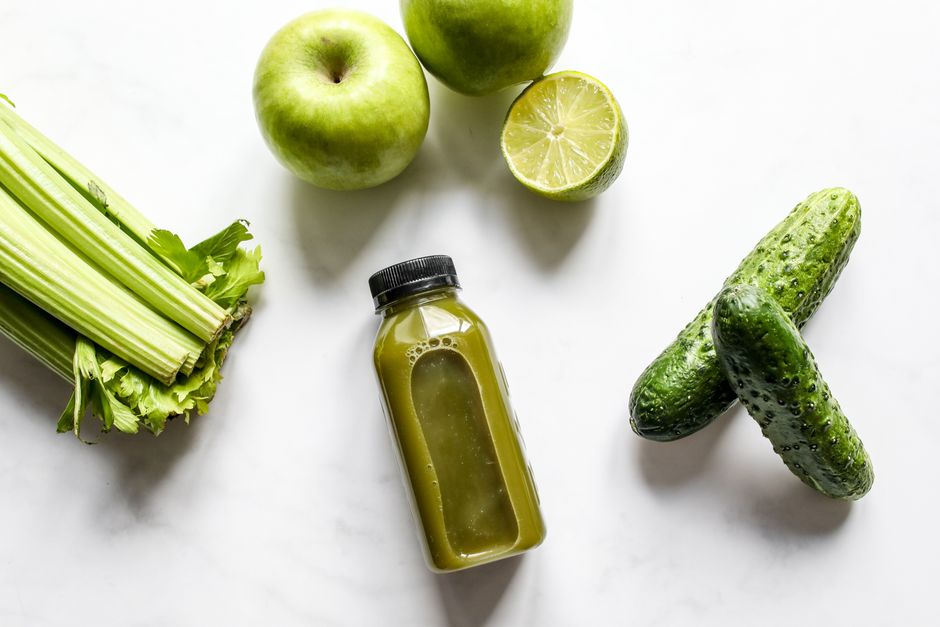
- **Morning (7–8 AM):** Green juice — spinach, cucumber, apple, lemon
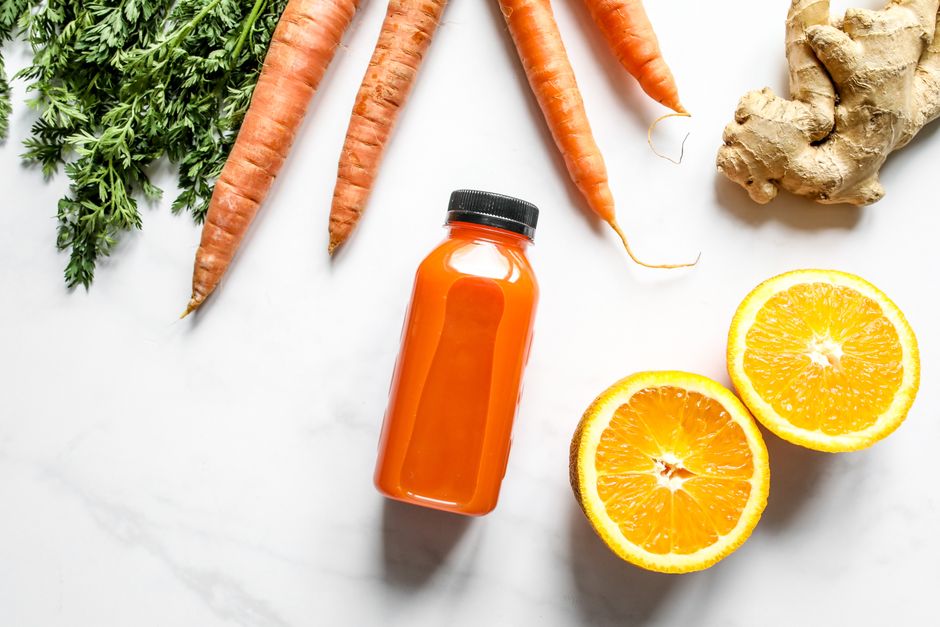
- **Mid-morning (10 AM):** Citrus blend — orange, carrot, ginger
- **Midday (12–1 PM):** Root juice — beet, apple, carrot
- **Afternoon (3 PM):** Hydrating blend — cucumber, celery, mint, lime
- **Evening (6 PM):** Gentle digestive — pineapple, ginger, turmeric
- **Optional nightcap (8 PM):** Warm water with lemon or diluted beet juice
Day 2 leans heavier on root vegetables for liver support — beets and turmeric appear more frequently. Day 3 shifts back toward citrus-forward blends to ease hunger fatigue as you approach the finish line.
—
Editor’s pick: masticating cold press juicer for cleanse — see current prices and reviews.
The Produce Shopping List (Budget-Friendly Breakdown)
You don’t need a specialty health store to pull this off. A full 3-day DIY cleanse can be built entirely from standard grocery store produce. Budget roughly **$50–$65 for three days** depending on your region and whether you buy organic.
- **Greens:** 2 large bags of spinach (~$6), 1 bunch of romaine ($2)
- **Root vegetables:** 4 large beets ($4), 2 lbs carrots ($3)
- **Citrus:** 6 lemons ($3), 4 oranges ($4), 2 limes ($1)
- **Apples:** 6–8 medium apples ($5)
- **Cucumber:** 4 large cucumbers ($4)
- **Celery:** 2 bunches ($4)
- **Ginger root:** 1 large knob ($2)
- **Pineapple:** 1 whole or pre-cut bag ($5)
- **Turmeric:** fresh or ground ($2–$3)
Fresh produce is strongly preferred over frozen for juicing — frozen fruits and vegetables release excess water and lose structural integrity in a centrifugal juicer. The one exception is frozen pineapple chunks, which work fine in a masticating or blender-based setup. Prepping all three days’ worth of produce on Sunday morning cuts your daily prep time to about 20 minutes.
—
Juice Recipes for Each Day: Simple, No-Fuss Formulas
Each recipe below yields approximately **16 oz per serving** through a standard centrifugal juicer. Masticating juicers will pull slightly higher yield from the same produce.
Day 1 — Ease In With Gentle Greens
- **Morning Green Reset:** 2 cups spinach, 1 apple, ½ cucumber, juice of 1 lemon, ½-inch ginger
- **Midday Carrot Citrus:** 3 large carrots, 2 oranges, ½-inch ginger
- **Evening Calm:** 3 stalks celery, 1 cucumber, juice of 1 lime, small handful mint
Day 1 keeps fruit content moderate so you’re not starting with a blood sugar spike. The spinach base is mild enough for people who are new to green juice.
Day 2 — Root Vegetables and Liver Support
- **Morning Beet Boost:** 2 beets, 2 carrots, 1 apple, juice of 1 lemon
- **Midday Turmeric Root:** 2 beets, 1 carrot, ½-inch turmeric, 1 orange
- **Evening Anti-Inflammatory:** 1 cup pineapple, ½-inch turmeric, juice of 1 lemon, celery
Beets give Day 2 its distinctive deep color and earthier flavor. If beets taste too strong, dilute with an extra apple or half a cucumber.
Day 3 — Citrus Forward, Finish Strong
- **Morning Sunrise:** 3 oranges, 2 carrots, juice of 1 lemon, ½-inch ginger
- **Midday Bright Green:** 2 cups spinach, 1 apple, ½ cucumber, 2 stalks celery
- **Evening Wind-Down:** 1 cup pineapple, 1 cucumber, juice of 2 limes, mint
Day 3 recipes are lighter and more refreshing — designed to carry you through without the heavier fatigue that tends to set in mid-cleanse.
—
The Real Pros: What a 3-Day Juice Cleanse Can Actually Deliver
Here’s what the research supports versus what’s largely anecdotal. There are genuine short-term benefits that many people experience.
- **Reduced bloating:** Cutting out processed food, refined sugar, dairy, and gluten for 72 hours gives your digestive system a real break. Most people feel noticeably less bloated by day two.
- **Better hydration:** Drinking 80+ oz of fluid daily — more than most Americans consume on a typical day — shows up in energy levels, skin, and digestion.
- **Habit disruption:** Forcing a break from caffeine, alcohol, and ultra-processed snacks has genuine behavioral value. Three days is long enough to start breaking an established routine.
- **Short-term weight loss:** Most people lose 2–5 lbs over three days. This is primarily water weight and glycogen depletion, not fat loss — it will return when normal eating resumes.
- **Psychological reset:** The structure and sense of accomplishment from completing a cleanse is a real motivator for people transitioning toward healthier eating habits.
None of these outcomes require a juice cleanse specifically, but the format makes them time-bound and accessible for people who struggle with open-ended diet changes.
—
The Real Cons: What No One Mentions Before You Start
This is where honest editorial writing earns its value. The downsides of a 3-day juice cleanse are significant, and glossing over them sets people up to quit by day one.
- **Steep calorie restriction.** A standard cleanse delivers roughly **800–1,100 calories per day** — well below most adults’ needs. Expect fatigue, headaches, and brain fog, particularly on days 1 and 2 as your body adjusts.
- **Blood sugar instability.** Fruit-heavy juice plans can spike and crash blood glucose, which is especially problematic for people with insulin sensitivity or prediabetes.
- **Muscle loss risk.** Three days without dietary protein won’t cause dramatic muscle loss in healthy adults, but it’s a real concern for anyone training regularly or starting from a low lean mass baseline.
- **Persistent hunger.** Juice does not produce the same satiety as solid food. You will be hungry. That’s worth stating plainly rather than burying in fine print.
- **Cost adds up.** A DIY cleanse runs $50–$80+ in most US cities. Pre-packaged juice cleanse kits from wellness brands can run $150–$200 for three days.
—
Who Should Skip a Juice Cleanse
A 3-day liquid-only plan isn’t appropriate for everyone, and this section matters more than most cleanse guides acknowledge.
- **Pregnant or breastfeeding women** have non-negotiable caloric and protein needs that a juice-only plan can’t meet.
- **People managing diabetes or blood sugar conditions** should avoid fruit-forward juice plans without explicit guidance from their doctor. The glycemic load is significant.
- **Anyone with a history of disordered eating** should approach any restrictive plan carefully. The all-or-nothing structure of a cleanse can be triggering.
- **Physically active people or those with demanding jobs** won’t have the energy reserves to perform well on 900 calories a day. A modified approach or postponement makes more sense.
If you’re on prescription medications, managing a chronic health condition, or overdue for a physical, a quick call to your doctor before a multi-day liquid diet is always the right move.
—
Common Mistakes That Sink a Juice Cleanse
Most failed cleanses come down to avoidable prep errors. Here’s what typically goes wrong and how to fix it.
- **Skipping the day-before transition.** Going from three cups of coffee and fast food directly into a juice-only day is brutal. Spend the day before cutting caffeine gradually, eating clean whole foods, and drinking plenty of water. It dramatically reduces withdrawal symptoms on day one.
- **Too much fruit, not enough greens.** A cleanse built around apple-orange-pineapple all day is essentially a sugar delivery system. **Aim for a 60/40 vegetable-to-fruit ratio** across most of your juices.
- **Forgetting plain water.** Juice does not replace water. Drink at least 8 oz between each serving to stay properly hydrated throughout the day.
- **Jumping back to heavy food on day four.** Going from juice straight to a burger and fries undoes most of the digestive benefit and can cause real GI distress. The transition back to solid food is as important as the cleanse itself — see the post-cleanse section below.
- **Buying pre-bottled kits without checking labels.** Many commercial cleanse kits contain 30–45 grams of added sugar per bottle. Always read the nutrition panel before purchasing.
—
Smart Ingredient Swaps for Allergies and Preferences
You don’t have to follow these recipes exactly to get results. These substitutions keep the nutritional profile intact while accommodating common dietary preferences.
| Original Ingredient | Best Swap | Why It Works |
|---|---|---|
| Kale | Spinach or romaine | Similar mineral profile, far milder flavor |
| Beet | Purple cabbage or red bell pepper | Comparable antioxidant load, less earthy |
| Ginger | Pinch of turmeric | Anti-inflammatory without the sharpness |
| Apple | Pear or extra cucumber | Similar sweetness and volume, slightly lower sugar |
| Pineapple | Mango or green grapes | Comparable sweetness and enzyme content |
| Lemon juice | Lime juice | Near-identical vitamin C profile |
If you’re managing carb intake, reduce apple and pineapple quantities and increase cucumber, celery, and leafy greens. You’ll lower the overall sugar load while keeping hydration and volume high.
—
What Happens After Day 3: Transitioning Back to Solid Food
The post-cleanse transition is where most people go wrong — and it often matters more than the cleanse itself.
**Day 4 is critical.** Start with smoothies, vegetable broth, and soft foods like steamed zucchini or a small serving of oatmeal. Your digestive system has been running light for 72 hours and needs a gentle reintroduction to fiber and complex nutrients.
- **Bring back first:** Cooked vegetables, legumes, eggs, brown rice, and broth-based soups
- **Delay a few more days:** Red meat, dairy, alcohol, fried foods, refined sugar, and raw cruciferous vegetables
- **Keep hydration elevated** through at least day five — your body is restoring glycogen and needs the fluid
The lighter, less-bloated feeling most people describe typically holds for **3–7 days post-cleanse** if you transition thoughtfully and don’t immediately return to processed food habits. Using that window to build one or two lasting changes — swapping soda for water, adding a daily green juice, cutting late-night snacking — is where the real long-term value lives. Pairing your cleanse with a broader detox eating plan is one of the most effective ways to extend those results past the first week.
—
Juice Cleanse vs. a Whole-Food Detox: Which One Actually Works Better?
This is the question worth asking before you commit to 72 hours of liquid-only eating.
| Factor | 3-Day Juice Cleanse | 3-Day Whole-Food Detox |
|---|---|---|
| Satiety | Low — persistent hunger | High — solid food fills you up |
| Nutrient density | Moderate — fiber removed | High — fiber, protein, and fat included |
| Sustainability | Hard for most people | Much more manageable |
| Blood sugar impact | High (fruit juice spikes) | Lower (fiber slows absorption) |
| Cost (DIY) | $50–$80 | $40–$60 |
| Short-term weight loss | 2–5 lbs (mostly water) | 1–3 lbs (more sustainable) |
| Muscle preservation | Poor without protein | Good with eggs, legumes, fish |
A whole-food clean-eating plan — cutting processed food, alcohol, sugar, and caffeine for three days while eating clean vegetables, lean protein, and healthy fats — delivers most of the same digestive and habit-reset benefits with far less physical discomfort. The juice-only format wins on one front: it’s more structured and leaves less room for off-plan eating, which some people find genuinely motivating.
A hybrid approach works well for many US home cooks: **replace one meal per day with a green juice** while eating two clean whole-food meals. You get the hydration and nutrient benefits of juicing without the calorie crash or protein deficit.
—
Frequently Asked Questions
**Will I actually lose weight on a 3-day juice cleanse?**
Most people lose 2–5 lbs over three days, but the majority of that is water weight and glycogen stored in your muscles — not body fat. Fat loss requires a sustained caloric deficit over time. That said, a cleanse can serve as a strong motivational starting point if you move directly into a clean-eating plan afterward rather than reverting to old habits.
**Can I work out while doing a juice cleanse?**
Light movement like walking, gentle yoga, or stretching is fine and may actually help with detox symptoms. Intense training — weightlifting, HIIT, long runs — is not recommended on a juice-only plan. With only 800–1,100 calories and no dietary protein, your body doesn’t have the fuel or recovery resources to support high-output exercise without risking fatigue, dizziness, or injury.
**What should I drink if I get too hungry during the cleanse?**
Add an extra celery-cucumber-lemon juice between your scheduled servings. It’s low in sugar, high in hydration, and has a mild appetite-suppressing effect from sheer volume. Vegetable broth is also a widely accepted option that adds sodium for electrolyte balance and warmth without derailing the plan.
**How soon can I do another juice cleanse after finishing?**
Most nutrition practitioners suggest waiting at least **4–6 weeks** between juice cleanses. Your body needs time to restore muscle glycogen, rebalance gut bacteria, and return to normal metabolic function. Back-to-back cleanses without adequate recovery increase the risk of nutrient deficiency, muscle loss, and metabolic adaptation that makes future cleanses less effective.
**Is a juice cleanse the same as a detox?**
They overlap but aren’t identical. A juice cleanse is one specific method within the broader category of short-term detox approaches. Other formats — whole-food cleanses, elimination diets, fasting protocols — can achieve similar goals through different means. The juice-only format is simply the most structured and, for many people, the easiest to follow for exactly three days.
Top Product Recommendations
| Product Name | Rating | Key Feature | Est. Price | Action |
|---|---|---|---|---|
| Top-rated masticating cold press juicer for cleanse | ★★★★★ | Editor-recommended masticating cold press juicer for cleanse from this guide | $18–$42 | Check Lowest Price on Amazon |
| Best-value wide mouth centrifugal juicer home use | ★★★★☆ | Affordable wide mouth centrifugal juicer home use — strong everyday results | $12–$28 | Check Lowest Price on Amazon |
| Premium glass juice storage bottles 16 oz | ★★★★☆ | Higher-end glass juice storage bottles 16 oz for visible, lasting results | $45–$95 | Check Lowest Price on Amazon |
Affiliate Disclosure: This post contains affiliate links. We may earn a commission if you buy through our links, at no extra cost to you.
Leave a Reply