
Introduction
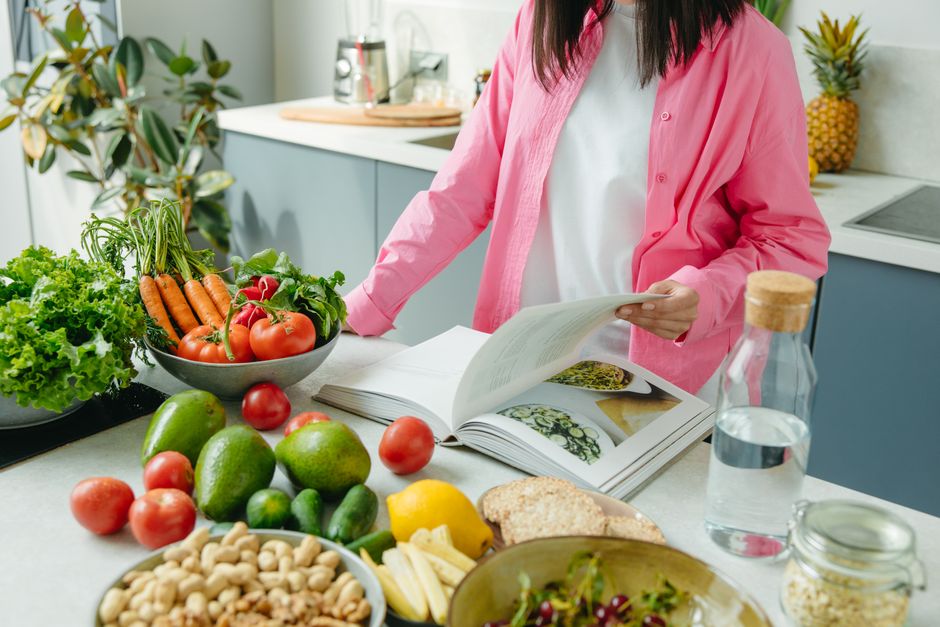
A well-structured meal plan is your roadmap to sustainable weight loss and better health in 2026. The best diet 2026 meal plan combines balanced nutrition with practical recipes that fit busy American lifestyles. This guide walks you through a week of delicious, nutrient-dense meals designed to keep you satisfied while supporting your wellness goals.
Following a structured meal plan eliminates daily decision fatigue and helps you stay consistent. You’ll know exactly what to eat, when to shop, and how to prep efficiently. Research shows people who plan their meals are more likely to stick with healthy eating patterns long-term.
Nutrition is the foundation of any successful weight loss journey. This plan prioritizes whole foods, lean proteins, and fiber-rich vegetables while maintaining reasonable calorie targets. You’ll learn ingredient swaps, prep shortcuts, and how to adapt recipes to your preferences without derailing progress.
Editor’s pick: meal prep containers glass — compare options and current availability.
Weekly Meal Plan Overview
This 7-day meal plan delivers approximately 1,500-1,800 calories daily, adjustable based on your activity level and goals. Each day includes three main meals plus one or two snacks to maintain steady energy. The macronutrient ratio targets roughly 40% carbohydrates, 30% protein, and 30% healthy fats.
**Monday through Sunday breakdown:**
- Breakfast: 350-450 calories, 20-25g protein
- Lunch: 400-500 calories, 25-30g protein
- Dinner: 500-600 calories, 30-40g protein
- Snacks: 150-250 calories total
Common swaps make this plan flexible for different dietary needs. Swap Greek yogurt for dairy-free coconut yogurt, replace chicken with tofu or tempeh, or use cauliflower rice instead of brown rice. The framework stays consistent while ingredients adapt to what you have on hand or prefer.
Prep time varies from 15 minutes for breakfast to 45 minutes for dinner recipes. Most meals serve one person, but recipes scale easily for families. Ingredient lists focus on affordable staples available at any US grocery store.
Monday: Healthy and Delicious Breakfast Recipes
Start your week with **overnight oats with fresh berries and nuts**. Combine ½ cup rolled oats, ¾ cup unsweetened almond milk, 1 tablespoon chia seeds, and ½ teaspoon vanilla extract in a mason jar. Refrigerate overnight and top with ½ cup mixed berries and 1 tablespoon chopped walnuts in the morning. This no-cook breakfast delivers 320 calories, 10g protein, and 8g fiber.
For a savory option, try a **spinach and mushroom egg white frittata**. Whisk 4 egg whites with 2 tablespoons milk, salt, and pepper. Sauté 1 cup sliced mushrooms and 2 cups fresh spinach in a nonstick skillet, pour in the egg mixture, and cook until set. Slide under the broiler for 2-3 minutes to finish. This protein-packed meal has just 180 calories and pairs perfectly with whole grain toast.
**Whole grain toast with avocado and tomato salsa** offers healthy fats and fiber. Toast 2 slices of whole wheat bread, mash ½ ripe avocado on top, and add diced tomatoes mixed with cilantro, lime juice, and a pinch of salt. At 290 calories, this breakfast keeps you full until lunch.
Common mistake: Using too much avocado. Stick to ½ avocado per serving to control calories while still getting heart-healthy monounsaturated fats. Meal prep tip: Make overnight oats in bulk for three mornings at once.
Tuesday: Nutritious Lunch Ideas
**Grilled chicken salad with quinoa and roasted vegetables** is a complete meal in a bowl. Grill a 4-ounce chicken breast seasoned with paprika and garlic powder. Toss 2 cups mixed greens with ½ cup cooked quinoa, 1 cup roasted bell peppers and zucchini, and 2 tablespoons balsamic vinaigrette. This lunch provides 420 calories and 35g protein to power through your afternoon.
Vegetarians will love a **wrap with hummus, lettuce, and tomato**. Spread 3 tablespoons hummus on a large whole wheat tortilla, layer with romaine lettuce, sliced tomatoes, shredded carrots, and cucumber. Add a sprinkle of feta cheese if desired. Roll tightly and slice in half for an easy 350-calorie lunch that travels well.
**Tuna salad served in whole wheat pita bread** is budget-friendly and quick. Mix one 5-ounce can of water-packed tuna with 1 tablespoon Greek yogurt, diced celery, red onion, and a squeeze of lemon juice. Stuff into a whole wheat pita pocket with lettuce and tomato. This protein-rich option has 380 calories and comes together in under 10 minutes.
Swap ideas: Replace chicken with chickpeas for plant-based protein, use tahini instead of hummus for different flavor, or swap pita for lettuce wraps to reduce carbs. Prep roasted vegetables on Sunday to speed up weekday assembly.
Wednesday: Quick and Easy Dinner Recipes
**Baked salmon with asparagus and brown rice** is elegant yet simple. Season a 5-ounce salmon fillet with lemon, dill, salt, and pepper. Place on a baking sheet with 8 asparagus spears drizzled with olive oil. Bake at 400°F for 15-18 minutes. Serve alongside ¾ cup cooked brown rice. This dinner delivers 520 calories, 38g protein, and omega-3 fatty acids that support heart health.
For a budget-friendly option, **turkey and vegetable stir-fry with whole wheat noodles** uses lean ground turkey. Brown 4 ounces of 93% lean ground turkey in a large skillet or wok. Add 2 cups mixed stir-fry vegetables, 2 tablespoons low-sodium soy sauce, 1 teaspoon fresh ginger, and 1 clove minced garlic. Toss with 1 cup cooked whole wheat noodles. Ready in 20 minutes with 480 calories per serving.
**Slow cooker chili con carne with lean beef and beans** is perfect for meal prep. Combine 1 pound lean ground beef, 1 can kidney beans, 1 can diced tomatoes, 1 diced onion, and chili seasoning in your slow cooker. Cook on low for 6-8 hours. One generous bowl has 420 calories and makes exc nt leftovers for two additional meals.
Common mistakes: Overcooking salmon makes it dry—cook just until it flakes easily. Not draining ground meat adds unnecessary fat calories. Use a meat thermometer to ensure turkey reaches 165°F for food safety.
Thursday: Healthy Snack Options
**Apple slices with almond butter** combine fiber and healthy fats for lasting satisfaction. Slice one medium apple and pair with 1 tablespoon natural almond butter. This 180-calorie snack takes seconds to prepare and balances sweet cravings with protein. Choose almond butter with only almonds and salt on the ingredient list.
**Carrot and cucumber sticks with low-fat yogurt dip** offer crunch without empty calories. Cut 1 cup each of carrot and cucumber sticks. Mix ½ cup plain Greek yogurt with dried dill, garlic powder, and a squeeze of lemon for a protein-rich dip. This refreshing snack has just 120 calories and keeps you hydrated.
**Homemade trail mix with nuts, seeds, and dried fruit** is portable and customizable. Combine 2 tablespoons raw almonds, 1 tablespoon pumpkin seeds, 1 tablespoon dried cranberries, and a few dark chocolate chips. Portion into small bags for grab-and-go convenience. Each serving provides 200 calories with a mix of protein, fiber, and antioxidants.
Timing matters: Eat snacks 2-3 hours after meals when hunger naturally returns. Avoid snacking out of boredom by asking if you’re truly hungry. Pre-portioning prevents overeating directly from large containers.
Friday: Weekend Meal Prep Tips
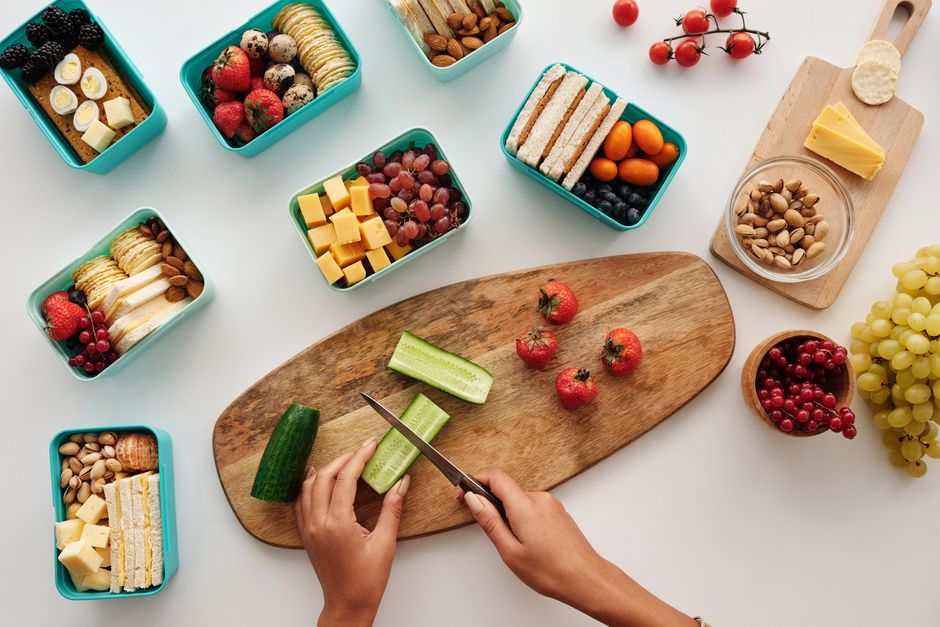
**Preparing meals in advance** sets you up for success during busy weekdays. Dedicate 2-3 hours on Sunday to batch-cook proteins, chop vegetables, and portion snacks. Cook a large batch of quinoa, brown rice, or whole wheat pasta to use throughout the week. Grill or bake multiple chicken breasts, hard-boil a dozen eggs, and wash all produce.
Use glass meal prep containers to store prepared meals safely. Label each container with contents and date—most prepared meals last 3-4 days refrigerated. **Freezing and storing techniques** extend your prep work. Soups, chilis, and casseroles freeze beautifully for up to 3 months. Freeze individual portions in freezer-safe containers, leaving ½-inch space for expansion.
**Repurposing leftovers** prevents food waste and saves money. Tuesday’s grilled chicken transforms into Friday’s chicken quesadillas or soup. Roasted vegetables become omelet fillings or grain bowl toppings. Leftover brown rice makes quick fried rice with scrambled eggs and frozen peas. Think modular—prepare versatile components you can mix and match.
| Meal Prep Component | Storage Method | Shelf Life |
|---|---|---|
| Cooked grains | Refrigerate in airtight container | 4-5 days |
| Grilled proteins | Refrigerate or freeze portions | 3-4 days / 3 months |
| Chopped vegetables | Refrigerate in produce bags | 3-4 days |
| Soups and stews | Freeze in individual portions | 3 months |
Invest in quality storage containers, sharp knives, and sheet pans to make prep more efficient. Clean your kitchen as you go to avoid post-prep overwhelm.
Frequently Asked Questions
Q: What is the best diet for 2026?
A: The best diet for 2026 emphasizes whole foods, balanced macronutrients, and sustainable habits rather than extreme restrictions. Popular approaches include Mediterranean-style eating with plenty of vegetables, lean proteins, and healthy fats, as well as flexible meal plans that accommodate real-life schedules. According to nutrition experts, the most effective diet is one you can maintain long-term without feeling deprived. Focus on adding nutritious foods rather than only eliminating items, and adjust portions based on your activity level and goals.
Q: How can I meal prep on a budget?
A: Meal prepping on a budget starts with planning around sales and seasonal produce. Buy proteins like chicken thighs, eggs, and canned tuna in bulk when discounted. Choose frozen vegetables, which are just as nutritious as fresh and often cheaper. Cook with versatile staples like beans, rice, oats, and pasta that cost under $2 per pound. Prepare larger batches to maximize your cooking time and reduce the per-serving cost. Store-brand items typically match name-brand quality at 20-30% lower prices. Avoid pre-cut produce and pay for convenience only when it genuinely saves you time.
Q: What are some healthy snack alternatives?
A: Healthy snack alternatives include fresh fruit with nut butter, Greek yogurt with berries, raw vegetables with hummus, air-popped popcorn, string cheese with whole grain crackers, and hard-boiled eggs. Choose snacks that combine protein with fiber to keep you satisfied between meals. Portion nuts and trail mix into small bags to prevent overeating. Keep cut vegetables front and center in your refrigerator so they’re the easiest option when hunger strikes. Swap chips for roasted chickpeas, candy for dates stuffed with almond butter, and cookies for homemade energy balls made with oats and nut butter.
Top Product Recommendations
| Product Name | Rating | Key Feature | Est. Price | Action |
|---|---|---|---|---|
| Top-rated meal prep containers glass | ★★★★★ | Editor-recommended meal prep containers glass from this guide | $18–$42 | Check Lowest Price on Amazon |
| Best-value digital food scale kitchen | ★★★★☆ | Affordable digital food scale kitchen — strong everyday results | $12–$28 | Check Lowest Price on Amazon |
| Premium slow cooker programmable | ★★★★☆ | Higher-end slow cooker programmable for visible, lasting results | $45–$95 | Check Lowest Price on Amazon |
Affiliate Disclosure: This post contains affiliate links. We may earn a commission if you buy through our links, at no extra cost to you. Medical Disclaimer: This content is for informational purposes only and is not medical advice. Consult a healthcare professional before changing diet or exercise.
Leave a Reply