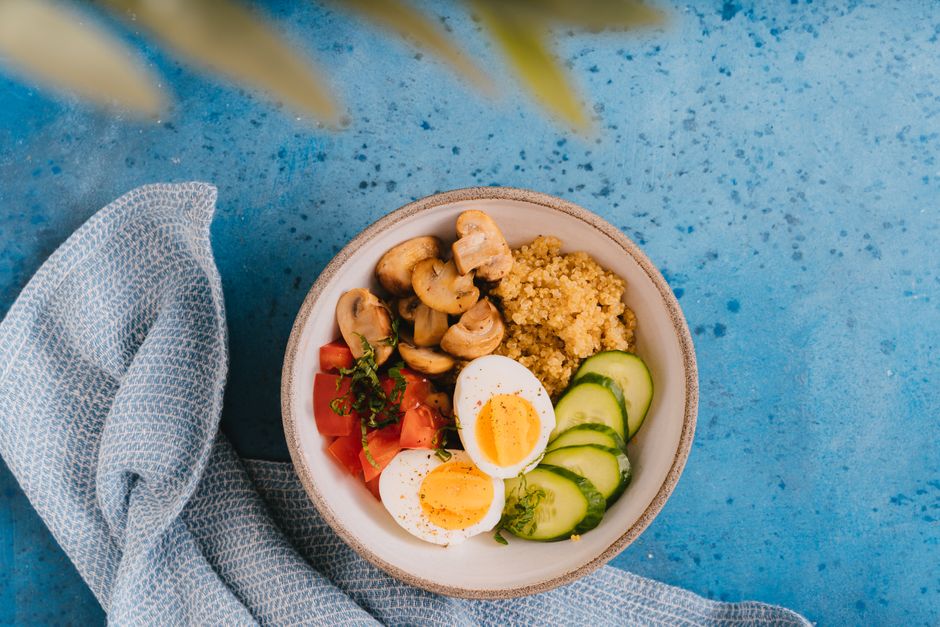
Understanding Intermittent Fasting

Intermittent fasting (IF) is an eating pattern that cycles between periods of eating and fasting. Rather than focusing on what you eat, IF emphasizes when you eat. This approach has gained massive popularity among Americans looking for sustainable weight loss without complicated calorie counting or restrictive diets.
The benefits of intermittent fasting for weight loss are significant. Research shows that IF can help reduce body fat while preserving muscle mass, improve metabolic health, and simplify meal planning. Many people report feeling more energized and mentally sharp during fasting periods once their bodies adapt to this eating pattern.
The most popular intermittent fasting schedules include the **16/8 method** (fasting for 16 hours and eating within an 8-hour window), the **5:2 diet** (eating normally five days per week and restricting calories to 500-600 on two non-consecutive days), and **alternate-day fasting**. For beginners, the 16/8 method is the easiest to follow, often simply skipping breakfast and eating between noon and 8 PM.
Editor’s pick: meal prep containers — compare options and current availability.
Choosing the Right Foods for Intermittent Fasting
During fasting windows, stick to zero-calorie beverages like black coffee, plain tea, and water. These drinks won’t break your fast and can help suppress appetite. Avoid any drinks with calories, artificial sweeteners, or additives that might trigger an insulin response.
When your eating window opens, focus on **nutrient-dense whole foods** that keep you satisfied. Prioritize lean proteins like chicken breast, fish, and eggs; healthy fats from avocados, nuts, and olive oil; and complex carbohydrates from vegetables, fruits, and whole grains. These foods provide sustained energy and prevent blood sugar crashes.
Meal planning saves time and ensures you break your fast with nutritious options. Prep proteins in bulk on Sundays, chop vegetables ahead of time, and portion out snacks like almonds or Greek yogurt. Having ready-to-eat meals prevents the temptation to grab processed foods when your eating window begins.
Creating a Weekly Meal Plan
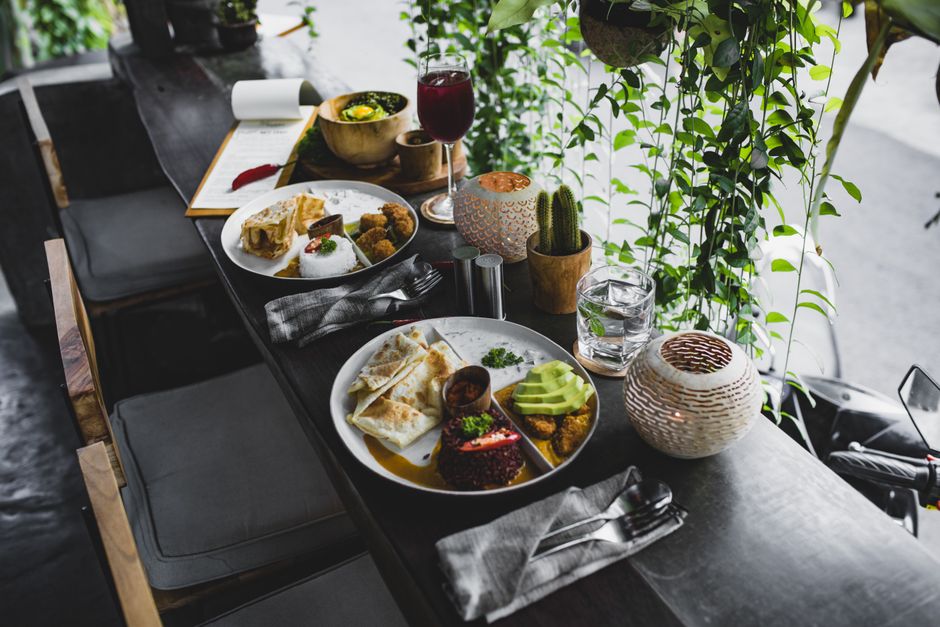
Here’s a sample 7-day intermittent fasting meal plan using the 16/8 method with eating hours from 12 PM to 8 PM:
**Monday**: Noon – Grilled chicken salad with mixed greens, cherry tomatoes, and balsamic vinaigrette; Snack – Apple with almond butter; Dinner – Baked salmon with roasted broccoli and quinoa.
**Tuesday**: Noon – Turkey and avocado wrap with whole wheat tortilla; Snack – Greek yogurt with berries; Dinner – Lean beef stir-fry with bell peppers and brown rice.
**Wednesday**: Noon – Tuna salad over mixed greens with olive oil; Snack – Handful of walnuts; Dinner – Grilled chicken breast with sweet potato and green beans.
**Thursday**: Noon – Veggie omelet with spinach, mushrooms, and feta cheese; Snack – Carrot sticks with hummus; Dinner – Shrimp tacos with cabbage slaw and whole grain tortillas.
**Friday**: Noon – Chicken and vegetable soup with whole grain crackers; Snack – Cottage cheese with cucumber slices; Dinner – Baked cod with asparagus and wild rice.
**Saturday**: Noon – Greek salad with grilled chicken and chickpeas; Snack – Protein smoothie with spinach and banana; Dinner – Turkey meatballs with zucchini noodles and marinara sauce.
**Sunday**: Noon – Breakfast bowl with scrambled eggs, black beans, salsa, and avocado; Snack – Mixed nuts and dried fruit; Dinner – Pork tenderloin with roasted Brussels sprouts and quinoa.
Adjust this plan based on your dietary preferences and restrictions. Vegetarians can swap animal proteins for tofu, tempeh, or legumes. Those avoiding gluten can replace whole wheat products with rice, quinoa, or gluten-free alternatives. The key is maintaining balanced macronutrients and staying within your calorie goals.
Preparing Meals on a Budget
Intermittent fasting can actually save money since you’re eating fewer meals per day. Buy proteins in bulk when on sale and freeze portions for later use. Chicken thighs cost less than breasts and offer more flavor. Canned tuna, eggs, and dried beans are affordable protein sources that store well.
Budget-friendly meal ideas include **egg-based dishes** (omelets, frittatas, hard-boiled eggs), **bean-based meals** (chili, black bean burgers, lentil soup), and **one-pot dinners** (chicken and rice casseroles, vegetable stir-fries). These meals cost under $5 per serving and provide exc nt nutrition.
Shop seasonal produce at farmers markets or discount grocers for the best prices. Frozen vegetables are just as nutritious as fresh and often cheaper. Buy store brands instead of name brands for staples like rice, oats, and canned goods. Meal prepping also reduces food waste by using ingredients efficiently across multiple meals.
Making Healthy Food Swaps
Identify and replace unhealthy ingredients to maximize your intermittent fasting results. Swap white rice for **cauliflower rice** or quinoa to reduce calories and increase fiber. Replace sour cream with Greek yogurt for the same creamy texture with added protein.
Healthy substitutions for common meal ingredients include using zucchini noodles instead of pasta, mashed cauliflower instead of mashed potatoes, and lettuce wraps instead of tortillas. These swaps cut carbohydrates while adding vegetables to your diet. For sweetness, use mashed banana or unsweetened applesauce instead of sugar in recipes.
Creating balanced and nutritious meals means including protein, healthy fats, and fiber at each meal. A balanced plate contains **palm-sized portion of protein**, **fist-sized portion of vegetables**, **cupped-hand portion of carbs**, and **thumb-sized portion of healthy fats**. This visual guide ensures proper macronutrient distribution without obsessive measuring.
Serving Ideas and Meal Presentation
Making your meals visually appealing increases satisfaction and enjoyment. Use colorful vegetables to create contrast on your plate. Arrange foods in separate sections rather than mixing everything together. Garnish with fresh herbs like cilantro, parsley, or basil for a restaurant-quality finish.
Easy meal presentation tips include serving salads in wide, shallow bowls; plating proteins off-center with vegetables arranged alongside; and adding a wedge of lemon or lime for color and flavor. Use white plates to make food colors pop. Drizzle sauces in artistic patterns rather than dumping them on top.
Serving suggestions for intermittent fasting meals focus on **portion control and satisfaction**. Start with a glass of water and a small salad to take the edge off hunger. Eat your protein first to ensure adequate intake, then move to vegetables and carbohydrates. Eating slowly and mindfully helps you recognize fullness signals before overeating.
Staying Hydrated During Fasting
Hydration during fasting periods is crucial for energy, mental clarity, and appetite control. Most Americans are chronically dehydrated, and fasting can worsen this if you’re not intentional. Aim for at least **64 ounces of water daily**, more if you exercise or live in hot climates.
Best beverages to consume during fasting windows include plain water, black coffee, green tea, herbal tea, and sparkling water. Black coffee and green tea offer the added benefit of appetite suppression and slight metabolic boost. Add a pinch of sea salt to water if you experience headaches or fatigue during fasting.
Staying hydrated without breaking your fast means avoiding anything with calories or artificial sweeteners. Even zero-calorie sweeteners can trigger insulin responses in some people. If plain water feels boring, infuse it with cucumber slices, lemon wedges, or fresh mint leaves for subtle flavor without breaking your fast. Bone broth is technically allowed during fasting but contains calories, so save it for your eating window or use it strategically on particularly difficult fasting days.
Frequently Asked Questions
What can I drink during my fasting windows?
A: During fasting periods, stick to zero-calorie beverages like black coffee, plain tea (green, black, or herbal), and water. These drinks won’t break your fast and can help suppress appetite. Avoid any beverages with calories, milk, cream, sugar, or artificial sweeteners. Sparkling water and mineral water are also acceptable choices that add variety without compromising your fast.
How can I make my fasting periods more comfortable?
A: Start with a shorter fasting window (12 hours) and gradually extend it as your body adapts. Stay busy during fasting periods with work, hobbies, or light exercise to distract from hunger. Drink plenty of water and herbal tea throughout the day. When hunger hits, wait 15-20 minutes—it often passes. Most people find fasting easier after the first week once their bodies adjust to burning fat for fuel instead of relying on constant food intake.
Can I exercise while doing intermittent fasting?
A: Yes, you can exercise during both fasting and eating windows, though timing matters for optimal performance. Light to moderate cardio works well during fasting periods and may enhance fat burning. Schedule intense strength training or high-intensity workouts during your eating window or shortly before it opens, so you can refuel properly afterward. Listen to your body and adjust workout intensity if you feel weak or dizzy. Many athletes successfully combine intermittent fasting with rigorous training once adapted.
Top Product Recommendations
| Product Name | Rating | Key Feature | Est. Price | Action |
|---|---|---|---|---|
| Top-rated meal prep containers | ★★★★★ | Editor-recommended meal prep containers from this guide | $18–$42 | Check Lowest Price on Amazon |
| Best-value food scale for portion control | ★★★★☆ | Affordable food scale for portion control — strong everyday results | $12–$28 | Check Lowest Price on Amazon |
| Premium water bottle with time markers | ★★★★☆ | Higher-end water bottle with time markers for visible, lasting results | $45–$95 | Check Lowest Price on Amazon |
Affiliate Disclosure: This post contains affiliate links. We may earn a commission if you buy through our links, at no extra cost to you. Medical Disclaimer: This content is for informational purposes only and is not medical advice. Consult a healthcare professional before changing diet or exercise.
Leave a Reply