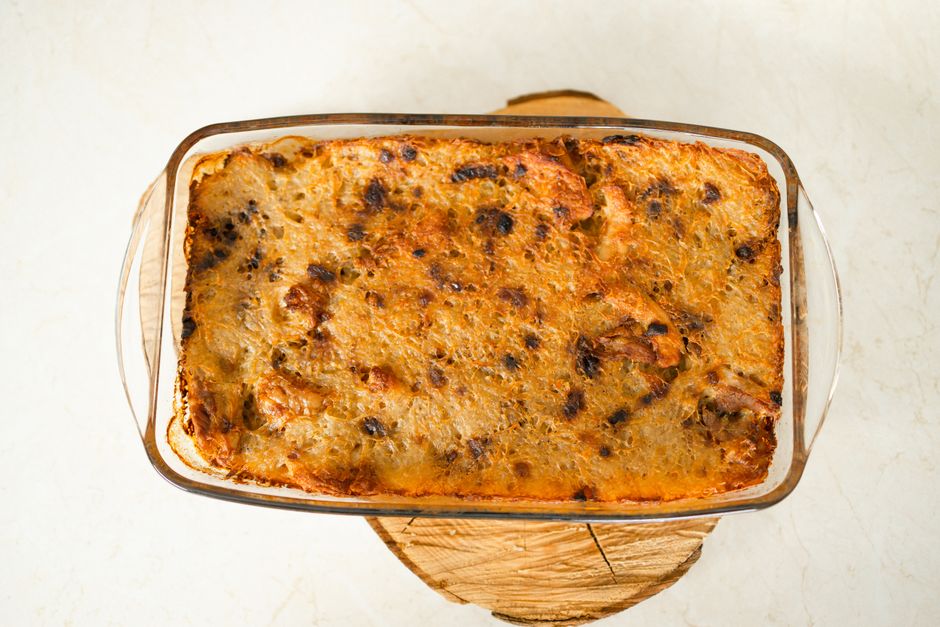
Easy Passover Appetizers
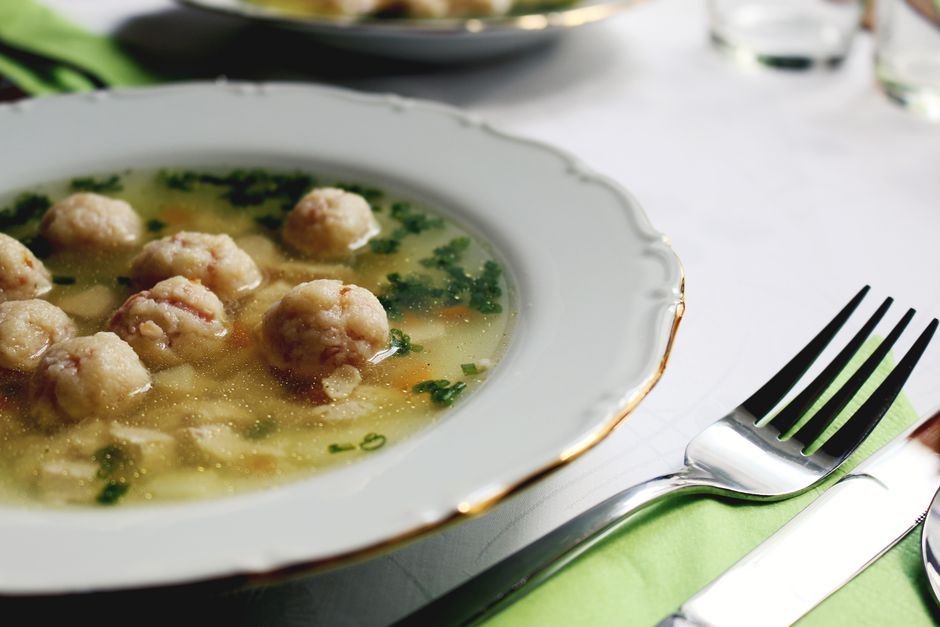
Kicking off your Seder with light, flavorful appetizers sets the tone for the entire meal. **Quick and healthy vegetable dips** are a crowd-pleaser that work perfectly with matzah or fresh vegetables. Try a roasted red pepper dip made with tahini, lemon juice, and a touch of cumin for a vibrant starter that takes just 15 minutes to prepare.
**Gluten-free matzah crackers** provide the perfect vehicle for spreads and dips during Passover. You can find certified kosher for Passover options at most grocery stores, or make your own using matzah meal, egg, and olive oil. Season them with sea salt, rosemary, or za’atar for extra flavor that guests will love.
**Low-fat hummus recipes** are both nutritious and budget-friendly for your Seder table. Classic chickpea hummus works beautifully, but consider variations like white bean hummus or roasted garlic hummus for variety. Serve with cucumber slices, bell pepper strips, and carrot sticks for a colorful, healthy start to your meal.
Prep time for most Passover appetizers ranges from 10-20 minutes. Make dips a day ahead and store them covered in the refrigerator to save time on the day of your Seder.
Editor’s pick: kosher for Passover matzah meal — compare options and current availability.
Main Dishes for a Nourishing Passover Meal
**Braised beef with root vegetables** is a traditional centerpiece that feeds 8-10 people and fills your home with incredible aromas. Use a chuck roast or brisket, sear it well, then braise it low and slow with carrots, parsnips, onions, and potatoes for 3-4 hours until fork-tender. The key is patience—rushing this dish results in tough meat.
**Baked salmon with lemon and dill** offers a lighter protein option that’s ready in just 25 minutes. Season salmon fillets with salt, pepper, fresh dill, and thin lemon slices, then bake at 400°F until the fish flakes easily. This dish works perfectly for guests who prefer seafood or are watching their fat intake.
**Quinoa and vegetable stir-fry** provides a complete protein option that’s naturally gluten-free and kosher for Passover. Combine cooked quinoa with sautéed zucchini, bell peppers, mushrooms, and spinach, seasoning with garlic, olive oil, and fresh herbs. This dish serves 6-8 as a side or 4 as a vegetarian main course.
Common mistakes include overcooking salmon (it continues cooking after you remove it from the oven) and under-seasoning braised meats (season generously at every stage). Always taste and adjust before serving.
Traditional Passover Side Dishes
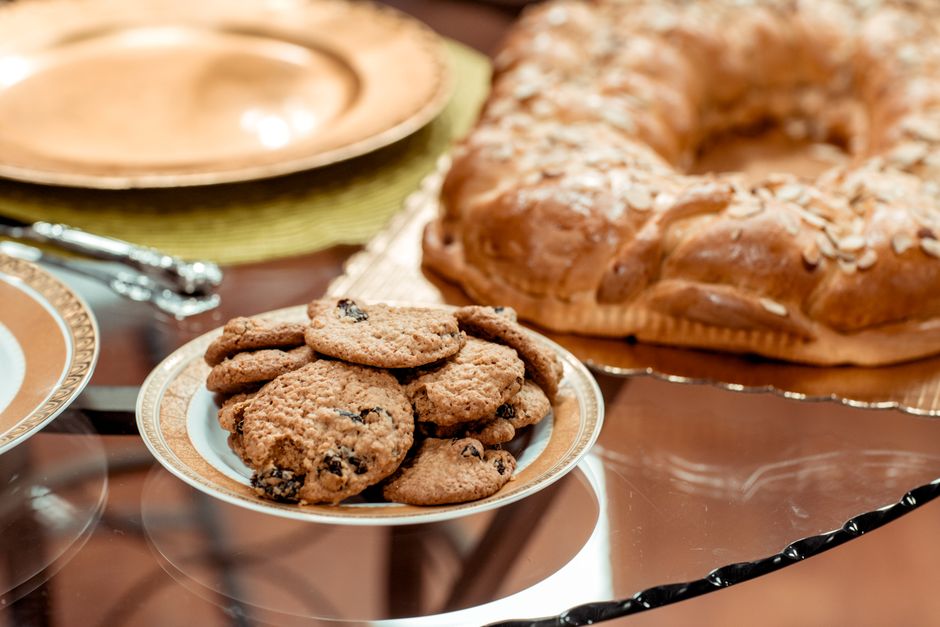
**Roasted asparagus with garlic and herbs** brings fresh spring flavors to your Passover table. Trim the woody ends, toss spears with olive oil, minced garlic, salt, and pepper, then roast at 425°F for 12-15 minutes. Fresh thyme or parsley added after roasting brightens the dish beautifully.
**Carrot and sweet potato mash** offers natural sweetness without added sugar. Boil peeled and cubed carrots and sweet potatoes until tender, then mash with a bit of olive oil or margarine, salt, and a pinch of cinnamon. This side serves 8-10 and can be made up to two days ahead and reheated.
**Green beans almondine** is an elegant side that takes just 20 minutes from start to finish. Blanch fresh green beans in boiling salted water for 3-4 minutes, shock them in ice water to preserve their bright color, then sauté with sliced almonds and a touch of lemon juice. The key is not overcooking the beans—they should remain crisp-tender.
Swaps for dietary needs: use dairy-free margarine instead of butter, replace almonds with pine nuts for a different flavor profile, or substitute broccolini for green beans if asparagus isn’t available.
Delicious and Healthy Passover Desserts
**Fruit salad with honey and mint** is the easiest dessert you’ll make this Passover. Combine fresh strawberries, blueberries, kiwi, pineapple, and mango with a simple dressing of honey, fresh lime juice, and chopped mint. Prep time is 15 minutes, and it serves 8-10 people beautifully.
**Gluten-free apple cake** satisfies sweet cravings while staying kosher for Passover. Made with matzah cake meal, eggs, applesauce, cinnamon, and diced apples, this cake is naturally moist and flavorful. Bake at 350°F for 45-50 minutes until a toothpick comes out clean, and serve warm or at room temperature.
**Almond and coconut macaroons** are a Passover classic that’s naturally gluten-free. Whip egg whites to stiff peaks, fold in shredded coconut, almond flour, honey, and vanilla extract, then pipe or scoop onto parchment-lined baking sheets. Bake at 325°F for 18-20 minutes until golden brown at the edges.
Common mistake: opening the oven door too early when baking macaroons causes them to collapse. Wait until at least 15 minutes have passed before checking on them.
Passover Cooking Tips and Tricks
Making **perfect matzah balls** requires the right ratio of matzah meal to liquid and proper chilling time. Mix matzah meal with eggs, schmaltz (or oil), salt, and a touch of seltzer for lightness. Refrigerate the mixture for at least 30 minutes before rolling into balls—this prevents them from falling apart during cooking.
**Cooking with kosher for Passover ingredients** means checking labels carefully. Many products contain corn syrup or other grains that aren’t permissible during Passover. Stock your pantry with certified kosher for Passover items like potato starch, matzah meal, and approved oils before the holiday begins.
**Time-saving techniques** include preparing dishes that can be made ahead and frozen. Brisket, matzah balls, and many desserts freeze beautifully for up to one month. Thaw them in the refrigerator 24-48 hours before your Seder and reheat gently.
Create a prep schedule three days before Passover: day one for shopping, day two for dishes that can be made ahead, and day three for final preparations and fresh items. This approach reduces stress and ensures everything is ready on time.
Budget-Friendly Passover Recipes
**Affordable ingredients** don’t mean sacrificing flavor or tradition. Chicken thighs cost less than breasts and stay moist when roasted with vegetables. Root vegetables like potatoes, carrots, and onions are inexpensive year-round and form the backbone of many Passover dishes.
**Money-saving tips** include buying in bulk when possible and using whole ingredients rather than pre-cut options. A whole chicken costs significantly less per pound than individual parts, and you can use the bones to make homemade chicken soup. Shop seasonal produce—asparagus and spring vegetables are at their peak during Passover and typically more affordable.
**Planning your Passover menu** strategically helps maximize savings. Build your menu around one or two main proteins and complement them with vegetable-forward sides. Use eggs creatively—they’re protein-rich, kosher for Passover, and budget-friendly.
| Budget Strategy | Estimated Savings | Implementation Tip |
|---|---|---|
| Buy whole proteins | 30-40% | Break down whole chickens yourself |
| Shop seasonal produce | 20-30% | Focus on spring vegetables in April |
| Make from scratch | 40-50% | Homemade dips and desserts vs. store-bought |
| Prep ahead and freeze | 15-25% | Reduce food waste by batch cooking |
Meal Planning and Serving Suggestions
A well-balanced **Passover menu** includes protein, vegetables, and traditional elements while accommodating dietary restrictions. Plan for 8-10 servings if you’re hosting a typical Seder, and adjust quantities based on your guest list. Most adults will eat 4-6 ounces of protein, so a 5-pound brisket serves 10-12 people comfortably.
**Timing your meal preparation** ensures hot food arrives at the table together. Work backward from your Seder start time: if you begin at 6 PM, start your brisket at 2 PM, roast vegetables at 5 PM, and prepare quick-cooking items like green beans during the Seder itself. Keep a written timeline in your kitchen for reference.
**Accommodating dietary needs** is easier than you might think. Most Passover recipes are naturally dairy-free if you use oil instead of butter, and many are already gluten-free. Label dishes clearly for guests with allergies, and offer at least one vegetarian protein option like the quinoa stir-fry.
Serving temperatures matter: braised meats taste best warm (not piping hot), roasted vegetables should be served immediately, and room-temperature salads and desserts are perfectly acceptable. Use warming trays or a low oven (200°F) to keep dishes at ideal serving temperature.
Frequently Asked Questions
Q: What are some gluten-free options for Passover recipes?
A: Passover naturally lends itself to gluten-free cooking since wheat bread is prohibited. **Matzah alternatives** include egg matzah (if you eat gebrochts), almond flour crackers, or simply using vegetables as dippers. Potato starch and matzah cake meal replace regular flour in most recipes. For desserts, flourless chocolate cake, coconut macaroons, and fruit-based options are all naturally gluten-free and kosher for Passover.
Q: How can I make my Passover meals more nutritious?
A: **Incorporate more vegetables** into every course—start with a vegetable-forward appetizer spread, include at least three vegetable side dishes, and add vegetables to your main protein dishes. Choose **healthy fats** like olive oil, avocado, and nuts rather than margarine when possible. Opt for lean proteins like chicken breast, turkey, or fish alongside fattier options like brisket. Include quinoa as a complete protein source that adds variety to traditional menus.
Q: What are some easy and quick recipes for Passover?
A: **Simple appetizers** like vegetable platters with hummus, deviled eggs, and pre-washed salad greens require minimal prep. **Quick main courses** include baked salmon (25 minutes), roasted chicken thighs with vegetables (40 minutes), or even a well-seasoned matzah brei for a lighter meal. **Fast desserts** include fruit salad, store-bought macaroons arranged on a nice platter, or chocolate-covered strawberries that look impressive but take just 15 minutes to prepare. Focus on quality ingredients and simple preparations rather than complicated techniques.
Top Product Recommendations
| Product Name | Rating | Key Feature | Est. Price | Action |
|---|---|---|---|---|
| Top-rated kosher for Passover matzah meal | ★★★★★ | Editor-recommended kosher for Passover matzah meal from this guide | $18–$42 | Check Lowest Price on Amazon |
| Best-value Passover baking supplies | ★★★★☆ | Affordable Passover baking supplies — strong everyday results | $12–$28 | Check Lowest Price on Amazon |
| Premium kosher cooking utensils | ★★★★☆ | Higher-end kosher cooking utensils for visible, lasting results | $45–$95 | Check Lowest Price on Amazon |
Affiliate Disclosure: This post contains affiliate links. We may earn a commission if you buy through our links, at no extra cost to you.
Leave a Reply