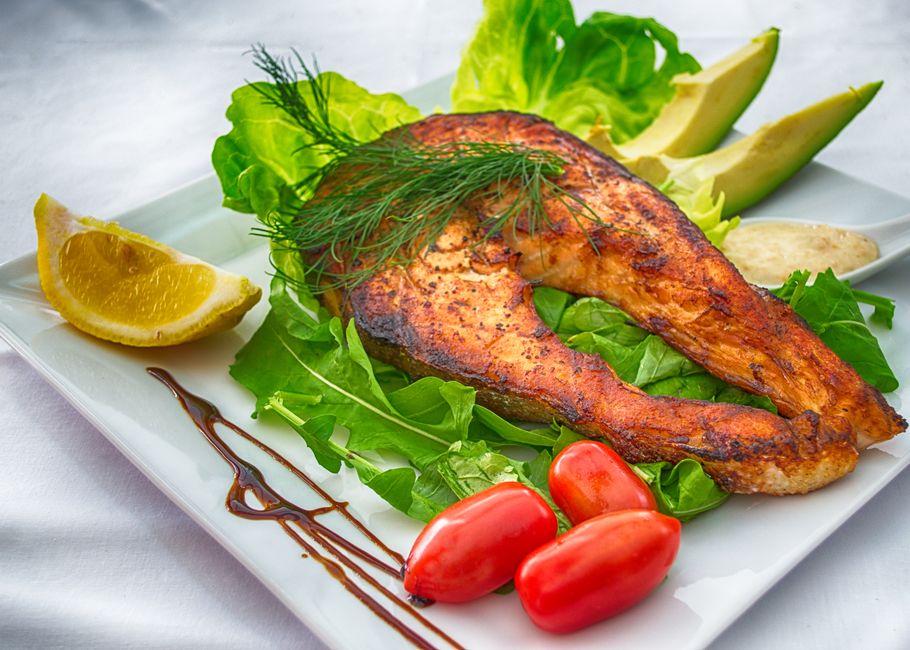
Starting a **keto meal plan for beginners 7 day printable** style doesn’t have to mean hours of research or a nutrition degree. This guide walks you through every day of your first week — with real meals, a grocery list, macro basics, and tips to avoid the most common rookie mistakes.
What Is the Ketogenic Diet and Why It Works for Weight Loss

The ketogenic diet is a **low-carb, high-fat eating approach** that pushes your body into a metabolic state called ketosis. In ketosis, your liver converts fat into ketone bodies, which your brain and muscles use for fuel instead of glucose. This shift is the core reason so many people report consistent fat loss on keto.
There are three versions beginners commonly encounter:
- **Standard keto** — strict 70% fat / 25% protein / 5% carbs, tracked daily
- **Lazy keto** — only tracks net carbs (under 20–25g per day), ignores fat and protein ratios
- **Dirty keto** — hits the macro numbers but doesn’t prioritize food quality
For week one, most beginners see a drop of 3–7 pounds — the majority of which is **water weight** as glycogen stores deplete. Real fat loss kicks in during weeks two and three, which is why sticking with it past day seven matters so much.
Editor’s pick: keto meal prep containers glass — see current prices and reviews.
How to Know If Keto Is the Right Diet for You
Keto tends to work best for people who struggle with carb cravings, stalled weight loss, or blood sugar that runs high. Many beginners also turn to keto for **steady energy** — cutting blood sugar spikes eliminates the classic mid-afternoon crash. Common reasons Americans try keto include:
- Weight loss that stalled on calorie-counting plans
- Managing type 2 diabetes or pre-diabetes (with doctor supervision)
- Reducing inflammation or improving mental clarity
- Simplifying meals by cutting entire food categories
Certain people should consult a doctor before starting — especially those with kidney disease, pancreatitis, gallbladder issues, or anyone taking insulin. If you currently eat 200–300g of carbs per day, a one-week low-carb ramp (under 100g daily) before going full keto can reduce the adjustment shock.
Understanding Keto Macros Without a Math Degree
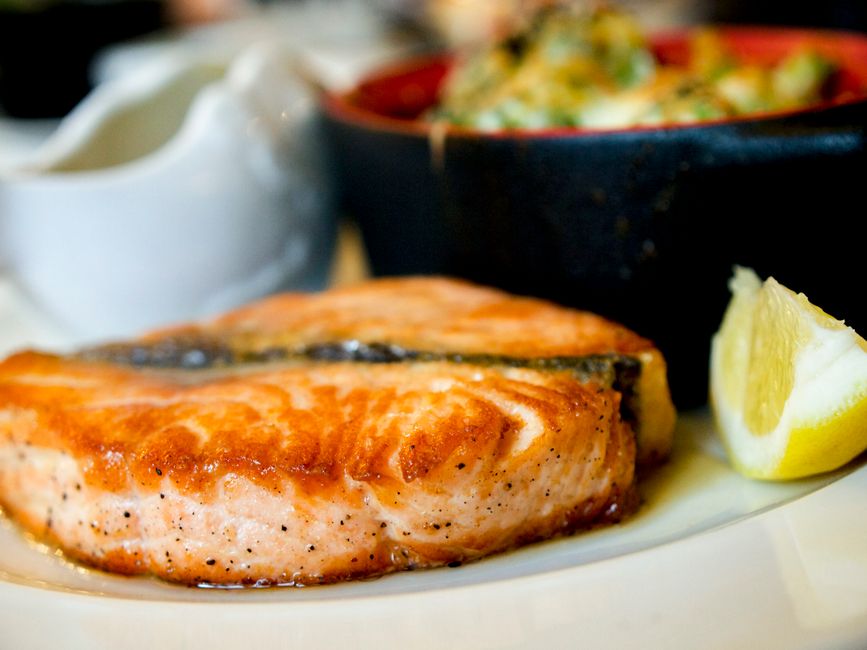
The standard keto split is **70% fat, 25% protein, 5% carbohydrates**. On a 2,000-calorie diet, that’s roughly 155g fat, 125g protein, and 25g net carbs daily. Free apps like Cronometer or Carb Manager calculate your personal targets automatically once you enter your weight and goal.
The most important distinction for beginners is **net carbs vs. total carbs** — net carbs equal total carbohydrates minus fiber. Most keto plans target 20–25g net carbs, not total carbs, which is why leafy greens are keto-friendly even though they contain some carbohydrates. Aim for at least **0.7–1g of protein per pound of lean body mass** daily to avoid muscle loss and hunger that derails the plan by day four.
- Use a free macro calculator to set personal targets
- Log meals for the first two weeks to build portion awareness
- Don’t fear fat — it’s your primary energy source on this plan
The Keto-Friendly Grocery List Every Beginner Needs
A solid first-week grocery run covers proteins, fat sources, low-carb vegetables, and pantry staples. Here’s a practical starting list:
**Proteins:**
- Eggs (2 dozen)
- Ground beef 80/20 (2 lbs)
- Chicken thighs, bone-in skin-on (3 lbs)
- Canned tuna or sardines (4–6 cans)
- Bacon (1 lb)
**Fat sources:**
- Butter or ghee
- Extra virgin olive oil
- Avocados (4–6)
- Full-fat shredded cheese and cream cheese
- Heavy whipping cream
**Low-carb vegetables:**
- Spinach, romaine, and arugula
- Broccoli, cauliflower, and zucchini
- Bell peppers (in moderation)
- Mushrooms and cucumber
Before day one, clear out the obvious carb traps: bread, pasta, rice, cereal, juice, sweetened yogurt, and crackers. You don’t need to throw everything out — donate it or move it out of sight so it’s not a temptation during your first week. Browsing a solid weekly meal plan resource before your grocery run can help you avoid impulse buys that don’t fit the plan.
Your Complete 7-Day Keto Meal Plan (Printable)
This day-by-day plan keeps net carbs under **25g daily** and uses ingredients from the grocery list above. Each day includes breakfast, lunch, dinner, and one optional snack.
| Day | Breakfast | Lunch | Dinner | Snack |
|---|---|---|---|---|
| Mon | Scrambled eggs + bacon | Tuna salad lettuce wraps | Ground beef taco bowl (no shell) | String cheese |
| Tue | Bulletproof coffee + boiled eggs | Chicken thigh + side salad | Zucchini noodles + meat sauce | Handful of almonds |
| Wed | Egg muffins with cheese + spinach | Leftover meat sauce over cauliflower rice | Baked chicken thighs + roasted broccoli | Avocado with salt |
| Thu | Bacon + avocado slices | Canned tuna + olive oil + cucumber | Ground beef stir-fry with mushrooms | Hard-boiled egg |
| Fri | Cream cheese pancakes (almond flour) | Chicken salad with mayo + romaine | Burger patties + sautéed spinach | Pork rinds |
| Sat | Veggie omelette with full-fat cheese | Leftover burger + side salad | Grilled chicken thighs + zucchini | Cheese slices |
| Sun | Scrambled eggs + sausage | Egg salad lettuce cups | Slow-cooker beef + cauliflower mash | Mixed nuts (1 oz) |
For allergy swaps: replace tuna with canned salmon, swap almonds for sunflower seeds, or use coconut oil instead of butter. After week one, this plan works as a **rotating weekly template** — simply swap proteins on different days to avoid flavor fatigue.
Budget Breakdown: Eating Keto for Under $75 a Week
Keto has a reputation for being expensive, but a strategic grocery run keeps costs under $75 for a single person. The key is prioritizing **cost-per-gram of protein** rather than trendy packaged keto products.
Best value proteins on a keto budget:
- **Eggs** — roughly $0.20–0.30 per egg, one of the cheapest complete proteins available
- **Ground beef 80/20** — around $4–5 per lb at most grocery stores; buy in 3-lb packs
- **Chicken thighs** — consistently cheaper than breasts and higher in fat, which is ideal for keto
- **Canned tuna** — $1–1.50 per can, shelf-stable, zero prep
Frozen broccoli, cauliflower, and spinach cost 30–50% less than fresh, last for weeks, and retain nearly identical nutritional profiles. Buying cheese in block form and shredding it yourself also saves $1–2 per pound versus pre-shredded bags. Meal prepping in batches on Sunday eliminates the urge to order takeout mid-week, which is where most keto budgets actually break down.
Keto Meal Prep in Under 2 Hours on Sunday
Batch cooking five components on Sunday sets you up for a stress-free week. The goal is **ready-to-grab building blocks**, not pre-plated meals.
The five Sunday prep components:
1. **Hard-boil 8–10 eggs** — ready for breakfast or snacks in 12 minutes
2. **Brown 2 lbs of ground beef** — use as taco filling, sauce base, or stir-fry protein
3. **Roast a sheet pan of broccoli and cauliflower** — reheats as a side in 90 seconds
4. **Bake or air-fry 4–6 chicken thighs** — slice for salads or eat whole
5. **Mix a large batch of tuna or egg salad** — lunches are done for three days
Cooked meat keeps for **4 days in the fridge** and up to 3 months frozen. Pre-shredded cheese and rotisserie chicken from the deli counter are the two biggest time-savers for beginners who don’t want to spend more than two hours on Sunday prep. Keep avocado slices separate — they brown quickly and are best prepped fresh.
Navigating the Keto Flu in Your First Week
The **keto flu** — headache, fatigue, brain fog, irritability, and muscle cramps — hits many beginners between days two and five. It’s not an actual flu; it’s your body adjusting to running on ketones while rapidly flushing electrolytes. When glycogen depletes, your kidneys excrete sodium, pulling potassium and magnesium along with it.
Replacing those electrolytes is the single most effective way to reduce symptoms:
- **Sodium:** Salt meals generously or sip a cup of broth once daily
- **Potassium:** Avocado (roughly 700mg per half), spinach, and salmon are strong sources
- **Magnesium:** Pumpkin seeds, almonds, and a magnesium glycinate supplement
Practical daily habits that help include drinking at least 80–100 oz of water per day, getting 7–8 hours of sleep, and avoiding intense workouts on days 2–4. Normal keto flu peaks around day three and resolves by day seven for most people. Symptoms like fever, vomiting, or chest pain are **not keto flu** — see a doctor.
Easy Keto Swaps for Your Favorite Comfort Foods
Feeling deprived is the number one reason beginners quit keto in week one. The good news is that most American comfort foods have a workable low-carb version. The most useful substitutions:
- **Cauliflower rice** replaces white rice in stir-fry, burrito bowls, and fried rice — buy it pre-riced frozen to save time
- **Lettuce wraps** replace tortillas for tacos; **cheese crisps** (baked shredded cheese) replace taco shells
- **Heavy cream and cream cheese** create rich sauces for pasta alternatives with virtually no net carbs
- **Almond flour and coconut flour** replace all-purpose flour in pancakes, muffins, and simple breads
For baking, note that **almond flour behaves differently than wheat flour** — it’s denser and wetter, so recipes typically need an extra egg to bind. Don’t substitute 1:1 by volume; look for recipes written specifically for almond flour.
Reading Labels and Avoiding Hidden Carbs
Hidden carbs derail more beginners than any other single mistake. Many foods marketed as healthy contain added sugars that push daily net carbs over the limit without the eater realizing it. The sneakiest carb sources in a standard US grocery store:
- **Condiments** — ketchup, BBQ sauce, teriyaki, and sweet chili sauce pack 10–15g carbs per two tablespoons
- **Deli meats** — many turkey and ham products contain dextrose or sugar as a preservative
- **Flavored nuts** — honey-roasted varieties add 8–12g carbs per serving
- **Salad dressings** — fat-free versions replace fat with sugar; always choose full-fat
Sugar appears under many names: **maltodextrin, dextrose, evaporated cane juice, corn syrup solids, and brown rice syrup** all raise blood glucose and can interrupt ketosis. Check the serving size first, subtract fiber from total carbs to get net carbs, and remember that
Top Product Recommendations
| Product Name | Rating | Key Feature | Est. Price | Action |
|---|---|---|---|---|
| Top-rated keto meal prep containers glass | ★★★★★ | Editor-recommended keto meal prep containers glass from this guide | $18–$42 | Check Lowest Price on Amazon |
| Best-value net carb tracker app keto journal | ★★★★☆ | Affordable net carb tracker app keto journal — strong everyday results | $12–$28 | Check Lowest Price on Amazon |
| Premium electrolyte powder keto sugar free | ★★★★☆ | Higher-end electrolyte powder keto sugar free for visible, lasting results | $45–$95 | Check Lowest Price on Amazon |
Affiliate Disclosure: This post contains affiliate links. We may earn a commission if you buy through our links, at no extra cost to you. Medical Disclaimer: This content is for informational purposes only and is not medical advice. Consult a healthcare professional before changing diet or exercise.
Leave a Reply