{# What Breaks Intermittent Fasting Drinks: A Complete Guide
Understanding **what breaks intermittent fasting drinks** is one of the most searched questions among people new to IF — and for good reason. One wrong sip can quietly undo hours of fasting without you even realizing it. This guide walks through every major drink category, from the obvious safe bets to the sneaky gray-area options, so you can fast with real confidence.
The One Rule That Governs Every IF Drink

The core principle behind intermittent fasting is straightforward: during your fasting window, you want to avoid triggering a meaningful **insulin response**. Calories are the main culprit — even a small amount can signal your body to shift out of the fasted state. Most IF practitioners use a practical threshold of **under 50 calories** per fasting window as a rough safe zone, though stricter protocols bring that number to zero.
“Zero calorie” labels aren’t always the full story. Some drinks carry artificial sweeteners that may still prompt a mild insulin response in certain people, even without measurable calories. How strictly you need to follow these rules also depends on your method — 16:8 intermittent fasting is considerably more forgiving than OMAD or extended multi-day fasts.
- Calories are the primary trigger for breaking a fast
- Insulin response matters more than hunger alone
- “Zero calorie” labels can mislead — always check the full ingredient list
- Stricter fasting protocols require stricter drink rules
Editor’s pick: electrolyte powder zero sugar fasting — see current prices and reviews.
Plain Water: Your Fasting-Safe Default
**Still water** is universally safe across every IF method — no debate, no gray area. It has zero calories, zero carbs, and zero insulin impact. Sparkling and mineral water are equally safe, though some practitioners avoid heavily sodium-loaded mineral waters during extended fasts to limit water retention.
Plain electrolyte water with **no additives** is fine. The trouble starts with flavored electrolyte packets, many of which contain small amounts of sugar or maltodextrin. On a budget, plain tap water is just as effective as filtered or bottled — the hydration benefit is identical.
- Still water: always safe, zero caveats
- Sparkling water: safe — watch sodium content on longer fasts
- Plain electrolyte water: safe; flavored packets require a label check
- Budget pick: tap water filtered through a pitcher costs pennies per day
Black Coffee: Safe or Not During a Fasting Window
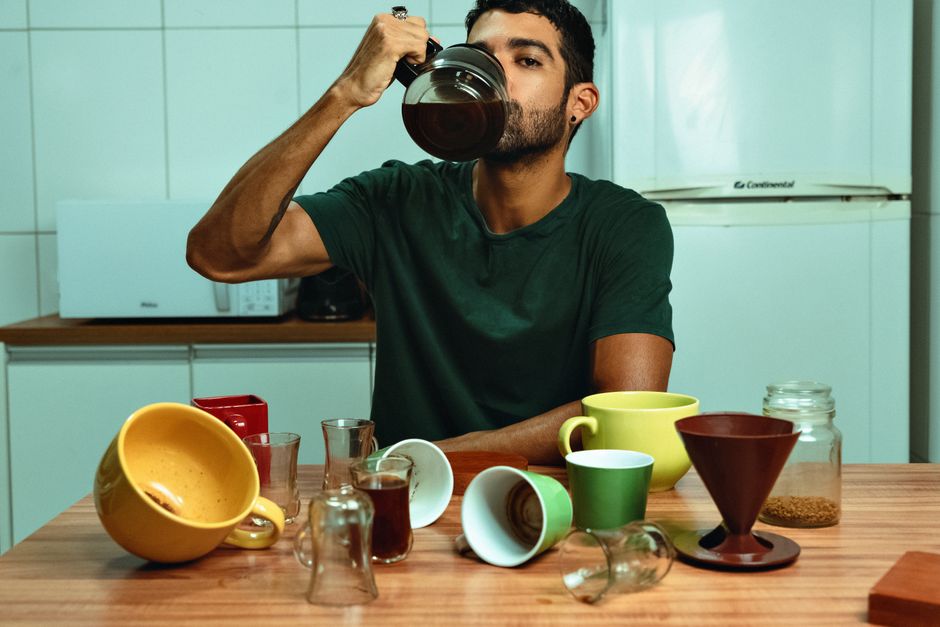
**Plain black coffee** is widely considered fasting-safe across most IF approaches. It contains roughly 5 calories per 8-ounce cup — well under any practical threshold — and many fasters find it genuinely helps suppress appetite through the morning window.
The moment you add a “splash” of creamer, you’re likely adding 20–50 calories plus fat or sugar that can disrupt the fasted state. Even half-and-half in small amounts adds up quickly across multiple cups. The **autophagy debate** around coffee is ongoing — some researchers suggest coffee’s compounds may actually support cellular cleanup, while stricter autophagy fasters skip it entirely to remove any doubt.
- Black coffee (no additives): generally fasting-safe
- Any creamer, milk, or sweetener: likely breaks the fast
- Decaf black coffee: also considered safe
- Autophagy goal: some practitioners skip coffee altogether to stay safe
Tea During Fasting: The Safe Picks and the Traps
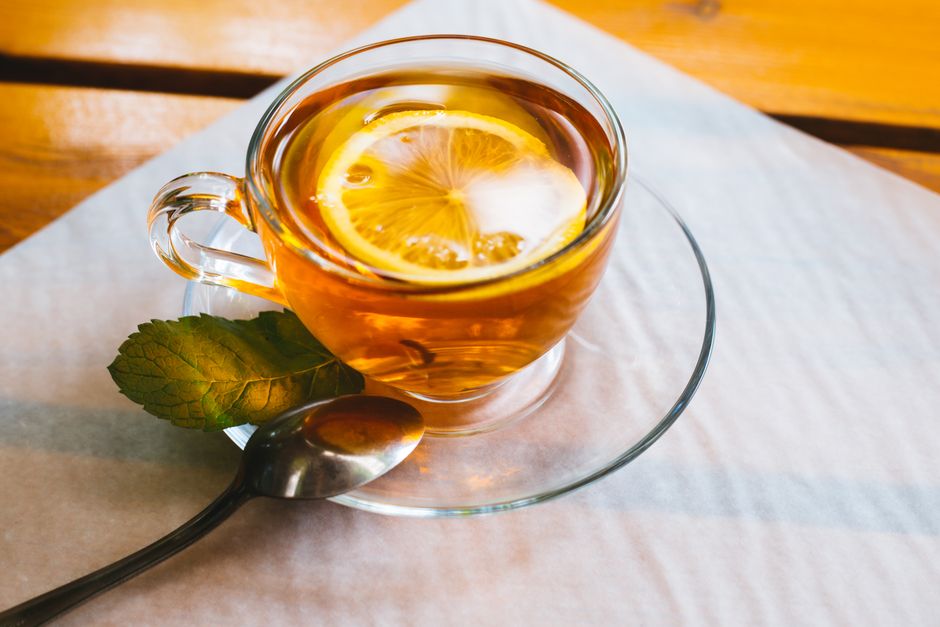
Plain **green tea, black tea, and most herbal teas** brewed from leaves or bags with no added flavoring are safe during a fasting window. They’re calorie-free, and green tea in particular may support fat oxidation. The trap lies in bottled teas sold at grocery stores, which frequently contain added sugar or honey — sometimes topping **100–150 calories per bottle**.
A homemade chai made with just spices and black tea is safe. A **Starbucks Chai Tea Latte** contains milk and syrup and absolutely breaks your fast. Teas labeled with “natural flavors” are usually fine, but if the ingredient list includes any form of sugar, juice concentrate, or milk solids, skip it during your window.
- Plain loose-leaf or bagged green, black, or herbal tea: safe
- Bottled sweetened teas: break the fast — always check the label
- Homemade spiced tea with no milk: safe
- Any café tea latte: breaks the fast without question
Drinks That Definitely Break Your Fast (No Gray Area)
Some drinks are clear-cut fast-breakers — no community debate needed. **Fruit juice**, even 100% natural with no added sugar, delivers a rapid sugar load that spikes insulin hard. A single 8-ounce glass of orange juice carries 110-plus calories and 26 grams of sugar.
**Regular soda, sports drinks like Gatorade, milk, and plant-based milks** — oat milk especially, at 90–120 calories per cup — all break your fast. Smoothies and meal replacement shakes are essentially liquid meals. Nutritious, yes, but firmly in the eating window. Save them for when your fast ends.
| Drink | Calories (8 oz avg) | Breaks Fast? |
|---|---|---|
| Orange juice | 110 | Yes |
| Regular soda | 100+ | Yes |
| Gatorade | 50 | Yes |
| Whole milk | 150 | Yes |
| Oat milk | 90–120 | Yes |
| Almond milk (unsweetened) | 30–40 | Yes (borderline) |
| Smoothie | 200–400+ | Yes |
The Gray-Area Drinks: Community Debates and Practical Answers
**Bulletproof coffee** — black coffee blended with butter and MCT oil — sits in a genuine gray zone. Proponents argue that pure fat triggers minimal insulin response, making it compatible with fat-burning fasting goals. Critics point out it delivers 200–400 calories and definitively ends a true fast for anyone prioritizing autophagy or calorie restriction.
**Diet sodas and zero-sugar sodas** are debated constantly. Artificial sweeteners like aspartame, sucralose, and acesulfame-K add no calories, but some studies suggest they may blunt the metabolic benefits of fasting or cause a mild insulin response in certain individuals. **Apple cider vinegar** diluted in water — 1 to 2 teaspoons — is generally considered safe, adding under 5 calories and potentially supporting blood sugar stability. **Bone broth** is the trickiest call: it contains protein and roughly 30–50 calories per cup, which technically breaks a strict fast but supports electrolytes and satiety during longer windows.
- Bulletproof coffee: fine for fat-loss IF, breaks autophagy fasting
- Diet soda: technically low-calorie but worth minimizing
- ACV in water (1–2 tsp): generally considered safe
- Bone broth: breaks strict fasts, useful during extended fasting for electrolytes
Zero-Calorie Flavor Additives: Safe or Risky
**Crystal Light, MiO, and similar water enhancers** are popular among fasters who struggle to drink plain water throughout the day. Most come in under 5 calories per serving, which most practitioners consider safe. They do contain artificial sweeteners and dyes, though — if you’re fasting for metabolic or gut-health reasons specifically, they’re worth minimizing.
A **fresh lemon squeeze** — about a quarter of a lemon — adds roughly 3–5 calories, which most practitioners consider negligible. **Stevia drops** in water or tea are widely accepted as fasting-safe since stevia carries a near-zero glycemic impact. Among flavored sparkling waters, **La Croix, Bubly, and most store-brand seltzers** contain nothing but carbonated water and natural flavors — solid, budget-friendly fasting picks that cost $0.25–$0.50 per can at most grocery stores.
- Crystal Light / MiO: borderline safe, best used sparingly
- Fresh lemon squeeze: safe at small amounts (under a quarter lemon)
- Stevia drops: widely accepted as fasting-safe
- Flavored sparkling water with no added sugar: safe and easy on the wallet
What Breaks a Fast for Weight Loss vs. Autophagy vs. Blood Sugar Goals
The right answer to what breaks your fast genuinely depends on **why you’re fasting**. For **weight loss**, the practical calorie threshold matters most — staying under 50 calories per fasting window is a reasonable working rule for most people. For **autophagy** (cellular repair), the rules tighten considerably — even black coffee and small amounts of fat may reduce autophagy signaling, though the research is still evolving.
For **blood sugar management**, the key variable is **insulin response**, not just calorie count. That means artificial sweeteners and even ACV deserve more scrutiny in this context. Matching your approved drink list to your specific goal prevents frustration and wasted fasting hours.
| Fasting Goal | Black Coffee | ACV Water | Diet Soda | Bone Broth |
|---|---|---|---|---|
| Weight loss | Safe | Safe | Borderline | Borderline |
| Autophagy | Debated | Borderline | Avoid | Avoid |
| Blood sugar | Safe | Safe | Caution | Breaks fast |
Building Your Go-To Fasting Drink Routine on a Budget
The cheapest fasting-safe drinks ranked by monthly cost: **tap water** (near-free), **loose-leaf green or black tea** ($0.10–$0.20 per serving), **bagged tea** ($0.15–$0.30 per cup), and **drip black coffee** ($0.25–$0.50 per cup). Specialty options like bottled sparkling water or branded electrolyte drops add up quickly — buying store-brand seltzer in bulk cases cuts that cost by 40–60%.
Preparing **infused water** ahead of time — cucumber and mint, citrus slices, or fresh ginger — takes about five minutes the night before and gives you a flavorful, fully fasting-safe drink for the next day. Buying **bulk loose-leaf tea** from a grocery store or online saves roughly 60% over individual tea bags, landing around $0.08–$0.12 per serving.
- Tap water with lemon: near-free, fully safe
- Bulk loose-leaf tea: best cost-per-serving for daily fasting
- Store-brand seltzer in 12-packs: $3–$5 per case
- Infused water batch prep: prep Sunday night, use throughout the week
How to Read Nutrition Labels for Fasting-Safe Drinks
Three label lines matter most when evaluating a drink for your fasting window: **calories, total carbohydrates, and added sugars**. If all three are zero, you’re almost certainly safe. “Zero sugar” means no sugars were added but may still allow naturally occurring sugars from juice or milk — **”sugar free”** means total sugar content is under 0.5 grams per serving, which is the stronger claim.
**Serving size tricks** are common in bottled beverages. A 20-ounce bottle listed as “2.5 servings” might show 20 calories per serving — meaning the full bottle delivers 50 calories. Always multiply the per-serving numbers by servings per container before making your call.
- Check calories, total carbs, and added sugars — all three should be zero or near-zero
- “Zero sugar” ≠ calorie-free; “sugar free” is the stronger and more reliable label claim
- Multiply per-serving calories by servings per container
- In the ingredient list, avoid anything ending in “-ose” (glucose, fructose, sucrose)
Practical Drink Swaps When Cravings Hit During Your Fasting Window
Cravings during a fasting window are real, and having a **go-to swap ready** prevents impulsive choices. For a **sweet craving**, try sparkling water with a few stevia drops before reaching for a diet soda — you get the fizz without the artificial sweetener debate. For a **warm comfort craving**, black tea with a pinch of cinnamon mimics the feeling of a latte without breaking your fast.
For an **energy slump**, timing your black coffee strategically — roughly 90 minutes after waking — often delivers better focus than reaching for a sugar-loaded drink. In **social situations**, ordering hot black tea or a plain Americano at Starbucks, Dunkin’, or a sit-down restaurant keeps you fully on protocol without drawing attention or paying more.
- Sweet craving: sparkling water with stevia drops
- Warm craving: black tea with cinnamon, no milk
- Energy craving: black coffee timed 90 minutes after waking
- At a café: plain Americano, hot black tea, or water with lemon
—
Frequently Asked Questions (FAQ)
**Q: Does lemon water break intermittent fasting?**
A small squeeze of fresh lemon — about a quarter of a lemon — adds roughly 3–5 calories and is considered safe by most IF practitioners. A full glass of lemon juice or sweetened lemonade is a different story and will break your fast.
**Q: Can I drink coffee with heavy cream during a fasting window?**
Heavy cream is nearly pure fat, carrying about 50 calories per tablespoon. A small splash — one teaspoon, around 17 calories — sits in the gray zone for weight-loss fasting but breaks a strict autophagy fast. If weight loss is your only goal, one light splash is generally considered low-impact. Eliminating it entirely removes the guesswork.
**Q: Do zero-calorie energy drinks break a fast?**
Popular zero-calorie energy drink brands are technically at or near zero calories, but they contain a mix of artificial sweeteners, B vitamins, and amino acids. The amino acids in some formulas may trigger a minor insulin or mTOR response, which matters for strict autophagy fasting. For weight-loss fasting, they’re generally considered borderline safe but best used sparingly.
**Q: Is sparkling water safe during intermittent fasting?**
Plain sparkling water — with no added sugar, juice, or sweeteners — is fully safe during a fasting window. Brands that use only carbonated water and natural flavors are your best bet. Always check the label on anything “flavored” to confirm there are no hidden carbs or sweeteners.
**Q: What’s the safest drink to have during a fast besides water?**
Plain black coffee and unsweetened loose-leaf or bagged tea are the two most widely accepted fasting-safe drinks beyond water. Both are calorie-free in their plain forms, easy to find, and inexpensive — making them practical daily choices for anyone following a consistent fasting schedule.
Top Product Recommendations
| Product Name | Rating | Key Feature | Est. Price | Action |
|---|---|---|---|---|
| Top-rated electrolyte powder zero sugar fasting | ★★★★★ | Editor-recommended electrolyte powder zero sugar fasting from this guide | $18–$42 | Check Lowest Price on Amazon |
| Best-value loose leaf green tea bulk fasting | ★★★★☆ | Affordable loose leaf green tea bulk fasting — strong everyday results | $12–$28 | Check Lowest Price on Amazon |
| Premium stevia liquid drops zero calorie | ★★★★☆ | Higher-end stevia liquid drops zero calorie for visible, lasting results | $45–$95 | Check Lowest Price on Amazon |
Affiliate Disclosure: This post contains affiliate links. We may earn a commission if you buy through our links, at no extra cost to you.
Leave a Reply