Meal Planning on a Budget: Where to Start
Meal planning on a budget is one of the smartest habits any home cook can build. When you know what you’re cooking before you hit the grocery store, you spend less money, waste less food, and eat far better throughout the week. A solid budget meal plan focuses on affordable, whole ingredients and turns simple staples into satisfying meals your whole family will love. The goal isn’t deprivation — it’s making the most of every dollar so you can eat well without the stress of figuring out dinner at 5 PM.
The beauty of budgeting your meals is that it naturally pulls you toward home cooking. Restaurants and takeout are convenient, but they drain a household food budget fast. By planning ahead, you gain control over what goes into your body and your wallet. This guide walks you through ingredients, prep techniques, a ready-to-use weekly template, and smart strategies to save time without sacrificing nutrition.
Stocking a Budget-Friendly Kitchen
The foundation of any great meal plan starts in the pantry, fridge, and freezer. You don’t need exotic ingredients to make incredible food. Stock up on these categories and you’ll always have the pieces in place to assemble a meal.
- **Low-cost proteins**: Canned beans, dried lentils, eggs, canned tuna, and chicken thighs are packed with nutrition and cost a fraction of premium cuts.
- **Affordable vegetables**: Carrots, onions, celery, potatoes, and leafy greens like spinach or cabbage stretch every recipe and add fiber and vitamins.
- **Pantry staples**: White rice, dried pasta, canned tomatoes, chicken broth, and basic spices form the backbone of countless dishes.
Substitutions are part of the process. If a recipe calls for fresh herbs and they’re out of season, dried herbs work just fine — use roughly one-third the amount. No canned tomatoes on hand? Use tomato paste mixed with a splash of water. The key is building a flexible pantry so you’re never stuck.
Batch Cooking: Your Biggest Budget Ally
Batch cooking is the single most effective meal planning technique for saving both time and money. The idea is simple: cook large quantities of food upfront, then portion it out for the week ahead.
Start with one or two proteins and a grain. Bake a sheet pan of chicken thighs, cook a big pot of brown rice, and roast a tray of mixed vegetables. Once everything is cooked and cooled, divide everything into individual containers. On busy weeknights, you combine pre-cooked components into a fresh meal in minutes.
**Common mistake**: Overcooking grains and proteins during batch sessions. Cook everything to al dente — grains and proteins continue absorbing moisture and heating up after you pull them from the stove, so slightly underdone saves your texture later.
**Pro tip**: Label every container with the date it was cooked. Most batch-cooked components stay fresh in the refrigerator for up to four days and in the freezer for up to three months.
Repurposing Leftovers Without Feeling Repetitive
One of the biggest budget killers in a kitchen is food that goes straight from plate to garbage. Leftovers aren’t a compromise — they’re an opportunity. With a little creativity, a single roasted chicken can become three completely different meals.
A batch of cooked rice becomes fried rice the next night when you stir-fry it with vegetables and scrambled eggs. Ground beef used in tacos on Monday can become sloppy joes on Wednesday or a beefy pasta sauce by the weekend. Cooked lentils blend seamlessly into soups, salads, and grain bowls.
The rule of thumb: change at least two elements every time you repurpose a dish. Swap the sauce, the vegetable, or the grain and the meal feels entirely new. This approach cuts food waste dramatically and keeps your weekly grocery bill low.
Your 5-Day Weekday Meal Plan Template
Use this as a starting point and adjust based on your family’s tastes. This template uses the same core ingredients prepared in batch and repurposed throughout the week.
| Day | Breakfast | Lunch | Dinner |
|---|---|---|---|
| Monday | Oatmeal with banana and peanut butter | Rice bowls with black beans, roasted veggies, and salsa | Baked chicken thighs with rice and steamed broccoli |
| Tuesday | Scrambled eggs with toast | Leftover chicken turned into chicken and rice soup | Lentil vegetable stew with crusty bread |
| Wednesday | Greek yogurt with oats and berries | Pasta salad with canned tuna and diced vegetables | One-pot pasta with tomatoes, garlic, and beans |
| Thursday | Smoothie with frozen fruit, milk, and oats | Leftover lentil stew served over rice | Black bean tacos with shredded cheese and slaw |
| Friday | Whole grain toast with scrambled eggs | Rice bowls with leftover pasta salad and protein | Homemade pizza night with flatbread, sauce, and vegetables |
Snacks throughout the week: sliced carrots with hummus, apple slices with peanut butter, handfuls of nuts, and string cheese. These keep energy stable between meals so you’re not reaching for expensive convenience foods.
Weekend Meal Plan: Brunch and Beyond
Weekends offer more time to cook creatively. Use this two-day template to experiment with new recipes while keeping things budget-conscious.
- **Saturday brunch**: Egg scramble with onions, peppers, potatoes, and cheese. Serve with toast and fresh fruit.
- **Saturday dinner**: Slow cooker bean chili with cornbread. Make a double batch — leftovers become weekday lunches.
- **Sunday brunch**: Pancakes or waffles made from a simple batter. Add cinnamon and a handful of blueberries.
- **Sunday dinner**: Sheet pan dinner with roasted root vegetables and seasoned chicken legs or thighs.
Weekend cooking is also the ideal window for meal prep. If your weekdays are chaotic, spend an hour on Sunday prepping breakfast items and assembling lunch containers. You’ll thank yourself Monday morning.
Time-Saving Strategies for Busy Families
Not everyone has hours to spend in the kitchen every day. These strategies keep meals on the table without demanding a professional chef’s time commitment.
**One-pot meals** eliminate cleanup and let you build complete dinners in a single vessel. Soups, stews, stir-fries, and pasta dishes all fall into this category. Start with an aromatic base — onion, garlic, and oil — then add protein, vegetables, and a liquid component in layers.
**Slow cooker recipes** are a weekday lifesaver. Combine ingredients in the morning, set the timer, and come home to a fully cooked meal. Lean cuts of meat like chicken thighs and pork shoulder benefit most from slow cooking because the extended heat breaks down tough fibers into tender, flavorful bites.
**Assembly-style meal prep** works when batch cooking feels overwhelming. Instead of cooking full meals ahead, prep individual components separately: cook a batch of grains, roast a sheet pan of vegetables, and grill or bake a simple protein. Store each component in its own container and mix and match throughout the week.
Serving Ideas That Make Meals Feel Special
Presentation matters, even for humble home-cooked food. A meal that looks appealing is more satisfying and reduces the temptation to order takeout.
Family-style serving works beautifully for weeknight dinners. Place platters of food in the center of the table and let everyone serve themselves. This encourages balanced eating and makes dinner feel like an event rather than just fuel.
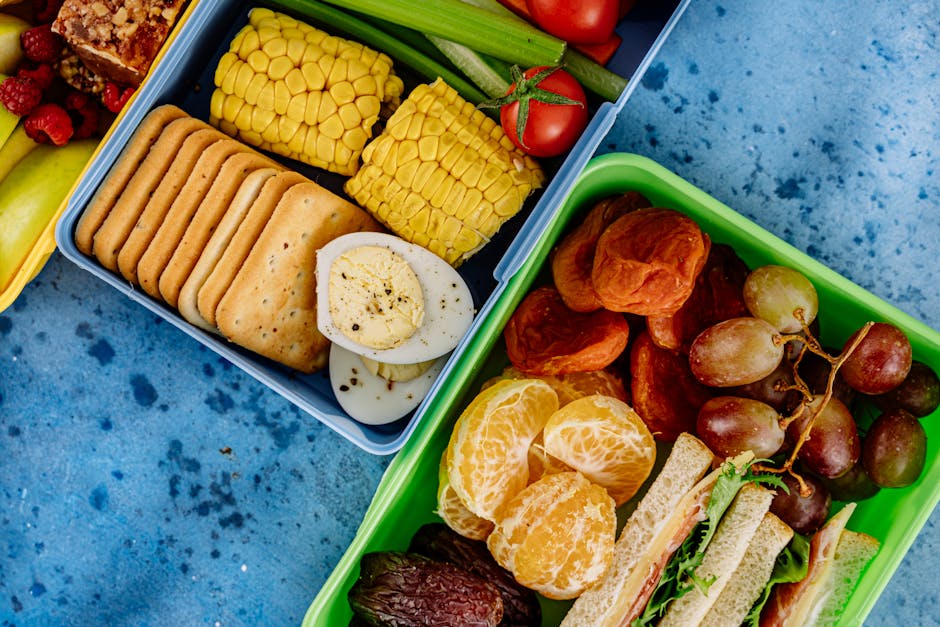
Individual portions are ideal for packed lunches and controlled serving sizes. Use divided containers to keep components separate until lunch — this prevents sogginess and keeps toppings fresh.
Simple garnish techniques elevate any dish instantly. A sprinkle of fresh herbs, a squeeze of lemon, a drizzle of olive oil, or a pinch of red pepper flakes adds brightness and visual appeal without adding cost.
Color contrast is the easiest plating trick in the book. A plate that combines white rice, green vegetables, and orange carrots already looks vibrant and appetizing. Think in colors when you assemble a plate and your meals will always look worth sitting down for.
Smart Swaps to Cut Costs Without Cutting Flavor
Ingredient swaps are a powerful tool in your budget cooking toolkit. You don’t need to sacrifice taste to save money — often the swap is just as delicious as the original.
- Replace fresh berries with frozen fruit in smoothies and oatmeal — frozen is cheaper and just as nutritious.
- Use canned tomatoes instead of fresh in sauces and soups — they’re picked at peak ripeness and cost a fraction of the price.
- Substitute chicken thighs for chicken breasts — thighs are more flavorful, more forgiving to cook, and significantly cheaper.
- Swap out pre-shredded cheese for a block you shred yourself — bags of shredded cheese contain anti-caking agents that affect melt quality and the block costs less per ounce.
These small decisions compound. Over a month of dinners, replacing even two or three expensive ingredients with budget alternatives saves real money without anyone at the table noticing the difference.
Frequently Asked Questions
What is the best way to store prepped ingredients for later use?
Airtight glass or BPA-free plastic containers are ideal for refrigerator storage. Label each container with the contents and the date you prepped them. Most cooked grains, proteins, and roasted vegetables stay fresh for three to four days in the fridge. For longer storage, freeze individual portions on a baking sheet first, then transfer to freezer bags — this prevents clumping and makes it easy to grab exactly what you need.
How can I make my meal plan more environmentally friendly?
Reducing food waste is the most impactful step. Plan portions realistically so you use what you buy. Compost vegetable scraps to enrich garden soil if you have outdoor space. Switch to reusable silicone storage bags and glass containers instead of plastic wrap and disposable bags. When possible, choose dried beans and lentils over canned — less packaging waste and often cheaper per serving.
Can I adjust this meal plan for different dietary needs or preferences?
Absolutely. This meal plan is built on flexible components that adapt easily. For a gluten-free version, swap pasta for rice or quinoa. Replace animal proteins with tofu, tempeh, or additional beans for vegan meals. Swap dairy-based ingredients for plant-based alternatives — oat milk, almond-based yogurt, and cashew cheese all work well in recipes. Allergies are managed by substituting the problem ingredient with a safe alternative while keeping the rest of the recipe intact.
How many servings does this meal plan make?
The weekday template is built for four to six servings per dinner, with leftovers providing lunch the next day. Batch cooking scales naturally — simply double or halve quantities based on your household size. Leftovers are a feature, not a bug: they become the next day’s lunch or get repurposed into a completely different dinner later in the week.
Top Product Recommendations
| Product Name | Rating | Key Feature | Est. Price | Action |
|---|---|---|---|---|
| Top-rated glass meal prep containers | ★★★★★ | Editor-recommended glass meal prep containers from this guide | $18–$42 | Check Lowest Price on Amazon |
| Best-value slow cooker 6 quart | ★★★★☆ | Affordable slow cooker 6 quart — strong everyday results | $12–$28 | Check Lowest Price on Amazon |
| Premium bulk dried black beans | ★★★★☆ | Higher-end bulk dried black beans for visible, lasting results | $45–$95 | Check Lowest Price on Amazon |
Affiliate Disclosure: This post contains affiliate links. We may earn a commission if you buy through our links, at no extra cost to you. Medical Disclaimer: This content is for informational purposes only and is not medical advice. Consult a healthcare professional before changing diet or exercise.
Leave a Reply