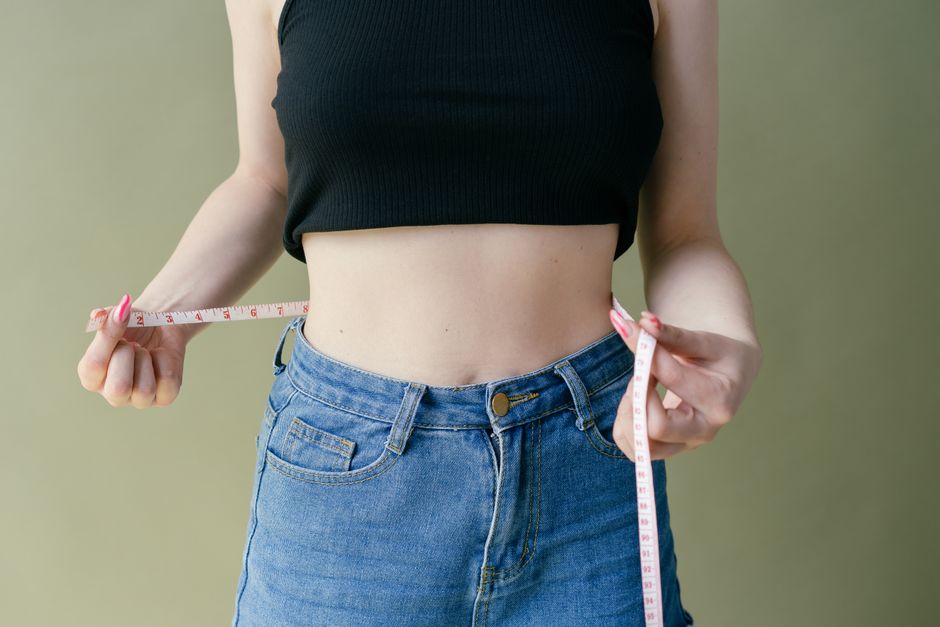
Building a Weight-Loss Foundation on a Budget
Eating well while trying to lose weight does not have to drain your bank account or consume every evening in the kitchen. Many American home cooks assume that healthy meals require expensive ingredients and elaborate preparation, but that assumption simply does not hold up under scrutiny. With a smart approach to shopping, meal planning, and ingredient selection, you can build a satisfying weight-loss meal plan that works within nearly any budget. The key is focusing on whole foods that are naturally affordable, minimizing waste, and leveraging versatile ingredients that stretch across multiple meals throughout the week.
When you center your weight-loss efforts around staples like beans, eggs, seasonal vegetables, and whole grains, you create a foundation that is both nutritious and economical. These ingredients cost a fraction of what processed diet foods charge, and they deliver far more fiber, protein, and essential vitamins per dollar spent. Building habits around these affordable basics is one of the most reliable strategies for long-term success on any weight-loss journey.
Before diving into specific recipes and meal ideas, it helps to understand the core principles that tie everything together. Prioritizing protein at every meal keeps you feeling full longer, which reduces the temptation to snack on empty calories between meals. Pairing that protein with fiber-rich carbohydrates and healthy fats creates balanced plates that stabilize blood sugar and sustain energy throughout busy American workdays. Keeping portions reasonable while choosing nutrient-dense foods means you eat satisfying amounts without overconsuming calories.
Quick and Easy Breakfast Ideas Under 15 Minutes
Breakfast sets the tone for the entire day, and some of the most effective weight-loss breakfasts require almost no cooking at all. Overnight oats have become a staple for busy morning routines because they take five minutes of prep the night before and are ready the moment you wake up. Combine half a cup of rolled oats, one cup of unsweetened almond milk, a tablespoon of chia seeds, and a handful of fresh or frozen berries in a mason jar. Shake or stir well, refrigerate overnight, and top with a drizzle of honey or a few slivered almonds in the morning. This meal delivers roughly 350 calories, 12 grams of fiber, and sustained energy that carries you through until lunch without a mid-morning energy crash.
Scrambled eggs with spinach and whole-grain toast represent another lightning-fast option that packs serious nutritional punch. Two large eggs provide about 14 grams of complete protein, while a cup of sautéed spinach adds iron, calcium, and antioxidants at virtually no calorie cost. Whole-grain bread contributes complex carbohydrates and additional fiber, bringing the total meal to approximately 320 calories when prepared with a small amount of cooking spray. The entire dish comes together in under eight minutes, making it ideal for those rushed weekday mornings when convenience often trumps nutrition.
Greek yogurt parfaits offer a portable breakfast solution that works equally well at the kitchen table or packed into a cooler for eating at the office. Choose plain Greek yogurt to avoid the excessive sugar found in flavored varieties, then layer it with half a cup of low-sugar granola and fresh fruit like blueberries, strawberries, or banana slices. A standard parfait contains roughly 15 to 18 grams of protein depending on the yogurt brand, along with probiotics that support digestive health. For added crunch and healthy fats, sprinkle in a tablespoon of chopped walnuts or pecans. This combination satisfies hunger, delivers calcium and protein, and keeps calorie intake moderate enough to support weight-loss goals without feeling deprived.
Nutritious and Filling Lunch Options for Work or Home
Lunch often becomes the weakest link in a weight-loss plan, either because it gets skipped entirely or because convenient options like fast food derail progress entirely. Building satisfying midday meals around lean protein and fiber prevents that afternoon energy dip while keeping total calories in check. Planning lunch ahead of time eliminates the temptation to grab whatever is easiest, which is rarely the healthiest choice when hunger strikes.
A quinoa and black bean salad with avocado dressing provides a plant-based lunch option that delivers complete protein from two different sources. Cook one cup of quinoa according to package directions and allow it to cool, then combine it with one can of drained black beans, diced tomatoes, corn, red onion, and chopped cilantro. The avocado dressing requires blending half a ripe avocado with lime juice, a clove of garlic, salt, and a small amount of water until smooth. This salad makes approximately four servings at roughly 380 calories each, with an impressive 14 grams of fiber and 15 grams of protein per container. Meal-prepping this dish on Sunday evening means you have grab-and-go lunches ready for the entire workweek.
Grilled chicken salad with mixed greens and cherry tomatoes offers a classic low-carb lunch that satisfies without weighing you down through the afternoon. Season chicken breasts with paprika, garlic powder, salt, and pepper before grilling over medium-high heat until fully cooked, approximately six to seven minutes per side depending on thickness. Slice the chicken over a bed of spinach, arugula, or mixed greens, then add halved cherry tomatoes, sliced cucumber, and a sprinkle of feta cheese if desired. A light vinaigrette made from olive oil, balsamic vinegar, and Dijon mustard keeps the dressing simple and calorie-conscious. Each serving provides roughly 35 grams of protein while staying under 450 total calories when portioned carefully.
Turkey and hummus wraps using whole-wheat tortillas provide a handheld lunch option that travels well and satisfies cravings for something more substantial than a basic salad. Lay a whole-wheat tortilla flat and spread two tablespoons of hummus evenly across the surface. Layer sliced turkey breast, spinach leaves, thinly sliced red bell pepper, and shredded carrots down the center before rolling tightly and cutting in half diagonally. One wrap delivers approximately 28 grams of protein with only 380 calories, making it an exc nt choice for controlled portions that still feel complete and filling.
Delicious and Healthy Dinner Recipes for the Whole Family
Dinner presents both an opportunity and a challenge for anyone pursuing weight loss. After a long workday, it is tempting to order takeout or rely on processed convenience foods, but home-cooked dinners give you complete control over ingredients, portion sizes, and nutritional content. Building a rotation of satisfying dinner recipes that the whole family enjoys removes the feeling of restriction that often leads to dietary burnout.
Baked salmon with roasted vegetables and quinoa represents a well-rounded dinner that supports weight loss while delivering omega-3 fatty acids essential for heart and brain health. Preheat your oven to 400°F and line a baking sheet with parchment paper. Place salmon fillets on the sheet and season generously with lemon juice, dill, salt, and pepper. Arrange sliced zucchini, bell peppers, and red onion around the salmon and drizzle everything lightly with olive oil. Roast for approximately 15 to 18 minutes until the salmon flakes easily with a fork. Simultaneously, prepare one cup of quinoa in vegetable broth for added flavor. This meal yields roughly 520 calories per serving with an outstanding 40 grams of protein and abundant vitamins from the roasted vegetables.
Slow cooker chicken and vegetable soup has become a beloved comfort food for weight-loss enthusiasts because it simmers while you handle other responsibilities and produces multiple servings ideal for leftovers. Combine boneless skinless chicken thighs, diced carrots, celery, onion, garlic, diced tomatoes, and low-sodium chicken broth in a slow cooker with Italian seasoning, salt, and pepper. Cook on low for seven to eight hours or high for four hours until the chicken is tender and fully cooked. Remove the chicken, shred it with two forks, and return it to the pot before serving. Each one-and-a-half-cup serving contains approximately 220 calories with 28 grams of protein, making this soup a filling yet light dinner option that works wonderfully for lunch the next day as well.
Stir-fry tofu with brown rice and steamed broccoli provides a plant-powered dinner that satisfies even committed meat-eaters when prepared with the right technique. Press extra-firm tofu for 20 minutes to remove excess moisture, then cube and toss with low-sodium soy sauce, sesame oil, and cornstarch before pan-frying until golden and crispy. Sauté snap peas, sliced mushrooms, and shredded cabbage in a hot wok with a small amount of oil until tender-crisp. Serve over one cup of cooked brown rice with steamed broccoli on the side. This vegan dinner delivers approximately 440 calories with 22 grams of protein and an exceptional 9 grams of fiber per serving.
Healthy Snack Ideas That Support Weight-Loss Goals
Snacking gets a bad reputation in weight-loss circles, but strategic snacking can actually support your goals by preventing extreme hunger that leads to overeating at mealtimes. The key lies in choosing snacks that combine protein and fiber rather than relying on chips, crackers, or candy that spike blood sugar and leave you feeling less satisfied. Preparing grab-and-go options in advance removes the friction that often leads to vending machine impulse decisions.
Apple slices with almond butter create a classic snack pairing that balances natural fruit sugar with protein and healthy fats. Choose a medium apple and slice it into wedges, then pair with one tablespoon of natural almond butter for approximately 200 calories and a satisfying combination of quick and sustained energy. The fiber in the apple slows digestion while the fat and protein in the almond butter extend fullness. This snack travels well in a small container and requires no refrigeration, making it ideal for packed lunches or afternoon breaks at work.
Carrot sticks and hummus offer a crunchy, savory alternative that delivers impressive nutritional value at minimal calorie cost. One cup of baby carrots provides roughly 50 calories along with more than 400 percent of your daily vitamin A needs, while a quarter-cup serving of classic hummus adds about 100 calories with three grams of protein. The combination satisfies the desire for something savory and crunchy without the excess sodium and empty calories found in most packaged snacks. Prepping carrot sticks at the beginning of the week keeps them fresh in a container of cold water for five to seven days.
Homemade trail mix with nuts, seeds, and dried fruit gives you control over ingredient quality and portion size while delivering a satisfying blend of protein, healthy fats, and natural sweetness. Combine raw almonds, pepitas, sunflower seeds, and dried cranberries or cherries in a large bowl, then portion into quarter-cup servings in small zip-top bags. Each serving runs approximately 175 calories with five grams of protein and three grams of fiber. The single-serving packaging prevents the common problem of eating directly from the bag, which often leads to consuming multiple servings without realizing it.
Meal Prep Tips for Busy Home Cooks
Successful weight loss rarely happens by accident; it requires intentional planning that accounts for the chaos of real life. Meal prepping has emerged as one of the most effective strategies for maintaining healthy eating habits despite demanding schedules, tight budgets, and the temptation of convenient processed foods. Setting aside just a couple of hours on the weekend can transform your entire week by eliminating decision fatigue and ensuring nutritious options are always within reach.
Prepping ingredients for the week ahead starts with a solid shopping list based on your planned meals. Wash and chop vegetables like bell peppers, broccoli, carrots, and onions and store them in airtight containers in the refrigerator where they stay fresh for up to five days. Cook batches of grains like quinoa, brown rice, and whole-wheat pasta that can be quickly reheated throughout the week. Grill or bake multiple portions of lean protein such as chicken breast or salmon fillets, then portion them into individual containers ready to combine with whichever grain and vegetable you choose each day.
Making large batches of healthy meals to freeze provides insurance against busy evenings when cooking from scratch feels impossible. Soups, stews, chili, and baked chicken dishes all freeze and reheat remarkably well, often developing deeper flavors as they rest. Invest in quality freezer-safe containers and label each with the contents and date to track what you have available. Building a rotating freezer inventory of five to ten different meals means you never face the temptation to order pizza simply because you lack the energy to cook.
Preparing healthy snacks and meals for on-the-go addresses one of the most common obstacles to consistent weight loss. Keep a small cooler bag in your car or office stocked with pre-portioned snacks like hard-boiled eggs, string cheese, Greek yogurt cups, and fresh fruit. Having these options available prevents impulse stops at gas stations or convenience stores where unhealthy choices dominate the product selection. Packing your lunch the night before also removes the morning scramble and ensures you head to work with everything you need to stay on track.
Budget-Friendly Ingredient Swaps for Healthy Eating
One of the most powerful strategies for eating well while spending less involves identifying high-calorie, expensive ingredients and replacing them with lower-cost alternatives that deliver equal or superior nutrition. These swaps often go unnoticed by even the pickiest eaters while providing substantial savings over the course of a month or year. Making three or four swaps consistently can reduce your weekly grocery bill by 15 to 25 percent while improving the overall nutritional quality of your meals.
Using cauliflower rice instead of white rice dramatically reduces calories and carbohydrates while increasing vegetable intake without requiring a significant lifestyle adjustment. One cup of cooked cauliflower rice contains approximately 25 calories compared to 200 calories in an equivalent serving of white rice, representing an 87 percent calorie reduction for the same volume of food. Cauliflower rice is widely available pre-riced in most grocery produce sections, or you can make your own by processing raw cauliflower florets in a food processor until they reach a rice-like texture. Saute it in a pan with a small amount of olive oil, garlic, and salt for two to three minutes for the best texture and flavor.
Swapping Greek yogurt for sour cream in recipes like tacos, baked potatoes, and dips reduces fat content significantly while actually increasing protein intake. Regular sour cream contains about 15 grams of fat per quarter-cup serving, while an equivalent amount of plain nonfat Greek yogurt delivers less than one gram of fat alongside 12 grams of protein. The tangy flavor profile remains essentially identical, making this substitution virtually unnoticeable in most dishes. Using Greek yogurt as a base for sauces and dressings creates creamy textures without the caloric penalty of traditional cream-based preparations.
Replacing traditional pasta with zucchini noodles eliminates a significant source of refined carbohydrates and introduces additional vegetables into your diet in an approachable format. Spiralized zucchini, also called zoodles, can be prepared quickly by sautéing in a pan with a small amount of oil and garlic for three to four minutes until tender but still slightly firm. Top with your favorite sauce and protein for a complete meal that satisfies pasta cravings without the associated calorie load. One cup of zucchini noodles contains approximately 20 calories compared to 220 calories in one cup of cooked spaghetti, a difference that compounds significantly over multiple meals per week.
Serving Ideas for Healthy Meals That Satisfy
Visual appeal and perceived satisfaction play surprisingly important roles in how full and content we feel after eating. Research consistently shows that colorful plates with varied textures and thoughtful presentation increase meal satisfaction independently of the actual calorie content. Taking a few extra moments to arrange food attractively and balance colors on the plate can reduce the urge to overeat by enhancing the overall dining experience.
Creating visually appealing and colorful plates engages multiple senses and signals to your brain that you are eating a complete, nourishing meal. Aim to include at least three different colors from fruits and vegetables on every plate, such as pairing orange carrots with green broccoli and purple cabbage alongside a lean protein source. This variety not only looks more appetizing but also ensures broader nutritional coverage across different vitamins and phytonutrients. Using small bowls or ramekins for sauces and toppings rather than drowning food keeps portions controlled while maintaining visual interest.
Balancing macronutrients in each meal ensures sustained energy and prevents the blood sugar fluctuations that trigger hunger and cravings between scheduled eating times. A balanced plate contains lean protein comprising approximately one-quarter of the total area, complex carbohydrates filling another quarter, and non-starchy vegetables covering the remaining half. This proportions-based approach removes the need for calorie counting while naturally creating appropriate portion sizes for most adults. The vegetables provide bulk and fiber for fullness, protein maintains muscle mass and satiety, and carbohydrates supply accessible energy for daily activities.
| Ingredient Swap | Original Calories | New Calories | Savings Per Serving |
|---|---|---|---|
| Cauliflower rice vs white rice (1 cup) | 200 cal | 25 cal | 175 cal |
| Greek yogurt vs sour cream (1/4 cup) | 110 cal | 35 cal | 75 cal |
| Zucchini noodles vs pasta (1 cup) | 220 cal | 20 cal | 200 cal |
| Almond milk vs whole milk (1 cup) | 150 cal | 30 cal | 120 cal |
Portion control tips for weight loss work best when they become automatic habits rather than conscious calculations at every meal. Using smaller plates naturally limits portions without requiring willpower or mental math, since the same amount of food appears more substantial on a nine-inch plate compared to a twelve-inch dinner plate. Measuring serving sizes initially helps build intuition for appropriate portions of calorie-dense foods like nuts, oils, and grains. Keeping serving utensils off the table during meals prevents second helpings from becoming reflexive, while drinking a full glass of water before each meal primes your stomach for smaller food intake.
Frequently Asked Questions (FAQ)
Q: What are some healthy and affordable protein sources for weight loss?
Lean meats like chicken breast and turkey provide high-quality protein at reasonable prices, especially when purchased in family packs and frozen in portions. Fish, particularly canned tuna and salmon, offers omega-3 fatty acids that support metabolism and heart health at accessible price points. Legumes such as lentils, black beans, and chickpeas deliver impressive protein along with fiber that promotes fullness, costing less than a dollar per serving. Eggs remain one of the most affordable complete protein sources available, providing all essential amino acids for approximately 70 cents per large egg.
Q: How can I make healthy and delicious salads without spending too much time or money?
Using pre-washed and pre-chopped produce eliminates the most time-consuming part of salad preparation while keeping costs reasonable compared to convenience salad kits. Making your own salad dressing at home takes less than five minutes and costs a fraction of store-bought versions, using simple ingredients like olive oil, vinegar, mustard, and herbs. Rotating different protein sources and vegetable combinations keeps salads interesting throughout the week, preventing the boredom that often leads to abandoning healthy eating plans. Adding budget-friendly staples like canned beans, hard-boiled eggs, or leftover roasted chicken transforms basic greens into complete meals.
Q: What are some easy and healthy breakfast ideas for busy mornings?
Overnight oats prepared the night before require zero morning prep time and offer endless customization options using whatever fruit, nuts, or spices you have available. Smoothies made with frozen fruit, a handful of spinach, protein powder if desired, and almond milk come together in under three minutes and travel well in covered cups. Whole-grain toast topped with smashed avocado or natural peanut butter provides quick fuel with a balance of fiber, healthy fats, and moderate protein. Hard-boiled eggs prepared in batches at the beginning of the week grab from the refrigerator in seconds when time is extremely limited.
Q: How can I ensure I am eating enough fiber on a weight-loss diet?
Incorporating fiber-rich foods like raspberries, blackbeans, whole grains, and cruciferous vegetables into every meal naturally increases total fiber intake without requiring supplements. Reading nutrition labels helps identify high-fiber options when shopping, with good sources providing at least three grams of fiber per serving and exc nt sources offering five grams or more. Starting each day with a high-fiber breakfast sets a positive tone for daily intake, as the morning meal often sets eating patterns for the remainder of the day. Drinking adequate water alongside fiber intake prevents digestive discomfort and allows fiber to do its job of promoting fullness and supporting healthy digestion.
Top Product Recommendations
| Product Name | Rating | Key Feature | Est. Price | Action |
|---|---|---|---|---|
| Top-rated meal prep containers for weight loss | ★★★★★ | Editor-recommended meal prep containers for weight loss from this guide | $18–$42 | Check Lowest Price on Amazon |
| Best-value Greek yogurt for recipes | ★★★★☆ | Affordable Greek yogurt for recipes — strong everyday results | $12–$28 | Check Lowest Price on Amazon |
| Premium cauliflower rice frozen | ★★★★☆ | Higher-end cauliflower rice frozen for visible, lasting results | $45–$95 | Check Lowest Price on Amazon |
Affiliate Disclosure: This post contains affiliate links. We may earn a commission if you buy through our links, at no extra cost to you. Medical Disclaimer: This content is for informational purposes only and is not medical advice. Consult a healthcare professional before changing diet or exercise.
Leave a Reply