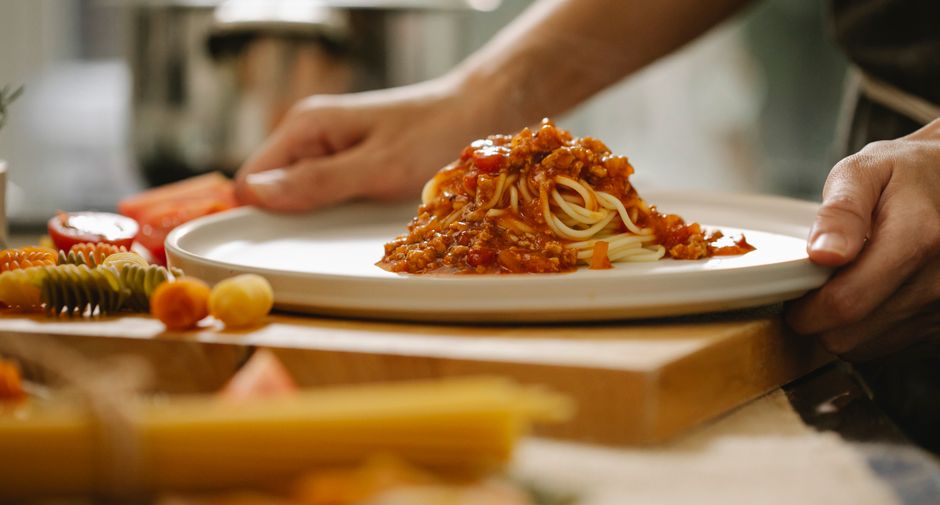
Introduction to Healthy Meal Prep
Healthy meal prep is one of the most effective strategies for anyone looking to take control of their nutrition without spending hours in the kitchen every single day. By dedicating just a couple of hours on a Sunday afternoon, you can prepare breakfasts, lunches, and dinners that will carry you through the busiest weekdays. **Meal prepping saves both time and money** while helping you avoid the temptation of fast food and processed snacks that derail even the best-intentioned healthy eating plans.
The beauty of meal prep lies in its flexibility. Whether you are feeding a family of four or cooking for one, batch cooking scales easily to match your needs. Home cooks who embrace meal prep consistently report less food waste, lower grocery bills, and more stable energy levels throughout the day. When you know exactly what you will eat for each meal, you eliminate impulsive food choices that often come from hunger and convenience.
Starting a meal prep routine does not require fancy equipment or culinary expertise. Even beginners can achieve great results with simple recipes and basic kitchen tools. The key is to start small, batch-cook a few favorite recipes, and gradually expand your repertoire as your confidence grows. This guide walks you through everything you need to know to build a sustainable meal prep practice that fits your lifestyle and your budget.
Essential Kitchen Tools for Meal Prep
Having the right tools makes meal prepping faster, easier, and more enjoyable. **A high-quality set of meal prep containers** is the single most important investment you will make. Look for BPA-free plastic or glass containers in multiple sizes that stack neatly in your refrigerator. Glass containers are more durable long-term and do not absorb odors from foods like tomato-based sauces or curries.
Beyond storage containers, several appliances can dramatically speed up your meal prep workflow:
- **Food processor or chopper** for quickly dicing onions, peppers, and other vegetables
- **Slow cooker or Instant Pot** for hands-off cooking of proteins and stews
- **Blender or immersion blender** for smoothies, sauces, and soups
- **Sharp chef’s knife** for faster chopping and safer cutting technique
- **Sheet pans and baking sheets** for oven-roasted vegetables and proteins
Budget-Friendly Options for Home Cooks
You do not need to spend a fortune to equip your kitchen for successful meal prep. Many essential tools are available at reasonable price points. Start with the basics and add specialty items as your meal prep needs evolve. Thrift stores and discount retailers often carry quality containers and tools at a fraction of department store prices.
| Tool Category | Budget Option | Premium Option |
|---|---|---|
| Storage Containers | Reusable silicone bags | Glass meal prep sets |
| Cutting Tools | Basic chef’s knife | Japanese steel knife set |
| Cooking Appliance | Slow cooker | Programmable Instant Pot |
Choosing the Right Ingredients
Successful meal prep starts at the grocery store. **Selecting high-quality, nutrient-dense ingredients** is the foundation of any healthy meal prep plan. Focus on filling your cart with whole foods that will nourish your body and keep you satisfied between meals.
Lean Proteins and Healthy Fats
Protein is essential for muscle maintenance, satiety, and overall health. Stock your freezer with lean protein sources like skinless chicken breasts, ground turkey, fish fillets, and frozen shrimp. These items thaw quickly and cook in under 30 minutes, making them ideal for weeknight meal prep. For plant-based protein, keep canned beans, lentils, and chickpeas on hand.
Healthy fats support brain function and help your body absorb fat-soluble vitamins. Include avocados, olive oil, nuts, seeds, and nut butters in your meal prep rotation. These ingredients add flavor and richness to meals without the saturated fats found in processed foods.
Whole Grains and Fiber-Rich Carbohydrates
Carbohydrates are your body’s preferred energy source, and choosing the right ones makes all the difference. **Whole grains like brown rice, quinoa, farro, and oats** provide sustained energy and fiber that keeps you full longer. Unlike refined grains, whole grains support digestive health and help maintain stable blood sugar levels throughout the day.
Meal Planning and Organization
The secret to successful meal prep is a solid plan before you ever enter the kitchen. **Taking 15 minutes each week to map out your meals** prevents decision fatigue and ensures you have all ingredients on hand when cooking day arrives.
Creating Your Weekly Meal Plan
Start by checking your calendar for the week ahead. Note which days will be busy and require grab-and-go meals versus evenings when you have time to assemble more elaborate dishes. A typical balanced week might include three breakfast options, three lunch options, and three dinner options that you rotate throughout the week.
Write your meal plan on paper or use a meal planning app on your phone. Include portions for snacks as well as main meals. Planning prevents the stress of staring into the refrigerator at 6 PM wondering what to eat. When meal prep day arrives, shop with your list in hand and resist impulse purchases that do not fit your plan.
Grocery Shopping Tips and Tricks
Organize your grocery list by store section to save time and avoid backtracking through aisles. Group items by category: produce, proteins, dairy, grains, and pantry staples. **Buying seasonal produce** saves money and tastes better than out-of-season alternatives shipped from distant locations.
Consider shopping at bulk stores for pantry staples like rice, oats, and nuts. These items cost less per serving and reduce packaging waste. Stock up on non-perishable items when they are on sale so you always have meal prep staples available.
Easy and Nutritious Breakfast Recipes
Breakfast sets the tone for your entire day, making it the perfect place to start your meal prep journey. **These five breakfast recipes can all be prepared in advance** and reheated in under two minutes, giving you a healthy start even on the most hectic mornings.
Overnight Oats and Chia Pudding
Overnight oats are the ultimate grab-and-go breakfast. Combine rolled oats, your choice of milk, a touch of maple syrup, and your favorite toppings in a jar the night before. In the morning, your breakfast is ready with no cooking required.
Chia pudding offers a protein-rich alternative that takes just minutes to assemble. Mix chia seeds with coconut milk and a splash of vanilla extract. By morning, the mixture thickens into a creamy, satisfying pudding. Top with fresh berries, sliced bananas, or a sprinkle of granola for texture and flavor.
Egg Muffins and Breakfast Sandwiches
Egg muffins are a protein-packed breakfast that stores beautifully for up to five days in the refrigerator. Whisk eggs with diced vegetables, cheese, and cooked meats or tofu. Pour the mixture into a muffin tin and bake until set. One batch yields 12 egg muffins that reheat perfectly in the microwave.
Breakfast sandwiches freeze exceptionally well and make weekday mornings stress-free. Bake a batch of whole-wheat English muffins topped with eggs, cheese, and Canadian bacon or avocado. Wrap each sandwich individually and freeze. Pop one in the microwave for 90 seconds and enjoy a hot, satisfying breakfast.
Quick and Healthy Lunch Recipes
Lunch is often the meal that trips up even the most dedicated healthy eaters. Workplace temptation and time constraints make it easy to default to vending machine snacks or takeout orders. **Meal prepping your lunches eliminates these obstacles** and saves you money that would otherwise go toward daily restaurant visits.
Mason Jar Salads and Grain Bowls
Mason jar salads are both beautiful and practical. Layering ingredients strategically keeps your salad fresh and crisp throughout the week. Start with dressing at the bottom, add hearty vegetables like carrots and chickpeas, then finish with leafy greens at the top. When you are ready to eat, simply pour the salad into a bowl and toss.
Grain bowls offer endless variety and can be customized to match your preferences. Cook a large batch of quinoa, brown rice, or farro at the beginning of the week. Top with roasted vegetables, a protein source, and your favorite sauce. **Grain bowls stay fresh for four to five days** when stored properly in airtight containers.
Wraps, Sandwiches, and Pitas
Wraps and sandwiches are portable favorites that work well for brown-bag lunches. Use whole-grain tortillas, pita bread, or sprouted grain bread for added nutrition. Layer with lean proteins, vegetables, and healthy spreads like hummus or smashed avocado. Wrap sandwiches tightly in foil or parchment to prevent sogginess.
Delicious and Nutritious Dinner Recipes
Dinner is where meal prep can truly shine. After a long workday, the last thing you want is to spend an hour cooking dinner from scratch. **Having prepped components or fully cooked meals ready to heat and serve** transforms weeknight dinners from a source of stress into a simple pleasure.
One-Pan and Sheet-Pan Meals
One-pan meals minimize cleanup and maximize flavor. Toss vegetables and proteins with olive oil, salt, pepper, and your favorite seasonings, then spread on a sheet pan. Roast at 400°F until everything is cooked through and slightly caramelized. Sheet-pan chicken fajitas, roasted vegetable sausages, and lemon-herb salmon all work beautifully.
Slow Cooker and Instant Pot Recipes
Hands-off cooking appliances are meal prep best friends. **The slow cooker transforms tough cuts of meat and inexpensive beans into tender, flavorful dishes** while you focus on other tasks. Set it in the morning and return home to a fully cooked dinner.
The Instant Pot speeds up cooking even further with pressure cooking technology. Dried beans that normally require overnight soaking cook in under an hour. Whole chickens, soups, stews, and grains like risotto are ready in minutes rather than hours.
Healthy Snacks and Side Dishes
Well-planned snacks bridge the gap between meals and prevent the energy crashes that lead to poor food choices. **Keeping healthy snacks prepared and accessible** makes it easy to stay on track between meals.
Veggie and Fruit Snacks
Pre-cut vegetables like carrot sticks, celery, bell pepper strips, and cucumber slices pair perfectly with hummus or Greek yogurt dip. Store in airtight containers with a small compartment for your dip of choice. Apple slices with almond butter, banana with peanut butter, and grapes frozen for a refreshing treat are all exc nt options.
Homemade Energy and Protein Bars
Store-bought energy bars often contain added sugars and artificial ingredients. Making your own gives you control over ingredients and saves money. Combine oats, nut butter, honey, and mix-ins like chocolate chips, dried fruit, or seeds. Press into a pan, refrigerate until firm, and cut into bars. **Homemade bars keep for one week in the refrigerator** or freeze beautifully for longer storage.
Meal Prep Tips for Specific Diets
Meal prep adapts easily to virtually any dietary approach. Whether you follow a specific eating plan for health reasons or personal preference, batch cooking principles apply regardless of your food choices.
Gluten-Free and Dairy-Free Meal Prep
Gluten-free meal prep focuses on naturally gluten-free whole foods rather than processed substitutes. Lean proteins, vegetables, fruits, legumes, and gluten-free grains like rice and quinoa form the foundation. **Labeling containers clearly** helps prevent cross-contamination if you share a kitchen with others who do not follow a gluten-free diet.
Dairy-free cooking replaces milk, cheese, and butter with plant-based alternatives. Coconut milk, almond milk, and oat milk work well in both sweet and savory applications. Nutritional yeast adds a cheesy flavor to sauces and casseroles without dairy.
Vegetarian and Vegan Meal Prep
Plant-based meal prep emphasizes protein variety from sources beyond meat. Beans, lentils, tofu, tempeh, and seitan provide substantial protein for vegetarian and vegan diets. **Rotating different protein sources** keeps plant-based meals interesting and ensures you get a complete amino acid profile throughout the week.
Low-Carb and Ketogenic Meal Prep
Low-carb and keto meal prep focuses on high-fat, moderate-protein meals with minimal carbohydrates. Cauliflower rice, zucchini noodles, and lettuce wraps replace traditional grain-based sides. Batch-cook proteins like baked chicken thighs, ground beef, and roasted salmon. **Prepare fat sources like avocado, hard-boiled eggs, and nuts** in convenient portions for quick additions to any meal.
Frequently Asked Questions (FAQ)
What is the best way to store meal-prepped food?
The best storage method depends on the food type and how quickly you plan to eat it. **Refrigerate meals you will eat within three to four days** in airtight glass or BPA-free plastic containers. Freeze individual portions for longer storage, labeling each container with the date and contents. Stack containers efficiently to maximize refrigerator space.
How long can I keep meal-prepped meals in the fridge or freezer?
Most cooked meals last four to five days in the refrigerator when properly stored. Freezer storage extends usability to two to three months for best quality. Soups, stews, and cooked grains freeze particularly well. Fresh salads with leafy greens should be consumed within two to three days for optimal texture and nutrition.
Can I freeze and reheat cooked meals without losing nutritional value?
**Freezing and reheating has minimal impact on nutritional value** when done properly. Vitamins may degrade slightly over extended storage time, but the difference is negligible compared to the benefit of having healthy home-cooked meals available. Reheat food to an internal temperature of 165°F to ensure food safety. Use microwave, oven, or stovetop methods depending on the food type and your time constraints.
Top Product Recommendations
| Product Name | Rating | Key Feature | Est. Price | Action |
|---|---|---|---|---|
| Top-rated meal prep glass containers | ★★★★★ | Editor-recommended meal prep glass containers from this guide | $18–$42 | Check Lowest Price on Amazon |
| Best-value Instant Pot slow cooker | ★★★★☆ | Affordable Instant Pot slow cooker — strong everyday results | $12–$28 | Check Lowest Price on Amazon |
| Premium high speed blender | ★★★★☆ | Higher-end high speed blender for visible, lasting results | $45–$95 | Check Lowest Price on Amazon |
Affiliate Disclosure: This post contains affiliate links. We may earn a commission if you buy through our links, at no extra cost to you.
Leave a Reply