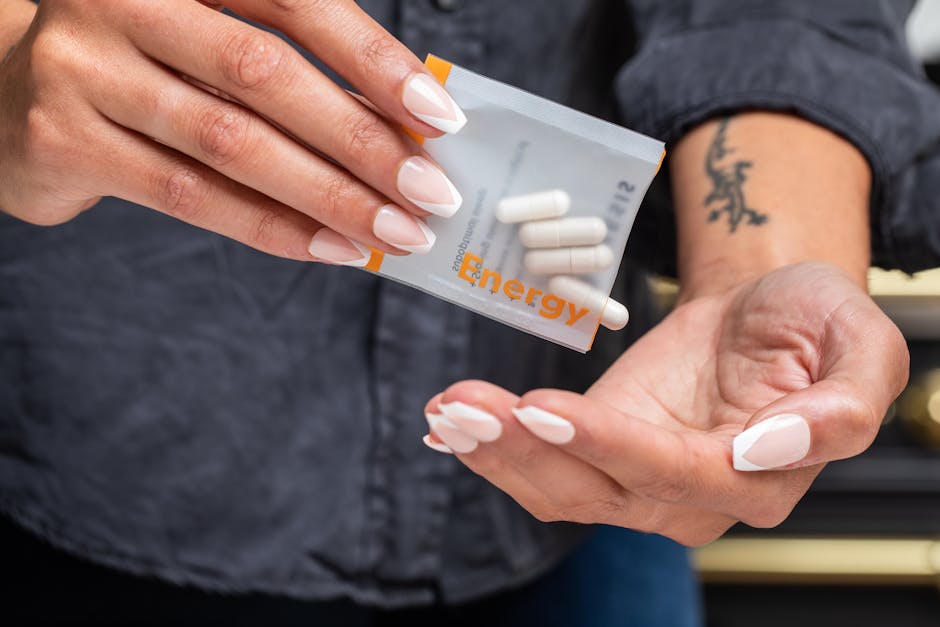
Meal prep has become one of the most practical ways Americans save time, cut food costs, and eat healthier throughout the week. But even the most carefully planned prep sessions can fall short on nutrition if your body is missing key micronutrients and compounds that whole foods sometimes leave behind. This is where the right supplements step in — not as a replacement for good eating, but as a powerful complement to it. Whether you are prepping meals for the week or building a fitness-focused nutrition strategy, knowing which supplements to keep in your kitchen cabinet can make a real difference in how you feel and perform.
Protein Powders: The Foundation of a Well-Rounded Meal Prep Regimen
Protein is the cornerstone of any meal prep plan, and protein powders are one of the most versatile tools you can add to your routine. They blend into smoothies, mix into oatmeal, thicken pancake batter, and even boost the protein content of sauces and soups. The three most common types you will find on store shelves are whey, plant-based, and casein.
- **Whey protein** is the gold standard for most people. It digests quickly, packs around 20–25 grams of protein per scoop, and contains a full amino acid profile that supports muscle recovery.
- **Plant-based protein** powders (typically made from pea, rice, or hemp) have come a long way in flavor and texture. They are ideal for anyone avoiding dairy and work well in mixed fruit smoothies.
- **Casein protein** digests slowly over 6–8 hours, making it the better choice for a bedtime shake. It keeps your muscles supplied with amino acids while you sleep.
A common mistake beginners make is not calculating their actual daily protein needs. Aim for roughly 0.8 to 1 gram of protein per pound of body weight if you are strength training regularly, and use your powder to close that gap rather than guessing.
| Type | Best For | Protein per Scoop | Digestion Speed |
|---|---|---|---|
| Whey | Post-workout recovery | 20–25 g | Fast |
| Plant-based | Dairy-free diets | 15–22 g | Moderate |
| Casein | Overnight recovery | 20–24 g | Slow (6–8 hrs) |
Multivitamins: Ensuring You Are Getting All the Essential Nutrients
Even the most disciplined meal preppers can have gaps in their micronutrient intake. Fresh produce loses nutrients during storage, and certain diets naturally fall short on nutrients like zinc, magnesium, and vitamin D. A daily multivitamin acts as a nutritional safety net for your entire week of cooking.
- **One-a-day multivitamins** are the simplest option. Take one tablet with breakfast and you are covered for most basic nutrient shortfalls.
- **Targeted multivitamins** focus on specific needs such as immune support, energy metabolism, or bone health. These are worth exploring if you have particular health goals or dietary restrictions.
Look for a multivitamin that includes zinc and selenium for immune function, B-complex vitamins for energy metabolism, and at least 1,000 IU of vitamin D, which many Americans are deficient in. If you meal prep vegetarian or vegan foods exclusively, prioritize iron and B12 levels and choose a formula designed for plant-based diets.
Omega-3 Fatty Acids: Supporting Heart and Brain Health
Unless you are eating fatty fish like salmon or sardines two or three times per week, you are likely not getting enough omega-3s in your diet. These essential fatty acids — specifically EPA and DHA — support cardiovascular health, reduce inflammation, and promote brain function. An omega-3 supplement is one of the most evidence-backed additions to any meal prep routine.
- **Fish oil supplements** are the most common source. High-quality products provide at least 1,000 mg of combined EPA and DHA per serving.
- **Algae oil** is a plant-based alternative that delivers omega-3s without any fish products. It is an exc nt choice for vegetarians, vegans, and anyone who prefers marine-sourced nutrition.
A common complaint with fish oil is a fishy aftertaste or burps. Taking your supplement with a meal and choosing a product that uses enteric coating can minimize this issue significantly.
Probiotics: Keeping Your Gut Health in Check
A healthy gut does more than just aid digestion — it influences nutrient absorption, immune function, and even mood regulation. Meal prep often involves cooking food in batches and storing it for several days, which can sometimes disrupt the balance of gut bacteria. Adding a probiotic supplement helps maintain a healthy microbiome so your body can actually absorb the nutrients you are working hard to prepare.
- **Single-strain probiotics** are simpler and a good starting point. Lactobacillus strains are particularly well studied for digestive health.
- **Multi-strain probiotics** combine several bacterial strains for broader gut coverage. They tend to be more effective but also more expensive.
Choose a probiotic with at least 10 billion CFU (colony-forming units) and at least five different strains for the best results. Always check the expiration date on the label — live bacteria lose potency over time. Store your probiotic in the refrigerator if the label instructs you to do so.
Greens Powders: Getting Your Daily Dose of Vegetables
One of the trickiest parts of meal prep is fitting enough vegetables into every dish. Greens powders solve this problem elegantly by condensing servings of spinach, kale, spirulina, and other nutrient-dense greens into a single scoop that you can mix into smoothies, water, or even soups.
- **Superfood blends** combine leafy greens with fruits, antioxidants, and adaptogens for a broad-spectrum nutrition boost.
- **Organic options** are worth paying slightly more for if you want to avoid pesticides and synthetic additives in your supplement routine.
Add one scoop to your morning smoothie and you instantly gain the equivalent of two or three servings of vegetables. This is especially helpful on days when your meal prep schedule gets disrupted and you end up eating fewer vegetables than planned.
Pre-Workout Supplements: Energizing Your Workouts
If you exercise in the morning before work, a pre-workout supplement can give you the energy and focus you need to power through a strength or cardio session. These products typically include compounds that support alertness, endurance, and blood flow to working muscles.
- **Caffeine-free options** rely on ingredients like beta-alanine, citrulline, and beetroot powder to boost performance without stimulants. These are ideal if you are sensitive to caffeine or train in the evening and want to avoid sleep disruption.
- **Stimulant-based options** combine caffeine with other ergogenic aids for maximum energy. Most contain 150–300 mg of caffeine per serving, roughly equivalent to one to two cups of coffee.
Start with a half-serving to assess your tolerance, especially with stimulant-based products. Cycling off every 4–6 weeks helps prevent your body from building a tolerance that dulls the effects over time.
Post-Workout Recovery Supplements
What you do after a workout is just as important as the session itself. Recovery supplements help repair muscle tissue, reduce soreness, and replenish nutrients lost during training so your body is ready for the next session.
- **BCAA (branched-chain amino acid) supplements** deliver leucine, isoleucine, and valine — the three amino acids most directly involved in muscle protein synthesis. A typical dose is 5–10 grams taken during or after your workout.
- **Glutamine supplements** support immune function and help reduce muscle soreness after intense training sessions. This is particularly useful during periods of heavy training when your immune system can take a hit.
If you are already consuming enough protein from your meal prep and protein shakes, you may not need BCAA supplementation separately. However, glutamine can still be a worthwhile addition during high-volume training phases.
Meal Prep-Specific Supplements
Some supplements are uniquely suited to the meal prep lifestyle because they simplify your routine, extend shelf life, or provide quick nutrition on the go.
- **Pre-made meal replacement shakes** come in ready-to-drink bottles or single-serve packets. They are perfect for days when your prepped meals are not accessible and you need something nutritious in under a minute. Look for products with at least 20 grams of protein and a full vitamin/mineral profile.
- **MCT oil** (medium-chain triglyceride oil) mixes seamlessly into coffee, smoothies, or shakes and provides quick-burning energy that supports mental clarity without a caffeine crash. Start with half a tablespoon per serving and work up to one to two tablespoons as your tolerance builds.
These meal-specific supplements are particularly useful for anyone practicing intermittent fasting who needs a quick, calorie-dense option to break a fast without sitting down to a full meal.
Frequently Asked Questions (FAQ)
What are some common mistakes people make when starting a meal prep routine with supplements?
The biggest mistakes are not aligning supplement choices with actual nutritional needs, overestimating how consistently you will use them, and picking products based on flashy marketing rather than ingredient quality. Always read the supplement facts label, check for third-party testing certifications, and choose products that address your specific gaps rather than buying everything on the shelf.
How can I ensure my meal prep routine is successful in the long term?
Consistency beats perfection every time. Start with two or three core supplements — a protein powder, a multivitamin, and a probiotic — and build from there as you learn what your body responds to. Reassess your needs every few months, especially if your training volume or dietary habits change. Keeping supplements visible and organized in your kitchen makes it much easier to take them daily.
Are there any supplements that are specifically designed for meal prep?
While most supplements are not marketed specifically as “meal prep products,” pre-made meal replacement shakes and MCT oil are two of the most practical additions for anyone who meal preps. These products are formulated for convenience, shelf stability, and quick nutrition delivery — exactly what a meal prep lifestyle demands.
How should I store my supplements to keep them fresh during the week?
Most powdered supplements (protein, greens, pre-workout) stay fresh in a cool, dry pantry away from direct sunlight. Liquid supplements and probiotics generally need refrigeration. Always keep containers tightly sealed, check expiration dates before each use, and avoid storing supplements near the stovetop or oven where heat and humidity can degrade active ingredients faster.
Top Product Recommendations
| Product Name | Rating | Key Feature | Est. Price | Action |
|---|---|---|---|---|
| Best Supplements Pick | ★★★★★ | Top-rated overall | $25–$45 | Check Lowest Price on Amazon |
| Budget Supplements Option | ★★★★☆ | Great for beginners | $12–$28 | Check Lowest Price on Amazon |
| Premium Supplements Choice | ★★★★☆ | Pro-level results | $50–$90 | Check Lowest Price on Amazon |
Affiliate Disclosure: This post contains affiliate links. We may earn a commission if you buy through our links, at no extra cost to you. Medical Disclaimer: This content is for informational purposes only and is not medical advice. Consult a healthcare professional before changing diet or exercise.
Leave a Reply