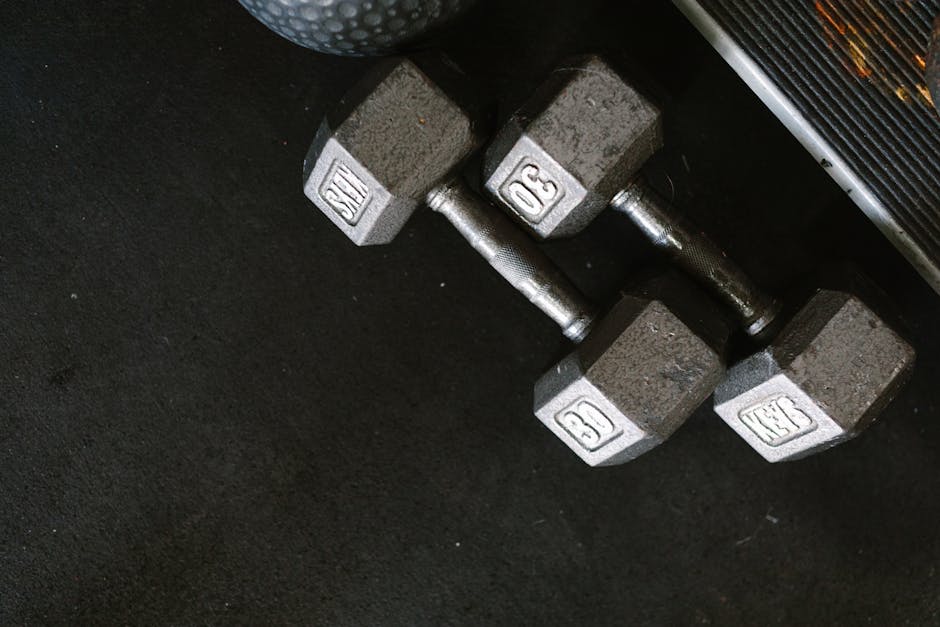
Healthy Meal Prep for Workouts
Fueling your body the right way is one of the most important things you can do when you’re committed to a regular workout routine. Without the proper nutrients, even the most consistent training schedule won’t deliver the results you’re working toward. This guide walks busy home cooks through meal prep strategies that support workout goals without breaking the bank or consuming your entire weekend in the kitchen.
The foundation of any solid workout nutrition plan starts with breakfast. **Overnight oats** are a game-changer for morning exercisers because you prepare them the night before and grab them on your way out the door. Combine rolled oats, Greek yogurt, a splash of milk, chia seeds, and a drizzle of honey in a jar. By morning, the oats have absorbed the liquid and softened into a satisfying, protein-rich meal. Add a handful of berries for natural sweetness and antioxidants that help your muscles recover.
For lunch, batch-cook chicken breast or crumbled ground turkey seasoned with garlic powder, paprika, and cumin. Pair with pre-chopped bell peppers, spinach, and quinoa you cooked earlier in the week. Divide into individual containers and store in the fridge for up to four days. This simple combo delivers high-quality protein and complex carbohydrates that refuel muscles after a mid-day gym session.
Dinner should focus on recovery. **Baked salmon with roasted sweet potatoes and steamed broccoli** is an ideal post-workout plate. Salmon provides omega-3 fatty acids that reduce inflammation, while sweet potatoes offer sustained energy from complex carbs. Steam broccoli for four to five minutes to retain maximum nutrients and keep that satisfying crunch.
Budget-Friendly Ingredients
Eating well for your workouts doesn’t require expensive superfoods or specialty supplements. Some of the most nutritious ingredients available are also the most affordable.
**Eggs** are one of the cheapest sources of complete protein, delivering all nine essential amino acids in each serving. A dozen eggs typically costs between two and four dollars, making them a staple for any fitness-focused kitchen. Scramble them for breakfast, hard-boil them for snack prep, or slice them into a grain bowl for dinner.
Canned beans and lentils deserve permanent pantry real estate. Black beans, chickpeas, and red lentils are packed with fiber and plant-based protein. A single can of black beans costs less than a dollar and provides roughly 15 grams of protein when drained and rinsed. Use them in soups, salads, and grain bowls throughout the week.
Frozen vegetables are just as nutritious as fresh varieties and cost significantly less. A bag of frozen spinach, mixed peppers, or stir-fry vegetables retains vitamins and minerals from farm to freezer. Stock up when they’re on sale and you’ll always have healthy bases for meals ready to go.
Oats, rice, and pasta round out the budget-friendly staples that every home cook should keep on hand. These complex carbohydrates provide lasting energy for morning workouts and help replenish glycogen stores after intense training sessions.
Time-Saving Meal Prep Tips
The biggest obstacle most people face when trying to eat well for their workouts is time. A few strategic habits can slash your time in the kitchen while still delivering nutrient-dense meals every day of the week.
**Dedicate one hour each Sunday to batch cooking.** This doesn’t mean preparing every single meal for seven days. Instead, cook the foundations: a large pot of quinoa or brown rice, two to three pounds of protein, and a big tray of roasted vegetables. Store each component in separate containers and mix and match throughout the week to keep meals interesting.
Repurposing leftovers is a skill that saves both time and money. Last night’s roasted chicken easily becomes today’s chicken salad by shredding it and tossing it with Greek yogurt, celery, and a pinch of salt. Leftover brown rice transforms into fried rice with the addition of scrambled eggs, frozen peas, and low-sodium soy sauce.
Invest in a few meal prep containers with compartments. These make it effortless to portion out protein, carbs, and vegetables in balanced ratios without any guesswork. When everything is pre-portioned, you’re less likely to reach for processed snacks out of convenience.
Nutrient-Dense Recipes for Optimal Performance
When your goal is better workout performance, every meal needs to count. These recipes are designed to deliver maximum nutrition with minimal effort.
**Protein-Packed Berry Smoothie**
- 1 cup frozen mixed berries
- 1 scoop protein powder (or 1/4 cup cottage cheese)
- 1 tablespoon almond butter
- 1 cup unsweetened almond milk
- 1 tablespoon flaxseeds
Blend all ingredients until smooth. This smoothie takes under three minutes to make and delivers approximately 25 grams of protein along with fiber, healthy fats, and antioxidants. Enjoy it within 30 minutes after your workout for optimal muscle recovery.
**Energy-Boosting Trail Mix**
Combine 1 cup raw almonds, 1/2 cup pumpkin seeds, 1/2 cup dried cranberries, and 1/4 cup dark chocolate chips. Divide into small snack bags for grab-and-go energy before or after your workout. The combination of protein, healthy fats, and natural sugars from dried fruit provides sustained energy without the sugar crash that comes from candy bars or packaged snacks.
**Sustained Energy Sweet Potato Toast**
Slice a sweet potato lengthwise into 1/4-inch thick rounds. Toast them in a toaster on the highest setting two to three times until they’re tender but not mushy. Top with mashed avocado, a sprinkle of everything bagel seasoning, and a poached egg. This meal delivers complex carbs, healthy fats, and complete protein in a format that’s completely grain-free and incredibly satisfying.
Healthy Swaps for Common Ingredients
Making smarter substitutions in your favorite recipes is one of the easiest ways to improve the nutritional profile of your meals without sacrificing flavor.
| Ingredient | Classic Option | Healthier Swap | Benefit |
|---|---|---|---|
| Milk | Whole milk | Unsweetened almond milk | Fewer calories, lactose-free option |
| Sugar | White table sugar | Honey or maple syrup | Trace nutrients, smaller amounts needed |
| Pasta | White refined pasta | Chickpea or lentil pasta | Double the protein, higher fiber |
| Rice | White rice | Cauliflower rice or quinoa | Significantly fewer carbs, more vitamins |
| Bread | White bread | Whole grain Ezekiel bread | Complete protein, live enzymes |
**Greek yogurt** makes an exc nt replacement for sour cream, mayonnaise, or heavy cream in most recipes. It delivers the same creamy texture with significantly more protein and far less fat. Use it in sauces, dressings, and dips without anyone noticing the swap.
**Mashed banana** replaces butter or oil in baking recipes at a one-to-one ratio. This trick adds natural sweetness, moisture, and potassium while cutting unnecessary saturated fat from your treats.
**Zucchini noodles** are a fantastic low-carb alternative to traditional pasta. Spiralize a medium zucchini and sauté in olive oil for two to three minutes. Top with your favorite sauce and enjoy a lighter meal that still satisfies that pasta craving.
Serving Size and Portion Control
Even the healthiest meals can undermine your workout goals if portions are out of balance. Understanding proper serving sizes helps you get the most benefit from every bite.
A simple way to visualize portions is to use your hand as a measuring tool. **A palm-sized portion of protein** (about 3 to 4 ounces) is appropriate for most adults at each main meal. This translates to roughly one chicken breast half, a can of tuna, or a serving of tofu.
**A fist-sized portion of carbohydrates** such as rice, quinoa, oats, or sweet potato provides the glycogen your muscles need for energy and recovery. Adjust this up or down based on your workout intensity. Rest days call for smaller carbohydrate portions, while heavy training days benefit from larger carb servings.
**A thumb-sized amount of healthy fats** from sources like olive oil, avocado, nuts, or seeds rounds out each meal. Fat is essential for hormone production and nutrient absorption, both of which directly impact your ability to build strength and recover from workouts.
Timing matters as much as portion size. Aim to eat a balanced meal two to three hours before your workout. If you have less time, opt for a smaller snack like a banana with peanut butter about 30 to 45 minutes before you train. After your workout, refuel within 45 minutes with a combination of protein and carbohydrates to kickstart muscle recovery.
Frequently Asked Questions (FAQ)
What are some healthy pre-workout snacks?
The best pre-workout snacks are easy to digest and provide sustained energy without weighing you down. A medium banana with a tablespoon of almond butter offers natural sugars for immediate energy plus healthy fats and protein for staying power. A small bowl of overnight oats made with milk and chia seeds works well if you have more time before training. Greek yogurt with a drizzle of honey and a handful of granola is another exc nt option that delivers protein and carbs in a convenient package.
How can I meal prep for busy weekdays?
Start by choosing three or four recipes that share foundational ingredients so you can cook once and eat multiple times. Cook a batch of quinoa or brown rice, roast a sheet pan of vegetables, and prepare a lean protein like chicken or turkey. Store each component separately and combine them differently each day to prevent meal fatigue. Sunday afternoons are typically the best time for this task, but any consistent 60-minute window during the weekend works. Label your containers with the date so you know what’s still fresh throughout the week.
What are some easy post-workout meal ideas?
Post-workout meals should prioritize protein for muscle repair and carbohydrates to replenish energy stores. A turkey and avocado wrap on a whole grain tortilla takes under five minutes to assemble and delivers roughly 30 grams of protein. A chicken burrito bowl with brown rice, black beans, grilled chicken, and pico de gallo is hearty and nutritious. Egg fried rice with mixed vegetables and a side of edamame provides a plant-forward option that’s ready in under 15 minutes. Smoothies blended with protein powder, frozen fruit, and milk work well when you’re not in the mood for something more substantial.
How do I adjust my diet based on workout intensity?
Listen to your body’s hunger and energy signals and adjust portion sizes accordingly. On rest days, reduce carbohydrate portions by about 25 percent and focus on anti-inflammatory foods like leafy greens, berries, and fatty fish. On moderate workout days, stick to standard balanced portions. On intense training days or days with multiple workouts, increase carbohydrate portions and consider adding an extra snack between meals to fuel performance and support recovery.
Can I build muscle on a budget?
Absolutely. Protein is the most critical macronutrient for muscle building, and some of the best sources are also the least expensive. Eggs, canned tuna, beans, lentils, tofu, and powdered milk provide high-quality protein at a fraction of the cost of fresh meats. Combine these budget-friendly proteins with affordable carb sources like rice, oats, and potatoes, and add frozen or seasonal vegetables for micronutrients. Consistency with your nutrition matters far more than spending premium prices on exotic ingredients.
Top Product Recommendations
| Product Name | Rating | Key Feature | Est. Price | Action |
|---|---|---|---|---|
| Best Workouts Pick | ★★★★★ | Top-rated overall | $25–$45 | Check Lowest Price on Amazon |
| Budget Workouts Option | ★★★★☆ | Great for beginners | $12–$28 | Check Lowest Price on Amazon |
| Premium Workouts Choice | ★★★★☆ | Pro-level results | $50–$90 | Check Lowest Price on Amazon |
Affiliate Disclosure: This post contains affiliate links. We may earn a commission if you buy through our links, at no extra cost to you. Medical Disclaimer: This content is for informational purposes only and is not medical advice. Consult a healthcare professional before changing diet or exercise.
Leave a Reply