Passover Meal Planning
Planning a nutritious Passover menu requires balancing tradition with modern health needs. Start by mapping out your entire week of meals, focusing on **lean proteins**, **fresh vegetables**, and **whole ingredients** that fit kosher-for-Passover guidelines. A balanced Passover plate should include protein (brisket, chicken, or fish), colorful vegetables, and thoughtful grain alternatives.
Swap heavy matzo meal coatings for almond flour or potato starch to reduce refined carbohydrates while maintaining texture. Replace sugar-laden desserts with naturally sweetened options using dates, honey, or fresh fruit. These simple substitutions cut calories by 20-30% without compromising flavor.
Budget-conscious shoppers should buy **root vegetables in bulk** (potatoes, carrots, beets), purchase whole chickens instead of pre-cut parts, and use seasonal produce. Eggs remain the most affordable protein during Passover, averaging $4-6 per dozen across US markets. Shop sales two weeks before the holiday and freeze items like chicken and beef.
Editor’s pick: springform pan for passover baking — compare options and current availability.
Main Dishes
The centerpiece of your Passover meal deserves attention to both tradition and nutrition. **Herb-crusted roasted chicken** offers 165 calories and 31g protein per 4-ounce serving, making it leaner than traditional brisket (285 calories, 24g protein). Season with rosemary, thyme, and garlic, then roast at 375°F for 90 minutes.
For beef lovers, choose **wine-braised short ribs** cooked low and slow. Trim visible fat before cooking to reduce saturated fat by 40%. Braise with red wine, carrots, and onions for 3-4 hours until fork-tender. The collagen breakdown creates rich flavor without added fats.
Fish options like **honey-glazed salmon** provide omega-3 fatty acids and cook in just 15 minutes. Mix 2 tablespoons honey with 1 tablespoon Dijon mustard and fresh dill. Bake at 400°F for 12-15 minutes until salmon flakes easily. Pair main dishes with roasted vegetables and a fresh salad for complete nutrition.
Side Dishes
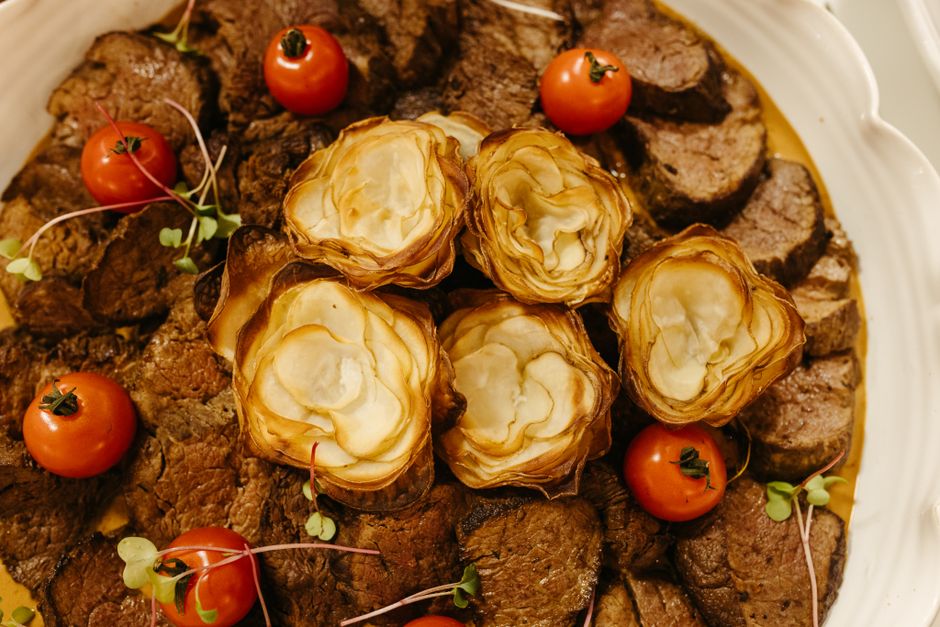
Passover side dishes offer opportunities to pack in vegetables and nutrients. **Roasted root vegetable medley** combines sweet potatoes, parsnips, and beets tossed in olive oil and roasted at 425°F for 35 minutes. This dish provides beta-carotene, fiber, and natural sweetness without added sugar.
Make **cauliflower mash** as a lighter alternative to traditional potato kugel. Steam cauliflower florets for 12 minutes, then blend with garlic, olive oil, and fresh herbs. This swap cuts carbohydrates by 75% while delivering vitamin C and folate. Season generously—cauliflower needs bold flavors.
Prepare sides a day ahead to save time. Roasted vegetables reheat beautifully, and salads stay crisp when dressing is added just before serving. **Asparagus with lemon zest** takes 8 minutes under the broiler and adds elegant color to your table. Blanch green beans in advance, then quickly sauté with shallots before serving.
Desserts
Passover desserts can satisfy sweet cravings while incorporating wholesome ingredients. **Flourless chocolate cake** made with dark chocolate (70% cacao), eggs, and a touch of honey delivers antioxidants and rich flavor. Bake at 350°F for 25 minutes in a springform pan lined with parchment paper.
Substitute almond flour for matzo cake meal in brownies and cookies to increase protein and healthy fats. **Almond macaroons** require just egg whites, almond flour, honey, and vanilla—no refined sugar needed. Pipe onto parchment paper and bake at 325°F for 18-20 minutes until golden.
For fresh options, try **poached pears in wine sauce**. Simmer peeled pears in sweet wine with cinnamon sticks for 30 minutes. Serve chilled with a drizzle of reduced poaching liquid. This dessert contains natural fruit sugars and minimal added sweeteners. Present desserts on white platters with fresh mint garnish for visual appeal.
Snacks
Healthy Passover snacks keep energy stable between meals. **Deviled eggs with avocado** replace mayonnaise with mashed avocado, adding healthy fats and cutting saturated fat by 60%. Mash 6 yolks with half an avocado, paprika, and mustard. Pipe back into whites and refrigerate.
Compare homemade versus store-bought options:
| Snack Type | Homemade (per serving) | Store-Bought (per serving) | Savings |
|---|---|---|---|
| Matzo pizza | 180 cal, $0.40 | 240 cal, $1.20 | $0.80, 60 cal |
| Trail mix | 150 cal, $0.60 | 210 cal, $1.50 | $0.90, 60 cal |
| Veggie sticks with hummus | 120 cal, $0.75 | 180 cal, $2.00 | $1.25, 60 cal |
**Cinnamon-roasted nuts** cost just $3 per pound when made at home. Toss almonds or pecans with egg white, cinnamon, and a touch of honey, then roast at 300°F for 20 minutes. Store in airtight containers for up to two weeks.
Beverages
Refreshing beverages enhance your Passover celebration without adding empty calories. **Sparkling citrus water** combines fresh lemon, lime, and orange slices in cold sparkling water. Add fresh mint leaves and refrigerate for 2 hours to infuse flavors naturally.
Brew **herbal iced tea** using chamomile, mint, or rooibos. These caffeine-free options provide antioxidants and stay fresh for 3-4 days refrigerated. Sweeten with honey or skip sweeteners entirely—most guests appreciate unsweetened options.
Create a **berry-infused mocktail bar** for Seder night. Muddle fresh strawberries and blueberries with basil leaves, add sparkling grape juice, and serve over ice. Garnish with fruit skewers for Instagram-worthy presentation. Use clear glass pitchers to showcase colorful ingredients, and offer drinks in wine glasses with fresh herb garnishes.
Food Allergies and Intolerances
Accommodating dietary restrictions during Passover requires planning but remains entirely achievable. For **gluten-free needs**, Passover naturally eliminates wheat, but watch for cross-contamination in shared kitchens. Use separate cutting boards and designate allergen-free cooking zones.
**Nut-free Passover cooking** replaces almond flour with potato starch or tapioca flour in baking. Make coconut macaroons instead of almond versions, using shredded coconut, egg whites, and honey. These modifications maintain traditional textures while eliminating common allergens.
For **dairy-free guests**, substitute coconut oil or avocado oil for butter in most recipes. Many traditional Passover dishes are naturally dairy-free, including roasted meats, vegetable sides, and fruit desserts. Label dishes clearly at your Seder table using small cards noting major allergens. When cooking for multiple restrictions, prepare one fully allergen-free main dish everyone can enjoy—roasted chicken with herbs and roasted vegetables accommodates most needs. Communicate with guests two weeks before the holiday to plan appropriate substitutions.
Frequently Asked Questions
Q: What are some healthy and delicious recipes for Passover 2026?
A: Focus on **herb-roasted chicken** (165 calories per serving), **cauliflower mash** (60 calories per cup), and **flourless chocolate cake** made with dark chocolate and minimal sugar. These recipes balance traditional flavors with modern nutrition needs, providing lean protein, vegetables, and controlled portions.
Q: How can I make traditional Passover dishes healthier without sacrificing flavor?
A: Replace matzo meal with almond flour to add protein and healthy fats while reducing refined carbohydrates. Trim visible fat from brisket and short ribs before cooking, cutting saturated fat by 40%. Use fresh herbs, garlic, and citrus zest generously to boost flavor without adding calories—these seasonings make lean preparations taste indulgent.
Q: What are some budget-friendly ingredients for creating nutritious Passover meals?
A: Buy **root vegetables in bulk** (potatoes, sweet potatoes, carrots, beets) at $1-2 per pound, purchase whole chickens instead of parts (saves $2-3 per pound), and stock up on eggs during pre-holiday sales. Seasonal produce like asparagus and strawberries peak in April, offering better prices and flavor during Passover week.
Top Product Recommendations
| Product Name | Rating | Key Feature | Est. Price | Action |
|---|---|---|---|---|
| Top-rated springform pan for passover baking | ★★★★★ | Editor-recommended springform pan for passover baking from this guide | $18–$42 | Check Lowest Price on Amazon |
| Best-value kosher for passover almond flour | ★★★★☆ | Affordable kosher for passover almond flour — strong everyday results | $12–$28 | Check Lowest Price on Amazon |
| Premium passover kosher wine for cooking | ★★★★☆ | Higher-end passover kosher wine for cooking for visible, lasting results | $45–$95 | Check Lowest Price on Amazon |
Affiliate Disclosure: This post contains affiliate links. We may earn a commission if you buy through our links, at no extra cost to you.
Leave a Reply