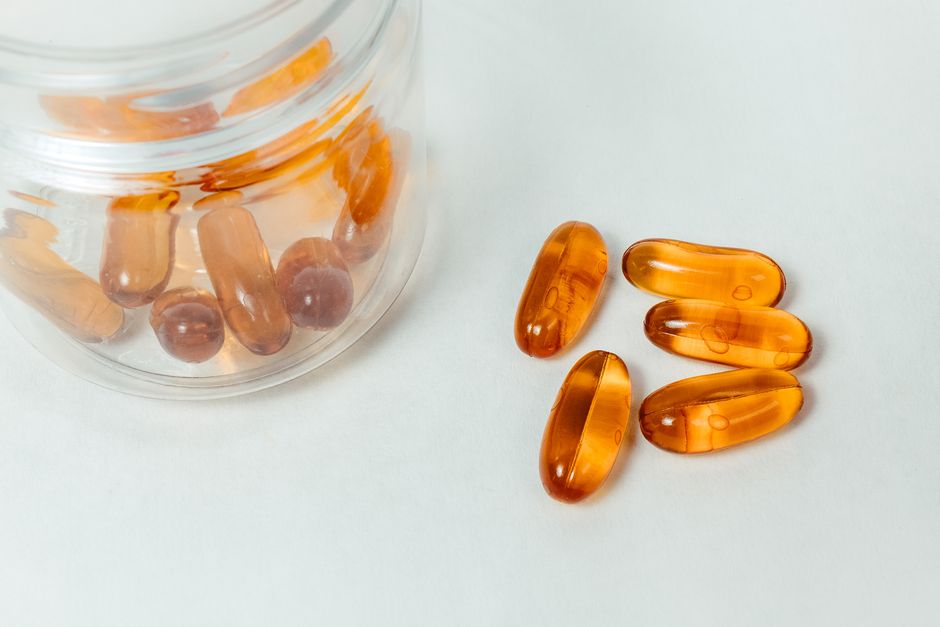
Understanding Supplement Labels
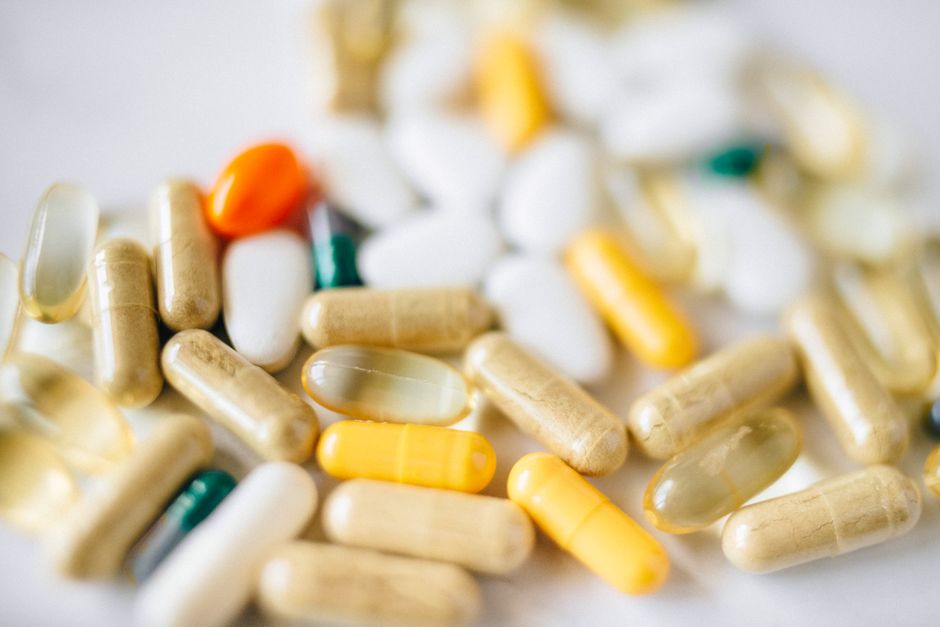
Navigating supplement labels can feel overwhelming, but knowing what to look for protects your health and wallet. The **Supplement Facts** panel lists active ingredients, serving sizes, and percentages of Daily Values based on a 2,000-calorie diet. Check the ingredient list carefully—items appear in descending order by weight, so the first few ingredients make up most of the product.
Health claims like “supports immune function” differ from treatment claims, which the FDA regulates strictly. Marketing terms such as “natural,” “pure,” or “clinical strength” often lack legal definitions and may not guarantee quality. According to consumer watchdog groups, approximately 20% of supplements contain ingredients not listed on the label.
Look for third-party certification seals from **USP, NSF International, or ConsumerLab**. These organizations test for purity, potency, and contaminant levels. Expiration dates matter too—expired supplements lose effectiveness and may develop harmful compounds. Store supplements in cool, dry places away from direct sunlight to maintain potency.
Editor’s pick: USP certified multivitamin — compare options and current availability.
Choosing the Right Supplements for Your Needs
Identifying nutritional gaps starts with honest assessment of your diet and lifestyle. Keep a three-day food diary noting everything you eat and drink. Compare your intake against USDA recommended values for vitamins, minerals, and macronutrients. Common American deficiencies include **vitamin D, magnesium, omega-3 fatty acids, and fiber**.
Your age, gender, activity level, and health conditions determine specific needs. Women of childbearing age need extra iron and folate, while older adults require more calcium, vitamin D, and B12. Vegans typically need B12 supplementation since it occurs naturally only in animal products. Athletes and highly active individuals may benefit from increased protein, electrolytes, and branch-chain amino acids.
Consult a healthcare provider before starting any supplement regimen, especially if you take prescription medications. Blood tests can reveal deficiencies that symptoms alone might miss. A registered dietitian can design a personalized supplement plan that complements your diet rather than replacing whole foods. Reddit communities like r/Supplements share experiences, but individual biochemistry varies—what works for others may not suit you.
Best Supplements for Overall Health in 2026
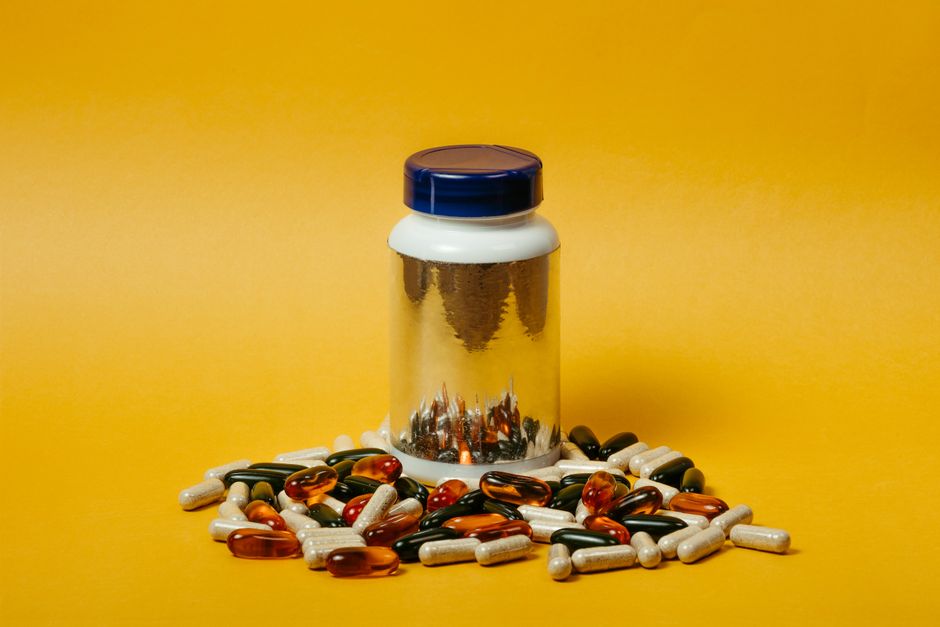
Multivitamins serve as nutritional insurance for busy Americans who struggle to eat balanced meals daily. Quality multivitamins contain **essential vitamins A, C, D, E, K, and B-complex**, plus minerals like zinc, selenium, and chromium. Look for gender-specific formulas that address different nutritional needs—men’s versions typically contain less iron, while women’s formulas include extra calcium and iron.
Omega-3 fatty acids from fish oil or algae support cardiovascular health, brain function, and reduce inflammation throughout the body. The American Heart Association recommends two servings of fatty fish weekly, but supplements offer a convenient alternative. Choose products providing at least **1,000 mg combined EPA and DHA** per serving. Molecularly distilled fish oil removes mercury and other contaminants found in some seafood.
Probiotics maintain gut health by balancing beneficial bacteria in your digestive system. Research links gut health to immune function, mental health, and nutrient absorption. Effective probiotic supplements contain multiple strains with **at least 10 billion CFUs** (colony-forming units). Refrigerated probiotics generally maintain viability better than shelf-stable versions. Take probiotics on an empty stomach for maximum survival through stomach acid.
Supplements for Weight Management and Fitness
Protein powders help meet increased protein needs for muscle building, recovery, and satiety during weight loss. **Whey protein** digests quickly, making it ideal post-workout, while casein releases slowly for sustained amino acid delivery. Plant-based options from pea, rice, or hemp suit vegans and those with dairy sensitivities. Aim for 20-30 grams of protein per serving with minimal added sugars—many flavored powders contain unnecessary sweeteners.
Thermogenic supplements claim to boost metabolism through ingredients like caffeine, green tea extract, and capsaicin. While caffeine does increase energy expenditure modestly, effects are temporary and tolerance develops quickly. According to research published in obesity journals, thermogenics may support an extra 50-100 calories burned daily—helpful but not transformative. Focus on sustainable diet and exercise habits rather than relying on metabolism boosters.
Pre-workout supplements containing **caffeine, beta-alanine, and citrulline** enhance energy, delay fatigue, and improve blood flow to muscles. Take pre-workouts 20-30 minutes before training for peak effectiveness. Post-workout recovery supplements combine protein with fast-digesting carbohydrates to replenish glycogen stores and initiate muscle repair. Chocolate milk offers similar benefits at a fraction of the cost for recreational exercisers.
Budget-Friendly Supplement Options
Quality supplements don’t require premium prices if you know where to look. Store brands from **Costco’s Kirkland Signature, Amazon’s Solimo, or Target’s Up&Up** often match name-brand quality at 30-50% lower costs. These retailers contract with the same manufacturers producing expensive brands. Check for USP or NSF certification regardless of price point.
Buying in bulk saves money when you’ve confirmed a supplement works for you. Three-month supplies typically offer better per-dose pricing than 30-day bottles. Subscribe-and-save programs from online retailers provide additional 10-20% discounts on regular deliveries. Stack manufacturer coupons with store sales—apps like Ibotta and Rakuten offer cash back on supplement purchases.
Prioritize supplements addressing your specific needs rather than buying everything marketed to you. A targeted approach costs less and reduces pill fatigue. Generic versions of popular supplements contain identical active ingredients at lower prices. Focus your budget on high-quality forms of nutrients with proven absorption—for example, methylcobalamin B12 over cheaper cyanocobalamin.
Incorporating Supplements into Your Meal Plan
Protein powder transforms into more than post-workout shakes when added to everyday recipes. Mix unflavored powder into **oatmeal, yogurt bowls, or pancake batter** for extra protein without changing flavors significantly. Chocolate or vanilla protein powder works in smoothies, homemade protein bars, or even savory dishes like protein-enriched mashed potatoes. Start with small amounts to adjust texture preferences.
Green smoothies disguise vegetable-based supplements while delivering fruits and vegetables. Blend spinach, frozen berries, banana, almond milk, protein powder, and a tablespoon of flaxseed for a nutrient-dense breakfast. Add powdered greens supplements for concentrated vegetable nutrition. Frozen fruit keeps smoothies cold without diluting flavor like ice does.
Timing supplement intake with meals improves absorption and reduces stomach upset. Fat-soluble vitamins **(A, D, E, K) absorb best with dietary fat**—take them with meals containing olive oil, nuts, or avocado. Iron supplements cause nausea on empty stomachs, so pair them with vitamin C-rich foods like orange juice to enhance absorption. Calcium interferes with iron absorption, so separate these supplements by at least two hours.
Tracking Supplement Efficacy and Adjusting as Needed
Maintaining a supplement journal helps identify what works and what wastes money. Record the supplement name, dosage, time taken, and any noticeable effects—positive or negative. Track energy levels, sleep quality, digestive changes, and workout performance. After 6-8 weeks, patterns emerge showing which supplements deliver value. Most supplements require consistent use for 4-6 weeks before benefits appear.
Objective measurements provide clearer feedback than subjective feelings alone. Track body weight, body fat percentage, sleep duration, workout weights lifted, or running distances. Blood work every 6-12 months confirms whether vitamin D, B12, or iron levels have improved. Compare pre-supplementation baseline measurements to current status for concrete evidence of effectiveness.
Adjust your regimen when supplements cause side effects or fail to deliver expected benefits after three months. Reduce dosages if experiencing digestive upset, headaches, or restlessness. Some nutrients work better in smaller divided doses throughout the day rather than one large serving. Discontinue supplements that show no measurable improvement—your body may not need them, or the form may poorly absorb. Periodic breaks help assess whether you still need certain supplements.
Frequently Asked Questions
Q: What are the most common mistakes people make when starting a supplement regimen?
A: The biggest mistake is taking too many supplements at once without establishing baseline needs. Start with one or two targeted supplements addressing specific deficiencies rather than a cabinet full of bottles. Not researching proper dosages leads to either ineffective under-dosing or potentially harmful mega-dosing. Many people also quit after two weeks, before supplements have time to build up in the body and produce noticeable effects. Finally, taking supplements inconsistently—remembering some days but forgetting others—prevents achieving steady blood levels needed for results.
Q: How can I ensure that I’m getting high-quality supplements?
A: Look for third-party testing certifications from **USP (United States Pharmacopeia), NSF International, or ConsumerLab** on product labels. These organizations independently verify that supplements contain listed ingredients at stated potencies without harmful contaminants. Purchase from established retailers rather than unknown online s rs offering prices that seem too good to be true. Check the FDA’s website for recalled supplements or warning letters sent to manufacturers. Read recent customer reviews mentioning lab testing results or noticeable effects rather than just generic praise. Reputable brands invest in quality control and transparent sourcing, which usually reflects in moderate pricing—extremely cheap supplements often cut corners.
Q: Are there any supplements that should be avoided altogether?
A: Avoid supplements making miracle claims like “lose 30 pounds in 30 days” or “cure diabetes naturally”—these violate FDA regulations and often contain undisclosed prescription drugs or dangerous compounds. Stay away from proprietary blends that hide individual ingredient amounts, making it impossible to know what you’re actually taking. Supplements marketed primarily through multi-level marketing schemes tend to be overpriced and under-researched. The FDA maintains a list of tainted supplements containing hidden pharmaceutical ingredients—check it before trying unfamiliar brands. Skip supplements with extremely long ingredient lists containing dozens of herbs and compounds—more ingredients mean higher chances of interactions and side effects with minimal benefit from trace amounts of each component.
Top Product Recommendations
| Product Name | Rating | Key Feature | Est. Price | Action |
|---|---|---|---|---|
| Top-rated USP certified multivitamin | ★★★★★ | Editor-recommended USP certified multivitamin from this guide | $18–$42 | Check Lowest Price on Amazon |
| Best-value omega-3 fish oil supplement | ★★★★☆ | Affordable omega-3 fish oil supplement — strong everyday results | $12–$28 | Check Lowest Price on Amazon |
| Premium probiotic supplement 10 billion CFU | ★★★★☆ | Higher-end probiotic supplement 10 billion CFU for visible, lasting results | $45–$95 | Check Lowest Price on Amazon |
Affiliate Disclosure: This post contains affiliate links. We may earn a commission if you buy through our links, at no extra cost to you. Medical Disclaimer: This content is for informational purposes only and is not medical advice. Consult a healthcare professional before changing diet or exercise.
Leave a Reply