
Whole Foods vs. Supplements
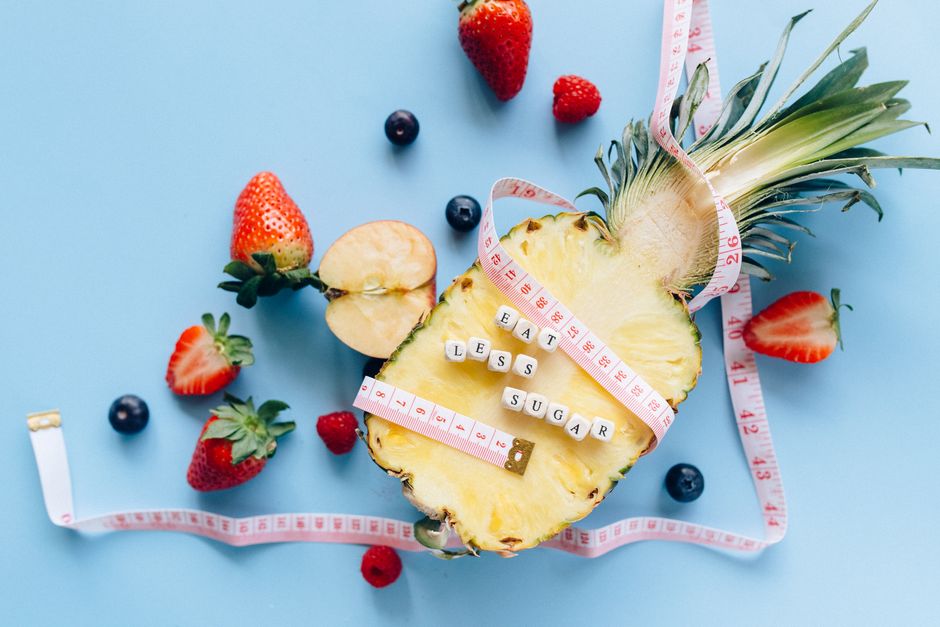
Before reaching for a capsule, it’s worth understanding what whole foods already do for weight management. Foods like leafy greens, legumes, lean proteins, and fiber-rich grains regulate hunger hormones, slow digestion, and support a healthy metabolism naturally. The bioavailability of nutrients from whole foods — meaning how much your body actually absorbs — is generally higher than from isolated supplements.
That said, supplements can fill genuine gaps. Busy schedules, dietary restrictions, or specific nutrient deficiencies can make it difficult to get everything from food alone. The key is treating supplements as exactly that: a supplement to a solid diet, not a replacement for one.
- Whole foods provide fiber, phytonutrients, and synergistic compounds supplements can’t replicate
- Supplements offer convenience and concentrated doses for specific deficits
- Neither whole foods nor supplements alone produce weight loss without a caloric strategy
- **Best approach:** Use food as your foundation and supplements to address specific, documented gaps
For more on building a solid nutritional base, explore our supplements guide to find what genuinely fills the gaps in your diet.
Quick pick: Compare top-rated Supplements options.
Popular Weight Loss Supplements in 2026
The supplement aisle is packed with options, but a handful of ingredients dominate the conversation. Here’s a quick rundown of the most widely marketed ones heading into 2026.
**Green tea extract** is one of the better-studied options. It contains EGCG (epigallocatechin gallate), a compound linked to modest increases in fat oxidation and metabolic rate. **Garcinia cambogia**, derived from a tropical fruit rind, was once hyped heavily but has produced underwhelming results in controlled trials. **Raspberry ketones** sound compelling in marketing copy but have virtually no human clinical evidence supporting their effectiveness.
**Conjugated linoleic acid (CLA)** shows modest effects on body composition in some studies, particularly for reducing fat mass while preserving lean muscle — but effects are small and inconsistent. **Bitter orange extract** (synephrine) is often positioned as an ephedra alternative and may offer a slight thermogenic effect, though it carries cardiovascular considerations worth discussing with a doctor.
- Green tea extract: **modest evidence**, most consistent of the group
- Garcinia cambogia: widely marketed, poorly supported by trials
- Raspberry ketones: minimal human data, largely animal studies
- CLA: small body composition benefits, inconsistent results
- Bitter orange: possible thermogenic effect, requires caution
Reading Supplement Research the Right Way
When evaluating any supplement claim, the quality of the underlying research matters enormously. A single small study funded by the manufacturer is not the same as a large, randomized, placebo-controlled trial published in a peer-reviewed journal. Learning to read between the lines is a practical skill for any supplement shopper.
Look for studies with adequate sample sizes (typically 100+ participants), double-blind placebo controls, and results published independently of the supplement manufacturer. **Meta-analyses** — studies that pool data from multiple trials — carry the most weight. Sites like PubMed, the NIH Office of Dietary Supplements, and Examine.com are reliable starting points for US consumers.
Interpreting results also requires context. A supplement that produces a statistically significant result may still have a clinically insignificant effect — for example, 0.5 lbs of additional weight loss over 12 weeks compared to placebo. **Effect size matters** as much as statistical significance.
- Peer-reviewed journals > manufacturer white papers
- Double-blind, placebo-controlled trials are the gold standard
- Meta-analyses provide the strongest level of evidence
- Always check who funded the study
Combining Supplements with a Healthy Diet
No supplement works in a vacuum. The most evidence-backed weight loss supplements show their strongest results when combined with a **calorie-controlled diet and regular physical activity**. Think of supplementation as a potential 5–10% advantage layered on top of solid fundamentals — not a shortcut that bypasses them.
Timing and dosage matter more than most people realize. Green tea extract, for example, is often more effective when taken before exercise. Protein powders are most useful when they help you hit a daily protein target you’d otherwise miss. Taking supplements randomly without a plan tends to produce inconsistent results and wasted money.
Be mindful of potential interactions, especially if you take prescription medications. Certain supplements affect liver enzymes that metabolize drugs, and some (like bitter orange or high-dose caffeine-containing products) can compound cardiovascular stress when stacked together.
- Pair supplements with a whole-food-based, calorie-aware meal plan
- Time intake around meals or workouts when evidence supports it
- Avoid stacking multiple stimulant-containing products
- Disclose all supplements to your doctor or pharmacist
Supplement Safety and Side Effects
The FDA regulates dietary supplements differently from prescription drugs — manufacturers don’t need to prove safety or efficacy before selling a product. This regulatory gap means **consumer vigilance is essential**. Third-party testing seals from organizations like USP, NSF International, or Informed Sport indicate that a product has been independently verified for purity and label accuracy.
Common side effects vary by ingredient. Stimulant-based supplements (caffeine, bitter orange) can cause elevated heart rate, anxiety, and sleep disruption. Fat-soluble vitamins taken in excess accumulate in the body and can reach toxic levels. GI upset is a frequent complaint with many weight loss supplements, particularly those containing high-dose fiber or certain herbal extracts.
Red flags include proprietary blends that obscure individual ingredient doses, products making dramatic claims like “guaranteed 30 lbs in 30 days,” and supplements sold exclusively through infomercials or multi-level marketing channels. Check the FDA’s recall database at fda.gov periodically for any products you’re using.
- Look for **USP, NSF, or Informed Sport** third-party certification seals
- Stimulants can worsen anxiety, heart rate, and blood pressure
- Avoid products with proprietary blends that hide dosages
- Consult a healthcare provider before starting any new supplement regimen
Evidence at a Glance
| Supplement | Evidence Level | Typical Effect | Key Concern |
|---|---|---|---|
| Green Tea Extract | Moderate | Small ↑ fat oxidation | Liver stress at high doses |
| Protein Powder | Strong | Supports satiety & muscle | Calorie addition if over-used |
| CLA | Low-Moderate | Minor body comp change | Inconsistent results |
| Garcinia Cambogia | Low | Minimal real-world effect | GI side effects |
| Bitter Orange | Low-Moderate | Slight thermogenic | Cardiovascular risk |
| Raspberry Ketones | Very Low | Unproven in humans | Lack of human trials |
Budget-Friendly Shopping Tips
You don’t need to spend a fortune to cover your bases. Generic or store-brand versions of well-researched supplements like vitamin D, magnesium, or protein powder are often manufactured in the same facilities as premium brands and meet the same label standards. **Price per serving**, not price per bottle, is the right metric to compare.
Subscription services from reputable retailers often cut 15–20% off repeat orders. Buying in bulk for non-perishable supplements with long shelf lives (like creatine or fiber supplements) reduces per-unit cost significantly. Avoid supplement bundles or “stacks” sold as a package — they typically mark up individual components and include ingredients you don’t need.
- Compare **price per serving**, not bottle price
- Third-party certified generics are often equal quality to premium brands
- Subscribe-and-save options reduce costs on staples you use consistently
- Avoid bundled stacks — pay only for what you actually need
How to Store Supplements for Maximum Potency
Proper storage directly affects potency. Most supplements should be kept in a **cool, dry place away from direct sunlight** — not in a steamy bathroom cabinet or next to the stove. Heat, moisture, and UV light degrade active compounds over time, meaning that bottle you bought six months ago may be significantly less effective than when you opened it.
Building supplements into your daily routine improves consistency. Setting out your daily supplements next to your coffee maker or meal prep containers creates a visual cue. Pre-portioning protein powder into individual bags or containers saves time on busy mornings and reduces the chance of skipping a dose.
Check expiration dates seriously — unlike some foods, supplement potency genuinely degrades past the printed date. Omega-3 fish oils are particularly prone to oxidation and should be refrigerated after opening. Probiotics, similarly, often require refrigeration to maintain live cultures.
- Store supplements away from heat, moisture, and light
- Refrigerate fish oils and probiotics after opening
- Use visual cues (placing supplements near coffee maker) to build consistency
- Check and rotate stock by expiration date regularly
Realistic Expectations: What the Science Actually Shows
Real-world weight loss success stories that involve supplements share a common thread: **the supplement was never the main driver**. The people who see results consistently report that dietary changes and activity increases did the heavy lifting, with certain supplements providing a marginal but meaningful edge — particularly for energy, satiety, or hitting protein targets.
In controlled research settings, even the best-performing weight loss supplements rarely exceed 2–5 lbs of additional loss over placebo across a 12-week trial. That’s not nothing, but it reframes the role supplements should play. For someone who has their diet and exercise dialed in, a well-chosen supplement might make a real difference. For someone relying on a supplement to compensate for a poor diet, the math simply doesn’t work.
The most motivating real-world outcomes come from readers who used supplements as **accountability anchors** — the act of taking a morning supplement reinforced their broader commitment to their health goals. That behavioral effect, while not biochemical, is genuinely valuable.
- Supplements in success stories were always paired with diet and movement changes
- Clinical trials show 2–5 lbs additional loss over placebo at best
- Behavioral reinforcement from a supplement routine has real value
- Set realistic expectations: supplements are a multiplier, not a foundation
Browse our full supplements category for evidence-based guidance on building a smart supplementation strategy.
Frequently Asked Questions (FAQ)
Q: What are some common misconceptions about weight loss supplements?
The biggest misconception is that supplements work independently of diet and exercise. No supplement meaningfully overcomes a caloric surplus. Another common myth is that “natural” automatically means safe — many natural compounds carry real side effects and drug interactions at supplemental doses.
Q: How can I ensure I’m buying a high-quality supplement?
Look for third-party certification seals from USP, NSF International, or Informed Sport on the label. These organizations independently verify that the product contains what it claims at the stated doses and is free of common contaminants. Avoid products that rely solely on testimonials or hide ingredient doses inside proprietary blends.
Q: Are there any supplements that should be avoided for weight loss?
Approach any supplement containing **high-dose stimulants** — particularly those combining multiple stimulant ingredients — with caution, especially if you have cardiovascular concerns or take prescription medications. Products making extreme claims (dramatic weight loss in short timeframes) are almost always unsupported by evidence and may contain undisclosed or harmful ingredients.
Top Product Recommendations
| Product Name | Rating | Key Feature | Est. Price | Action |
|---|---|---|---|---|
| Top-rated green tea extract supplement | ★★★★★ | Editor-recommended green tea extract supplement from this guide | $18–$42 | Check Lowest Price on Amazon |
| Best-value protein powder for weight loss | ★★★★☆ | Affordable protein powder for weight loss — strong everyday results | $12–$28 | Check Lowest Price on Amazon |
| Premium Garcinia cambogia weight loss | ★★★★☆ | Higher-end Garcinia cambogia weight loss for visible, lasting results | $45–$95 | Check Lowest Price on Amazon |
Affiliate Disclosure: This post contains affiliate links. We may earn a commission if you buy through our links, at no extra cost to you. Medical Disclaimer: This content is for informational purposes only and is not medical advice. Consult a healthcare professional before changing diet or exercise.
Leave a Reply