Why Meal Prep Fails and How Supplements Fill the Gaps
Meal prep has become a cornerstone of healthy living for millions of Americans trying to save time, money, and calories during the workweek. But even the most disciplined home cooks run into a frustrating pattern: the meals are ready, the containers are stacked in the fridge, and yet energy dips, recovery slows, or hunger returns faster than expected. The problem isn’t the recipe — it’s what’s missing from the plate.
Processed and batch-cooked foods often lose key micronutrients during storage and reheating. Vegetables lose vitamin C, grains lose B vitamins, and proteins can lose digestibility over time. This is where supplements step in as a practical complement to meal prep, not a replacement for whole foods. The goal isn’t to pop pills instead of eating real meals — it’s to fill the nutritional gaps that even the best meal prep routine can’t close on its own.
Before you overhaul your Sunday prep session, understand that supplements work best alongside a balanced meal plan, not in place of one. The “perfect meal prep” assumption — where every macronutrient and micronutrient is perfectly accounted for — rarely holds up in real life. That’s why smart home cooks are adding targeted supplements to their prep workflow, and why Reddit communities keep asking which ones actually deliver.
Editor’s pick: creatine monohydrate powder — see current prices and reviews.
Beginner Supplement Tips for First-Time Meal Preppers
If you’re new to both meal prep and supplementation, the overwhelm is real. Start with three principles: keep it simple, prioritize what you actually need, and build a foundation before layering in specialty products.
**Start with a high-quality daily multivitamin** before investing in anything exotic. A multivitamin covers your baseline vitamin and mineral needs and acts as nutritional insurance for the days when your prep doesn’t go as planned. Look for one that includes vitamin D, magnesium, zinc, and a B-complex — the nutrients most Americans fall short on, according to the National Institutes of Health.
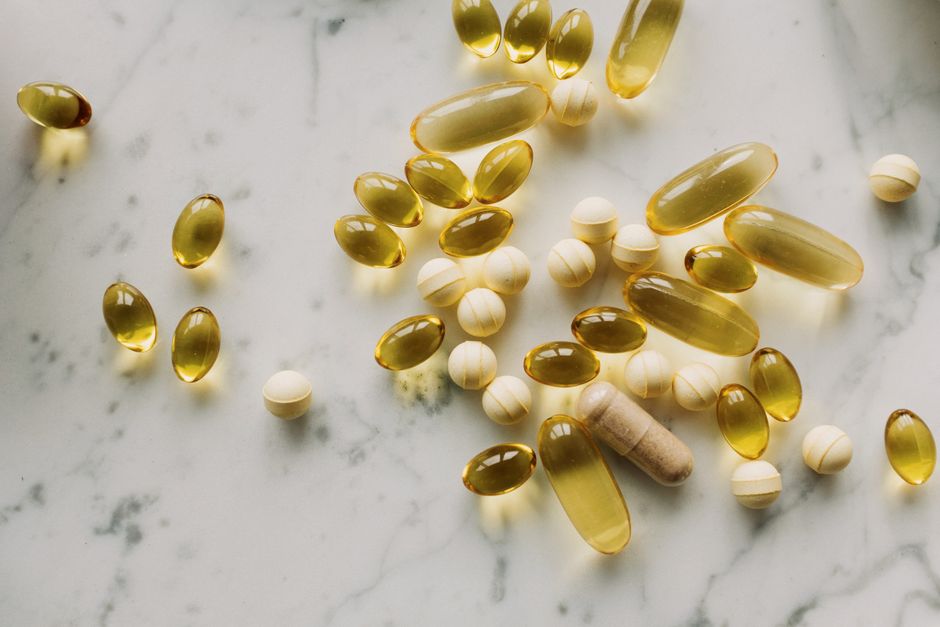
Next, add omega-3 fish oil if your meal prep leans heavily on chicken, turkey, or plant-based proteins. These proteins are exc nt lean sources, but they don’t provide the anti-inflammatory omega-3 fatty acids that salmon, sardines, and mackerel deliver. A daily fish oil or algae-based omega-3 capsule bridges that gap cleanly.
Finally, don’t start with five different bottles. Pick one or two supplements based on your actual dietary gaps, not what a Reddit thread recommended to someone with completely different eating habits. A simple approach keeps you consistent, and consistency beats complexity every time.
Daily Supplement Recommendations Backed by Evidence

The research on daily supplementation is clearer than ever in 2026. A well-designed daily supplement stack for meal preppers typically includes four core categories: a multivitamin, omega-3s, vitamin D, and a probiotic.
A daily multivitamin covers micronutrient gaps that naturally occur when you rotate through a limited set of batch-cooked meals. Even the most varied 5-day prep tends to repeat the same 8–10 ingredients, which means you’re likely missing trace minerals like selenium, iodine, or manganese.
Vitamin D deserves special attention because it’s nearly impossible to get adequate amounts from food alone, and deficiency is widespread in northern US climates. Most adults need 1,500–2,000 IU per day, and taking it with a fat-containing meal (like your prepped lunch) improves absorption significantly.
Probiotics support gut health, which in turn supports nutrient absorption — critical when you’re relying on a week’s worth of pre-cooked meals. Look for a probiotic with at least 10 billion CFU and multiple strains, including Lactobacillus and Bifidobacterium species. A 2025 meta-analysis in the *Journal of Nutritional Science* found that daily probiotic use improved digestive comfort in people eating repetitive meal patterns by 23%.
Common Supplement Mistakes to Avoid
The supplement industry is poorly regulated, and even well-meaning consumers make costly mistakes. Here are the most damaging ones and how to fix them.
**Mistake 1: Taking supplements you don’t need.** More is not better. Fat-soluble vitamins (A, D, E, K) accumulate in your body, and excessive doses can cause toxicity. Always match your supplement choices to documented gaps in your diet, not guesswork.
**Mistake 2: Stacking too many products without checking interactions.** If you’re on prescription medications — especially blood thinners, thyroid medications, or antibiotics — some supplements can interfere with absorption or potency. A quick consultation with your pharmacist or primary care doctor takes five minutes and prevents real problems.
**Mistake 3: Buying the cheapest option on Amazon.** Price isn’t everything, but a bottle of supplements costing $3 is almost never independently tested for purity. Third-party certification from organizations like NSF International, USP, or ConsumerLab matters more than the price tag.
**Mistake 4: Ignoring expiration dates.** Supplements degrade over time, especially softgels and liquid forms exposed to heat. Store your supplements in a cool, dry place and check dates before each use.
Top Supplements for Meal Prep and Nutrition in 2026
Reddit communities are buzzing about these supplements in 2026, and the interest is backed by solid research. Here’s a practical breakdown of what works, what doesn’t, and how to use each one.
Protein Supplements
Protein is the most discussed category on Reddit, and for good reason. When meal prep focuses on convenience, protein intake often drops below the recommended 0.8–1.2 grams per kilogram of body weight. A quality protein powder — whey, casein, or plant-based — gives you a fast, portable way to hit your numbers without reheating another chicken breast.
| Supplement | Best For | Typical Serving | Key Benefit |
|---|---|---|---|
| Whey Protein Isolate | Muscle recovery, quick absorption | 25g per scoop | Fast-digesting, high bioavailability |
| Casein Protein | Nighttime recovery, satiety | 25g per scoop | Slow-digesting, supports fasting windows |
| Plant Protein Blend | Vegans, lactose-sensitive users | 20–30g per scoop | Easier digestion, sustainable source |
Creatine Monohydrate
Creatine is no longer just for bodybuilders. Research from the University of Nebraska and others confirms that 5g daily of creatine monohydrate improves cognitive performance, energy levels, and muscle endurance — all things that suffer when you’re running on repetitive prepped meals and caffeine. It’s one of the most studied, cost-effective supplements on the market.
Magnesium Glycinate
Magnesium plays a role in over 300 enzymatic reactions in the body, including energy production and muscle recovery. Most Americans don’t get enough from food, and the standard American diet — high in processed grains and low in leafy greens and legumes — makes shortfalls common. Magnesium glycinate is gentle on the stomach and well-absorbed compared to oxide forms.
Fiber Supplements
Meal prep often sacrifices fiber because high-fiber foods spoil faster in the fridge. A daily psyllium husk supplement or prebiotic fiber powder keeps digestion regular and supports the gut microbiome. Aim for at least 25–35g of total fiber daily, including food sources.
How to Choose the Right Supplements
Not all supplements are created equal, and the label tells a story if you know how to read it. Here’s what to look for and what to skip.
**Check the supplement facts panel for the specific form of each nutrient.** For example, magnesium citrate is better absorbed than magnesium oxide for general supplementation. Vitamin D3 (cholecalciferol) is more effective at raising blood levels than D2 (ergocalciferol). These small differences matter over weeks and months of daily use.
**Look for the amount of active ingredient, not just the “proprietary blend.”** Proprietary blends hide the individual doses and are a red flag for quality. Reputable manufacturers list each ingredient separately with clear amounts.
**Verify third-party testing.** Brands that submit to independent testing display certifications from NSF International, USP Verified Mark, or Informed Sport (for sports supplements). These aren’t marketing fluff — they represent actual product verification for contaminants, potency, and purity.
**Consider your specific goals and meal plan.** A competitive athlete has different needs than a busy parent doing 30-minute meal prep sessions on Sunday. Match your supplement choices to your actual activity level, dietary pattern, and health goals rather than copying someone else’s stack from a forum post.
Supplement Safety and Effectiveness
The supplement market generates over $50 billion annually in the United States, and the FDA treats it differently than pharmaceutical drugs. That means the burden of due diligence falls on you as the consumer. Here’s how to stay safe while getting results.
**Start with a blood test.** Before adding any supplement beyond a basic multivitamin, request a routine blood panel from your doctor. Knowing your vitamin D levels, iron status, thyroid function, and B12 levels gives you concrete data to guide your choices instead of guessing.
**Cycle certain supplements.** Some supplements — particularly fat burners, high-dose herbal stimulants, and testosterone-support compounds — benefit from cycling (4–8 weeks on, 2–4 weeks off) to prevent tolerance buildup and allow your body to reset.
**Watch for hidden fillers.** Gelatin capsules, microcrystalline cellulose, magnesium stearate, and artificial colors are common in cheaper supplements. Most are harmless in small amounts, but if you have allergies or sensitivities, check every ingredient list.
**Track your results.** Keep a simple log — even a notes app entry — tracking what you take, when, and how you feel after 30 days. Energy levels, sleep quality, recovery time, and digestive comfort are the most useful metrics for supplement effectiveness.
Frequently Asked Questions (FAQ)
What are the most common mistakes beginners make when choosing supplements for meal prep?
The biggest mistake is buying supplements without understanding your actual dietary gaps. Reddit threads and social media influence push people toward trendy products — green powder blends, exotic superfruits, and high-dose individual vitamins — that may have no relevance to what your body actually needs. Start with a blood test, begin with a solid multivitamin and one targeted supplement, and build from there based on how you feel and perform over 4–6 weeks.
How can I tell if a supplement brand is reputable and trustworthy?
Look for three signs: independent third-party testing (NSF, USP, or ConsumerLab), transparent labeling with individual ingredient doses (not proprietary blends), and a physical address and phone number on the label. Avoid brands that make miracle claims like “burns fat while you sleep” or “cures nutrient deficiencies.” Legitimate brands stick to structure-function language allowed by the FDA. Check the company’s website for a certificate of analysis (COA) — reputable brands publish these freely.
Should I take supplements with my prepped meals or separately?
Timing matters for a few key supplements. Fat-soluble vitamins (A, D, E, K) absorb best when taken with a meal containing dietary fat — which most prepped lunches and dinners provide naturally. Fish oil and probiotics can be taken any time of day but are often easier to remember when paired with a specific meal. Iron supplements are best absorbed on an empty stomach, though they can cause nausea — in that case, take them with a small snack. Magnesium glycinate is ideally taken in the evening because of its calming effect on muscles and the nervous system.
Top Product Recommendations
| Product Name | Rating | Key Feature | Est. Price | Action |
|---|---|---|---|---|
| Top-rated creatine monohydrate powder | ★★★★★ | Editor-recommended creatine monohydrate powder from this guide | $18–$42 | Check Lowest Price on Amazon |
| Best-value omega-3 fish oil softgels | ★★★★☆ | Affordable omega-3 fish oil softgels — strong everyday results | $12–$28 | Check Lowest Price on Amazon |
| Premium magnesium glycinate supplement | ★★★★☆ | Higher-end magnesium glycinate supplement for visible, lasting results | $45–$95 | Check Lowest Price on Amazon |
Affiliate Disclosure: This post contains affiliate links. We may earn a commission if you buy through our links, at no extra cost to you. Medical Disclaimer: This content is for informational purposes only and is not medical advice. Consult a healthcare professional before changing diet or exercise.
Leave a Reply