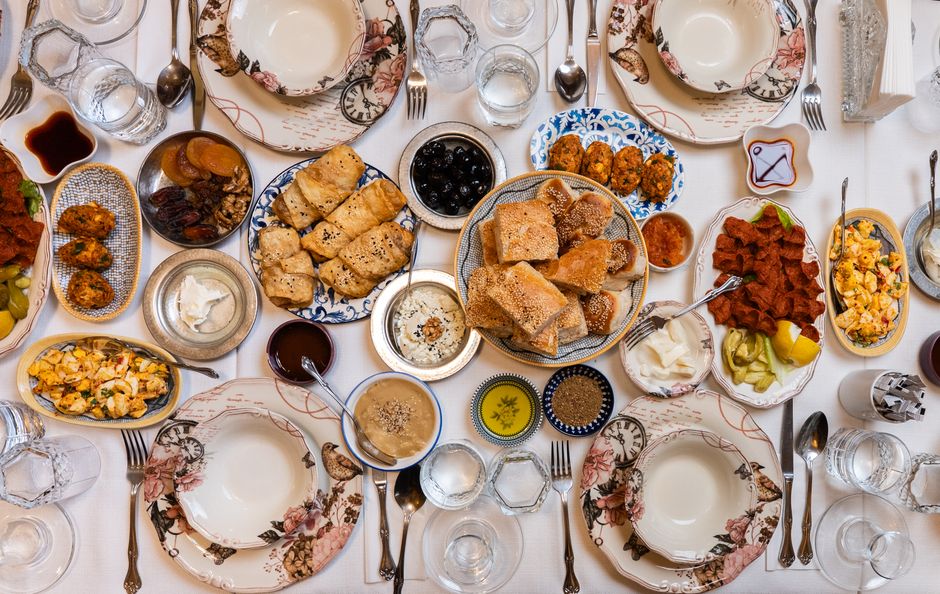
What Is Intermittent Fasting and Why Does It Work in 2026?
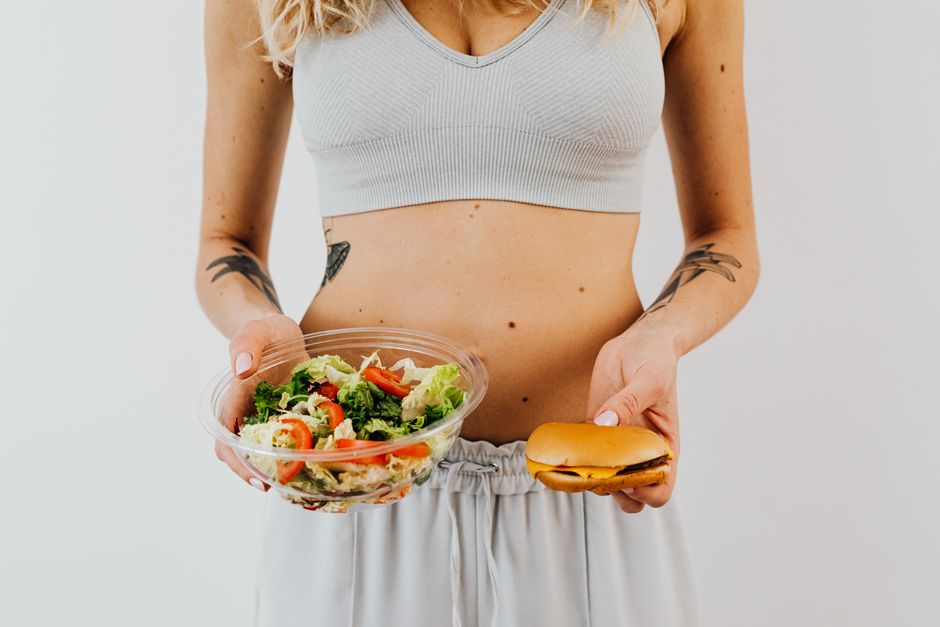
Intermittent fasting has firmly established itself as one of the most effective and sustainable approaches to weight loss for American adults in 2026. Unlike traditional calorie-counting diets that demand constant vigilance, intermittent fasting works by cycling between defined eating windows and fasting periods — training your body to tap into stored fat for energy during the fasting phase. Research published in journals including the *Journal of Translational Medicine* confirms that time-restricted eating can reduce visceral fat, improve insulin sensitivity, and support long-term weight management when practiced consistently.
The appeal for busy US households is straightforward: you eat satisfying, nutrient-dense meals during your feast window, then simply refrain from eating during fasting hours. No special foods, no meal-replacement shakes, no counting every calorie on a phone app. If you have been stuck on a plateau or dread the idea of another restrictive diet, intermittent fasting may be the reset your routine needs.
**This guide is for you if:**
- You want a flexible eating schedule that fits a busy American lifestyle
- You have tried traditional calorie restriction and hit a weight-loss plateau
- You are looking for a sustainable plan that does not require special products
By the end of this article, you will know exactly which IF method suits your goals, how to prep your kitchen, and what to eat during your feast window to maximize fat burning while staying satisfied.
Editor’s pick: intermittent fasting meal prep containers — see current prices and reviews.
Understanding the Main Types of Intermittent Fasting
Before choosing a plan, it helps to understand the three most popular intermittent fasting protocols used by Americans in 2026. Each has distinct fasting and eating windows, and the right choice depends on your work schedule, social life, and how your body responds to food restriction.
The 16:8 Method — Best for Beginners
The **16:8 method** is the most approachable entry point. You fast for 16 consecutive hours and restrict your eating window to 8 hours. Most people find it easiest to stop eating at 8 p.m. and break their fast at noon the following day. This aligns naturally with overnight sleep, making the fasting window far less demanding than it sounds. A 2024 review in *Obesity* found that 16:8 fasting produced meaningful reductions in body weight and waist circumference over 12 weeks without requiring participants to count calories.
The 5:2 Method — Best for Flexible Schedules
The **5:2 approach** involves eating normally for five days of the week, then cutting calories to 500–600 on two non-consecutive days. On fasting days, you still consume small meals — typically two modest portions totaling around 500 calories. This method offers more flexibility because you do not need to rearrange your entire daily routine, but it requires discipline on fasting days to avoid binge eating.
Alternate Day Fasting — Best for Accelerated Results
**Alternate day fasting (ADF)** flips between full fasting days — where you consume zero calories — and feast days where you eat normally. Research from the *American Journal of Clinical Nutrition* indicates ADF can produce faster initial weight loss than 16:8, but it carries a higher risk of overeating on feast days and may feel unsustainable for many people long-term.
| Method | Fasting Window | Eating Window | Difficulty | Best For |
|---|---|---|---|---|
| 16:8 | 16 hours | 8 hours | Easy | Beginners, office workers |
| 5:2 | 2 days/week (500–600 cal) | 5 normal days | Moderate | Flexible schedules |
| Alternate Day Fasting | Every other day (0 cal) | 1 day | Hard | Experienced fasters |
**Recommendation:** Start with 16:8. If after four weeks you feel stable and energized, you can explore 5:2 for accelerated results.
Preparing Your Kitchen and Body Before Starting
Success with intermittent fasting depends heavily on what you eat *before* you begin and how smoothly you transition into a fasting routine. Rushing into a fast without preparation is one of the most common mistakes beginners make — and it leads to irritability, headaches, and early abandonment.
Foods to Emphasize Before You Begin
Load your pantry and refrigerator with whole, minimally processed foods at least one week before your official start date. Prioritize:
- **Lean proteins:** skinless chicken breast, wild-caught salmon, eggs, Greek yogurt, and legumes
- **Fiber-rich carbohydrates:** sweet potatoes, oats, quinoa, brown rice, and fresh vegetables
- **Healthy fats:** avocado, extra virgin olive oil, almonds, and walnuts
- **Colorful produce:** spinach, kale, bell peppers, blueberries, and oranges for antioxidants
Reducing or eliminating refined sugars, white bread, sugary beverages, and processed snack foods two weeks before starting will minimize the energy crashes that make early fasting feel miserable.
Easing Into Fasting: The 12-Week Gradual Approach
Do not go from eating around the clock to a strict 16-hour fast overnight. Follow this proven onboarding ramp:
- **Week 1–2:** Finish dinner by 9 p.m., skip breakfast the next day (12-hour fast)
- **Week 3–4:** Push your first meal to 11 a.m. (14-hour fast)
- **Week 5 onward:** Reach your target 16:8 schedule
This gradual approach trains your hunger hormones — primarily ghrelin — to adjust without overwhelming your system.
Adjusting Exercise During the Transition
Light to moderate exercise is safe during fasting windows. Walking, yoga, and bodyweight strength training will not impair your fast. However, avoid scheduling intense HIIT sessions or heavy lifting during the first two weeks of your transition, as low blood sugar can cause dizziness and fatigue. Once you are fully adapted — typically after six to eight weeks — you can perform high-intensity workouts during your eating window for maximum fat oxidation.
The Ultimate 7-Day Intermittent Fasting Meal Plan for 2026
This plan follows the 16:8 method with an eating window from noon to 8 p.m. All meals are designed for a household of two to four servings, using budget-friendly ingredients available at any major US grocery chain.
Day 1
**Noon (Break-Fast Meal — Lunch):** Grilled chicken breast over a bed of mixed greens, cherry tomatoes, sliced cucumber, and a drizzle of olive oil and lemon. Serve with half a cup of quinoa.
- **Prep time:** 15 minutes | **Servings:** 2
- **Ingredient swap:** Substitute grilled salmon for chicken to increase omega-3 fatty acids
**6 p.m. (Feast Meal — Dinner):** Baked sweet potato topped with black beans, diced avocado, salsa, and a sprinkle of reduced-fat cheddar cheese.
- **Prep time:** 25 minutes | **Servings:** 2
- **Common mistake:** Skipping the protein — add a side of grilled chicken if you are very active
Day 2
**Noon:** Two scrambled eggs with spinach and sliced avocado, served with a small whole-grain toast.
- **Prep time:** 10 minutes | **Servings:** 1
**6 p.m.:** Stir-fried shrimp with broccoli, bell peppers, and snap peas in a low-sodium soy sauce and ginger glaze over brown rice.
- **Prep time:** 20 minutes | **Servings:** 2
- **Ingredient swap:** Swap shrimp for firm tofu for a plant-based version
Day 3
**Noon:** Mediterranean grain bowl with chickpeas, farro, roasted red peppers, Kalamata olives, feta cheese, and a tahini-lemon dressing.
- **Prep time:** 20 minutes | **Servings:** 2
- **Note:** Make the tahini dressing ahead of time to save time on busy days
**6 p.m.:** Pan-seared turkey burgers with sweet potato wedges and steamed green beans.
- **Prep time:** 30 minutes | **Servings:** 2
Days 4–7 Sample Framework
| Day | Lunch (Noon) | Dinner (6 p.m.) |
|---|---|---|
| Day 4 | Greek yogurt parfait with blueberries, granola, honey | Grilled pork tenderloin, roasted Brussels sprouts, brown rice |
| Day 5 | Turkey and avocado wrap on a whole-wheat tortilla | Baked cod with lemon-herb crust, quinoa, roasted asparagus |
| Day 6 | Lentil soup with a side of mixed greens | Chicken fajitas with peppers, onions, guacamole, corn tortillas |
| Day 7 | Egg and veggie breakfast-for-lunch scramble | Lean beef stir-fry with bok choy, mushrooms, and jasmine rice |
This rotation cycles proteins, healthy fats, and fiber to keep your metabolism engaged and your meals interesting throughout the week.
Meal Prep Strategies That Save Time and Money
Meal prepping is the single biggest factor that determines whether intermittent fasting feels effortless or becomes a source of daily stress. Spending 60–90 minutes on Sunday afternoon can set you up for the entire week.
Essential Pantry Staples
Keep these items stocked at all times:
- Canned chickpeas, black beans, and diced tomatoes (check for no added sodium where possible)
- Dry quinoa, brown rice, and old-fashioned oats
- Extra virgin olive oil, apple cider vinegar, and low-sodium soy sauce
- Nuts and seeds: almonds, walnuts, pumpkin seeds, chia seeds
- Spices: garlic powder, cumin, paprika, cinnamon, and dried oregano
Batch Cooking Steps
1. **Cook two grains in bulk:** Prepare a large batch of quinoa and brown rice on Sunday. Store in airtight containers for up to five days.
2. **Roast a sheet pan of vegetables:** Toss bell peppers, broccoli, Brussels sprouts, and sweet potatoes with olive oil and roast at 400°F for 25–30 minutes. Divide into containers.
3. **Prep two to three proteins:** Bake or grill enough chicken breast and ground turkey to cover four days of meals.
4. **Make one or two sauces or dressings:** A versatile tahini-lemon sauce and a low-sugar salsa verde take five minutes each and transform simple proteins into exciting meals.
**Cost-saving tip:** Buying chicken thighs instead of breasts, purchasing canned and frozen vegetables, and choosing store-brand spices can reduce your weekly grocery bill to $60–80 for two people — well below the national average for meal-prep-focused households.
Staying Hydrated and Nourished During Fasting Hours
One of the most underestimated aspects of intermittent fasting is hydration. When you are not eating, you lose water through digestion, sweat, and normal metabolic processes — and you miss out on the moisture that comes from food. Dehydration during fasting windows causes fatigue, headaches, brain fog, and cravings that can derail your plan.
What to Drink During Fasting Windows
- **Plain water:** Aim for at least 64 ounces per day, split across fasting and eating hours
- **Sparkling water:** A satisfying alternative if plain water feels boring
- **Black coffee:** Unsweetened black coffee does not break a fast and can suppress appetite temporarily — limit to two cups before noon
- **Unsweetened green tea:** Contains catechins that may support fat oxidation and provides a gentle energy boost
**What to avoid:** Any beverage with calories, sugar, cream, or artificial sweeteners during your fasting window will technically break your fast and spike insulin, undermining your results.
Keeping Electrolytes Balanced
Longer fasting periods (16 hours or more) can deplete sodium, potassium, and magnesium. Signs of electrolyte imbalance include muscle cramps, persistent headaches, and lightheadedness when standing quickly. To prevent this:
- Add a pinch of high-quality sea salt to a glass of water once during your fasting window
- Include potassium-rich foods at every feast meal: bananas, spinach, avocados, and white beans
- Consider a magnesium supplement (400 mg) on fasting days if you experience restless sleep or persistent fatigue
Breaking Your Fast: Feasting the Smart Way
The moment you break your fast is critically important. Eating too quickly, choosing high-glycemic foods, or overloading on processed carbs right after a fast can cause blood sugar spikes, bloating, and rebound hunger within an hour.
The Ideal Break-Fast Sequence
Start your eating window with a **protein-forward** first meal. Protein triggers the release of glucagon-like peptide-1 (GLP-1), which stabilizes blood sugar and signals fullness to your brain. Good first-meal options include:
- Three scrambled eggs with spinach and half an avocado
- Greek yogurt with chia seeds, berries, and a drizzle of honey
- A chicken or turkey breast over a leafy green salad
Balancing Macros for Sustainable Fat Loss
Every feast meal should include all three macronutrients in roughly these proportions:
- **Protein:** 30–40% of total calories (supports lean muscle mass)
- **Fats:** 30–35% of total calories (satiety and hormone health)
- **Carbohydrates:** 25–35% of total calories (energy for daily activity)
For a 600-calorie meal, that looks like roughly 60 grams of protein, 20 grams of fat, and 45 grams of carbohydrates. This balance keeps insulin levels stable, prevents fat storage, and ensures you feel energized rather than sluggish.
Common Break-Fast Mistakes and How to Fix Them
- **Mistake 1 — Eating too fast:** It takes 20 minutes for your gut hormones to signal fullness. Eat slowly, pause halfway through your meal, and reassess hunger before continuing.
- **Mistake 2 — Starting with bread or pasta:** Refined carbohydrates digest quickly, causing a blood sugar spike followed by a crash and renewed hunger. Always start with protein and vegetables first.
- **Mistake 3 — Skimping on fiber:** Fiber slows digestion, extends satiety, and feeds beneficial gut bacteria. Fill half your plate with vegetables at every feast meal.
Frequently Asked Questions (FAQ)
What are the most common mistakes people make when starting intermittent fasting?
The three biggest pitfalls are jumping into a full 16-hour fast without gradual preparation, choosing nutrient-poor foods during the eating window, and not drinking enough water during fasting hours. Many beginners also quit after two or three days when they feel hungry — but hunger typically peaks around day three and subsides by day five as ghrelin hormones adjust. Going in with a gradual ramp-up plan, stocking healthy pantry staples, and staying hydrated will dramatically increase your chances of long-term success.
How can I avoid feeling hungry during fasting periods?
Hunger during fasting windows usually stems from three causes: low water intake, not eating enough protein and fiber during your feast window, and blood sugar instability. Combat these by drinking a full glass of water first thing in the morning, prioritizing protein and fiber in every feast meal, and adding a small handful of almonds or a hard-boiled egg to your eating window if you are still hungry. Black coffee and unsweetened green tea can also suppress appetite temporarily without breaking your fast.
Is it possible to combine intermittent fasting with other diets like keto or paleo?
Yes, intermittent fasting pairs well with both ketogenic and paleo eating patterns. In fact, many people find that combining 16:8 fasting with a lower-carbohydrate keto diet accelerates fat loss because both approaches lower insulin levels and promote fat mobilization. To combine IF with keto, keep your net carbs under 20 grams per day during your eating window and focus on high-fat, moderate-protein meals. For paleo, emphasize lean meats, vegetables, fruits, and nuts while avoiding grains and dairy. Just be cautious about overeating high-fat foods on feast days — even healthy fats contain 9 calories per gram, so portion awareness still matters.
Top Product Recommendations
| Product Name | Rating | Key Feature | Est. Price | Action |
|---|---|---|---|---|
| Top-rated intermittent fasting meal prep containers | ★★★★★ | Editor-recommended intermittent fasting meal prep containers from this guide | $18–$42 | Check Lowest Price on Amazon |
| Best-value high protein low calorie meal prep ingredients | ★★★★☆ | Affordable high protein low calorie meal prep ingredients — strong everyday results | $12–$28 | Check Lowest Price on Amazon |
| Premium digital food scale for portion control | ★★★★☆ | Higher-end digital food scale for portion control for visible, lasting results | $45–$95 | Check Lowest Price on Amazon |
Affiliate Disclosure: This post contains affiliate links. We may earn a commission if you buy through our links, at no extra cost to you. Medical Disclaimer: This content is for informational purposes only and is not medical advice. Consult a healthcare professional before changing diet or exercise.
Leave a Reply