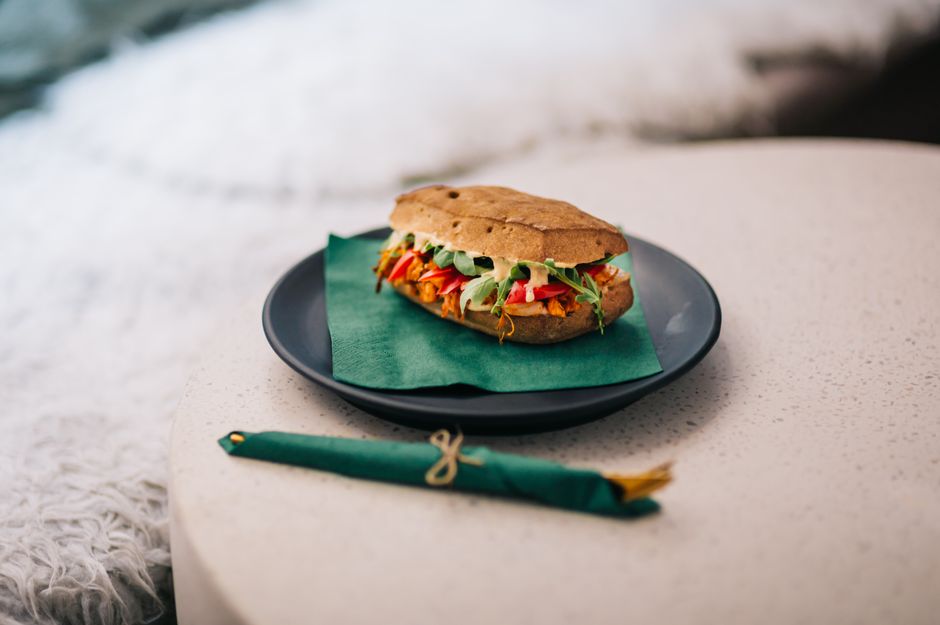
If you have been searching for a sustainable way to lose weight without obsessively counting calories, this intermittent fasting meal plan guide is built for you. By the end of this article you will know exactly which fasting schedule fits your lifestyle, what to eat in your eating window, and how to avoid the most common mistakes that stall progress. Whether you are a busy professional, a parent managing a household, or someone just starting out on a weight loss journey, you will walk away with a clear roadmap for 2026 and beyond.
Why Intermittent Fasting Works for Weight Loss

Intermittent fasting is not just another diet trend. Research published in peer-reviewed journals shows it triggers real metabolic changes that support fat loss. When you extend the time between meals, insulin levels drop significantly. Lower insulin tells your body to start burning stored fat for energy instead of relying on incoming glucose. This state, called **fat oxidation**, is one of the primary reasons intermittent fasting produces measurable results for most adults.
Beyond insulin regulation, intermittent fasting activates **cellular repair processes** including autophagy, where your cells clean out damaged components. This process is linked to improved metabolic health and reduced inflammation, both of which support long-term weight management. Studies comparing intermittent fasting with traditional calorie restriction show that people following an IF protocol tend to preserve more lean muscle mass while losing fat, which keeps metabolism higher over time.
The real advantage, however, is simplicity. Rather than tracking every morsel of food, you focus on when you eat. This reduces decision fatigue and often naturally leads to a modest calorie deficit without constant hunger or meticulous logging. Combining intermittent fasting with balanced, nutrient-dense meals during your eating window amplifies these benefits dramatically.
Editor’s pick: intermittent fasting meal prep containers — see current prices and reviews.
Choosing the Right Intermittent Fasting Schedule
Not all fasting schedules work the same way. The three most popular methods each suit different lifestyles and comfort levels. Picking the right one from the start prevents frustration and abandonment.
| Schedule | Fasting Window | Eating Window | Best For |
|---|---|---|---|
| **16:8** | 16 hours | 8 hours | Beginners and busy professionals |
| **5:2** | 2 days/week (500 cal) | 5 days normal | Those who prefer fewer strict rules |
| **Alternate-Day Fasting** | 36 hours | 12 hours | Advanced fasters with significant weight to lose |
The **16:8 method** is the most approachable starting point. You stop eating at 8 p.m. and do not eat again until noon the next day. This 16-hour fast is manageable for most people because sleep covers eight of those hours. The 5:2 approach allows normal eating on five days while restricting two non-consecutive days to roughly 500 calories. Alternate-day fasting is more aggressive, involving a full 36-hour fast followed by a 12-hour eating window.
Start with 16:8 for at least two weeks before considering a more demanding schedule. If you feel energized and are losing weight at a rate of one to two pounds per week, stay the course. If progress stalls after six weeks, consider shifting to 5:2 or extending your fasting window by two hours. The best schedule is the one you can stick with consistently.
Essential Nutrients for Intermittent Fasting

Because you are eating within a compressed window, every meal needs to pull its weight nutritionally. Skimping on protein, healthy fats, or fiber is the fastest way to feel hungry, fatigued, or nutrient-depleted during your fasting hours.
- **Protein** — Aim for 0.7 to 1 gram per pound of your target body weight daily. Prioritize lean sources like chicken breast, wild salmon, eggs, Greek yogurt, and legumes at every meal.
- **Healthy fats** — Include avocado, extra-virgin olive oil, walnuts, and chia seeds. Fats slow digestion, keep you satisfied longer, and support hormone production.
- **Fiber** — Target 25 to 35 grams per day from leafy greens, broccoli, berries, and legumes. Fiber stabilizes blood sugar and reduces hunger during fasting windows.
- **Micronutrients** — Magnesium, zinc, iron, and B vitamins are especially important during fasting. Sprinkle pumpkin seeds on salads and add spinach to smoothies to cover bases.
The most common mistake beginners make is not eating enough total calories during the eating window. Severely restricting food intake while fasting leads to muscle loss, fatigue, and a slower metabolism. Your body needs sufficient fuel to function optimally and to sustain the calorie deficit created by the fasting window itself.
Meal Planning Tips for Intermittent Fasting
Structure your eating window intentionally. A typical 16:8 day might look like this: a substantial lunch at noon, a protein-rich snack around 3 p.m., and dinner by 7:30 p.m. This gives you two main meals and a snack without feeling like you are grazing all day.
Batch cooking is the single most effective habit for staying consistent. On Sunday, roast two sheet pans of chicken thighs and a large container of mixed vegetables. Cook a pot of quinoa or brown rice. Protein and grain prep done in 45 minutes covers multiple meals. This approach saves money and eliminates the temptation to grab processed food when you are hungry and pressed for time.
For a 1,500 to 1,800 calorie daily target on the 16:8 schedule, allocate roughly 600 calories to lunch, 200 to 300 to your snack, and 600 to 700 to dinner. Keep refined carbohydrates minimal and pair every starch with a protein or healthy fat to prevent blood sugar spikes that trigger hunger between meals.
Delicious and Nutritious Recipes for Intermittent Fasting
These recipes are designed to maximize protein and fiber while keeping calories in the sweet spot for weight loss. Each makes one serving and fits within a standard 16:8 eating window.
Mediterranean Chickpea Bowl
**Prep time:** 10 minutes | **Servings:** 1
- 1 can chickpeas, drained and rinsed (250 cal, 14g protein)
- 1 cup mixed roasted vegetables (bell peppers, zucchini, red onion) (100 cal)
- 2 tablespoons tahini mixed with lemon juice (90 cal)
- ½ cup cooked quinoa (110 cal)
- Fresh parsley and a pinch of red pepper flakes
**Steps:**
1. Roast vegetables at 400°F for 20 minutes with olive oil and garlic.
2. Warm chickpeas in a small pan with cumin and smoked paprika.
3. Combine quinoa, chickpeas, and vegetables in a bowl.
4. Drizzle tahini dressing over the top and garnish with parsley.
**Swaps:** Replace quinoa with cauliflower rice to cut 80 calories. Add grilled chicken breast for 30 extra grams of protein.
Grilled Salmon with Sweet Potato and Broccoli
**Prep time:** 15 minutes | **Servings:** 1
- 5-ounce salmon fillet (280 cal, 30g protein)
- 1 medium sweet potato, cubed and roasted (100 cal)
- 1.5 cups steamed broccoli (55 cal)
- 1 teaspoon olive oil, 1 teaspoon fresh dill
**Steps:**
1. Season salmon with salt, pepper, and dill. Grill or pan-sear skin-side down for 4 minutes, flip and cook 3 more minutes.
2. Cube sweet potato, toss with olive oil, and roast at 400°F for 25 minutes.
3. Steam broccoli until tender-crisp, about 4 minutes.
4. Plate salmon over sweet potato and broccoli. Squeeze fresh lemon over everything.
**Swaps:** Swap sweet potato for half a cup of white rice to reduce glycemic load. Replace salmon with cod or tilapia if preferred.
Spinach and Egg White Scramble
**Prep time:** 8 minutes | **Servings:** 1
- ½ cup liquid egg whites (60 cal, 12g protein)
- 1 cup fresh spinach (7 cal)
- ¼ cup diced tomato (5 cal)
- 1 slice whole grain toast (80 cal)
- Hot sauce or Everything Bagel seasoning to taste
**Steps:**
1. Heat a non-stick pan over medium heat. Pour in egg whites and let set for 30 seconds.
2. Add spinach and tomato. Gently stir until eggs are fully cooked and spinach is wilted.
3. Serve with whole grain toast on the side.
**Swaps:** Use two whole eggs instead of egg whites for more fat and satiety. Add ¼ avocado for healthy fats.
Staying Hydrated During Fasting Periods
Hydration is non-negotiable during fasting windows. Water supports every metabolic process, including fat oxidation. Most adults need at least 64 ounces of plain water per day, and this need increases if you exercise or live in a warm climate.
Approved beverages during fasting hours include plain water, sparkling water, black coffee, and unsweetened tea. These contain negligible calories and will not break your fast. Black coffee may even mildly enhance fat oxidation and suppress appetite. Green tea and oolong tea are exc nt choices because their catechins support metabolism.
Avoid artificially sweetened drinks and diet sodas during fasting windows. Even zero-calorie sweeteners can trigger insulin responses in some individuals and may perpetuate sugar cravings. Bone broth contains calories and should be reserved for your eating window. If you experience headaches, dizziness, or fatigue during early fasting attempts, increase your water intake and consider adding a pinch of sea salt to replenish electrolytes.
Frequently Asked Questions (FAQ)
What can I drink during my fasting windows?
Plain water, sparkling water, black coffee, and unsweetened tea are all acceptable during fasting periods. These beverages contain minimal to no calories and will not disrupt the fasting state. Adding milk, cream, sugar, or flavored syrups will break your fast, so keep all additions zero-calorie and unsweetened. Aim for at least 64 ounces of water spread throughout the day to prevent dehydration, especially if you exercise.
How do I adjust my meal plan for different fasting schedules?
For the 16:8 schedule, concentrate your calories into two main meals and one snack within your eight-hour window. For 5:2, eat normally on five days and choose two low-calorie days of around 500 calories using soup, salads, or meal replacement shakes. On alternate-day fasting, your eating window is only 12 hours, so prioritize the most calorie-dense, protein-rich foods first to ensure you meet your nutritional needs. Start with 16:8 and only progress to stricter schedules after you have consistently maintained your plan for at least a month.
Can I combine intermittent fasting with other diets like keto or paleo?
Yes. Many people stack intermittent fasting with low-carb or paleo approaches to amplify fat burning. Combining 16:8 with a keto diet, for example, shifts your body into ketosis faster and may reduce hunger during fasting windows. The key is ensuring you still eat enough total calories and protein during your eating window. If you feel excessively fatigued or notice hair loss, you may be under-eating. Prioritize whole foods over processed keto snacks, and consult a healthcare professional before combining very-low-calorie approaches with intense exercise.
How long does it take to see results with intermittent fasting?
Most people notice initial changes in energy and hunger patterns within the first week. Measurable weight loss typically appears within two to four weeks, averaging one to two pounds per week when combined with a balanced diet. The rate depends on your starting point, how strictly you follow your eating window, and your overall calorie intake. Plateaus are normal and usually resolve by adjusting your fasting window length or recalibrating portion sizes.
Top Product Recommendations
| Product Name | Rating | Key Feature | Est. Price | Action |
|---|---|---|---|---|
| Top-rated intermittent fasting meal prep containers | ★★★★★ | Editor-recommended intermittent fasting meal prep containers from this guide | $18–$42 | Check Lowest Price on Amazon |
| Best-value protein powder for meal replacement | ★★★★☆ | Affordable protein powder for meal replacement — strong everyday results | $12–$28 | Check Lowest Price on Amazon |
| Premium digital food scale for portion control | ★★★★☆ | Higher-end digital food scale for portion control for visible, lasting results | $45–$95 | Check Lowest Price on Amazon |
Affiliate Disclosure: This post contains affiliate links. We may earn a commission if you buy through our links, at no extra cost to you. Medical Disclaimer: This content is for informational purposes only and is not medical advice. Consult a healthcare professional before changing diet or exercise.
Leave a Reply