{# 3 Day Juice Cleanse Plan: Pros, Cons, and How to Do It Right
—
Why Consider a 3 Day Juice Cleanse?
A **3 day juice cleanse plan** is one of the most popular short-term detox approaches among US home cooks and health-curious eaters. The premise is straightforward: swap solid meals for cold-pressed or blended juices for 72 hours, flooding your system with micronutrients while giving your digestive tract a brief rest. Millions of Americans try some form of juice cleanse each year — and the appeal is understandable. The time commitment is short, the barrier to entry is low, and the structure feels manageable.
The pros are real, though measured. Many people report feeling lighter, more mentally clear, and newly motivated to eat better after just three days. A short cleanse can also help quiet cravings for processed food and refined sugar, functioning more as a psychological reset than a medical treatment.
The cons deserve equal airtime. Juice removes dietary fiber — the same fiber your gut bacteria depend on. Daily calorie intake drops sharply, often to 900–1,200 calories, which can cause fatigue, headaches, and irritability, particularly in the first 24 hours. Anyone with diabetes, kidney disease, or a history of disordered eating should check with their doctor before starting. If you’re exploring the broader world of detox nutrition and cleansing approaches, understanding what you’re signing up for before day one makes all the difference.
—
Editor’s pick: masticating cold press juicer — see current prices and reviews.
Choosing the Right Juices for Your Cleanse
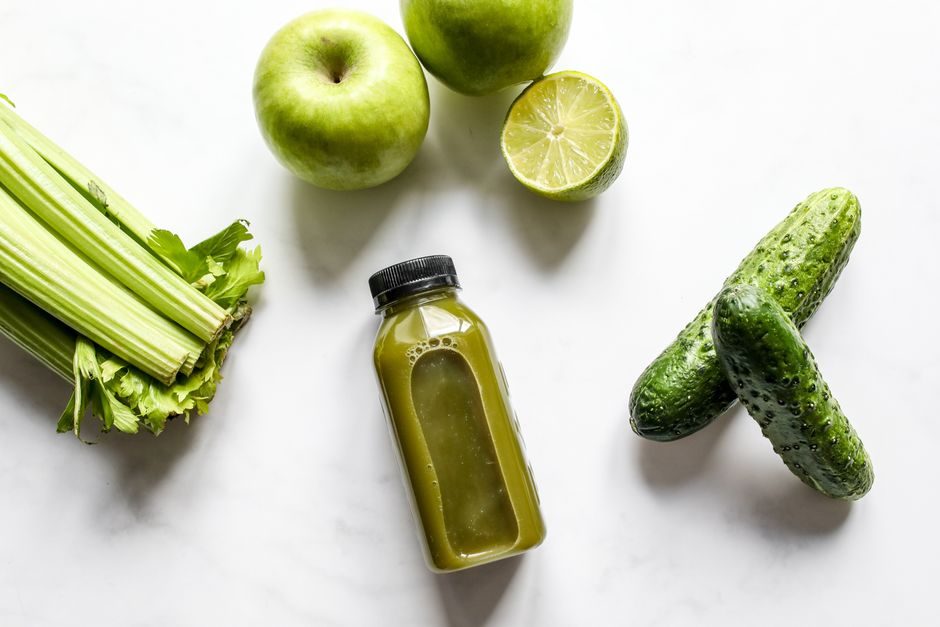
Not all juices pull equal weight here. Fruit-heavy blends can spike blood sugar fast, which works against the stabilizing effect you’re after. The most effective cleanse juices lean heavily on vegetables — leafy greens, cucumber, celery, beets — with just enough fruit to keep the flavor drinkable.
- **Low-sugar picks:** kale, spinach, romaine, cucumber, celery, ginger, lemon
- **Moderate-sugar picks:** beets, carrots, green apple (use as an accent, not a base)
- **High-sugar to limit:** mango, pineapple, and large quantities of orange juice
Aim for roughly **70% vegetables to 30% fruit** per serving. This ratio keeps the glycemic load in check while still delivering the antioxidants, vitamins, and minerals your body can absorb quickly without a fiber buffer.
Flavor pairing matters for getting through all three days. Cucumber, lemon, and ginger is a reliable base — bright without being harsh. Adding a small knob of fresh turmeric to green juices gives an anti-inflammatory lift and an earthy undertone that softens the bitterness of kale or chard.
—
Preparing for Your Juice Cleanse
Going straight from a standard American diet into three days of juice-only meals is a reliable way to fail fast. Spend two to three days beforehand gradually cutting back on caffeine, alcohol, red meat, and processed snacks. This softens withdrawal symptoms — caffeine headaches especially — that derail most first-time cleansers before Day 2.
**Practical prep checklist:**
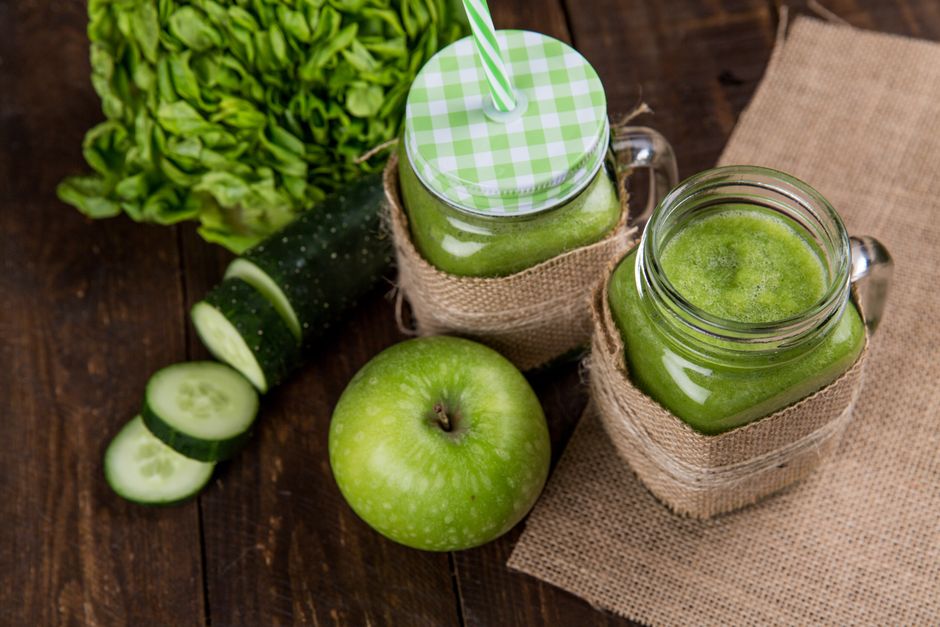
- Shop for fresh produce two days before Day 1, budgeting roughly 4–6 lbs per day
- Batch-prep and refrigerate the next day’s juices each evening to remove the morning scramble
- Set a juice schedule: every 2 to 2.5 hours keeps energy more stable than drinking whenever you feel like it
- Keep herbal tea and still water on hand — both are allowed and help manage hunger between servings
**Prep time per batch:** about 20–30 minutes for a full day’s worth using a masticating juicer. A centrifugal juicer cuts that to 10–15 minutes but produces slightly less nutrient-dense juice due to heat friction during processing.
—
Juicing Recipes for Each Day
These three daily recipes are structured to escalate gently — starting with a mild green base on Day 1 and finishing with a bright, vitamin-C-forward citrus blend on Day 3. Each recipe makes approximately **4 servings of 16 oz each**, enough for one full cleanse day at the recommended serving frequency.
Day 1: Green Reset
*Servings: 4 | Prep Time: 25 min*
**Ingredients:**
- 4 cups packed kale
- 2 cups baby spinach
- 2 large cucumbers
- 4 celery stalks
- 1 green apple
- 1 lemon, peeled
- 1-inch piece fresh ginger
**Steps:** Wash all produce thoroughly. Feed kale and spinach through the juicer first, then follow with cucumber and celery to help push the greens through. Finish with apple, lemon, and ginger. Stir well and store in sealed mason jars in the refrigerator.
**Swap:** No juicer? Blend everything in a high-speed blender with 1 cup of water, then strain through a nut milk bag or fine-mesh cheesecloth.
—
Day 2: Berry Antioxidant Blend
*Servings: 4 | Prep Time: 20 min*
**Ingredients:**
- 2 cups blueberries
- 1 cup raspberries
- 2 cups beet greens or 1 medium beet
- 2 cups filtered water
- 1 tbsp fresh lemon juice
- ½ tsp cinnamon
**Steps:** Blend berries and beet with water until smooth. Strain for a thinner consistency if preferred. Stir in lemon juice and cinnamon. This blend runs higher in natural sugars, so spacing servings every 2.5 hours is especially important on Day 2 to avoid an energy spike-and-crash cycle.
**Swap:** Frozen berries work perfectly here — they’re often more nutrient-dense than out-of-season fresh berries and typically cost less.
—
Day 3: Citrus Vitamin C Infusion
*Servings: 4 | Prep Time: 20 min*
**Ingredients:**
- 4 large oranges, peeled
- 2 grapefruits, peeled
- 2 lemons, peeled
- 1-inch fresh turmeric root (or ½ tsp ground turmeric)
- 1 cup filtered water
- Pinch of cayenne pepper
**Steps:** Juice the citrus together, then whisk or blend in turmeric and cayenne. The cayenne supports circulation and adds a gentle warmth that makes this feel more satisfying on the final day of a juice-only plan.
**Swap:** If grapefruit is too bitter for your palate, blood oranges offer a sweeter profile with comparable antioxidant content.
—
What to Expect During the Cleanse
Day 1 is typically the hardest. Hunger, mild headaches, and irritability are common — especially if you didn’t pre-taper caffeine. Most people find these symptoms peak somewhere around hour 18–24, then ease considerably.
| Day | Common Feelings | What Helps |
|---|---|---|
| Day 1 | Hunger, headache, fatigue | Herbal tea, extra water, early bedtime |
| Day 2 | Lighter, slightly more energized | Stay on schedule, add light walking |
| Day 3 | Mental clarity, reduced cravings | Prep your re-entry meal, celebrate the finish |
Staying hydrated beyond the juices is non-negotiable. Aim for an additional 40–60 oz of water or herbal tea daily on top of your juice intake. Light movement — walking, gentle yoga — is fine. High-intensity workouts are not a good idea during a significantly calorie-restricted period.
If you experience dizziness, heart palpitations, or extreme weakness at any point, break the cleanse with something small and easily digestible — a banana, plain rice, or a handful of raw almonds — and honestly reassess whether pushing forward makes sense for your body.
—
Pros and Cons at a Glance
Before committing three days to liquid-only meals, it’s worth laying out the trade-offs honestly.
| Factor | Pro | Con |
|---|---|---|
| Nutrient density | High vitamin and mineral intake | Low fiber, minimal protein |
| Duration | Short, manageable commitment | Can still feel unsustainable in the moment |
| Cravings reset | Many report reduced junk food desire | Results vary widely by person |
| Cost | Reasonable with seasonal produce | Expect $30–$60 in produce over 3 days |
| Weight change | Short-term water weight reduction | Mostly regained once solids resume |
| Digestive rest | Reduced processing load on the gut | Gut bacteria need fiber to thrive |
A 3 day juice cleanse is not a cure-all. Used periodically — once every few months — it can serve as a useful motivational bridge toward cleaner eating habits over the long run. Think of it as a reset button, not a solution.
—
After the Cleanse: Re-Entry and Lasting Habits
Re-entry is just as important as the cleanse itself. Going straight into a heavy meal on Day 4 can cause digestive discomfort and undercut the momentum you worked three days to build. Start instead with easily digestible whole foods: fresh fruit, steamed vegetables, plain yogurt, or a simple vegetable soup.
Over the following three to five days, gradually reintroduce proteins — eggs, legumes, fish — and whole grains. This measured return lets your digestive system ramp back up without the bloating and sluggishness that a crash re-entry typically causes.
**Habits worth keeping after the cleanse wraps:**
- Start each morning with a 16 oz green juice or smoothie instead of replacing all meals with one
- Keep a pitcher of cucumber-lemon water in the fridge for mid-afternoon cravings
- Batch-prep one large vegetable juice blend weekly to maintain the routine without the deprivation
- Use the craving reset as an opening to incorporate more whole plant foods into everyday meals
For more structured approaches beyond juicing, browsing whole-food detox meal plans and reset guides can help you find a longer-term rhythm that doesn’t require going liquid-only to get results.
The goal isn’t to cleanse indefinitely. It’s to use three intentional days as a launchpad for a more nutrient-forward eating pattern that actually fits a realistic American schedule.
—
Frequently Asked Questions
**Can I eat solid food during the 3 day juice cleanse?**
The traditional format is juice-only for all three days. That said, if hunger becomes severe, a small amount of raw vegetables, a banana, or a handful of raw nuts is a reasonable modification that won’t derail your goals. Your body’s signals matter more than rigid rules.
**How much juice should I drink each day?**
Most practitioners recommend 4 to 6 servings of 16 oz each, totaling 64–96 oz of juice daily. Spacing servings every two to two-and-a-half hours keeps energy more stable and reduces the intensity of hunger between drinks.
**Will I lose weight on a 3 day juice cleanse?**
You’ll likely see a drop on the scale, but most of it is water weight tied to reduced sodium and carbohydrate intake. Expect much of that to return once you resume normal eating. Long-term fat loss requires a sustained calorie deficit, not a short cleanse.
**What are some alternatives to juicing for a detox reset?**
A whole-food plant-based reset — eating only unprocessed fruits, vegetables, legumes, and whole grains for three to five days — delivers similar benefits while keeping dietary fiber intact. Bone broth fasting and structured elimination diets are other options that US nutritionists commonly recommend as cleanse alternatives.
**Is a juice cleanse safe for everyone?**
No. People with diabetes, kidney disease, or a history of disordered eating should consult a healthcare provider before starting. The calorie restriction and blood sugar fluctuations involved aren’t appropriate for every body, and individual medical context matters.
Top Product Recommendations
| Product Name | Rating | Key Feature | Est. Price | Action |
|---|---|---|---|---|
| Top-rated masticating cold press juicer | ★★★★★ | Editor-recommended masticating cold press juicer from this guide | $18–$42 | Check Lowest Price on Amazon |
| Best-value wide mouth mason jars for juicing | ★★★★☆ | Affordable wide mouth mason jars for juicing — strong everyday results | $12–$28 | Check Lowest Price on Amazon |
| Premium nut milk bag juice strainer | ★★★★☆ | Higher-end nut milk bag juice strainer for visible, lasting results | $45–$95 | Check Lowest Price on Amazon |
Affiliate Disclosure: This post contains affiliate links. We may earn a commission if you buy through our links, at no extra cost to you.
Leave a Reply