
Best Supplements for Weight Loss

When it comes to losing weight, many Americans look for every available edge to support their efforts. Weight loss supplements have grown into a multi-billion-dollar industry, but not all of them are backed by real science. In this evidence-based review, we are going to break down which supplements actually have research supporting their use, what ingredients you should prioritize, and how to use them safely as part of a broader plan. The most studied options on the market today include fiber-based products, green tea extract, conjugated linoleic acid (CLA), and caffeine compounds. Each one works through a slightly different mechanism, whether that means suppressing appetite, boosting metabolism, or blocking the absorption of dietary fat. Before you spend money on any bottle, it pays to understand what the clinical research actually says rather than relying on bold marketing claims alone.
Fiber supplements such as glucomannan have shown consistent results in trials for promoting feelings of fullness, which naturally leads to reduced caloric intake throughout the day. Green tea extract contains catechins, particularly one called epigallocatechin gallate (EGCG), that has been linked to modest increases in resting energy expenditure. Caffeine remains one of the most well-researched compounds for short-term thermogenesis, meaning it helps your body burn slightly more calories at rest. However, these effects are typically modest — most studies show a loss of just a few additional pounds over several months when supplements are combined with diet and exercise. That is why supplements work best as a supporting tool rather than a standalone solution. Always check the supplement facts label for the specific dose used in clinical trials, and watch out for proprietary blends that do not disclose individual ingredient amounts.
Quick pick: Compare top-rated Supplements options.
How to Choose the Right Weight Loss Supplement
Picking the right weight loss supplement starts with knowing your personal goals. Are you trying to curb late-night cravings, boost your energy for workouts, or improve your overall nutrition? Each goal calls for a different type of supplement. If appetite control is your priority, a fiber-based or glucomannan product may be most helpful. If you want more energy during your workouts, a clean caffeine source or green tea extract could give you that extra push without unnecessary fillers. Taking the time to define what you want to achieve makes the selection process much clearer and prevents you from wasting money on products that do not align with your needs.
Reading supplement labels carefully is one of the most important steps in the buying process. Look for aSupplement Facts panel that lists all active ingredients with specific milligram amounts. Avoid products that rely on proprietary blends, which hide the individual doses of each ingredient behind a single “blend” total. You want transparency so you can compare what you are getting against the doses used in published studies. Additionally, check for third-party testing certifications from organizations like NSF International or USP, which verify that the product contains what the label claims and is free from harmful contaminants. Red flags include vague claims such as “miracle fat burner,” “lose 10 pounds in a week,” or any product that refuses to list its ingredients clearly. Legitimate supplement companies have nothing to hide.
Combining Supplements with a Healthy Diet
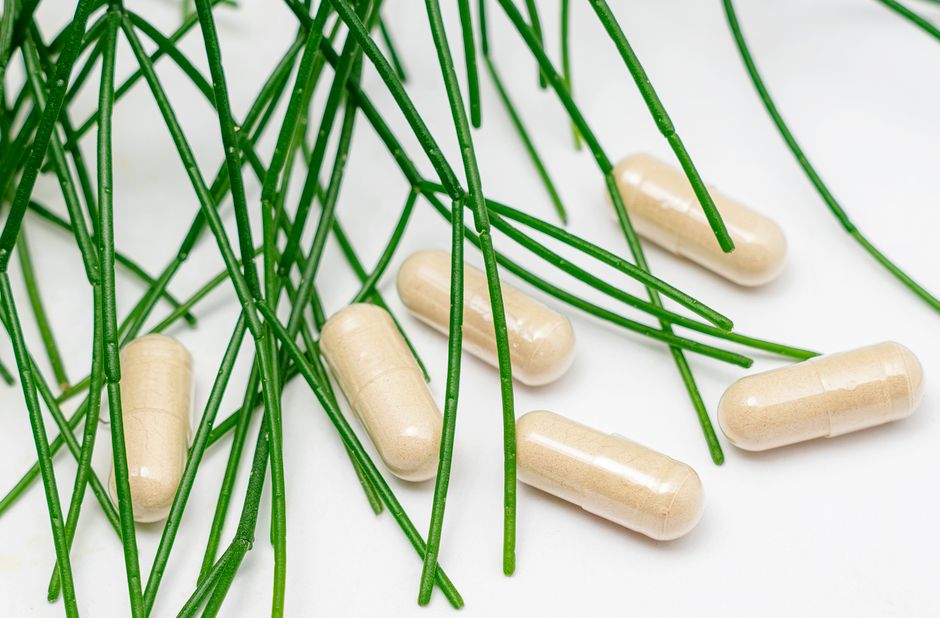
Supplements are exactly that — a supplement to a nutritious diet, not a replacement for one. No pill can counterbalance a diet built on processed foods, sugary drinks, and excess sodium. To get the best results from your weight loss supplements, you need to build your meals around whole foods that provide fiber, lean protein, and essential micronutrients. Lean proteins like chicken breast, turkey, fish, tofu, and legumes support muscle preservation during a caloric deficit, which is critical for keeping your metabolism active. Colorful vegetables provide antioxidants and fiber that complement the effects of many supplements. Healthy fats from avocados, nuts, and olive oil support hormone balance and help you feel satisfied after meals.
Some foods are particularly synergistic with popular weight loss supplements. Protein-rich meals pair well with fiber supplements because the combination promotes sustained satiety. Green tea extract is most effective when taken with a meal that includes some dietary fat, as the catechins are better absorbed in the presence of lipids. If you are taking a glucomannan fiber supplement, be sure to consume it with at least eight ounces of water and always separate it from prescription medications by at least two hours. Here is a simple one-day meal framework that pairs well with common supplements:
| Meal | Example Foods | Supplement Timing |
|---|---|---|
| Breakfast | Oatmeal with berries, scrambled eggs | Green tea extract with breakfast |
| Lunch | Grilled chicken salad, avocado | Fiber supplement with water 30 min before lunch |
| Snack | Greek yogurt, handful of almonds | Whey protein or meal replacement shake |
| Dinner | Baked salmon, quinoa, steamed broccoli | Caffeine-free evening supplement if used |
Exercise and Weight Loss Supplements
Physical activity remains the single most impactful variable in any weight loss equation. Even the best supplement cannot replace the caloric deficit created by regular movement. That said, certain supplements can make your workouts more productive by increasing energy levels, reducing perceived exertion, or supporting muscle recovery. Caffeine taken about 30 to 45 minutes before a workout has been shown in multiple studies to improve endurance and allow you to train longer and harder. Branched-chain amino acids (BCAAs) can help reduce muscle soreness after intense sessions, keeping your recovery time short so you can stay consistent with your routine.
Strength training deserves special attention in any weight loss plan because muscle tissue burns more calories at rest than fat tissue does. Building lean muscle through compound movements like squats, deadlifts, push-ups, and rows helps protect your metabolism during a caloric deficit. Cardiovascular exercise such as brisk walking, cycling, swimming, or light jogging supports heart health and increases total daily energy expenditure. For optimal results, aim for at least 150 minutes of moderate cardio per week combined with two to three strength training sessions. Consistency matters far more than intensity, especially when you are starting out. Setting realistic weekly targets and tracking your activity helps you stay motivated over months rather than weeks.
Real-life Success Stories
Real people have used weight loss supplements as part of broader lifestyle changes with measurable results, and their experiences offer practical lessons for anyone considering the same path. One common theme among successful users is that supplements were introduced after establishing a baseline of healthy eating and regular exercise, not before. People who treated supplements as a shortcut tended to see disappointing results, while those who viewed them as a supporting tool reported better adherence to their overall plan. Another consistent finding is that the most sustainable transformations happened when individuals tracked their progress through simple methods like weekly weigh-ins, photos, or measurements rather than obsessing over daily scale fluctuations.
Successful users also emphasize the importance of patience. Most individuals who lost significant weight and kept it off reported that the first noticeable changes took six to eight weeks to appear, even when they were doing everything right. Setting interim milestones — such as fitting into a specific clothing size or completing a certain number of workouts — helped maintain motivation during the slower early weeks. Common challenges included plateaus, which most people overcame by adjusting either their caloric intake, their exercise routine, or both rather than adding more supplements. The takeaway is clear: supplements can support your journey, but the foundation must be built on consistent nutrition and movement habits.
Supplements and Long-term Weight Management
Reaching your goal weight is only half the battle. Maintaining that loss over months and years requires a fundamentally different strategy than the aggressive caloric deficit used during active weight loss. Many people make the mistake of abandoning their supplements and healthy habits once the scale hits their target, which frequently leads to rebound weight gain. A smarter approach involves gradually transitioning from an aggressive fat-loss protocol to a sustainable maintenance plan that still includes some level of supplementation, balanced nutrition, and regular physical activity. Continuing to use a fiber supplement or meal replacement shake for one meal per day, for example, can help manage calorie intake without the feeling of constant deprivation.
The role of supplements in long-term management extends beyond just controlling calories. Certain ingredients may help regulate hormones related to hunger and satiety, making it easier to stick to a maintenance-level calorie target without constant willpower battles. Magnesium, zinc, and vitamin D supplementation have all been studied for their roles in metabolic health and sleep quality, both of which directly influence weight management. Sleep, in particular, is an underestimated factor — inadequate sleep disrupts ghrelin and leptin, the hormones that control hunger and fullness, which can undermine even the most disciplined diet plan. A sustainable approach combines ongoing supplement use with attention to sleep hygiene, stress management, and consistent exercise habits.
Latest Research and Developments in Weight Loss Supplements
The supplement industry continues to evolve as new research emerges on plant compounds, fiber technologies, and metabolic support ingredients. One area generating significant interest is the study of berberine, a botanical compound that has shown promise in early trials for supporting healthy blood sugar levels and improving insulin sensitivity, both of which are closely tied to fat metabolism. Another ingredient gaining traction is ashwagandha, an adaptogen that may help reduce cortisol levels, potentially lowering stress-related eating patterns. Probiotics are also being studied for their role in gut-brain axis signaling, with some specific strains showing associations with reduced body fat percentage in small-scale human trials.
Personalized nutrition is shaping up to be the next major trend in the supplement space. Researchers are exploring how genetic variants, gut microbiome composition, and metabolic markers can be used to predict which supplements will work best for specific individuals. While this technology is still in its early stages, it points to a future where weight loss supplementation is far more targeted and effective than the one-size-fits-all approach of today. Until those tools become widely accessible, the best strategy remains focusing on ingredients with the strongest existing evidence — fiber, green tea catechins, caffeine, and protein-based products — and tailoring them to your personal goals and tolerances.
Staying Informed on Supplement Safety and Efficacy
The supplement market in the United States is loosely regulated by the Food and Drug Administration (FDA), which means the burden of safety and accuracy falls largely on manufacturers. This creates a landscape where trustworthy products coexist with misleading ones. Protecting yourself starts with knowing how to evaluate claims independently. Be skeptical of any product that promises dramatic, rapid results with no mention of diet or exercise. Look for references to peer-reviewed studies, and try to verify those studies through databases like PubMed. Government resources such as the NIH Office of Dietary Supplements provide free, evidence-based fact sheets on most popular supplement ingredients.
Staying current on safety alerts is equally important. The FDA maintains a public database of recalled supplements, many of which have been found to contain hidden pharmaceutical ingredients or unlisted stimulants. Before starting any new supplement, check the FDA website for any recent recalls or safety notices involving that product or brand. Joining online communities of evidence-focused health enthusiasts can also help you stay aware of emerging concerns. Ultimately, an informed consumer is a safer consumer. Supplements can play a supportive role in your weight loss journey, but they should always be used with a critical eye and in consultation with a healthcare professional, especially if you have underlying health conditions or take prescription medications.
Frequently Asked Questions (FAQ)
What are the most common side effects associated with weight loss supplements?
The most frequently reported side effects depend on the type of supplement but generally include digestive upset such as bloating, gas, or irregular bowel movements, particularly with fiber-based products. Caffeine-containing supplements commonly cause jitteriness, increased heart rate, insomnia, or anxiety in sensitive individuals. Some fat-blocking supplements may cause oily stools or nutrient absorption issues with fat-soluble vitamins A, D, E, and K. Serious side effects are rare when supplements are used at labeled doses, but they can occur, especially with products that contain hidden or undisclosed stimulants. Always start with the lowest effective dose, monitor how your body responds for several days, and discontinue use if you experience chest pain, severe headache, dizziness, or difficulty breathing.
How long does it typically take to see results from using weight loss supplements?
Most research on weight loss supplements shows measurable results appearing somewhere between four and twelve weeks when the supplement is combined with a caloric deficit and regular exercise. Individual responses vary widely based on baseline diet, activity level, genetics, and adherence. Supplements that work on appetite suppression or fiber-based fullness tend to produce subjective changes — feeling less hungry — within the first few days, while changes in body composition typically take longer. Clinical trials for ingredients like green tea extract and glucomannan have generally shown an additional loss of two to five pounds over three to six months compared to diet and exercise alone. If you are not seeing any change after eight weeks of consistent use alongside proper nutrition and exercise, consider adjusting your approach rather than simply adding more supplements.
Can I take weight loss supplements while following a specific diet such as keto or intermittent fasting?
Yes, most weight loss supplements are compatible with popular eating patterns like keto and intermittent fasting, but there are important nuances to consider. Fiber supplements and protein-based supplements generally fit well within both dietary frameworks and can help you meet your macro goals more easily. Green tea extract and caffeine supplements are typically safe to use during fasting windows because they contain negligible calories. However, fat-blocking supplements may interfere with the absorption of fat-soluble vitamins in a keto diet, so additional monitoring of those nutrient levels is advisable. Always review the ingredients list for hidden sugars, fillers, or calorie-containing additives that could inadvertently break your fast or add unnecessary carbohydrates to your keto macros. When in doubt, consult with a registered dietitian or your healthcare provider before combining supplements with a specific dietary protocol.
Top Product Recommendations
| Product Name | Rating | Key Feature | Est. Price | Action |
|---|---|---|---|---|
| Top-rated green tea extract supplement for metabolism | ★★★★★ | Editor-recommended green tea extract supplement for metabolism from this guide | $18–$42 | Check Lowest Price on Amazon |
| Best-value glucomannan fiber weight loss capsules | ★★★★☆ | Affordable glucomannan fiber weight loss capsules — strong everyday results | $12–$28 | Check Lowest Price on Amazon |
| Premium chromium picolinate 500 mcg weight loss | ★★★★☆ | Higher-end chromium picolinate 500 mcg weight loss for visible, lasting results | $45–$95 | Check Lowest Price on Amazon |
Affiliate Disclosure: This post contains affiliate links. We may earn a commission if you buy through our links, at no extra cost to you. Medical Disclaimer: This content is for informational purposes only and is not medical advice. Consult a healthcare professional before changing diet or exercise.
Leave a Reply